BY ECOM Heartleaf Ampoule for oily acne-prone skin

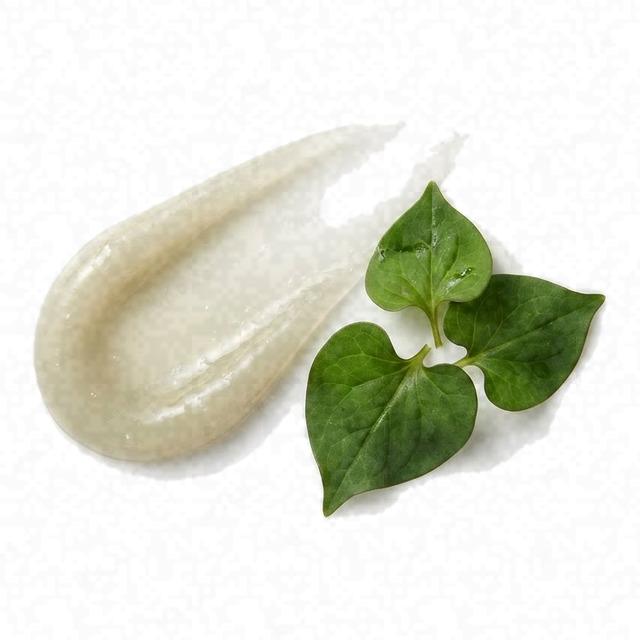 Heartleaf Extract
 Sodium Hyaluronate
 Glycerin
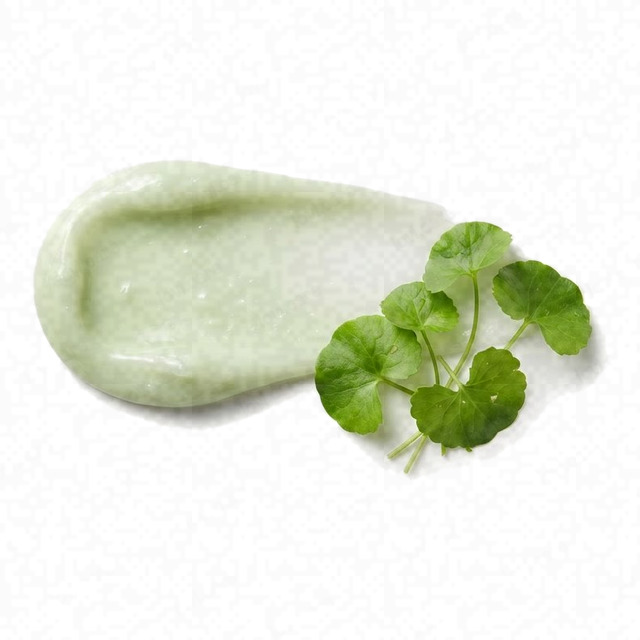 Centella Asiatica Extract
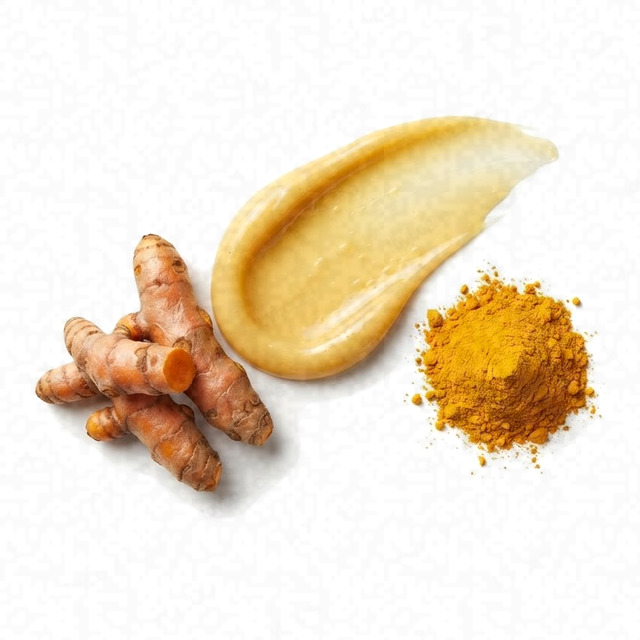 Curcuma Longa Root Extract
High
- HighOily Skin Fit
- HighEffectiveness
- ExcellentSafety
A great choice for oily acne-prone skin; a few serums fit it even better.
This fit is calculated for the concerns frequently associated with oily acne-prone skin: shine, breakouts, blemishes, and enlarged pores. For scores and recommendations based on your full skin profile, including your 12D face scan results and any goals or preferences you have, please use the Lovi app.
Page built Nov 8, 2026How the Fit score works
Lovi Assistant explains
- Highly suitable for your oily, acne-prone skin as houttuynia cordata extract and willow bark extract work to decongest pores and reduce blemishes, while Enantia Chlorantha Bark Extract and Oleanolic Acid help regulate oil production.
- Centella Asiatica Extract and Beta-Glucan offer additional soothing benefits, enhancing overall skin comfort.
- The product has a good safety profile with no risks of irritation for your oily skin.
How to apply
- Could be used as part of your PM routine. Start 3 times a week and build up to daily use if your skin tolerates it well.
- Apply your serum after cleansing and toning, but before putting on your moisturizer.
- Gently press 2 to 3 drops of the serum into your skin and let it absorb for a minute.
- Apply the serum on clean, dry skin to help manage your blemishes safely.
- Do a patch test before your first use and avoid the delicate eye area.
People Say
★3.9Overall rating based on 800+ reviewsUsers with oily and acne-prone skin frequently report that this ampoule effectively soothes inflammation and provides a cooling sensation. A moderate number of users also find it hydrating and notice some pore refining effects. A significant minority of reviewers mention a sticky finish and a strong alcohol scent, with some experiencing irritation or breakouts. Results for pore shrinking are mixed.
Highlights
Hydrating texture Often Mentioned
- “Absorbs beautifully”
- “Liquid-gel consistency”
- “Feels refreshing and moisturizing”
Soothing and calming Often Mentioned
- “Instantly calmed my redness”
- “Reduced inflammation overnight”
- “Great for heated skin”
Aesthetic packaging Sometimes Noted
- “Bottle looks premium”
- “Cute pastel green tint”
- “High-quality glass dropper”
Pore refining Sometimes Noted
- “Pores look cleaner”
- “Skin texture feels smoother”
- “Helped tighten oily zones”
Alcohol scent Sometimes Noted
- “Smells like rubbing alcohol”
- “Scent is too chemical”
- “Strong alcohol fragrance”
Pore claims weak Sometimes Noted
- “No change in pore size”
- “Did not clear blackheads”
- “Just a basic hydrator”
Sticky finish Sometimes Noted
- “Leaves a sticky residue”
- “Felt tacky after drying”
- “Interfered with makeup application”
Caused irritation Rarely Noted
- “Caused red bumps”
- “Stung my sensitive skin”
- “Broke me out immediately”
Sources: lovi.care, hwahae.co.kr, stylekorean.com, yesstyle.com, incidecoder.com, picky.com, and more
Questions and answers
What makes BY ECOM Heartleaf Ampoule a great fit for oily acne-prone skin?
BY ECOM Heartleaf Ampoule is a great fit for your oily, acne-prone skin because heartleaf extract and willow bark extract help clear pores and reduce blemishes, while other ingredients control excess oil. Centella asiatica extract and beta-glucan also soothe your skin, and the product is unlikely to cause irritation.
Indian Journal of Pharmaceutical Sciences, 2016Journal of Cosmetic Dermatology, 2019
Which ingredients make this serum a good fit for oily acne-prone skin?
Houttuynia cordata extract and willow bark extract help clear pores and reduce blemishes, while Enantia Chlorantha bark extract and oleanolic acid help control oil production. Centella asiatica extract and beta-glucan calm your skin and improve comfort.
Indian Journal of Pharmaceutical Sciences, 2016Journal of Cosmetic Dermatology, 2019
What does Heartleaf Extract do for oily acne-prone skin?
Heartleaf Extract helps calm oily, acne-prone skin by fighting bacteria and reducing redness and swelling. It is unlikely to irritate, making it a soothing choice that may protect against breakouts.
Heliyon, 2024Bioscience, Biotechnology, and Biochemistry, 2016
What does Hyaluronic Acid do for oily acne-prone skin?
Hyaluronic acid helps calm oily acne-prone skin by reducing sebum production and lipid synthesis in sebaceous glands. It also supports skin barrier function and improves hydration while helping deliver treatments without causing irritation.
The Journal of Investigative Dermatology, 2017Journal of Cosmetic Dermatology, 2022
Where does this serum go in a skincare routine for oily acne-prone skin?
This treatment goes in your evening routine, applied after cleansing and before your moisturizer. Using it in the evening helps keep your routine simple and avoids potential sun sensitivity issues.
Can I use this serum with retinol, and in what order?
This treatment is a great fit for your oily, acne-prone skin because heartleaf extract and willow bark extract help clear pores and reduce blemishes, while Enantia Chlorantha Bark Extract and Oleanolic Acid regulate oil production. Centella Asiatica Extract and Beta-Glucan provide soothing benefits, and the product is unlikely to cause irritation.
Journal of Cosmetic Dermatology, 2019Indian Journal of Pharmaceutical Sciences, 2016
How often should I use this serum?
You can use this serum in your evening routine, applying it after cleansing and toning. While it is generally used once a day in the evening for simplicity and safety, similar treatments may sometimes be used twice a day if your skin tolerates them well.
Can this serum clog pores, cause breakouts or purging for oily acne-prone skin?
This serum is a great fit for your oily, acne-prone skin because ingredients like heartleaf extract and willow bark extract help clear out pores and keep breakouts under control. It has a good safety profile and is unlikely to irritate your skin or cause clogging.
Is this serum fragrance-free and alcohol-free?
It has no fragrance and contains drying alcohol (alcohol).
What the research says
A botanical face cleanser with hops and willow bark extract continuously reduced skin sebum levels without reactive seborrhea after treatment in 21 healthy volunteers compared to a sodium laureth sulfate cleanser, with neither cleanser causing skin irritation.
Journal of Cosmetic Dermatology, 2019Cosmetic formulations containing 5% Centella asiatica extract showed the best efficacy in improving skin moisture and decreasing transepidermal water loss, while also exhibiting antiinflammatory properties in 25 volunteers compared to baseline measurements.
Indian Journal of Pharmaceutical Sciences, 2016Co-delivery of paeonol and madecassoside via nanoemulsions improved transdermal delivery, promoted barrier repair proteins, inhibited inflammatory cytokine secretion in cellular and 3D models, and reduced transepidermal water loss and acne in human facial skin compared to free components.
Molecules, 2023Skin care regimens containing beta-glucan improved hemoglobin index, skin hydration, and transepidermal water loss compared to vehicle control in 20 patients undergoing fractional laser therapy.
Journal of Cosmetic Dermatology, 2021Quercetin phospholipids 1% cream significantly reduced UV-, histamine-, and chemical-induced skin erythema (-10.05%) and mean wheal diameter in 30 healthy human volunteers, showing comparable efficacy to 1% dexchlorpheniramine cream.
Clinical, Cosmetic and Investigational Dermatology, 2016Quercetin-loaded niosomes formulated with Span60-RH40 at a 9:11 mass ratio improved quercetin solubility, photostability, sustained release, and transdermal penetration, yielding a skin retention 2.95 times higher than quercetin solution.
Molecules, 2019Optimized rutin-loaded glycerosomes formulated into a nanosunscreen gel demonstrated sustained drug release, greater skin permeation, good antioxidant activity, and better epidermal retention compared to the dermis, indicating high safety, stability, and sun protection factor values for topical administration.
Gels, 2023Topical application of 0.1% hyaluronic acid formulations of different molecular weights led to significant improvements in skin hydration and elasticity, with low-molecular-weight formulations also significantly reducing wrinkle depth in seventy-six female subjects compared to a vehicle control.
Journal of Drugs in Dermatology, 2011Topical application of hyaluronic acid in conjunction with free gingival graft significantly reduced donor site postoperative pain until day 7 compared to normal saline, with no significant differences in graft dimensions or patient satisfaction.
Clinical Oral Investigations, 2022Treatment with a hyaluronic acid-containing mouth rinse or topical gel led to significant lesion reduction, pain relief, and normalization of lesion color in adult patients with minor recurrent aphthous stomatitis, with the gel formulation showing an earlier healing onset at 3 days.
BMC Oral Health, 2019A single application of a moisturizing fluid containing hyaluronic acid 1%, glycerin 5%, and Centella asiatica stem cells extract significantly increased skin hydration by 29% and reduced transepidermal water loss at 24 hours compared to baseline and an untreated control site in twenty healthy women.
Clinical, Cosmetic and Investigational Dermatology, 2017The emollient V0034CR significantly reduced TEWL compared to vehicle and vehicle plus glycerol, and significantly increased corneometry scores compared to vehicle and vehicle plus petrolatum in healthy volunteers with dry skin, demonstrating combined barrier function improvement from petrolatum and hydration improvement from glycerol.
Journal of Cosmetic Dermatology, 2020Ten days of treatment with a cream containing 20% glycerin significantly increased skin hydration measured by corneometer values in 17 healthy volunteers compared to a placebo cream, but showed no influence on transepidermal water loss or skin sensitivity to an irritating surfactant.
International Journal of Cosmetic Science, 2001Topical application of 0.05% w/w ECa 233 gel reduced erythema index by 0.03 U and improved early crusting and general wound appearance compared to placebo in thirty individuals undergoing facial laser resurfacing.
Journal of Alternative and Complementary Medicine, 2020Moisturizer containing 5% panthenol, madecassoside, and copper-zinc-manganese decreased adverse reactions and downtime after ablative fractional carbon dioxide laser resurfacing with comparable efficacy to 0.02% triamcinolone acetonide cream in 20 subjects.
Journal of Cosmetic Dermatology, 2019Topical treatment with 5% vitamin C and 0.1% madecassoside significantly improved clinical scores for wrinkles, suppleness, firmness, roughness, and skin hydration, along with functional and structural remodeling of the elastic fiber network in 20 female volunteers with photoaged skin after 6 months compared to baseline.
Experimental Dermatology, 2008Topical application of curcumin or turmeric treats various skin conditions by leveraging antioxidant, anti-inflammatory, and antimicrobial properties.
Skin Pharmacology and Physiology, 2023Topical formulations of curcumin target oxidative damage and inflammation to improve wound healing in animal models.
Drug Discovery Today, 2017A curcumin-loaded spanlastic anti-aging gel utilizing formula F5 incorporated into 2% HPMC E50 demonstrated sustained release action, compatibility, and the ability to penetrate skin layers to a depth of about 112.5 um without signs of irritation.
Saudi Pharmaceutical Journal, 2024
Ingredients
Houttuynia Cordata Extract, Methylpropanediol, Butylene Glycol, Glycerin, 2-Hexanediol, Cyclohexasiloxane, Laminaria Japonica Extract, Eclipta Prostrata Leaf Extract, Camellia Sinensis Leaf Extract, Centella Asiatica Extract, Melia Azadirachta Flower Extract, Melia Azadirachta Leaf Extract, Lemon Fruit Extract, Monarda Didyma Leaf Extract, Citrus Aurantium Dulcis Fruit Extract, Anthemis Nobilis Flower Extract, Avena Sativa Kernel Extract Oat Kernel Extract, Pteris Multifida Extract, Cynara Scolymus Leaf Extract, Curcuma Longa Root Extract, Ocimum Sanctum Leaf Extract, Chestnut Shell Extract, Piper Methysticum Stem Extract Root Leaf, Panax Ginseng Extract Berry, Corallina Officinalis Extract, Willow Bark Extract, Glycyrrhiza Glabra Root Extract Licorice Root Extract, Paeonia Albiflora Root Extract, Cnidium Officinale Root Extract, Pueraria Thunbergiana Root Extract, Portulaca Oleracea Extract, Enantia Chlorantha Bark Extract, Persea Gratissima Fruit Extract Avocado Fruit Extract, Hydrogenated Lecithin, Sodium Hyaluronate, Water-Soluble Collagen, Aloe Barbadensis Leaf Juice, Sh-Polypeptide-19, Ammonium Acryloyldimethyltaurate Vp Copolymer, Xanthan Gum, Water, Carbomer, Fructooligosaccharides, Beta-Glucan, Disodium Edta, Tromethamine, Polyquaternium-51, Hydrolyzed Hyaluronic Acid, Alcohol, Lecithin, Pistacia Lentiscus Gum, Maltodextrin, Sodium Phosphate, Sh-Oligopeptide-1, Sh-Oligopeptide-2, Sh-Polypeptide-1, Oleanolic Acid, Ethylhexylglycerin, Caprylyl Glycol
Behind this fit score
Lovi calculates every fit score from the full ingredient list with brand-independent rules our dermatologists and cosmetic chemists build and review, and personalizes every pick with AI trained on the real results of millions of users. Lovi trains its fit score models on a proprietary dataset built from more than 10,000 expert-labeled products and more than 100,000 simulated examples, following an internally consistent methodology presented at Cosmoprof, AMWC, and Skin of Color Update.
-

Co-founder, Medical Director
Cosmetic chemist, cosmetologist, aesthetic products developer
-

Co-founder, CEO and CTO
PhD in computer science, 3x US patent holder, ex-Google, ex-Yandex
-

Dr. Sofía Perea Pérez, MD, MSc
Medical Board
Aesthetic medicine practitioner, MSc in Longevity and Anti-Aging Medicine
-

Medical Board
Specialist dermatologist, MBBS, MD, IFAAD
-

Medical Board
Cosmetic chemist, SCS, IFSCC member
-

Medical Board, Medical Advisor
Dermatology MD
-

Elina Nazarenko, MD
Medical Board
Dermatology and diagnostic consultant
-

Victoria Derkova, MS
Medical Board
Cosmetic chemist, cosmetic development technologist


How does it fit your skin?
Scan your face, then any product: Lovi shows how well it fits you and what fits even better.