Acure Radically Rejuvenating Eye Cream for oily acne-prone skin

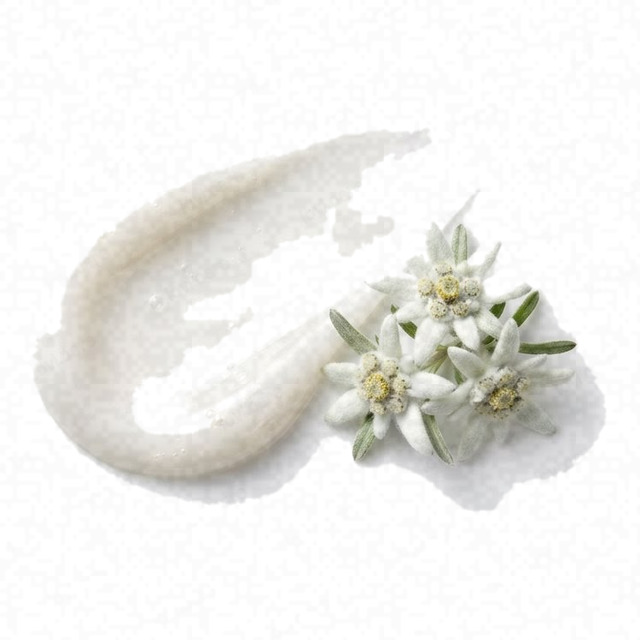 Leontopodium Alpinum Extract
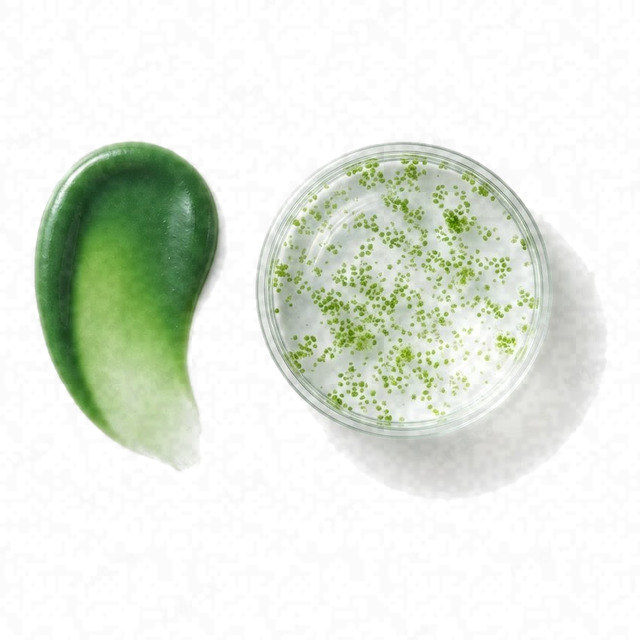 Chlorella Extract
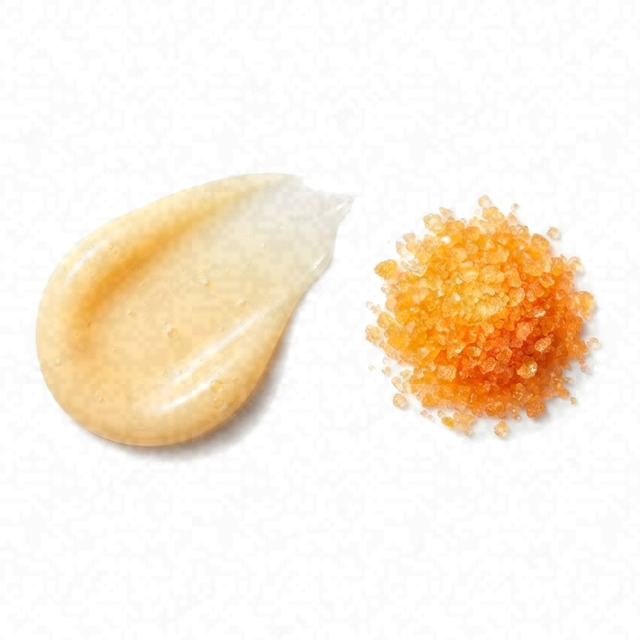 Ubiquinone
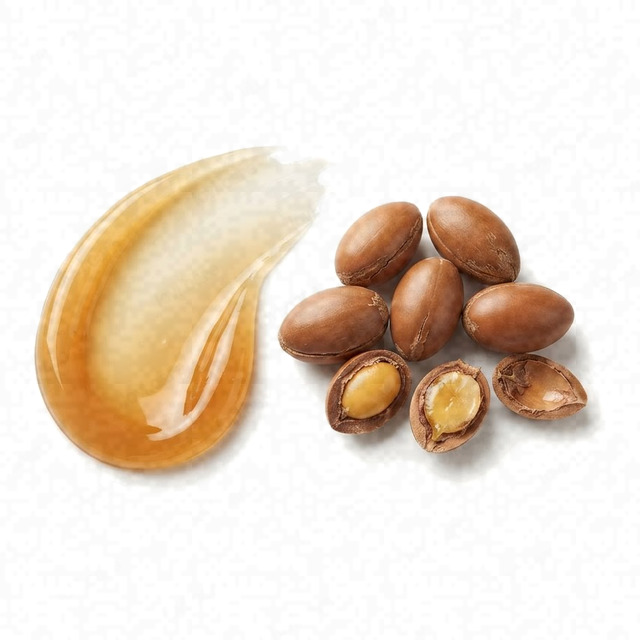 Argania Spinosa Kernel Oil Argan Kernel Oil
 Aloe Barbadensis Leaf Juice
Average
- AverageOily Skin Fit
- AverageEffectiveness
- HighSafety
Works for oily acne-prone skin; other eye cares fit it better.
This fit is calculated for the concerns frequently associated with oily acne-prone skin: shine, breakouts, blemishes, and enlarged pores. For scores and recommendations based on your full skin profile, including your 12D face scan results and any goals or preferences you have, please use the Lovi app.
Page built Nov 8, 2026How the Fit score works
Lovi Assistant explains
- Offers moderate moisturizing for your oily skin due to coconut oil and cocoa butter, which hydrate and smooth texture, but do not directly address acne or oiliness.
- Carthamus Tinctorius Seed Oil provides emollient action, offering general skincare benefits that are supportive rather than targeted for your acne and breakouts.
- The product is safe for your oily skin, with no risks of irritation from harsh or prohibited ingredients.
People Say
★4.4Overall rating based on 2.5k+ reviewsBased on a very large amount of data, this eye cream is frequently praised for its deeply hydrating and lightweight, non-greasy texture, making it suitable for dry or sensitive skin. Many users find it softens fine lines and provides a refreshed appearance. However, some users report issues with the packaging, and a moderate number of reviews suggest it is not effective for dark circles or significant wrinkle reduction. A low frequency of users experienced milia.
Highlights
Deeply hydrating Mostly Mentioned
- “Provides deep, lasting hydration.”
- “Skin feels refreshed and soft.”
- “Keeps the delicate area plump.”
Gentle/Fragrance-free Often Mentioned
- “Great for sensitive skin.”
- “No irritation for me.”
- “Genuinely fragrance-free formula.”
Lightweight texture Often Mentioned
- “Absorbs quickly into skin.”
- “Not greasy or heavy.”
- “Layers seamlessly under makeup.”
Packaging issues Often Mentioned
- “Cap is terrible to screw on.”
- “Product oozes out uncontrollably.”
- “Opening is too wide.”
Good value Sometimes Noted
- “A little goes a long way.”
- “Tube lasts for months.”
- “Excellent price point.”
Ineffective for dark circles Sometimes Noted
- “Did not lighten dark circles.”
- “No change in tired look.”
- “Not a dark-circle eraser.”
Limited anti-aging Sometimes Noted
- “Didn't see visible difference.”
- “Not a wrinkle eraser.”
- “Didn't wow me.”
Caused milia Rarely Noted
- “Caused tiny white bumps.”
- “Too rich for my skin.”
- “Contributed to milia.”
Sources: lovi.care, kroger.com, skinsort.com, reddit.com, dermapproved.com, whatsinmyjar.com, and more
Questions and answers
How well does Acure Radically Rejuvenating Eye Cream work for oily acne-prone skin?
Acure Radically Rejuvenating Eye Cream works moderately well for oily acne-prone skin, providing hydration through ingredients like coconut oil and cocoa butter to smooth texture while remaining gentle and safe, though it lacks targeted ingredients to control excess oiliness or breakouts. For this skin type, eye care needs soothing and hydrating ingredients that manage oil and blemishes while providing lightweight moisture without clogging pores.
Which ingredients make this cream a good fit for oily acne-prone skin?
Aloe barbadensis leaf juice helps calm and soothe your skin, while coconut oil and cocoa butter hydrate and smooth texture. Because your skin is oily, an eye care product of this type needs targeted ingredients that manage excess oil and breakouts while keeping the skin balanced.
What does Edelweiss Extract do for oily acne-prone skin?
Edelweiss extract helps soothe oily and acne-prone skin by calming redness and keeping the skin balanced throughout the day. It may also help protect blemish-prone areas from everyday stress with its strong natural antioxidant properties.
What does Chlorella Extract do for oily acne-prone skin?
Chlorella Extract helps balance oily, acne-prone skin by providing essential nutrients that support a clear and calm complexion. It is unlikely to clog pores and may help reduce excess shine while keeping your face smooth.
Where does this cream go in a skincare routine for oily acne-prone skin?
This eye cream goes after your toner and before your moisturizer in your daily routine. Because it provides moderate moisturizing without targeting acne or oiliness, oily acne-prone skin needs eye care that also balances oil and helps clear blemishes using targeted ingredients like niacinamide or salicylic acid.
Can I use this cream with retinol, and in what order?
You can use this eye cream with retinol, applying it after your retinol treatment to help buffer potential dryness and keep your eye area smooth. This product is safe for your skin, though an eye cream for oily acne-prone skin needs lightweight hydration and targeted blemish-fighting ingredients to better manage breakouts.
How often should I use this cream?
You can use this eye cream daily as part of your regular routine, as it is safe for your skin. However, because it provides only moderate moisture without addressing oiliness or breakouts, oily acne-prone skin needs an eye product with targeted ingredients like niacinamide or lightweight hydrators to properly balance oil and blemishes.
Can this cream clog pores, cause breakouts or purging for oily acne-prone skin?
This cream is unlikely to cause irritation on oily acne-prone skin, but it contains coconut oil and cocoa butter which may feel heavy and lead to clogged pores or breakouts for some. An eye cream for this skin needs lightweight hydrators and ingredients that help clear blemishes without heavy butters.
Is this cream fragrance-free and alcohol-free?
It has no fragrance and contains drying alcohol (alcohol).
What the research says
A cream combining propolis, tea tree oil, and Aloe vera reduced erythema scars, acne severity index, and total lesion count better than erythromycin cream in sixty patients with mild to moderate acne vulgaris compared to placebo.
Clinical Pharmacology, 2018Leontopodium alpinum callus culture extract improved anti-periorbital wrinkles, skin elasticity, dermal density, skin thickness, antioxidant activity, and moisturizing activity while suppressing inflammation and wrinkling compared to placebo and in response to UVB treatment.
Genes, 2020Leontopodium alpinum callus culture extract at 10-15 mg/mL promoted COL-I production and inhibited MMP-1, OPN3, ROS, and calcium influx in a blue-light-induced human foreskin fibroblast damage model, indicating an anti-blue-light-damage effect through the OPN3-calcium pathway.
Molecules, 2023A concentrated ethanol extract of Edelweiss callus culture (ECC55) protected primary human keratinocytes and endotheliocytes against various inflammatory and oxidative stimuli by inhibiting chemokine release, restoring sirtuin-inhibited cellular markers, and suppressing inflammation-related gene expression.
Mediators of Inflammation, 2012Lipid extracts of Chlorella vulgaris and Arthrospira platensis protect Normal Human Dermal Fibroblasts against UVA-induced oxidative stress and 2-propanol-induced IL-6 expression in vitro.
Food Science and Technology International = Ciencia Y Tecnologia de Los Alimentos Internacional, 2026Oral and topical administration of ROQUETTE Chlorella sp. at higher doses significantly reduced skin inflammation scores and improved the healing process and duration of skin wounds in mice compared to untreated models.
Anti-inflammatory & Anti-allergy Agents in Medicinal Chemistry, 2014Resilient factor (RF, an aqueous extract fraction of Chlorella) suppressed PMA- and UVB-induced MMP1 production, protein, and gene expression, prevented UVB-suppressed elastin protein, and increased pro-collagen mRNA expression in human skin fibroblasts compared to untreated controls.
European Journal of Dermatology, 2008Topical application of CoQ10 improves mitochondrial function in aging skin in vivo, combating cellular signs of aging caused by an age-dependent shift to a functionally anaerobic energy metabolism.
BioFactors, 2008Encapsulating coenzyme Q10 in lipid nanoparticles for topical use improves skin compatibility, protects against degradation, increases skin penetration, and provides controlled release to counteract aging effects.
Colloids and Surfaces. B, Biointerfaces, 2023Review of topical administration of carotenoids and coenzyme Q10 loaded in lipid nanoparticles highlights their improved bioavailability, chemical stability, skin absorption, and photoprotective effects.
Antioxidants, 2021A combination cream of stimu-tex AS and saccharide isomerate reduced erythema, increased skin capacitance, and reduced transepidermal water loss compared to placebo in 20 subjects after fractional CO2 laser procedure without causing serious adverse events.
Lasers in Medical Science, 2025Topical application of an argan oil NLC-based hydrogel formulation increased skin hydration in healthy volunteers over a one-month period through a synergistic effect of NLC occlusion and argan oil hydration.
International Journal of Nanomedicine, 2014Incorporating allantoin into argan oil enriched liposomes improved its accumulation in the dermis (~8.7μg/cm(2)) and permeation through the skin (~33μg/cm(2)) compared to conventional liposomes, water dispersion, and a commercial gel.
International Journal of Pharmaceutics, 2016Topical aloe vera gel significantly accelerated split-thickness skin graft donor-site healing compared to placebo in 12 patients, but showed no significant difference in pain relief.
Plastic and Reconstructive Surgery, 2018Topical application of Aloe vera cream reduced postoperative pain at rest and during defecation, accelerated wound healing at two weeks, and decreased analgesic requirements in patients after open hemorrhoidectomy compared to placebo.
Journal of Alternative and Complementary Medicine, 2010Formulations containing 0.10%, 0.25%, and 0.50% freeze-dried Aloe vera extract increased stratum corneum water content compared with the vehicle in 20 female subjects, while transepidermal water loss was not modified.
Skin Research and Technology, 2006
Why other eye cares fit oily acne-prone skin better
Topical UP256 cream containing 0.5% bakuchiol administered twice daily significantly reduced inflammatory lesions and improved acne-related post-inflammatory hyperpigmentation in 13 subjects with mild or moderate facial acne.
Journal of Drugs in Dermatology, 2021Topical combination of 5% sodium ascorbyl phosphate and 0.2% retinol reduced inflammatory acne lesions by 29.28% at 4 weeks and 63.10% at 8 weeks, outperforming either agent alone.
International Journal of Cosmetic Science, 2009Sodium ascorbyl phosphate provides effective antimicrobial action, prevents sebum oxidation, and demonstrates superior clinical efficacy compared to a standard acne treatment in patients with acne vulgaris.
International Journal of Cosmetic Science, 2005
Ingredients
Water, Aloe Barbadensis Leaf Juice, Cetearyl Alcohol, Glyceryl Stearate Citrate, Carthamus Tinctorius Seed Oil, Coconut Oil, Theobroma Cacao Seed Butter, Cocoglycerides, Glycerin, Helianthus Annuus Seed Oil Sunflower Seed Oil, Glyceryl Laurate, Olea Europaea Oil Fruit Olive Oil Fruit, Potassium Sorbate, Glyceryl Caprylate, Oenothera Biennis Oil, Tocopheryl Acetate, Sodium Levulinate, Alcohol, Calendula Officinalis Flower Extract, Citric Acid, Glycine Soja Oil Soybean Oil, Tocopherol, Aspalathus Linearis Leaf Extract, Chamomilla Recutita Flower Extract Matricaria Flower Extract, Euterpe Oleracea Fruit Extract, Punica Granatum Extract, Rosa Canina Fruit Extract, Blackberry Fruit Extract, Argania Spinosa Kernel Oil, Leontopodium Alpinum Callus Culture Extract, Marrubium Vulgare Meristem Cell Culture, Leuconostoc Radish Root Ferment Filtrate, Xanthan Gum, Ubiquinone, Sodium Hydroxide
Behind this fit score
Lovi calculates every fit score from the full ingredient list with brand-independent rules our dermatologists and cosmetic chemists build and review, and personalizes every pick with AI trained on the real results of millions of users. Lovi trains its fit score models on a proprietary dataset built from more than 10,000 expert-labeled products and more than 100,000 simulated examples, following an internally consistent methodology presented at Cosmoprof, AMWC, and Skin of Color Update.
-

Co-founder, Medical Director
Cosmetic chemist, cosmetologist, aesthetic products developer
-

Co-founder, CEO and CTO
PhD in computer science, 3x US patent holder, ex-Google, ex-Yandex
-

Dr. Sofía Perea Pérez, MD, MSc
Medical Board
Aesthetic medicine practitioner, MSc in Longevity and Anti-Aging Medicine
-

Medical Board
Specialist dermatologist, MBBS, MD, IFAAD
-

Medical Board
Cosmetic chemist, SCS, IFSCC member
-

Medical Board, Medical Advisor
Dermatology MD
-

Elina Nazarenko, MD
Medical Board
Dermatology and diagnostic consultant
-

Victoria Derkova, MS
Medical Board
Cosmetic chemist, cosmetic development technologist


How does it fit your skin?
Scan your face, then any product: Lovi shows how well it fits you and what fits even better.