Vasanti Brighten Up! Exfoliator for acne-prone skin

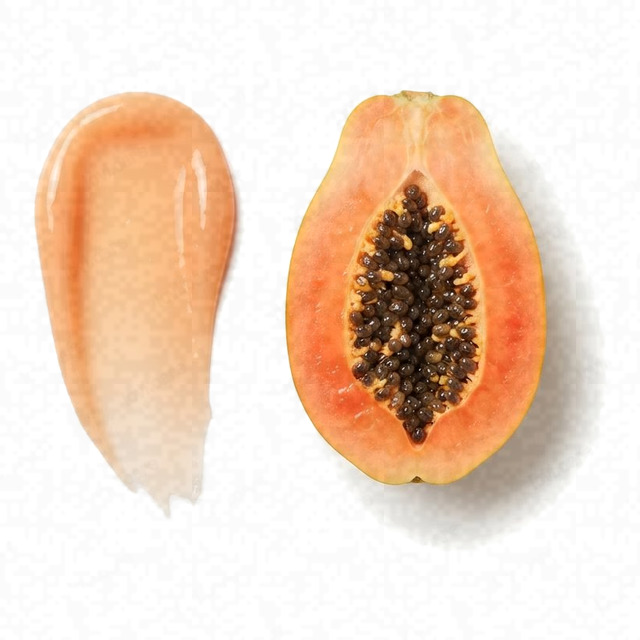 Carica Papaya
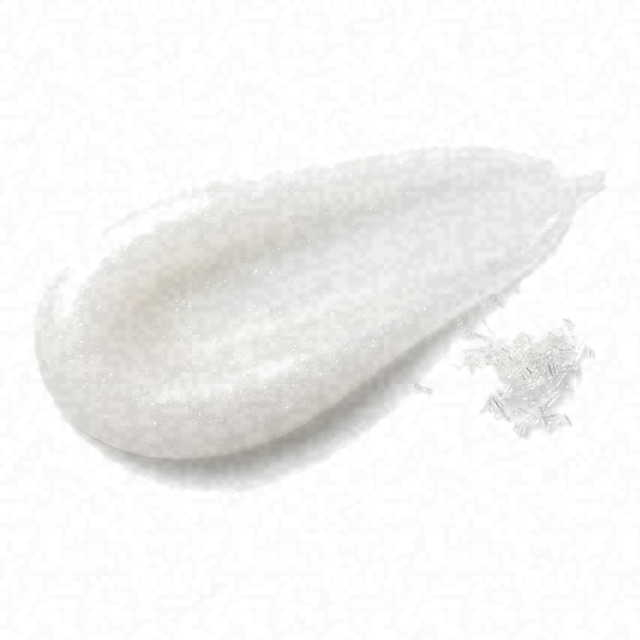 Microcrystals
 Aloe Barbadensis
 Glycerin
 Tocopheryl Acetate
Average
- HighCombination Skin Fit
- AverageEffectiveness
- HighSafety
Works for acne-prone skin; other exfoliants fit it better.
This fit is calculated for the concerns frequently associated with acne-prone skin: breakouts, blackheads, and post-acne marks. For scores and recommendations based on your full skin profile, including your 12D face scan results and any goals or preferences you have, please use the Lovi app.
Page built Nov 8, 2026How the Fit score works
Lovi Assistant explains
- Offers moderate exfoliation for your combination skin due to aluminum oxide crystals and papain, which provide keratolytic action, while glycerin and panthenol offer humectant benefits.
- The formula is safe for your acne-prone skin as it lacks harsh ingredients that could cause irritation.
- While it provides general hydration and cleansing, it does not contain specialized ingredients to directly target acne, blemishes, and breakouts.
How to apply
- Use this exfoliant PM once a week to start, and gradually increase if your combination skin tolerates it well. Always apply SPF the next morning to protect your clear skin.
- Apply the exfoliant after cleansing and toning, but right before your moisturizer step. This ensures the treatment targets blemishes effectively.
- Gently press 2-3 drops of the exfoliant into your skin without rubbing. Let it absorb for a minute before moving to the next step.
- Apply the exfoliant on clean, dry skin to help control breakouts safely. Since your skin is not sensitive, this dry application method ensures good product absorption.
- Avoid the sensitive eye area and do a patch test before your first use. Do not mix this exfoliant with other strong acids in the same routine.
People Say
★4.6Overall rating based on 250.0k+ reviewsBased on a very large amount of data, this product is highly regarded for its gentle exfoliation, effectively brightening dull complexions and reducing the appearance of dark spots and acne scars. Users across various skin types report smoother, more radiant skin with diminished hyperpigmentation and fine lines. Some users experienced breakouts or irritation, and a moderate number found the price to be expensive.
Highlights
Brightens complexion Mostly Mentioned
- “skin much brighter, hydrated and smoother”
- “helps brighten dull skin”
- “gives instant radiance”
- “boost luminosity for a more even-looking complexion”
Gentle exfoliation Mostly Mentioned
- “gently removes dead skin cells without feeling harsh”
- “doesn't scratch skin's surface”
- “gentle yet effective way to remove dead skin”
- “gives that instant smooth, polished glow without feeling harsh”
Clears acne and scars Often Mentioned
- “clearing my acne prone skin”
- “saw her acne clear, skin brighten, scars fade”
- “helps with diminishing signs of aging, acne scarring”
- “fades dark spots”
Smooths skin texture Often Mentioned
- “skin feels smoother”
- “smooths texture”
- “leaving face unbelievably soft”
- “skin feels like butter”
Expensive price Sometimes Noted
- “Expensive but I haven't run out of it still”
- “Shipping a bit expensive”
- “Not madly expensive like I thought”
Can be irritating Rarely Noted
- “might find this product too exfoliating”
- “leading to further dryness or irritation”
- “can irritate blemishes and worsen skin conditions”
Can cause breakouts Rarely Noted
- “broke me out because my skin had a damaged barrier”
- “made my acne worse”
- “may not be suitable for active acne”
Sources: lovi.care, vasanticosmetics.com, influenster.com, ebay.com, skinskoolbeauty.com, lemon8-app.com, and more
Questions and answers
How well does Vasanti Brighten Up! work for acne-prone skin?
This exfoliant works safely on acne-prone skin, but an average fit means it lacks specialized ingredients to directly target breakouts. An exfoliant for this skin needs ingredients like salicylic acid to effectively manage blemishes while keeping the skin calm and clear.
Which ingredients make this exfoliant a good fit for acne-prone skin?
This exfoliant is an average fit for your acne-prone skin because it uses glycerin and panthenol to keep your skin soft and hydrated without causing irritation. However, because it lacks targeted blemish-fighting ingredients, an exfoliant for this skin needs salicylic acid and calming plant extracts to clear pores and manage breakouts safely.
Clinical, Cosmetic and Investigational Dermatology, 2017American Journal of Clinical Dermatology, 2002
What does Papaya Extract do for acne-prone skin?
Papaya extract helps clear acne-prone skin by reducing acne lesions and soothing inflammation. It supports skin healing and is unlikely to cause irritation when used regularly.
What do Microcrystals do for acne-prone skin?
Microcrystals help smooth out acne-prone skin and improve scarring by gently exfoliating the surface. Products of this type need soothing and calming ingredients to keep sensitive skin happy during treatment.
Where does it go in a skincare routine for acne-prone skin?
This exfoliant fits into a weekly routine for your acne-prone skin, used just once a week to start. It offers moderate exfoliation and hydration, but acne-prone skin also needs specialized ingredients to directly target breakouts and blemishes.
Can I use this exfoliant with retinol, and in what order?
You can use this exfoliant with retinol by applying them on different days or times to help prevent skin irritation. When you are building an effective routine for acne-prone skin, this type of product needs specialized blemish-fighting ingredients alongside gentle physical and enzyme exfoliation.
How often should I use it?
Start by using this exfoliator once a week, and if your skin feels comfortable and you see good results, you can carefully use it more often. The formula is safe for your skin as it lacks harsh ingredients that could cause irritation.
Can this exfoliant clog pores, cause breakouts or purging for acne-prone skin?
This exfoliant is unlikely to cause irritation or breakouts on acne-prone skin because it lacks harsh ingredients, though a few reviewers have noted occasional breakouts. Because it does not contain specialized ingredients that directly target blemishes, an acne-prone product of this type needs targeted blemish-fighting ingredients to properly care for this skin.
American Journal of Clinical Dermatology, 2002The Journal of Dermatological Treatment, 2017
Is it fragrance-free and alcohol-free?
It has no drying alcohol and contains fragrance (parfum). Cetyl alcohol is a fatty alcohol, which soften the skin.
What the research says
Topical dexpanthenol acts as a moisturizer, improves stratum corneum hydration, accelerates wound healing and epidermal regeneration, reduces erythema, and improves symptoms of skin irritation compared to vehicle or no pretreatment.
American Journal of Clinical Dermatology, 2002A new topical panthenol-containing emollient significantly improved transepidermal water loss reduction, stratum corneum hydration, and intercellular lipid lamellae length compared with control in healthy subjects without negatively impacting bacterial viability.
The Journal of Dermatological Treatment, 2017A single application of a moisturizing fluid containing hyaluronic acid 1%, glycerin 5%, and Centella asiatica stem cells extract significantly increased skin hydration by 29% and reduced transepidermal water loss at 24 hours compared to baseline and an untreated control site in twenty healthy women.
Clinical, Cosmetic and Investigational Dermatology, 2017Topical papain treatment may slightly decrease pain within 30 minutes in humans stung by Chrysaora chinensis compared to placebo.
Wilderness & Environmental Medicine, 2016A fixed combination of hydroxypinacolone retinoate, retinol glycospheres, and papain glycospheres in aqueous gel applied once daily for 12 weeks achieved a 41% mean reduction in GAGS score and a 40.8% mean reduction in total lesions, with 15.3% of patients experiencing mild to moderate local side effects, in 94 evaluable patients with comedonal-papular, mild to moderate acne of the face.
Giornale Italiano Di Dermatologia E Venereologia, 2015Reflux extraction of Carica papaya leaves yielded higher antioxidant capacity and superior in vitro wound-healing activities including fibroblast proliferation, cell migration, and collagen synthesis in human skin fibroblasts compared to ultrasonic-assisted extraction and agitation.
Molecules, 2020A cream combining propolis, tea tree oil, and Aloe vera reduced erythema scars, acne severity index, and total lesion count better than erythromycin cream in sixty patients with mild to moderate acne vulgaris compared to placebo.
Clinical Pharmacology, 2018Topical aloe vera gel significantly accelerated split-thickness skin graft donor-site healing compared to placebo in 12 patients, but showed no significant difference in pain relief.
Plastic and Reconstructive Surgery, 2018Topical application of Aloe vera cream reduced postoperative pain at rest and during defecation, accelerated wound healing at two weeks, and decreased analgesic requirements in patients after open hemorrhoidectomy compared to placebo.
Journal of Alternative and Complementary Medicine, 2010The emollient V0034CR significantly reduced TEWL compared to vehicle and vehicle plus glycerol, and significantly increased corneometry scores compared to vehicle and vehicle plus petrolatum in healthy volunteers with dry skin, demonstrating combined barrier function improvement from petrolatum and hydration improvement from glycerol.
Journal of Cosmetic Dermatology, 2020Ten days of treatment with a cream containing 20% glycerin significantly increased skin hydration measured by corneometer values in 17 healthy volunteers compared to a placebo cream, but showed no influence on transepidermal water loss or skin sensitivity to an irritating surfactant.
International Journal of Cosmetic Science, 2001Niacinamide/glycerin body moisturizers provided better rapid and prolonged improvement of cosmetic xerosis through functional improvement of stratum corneum barrier function compared to no treatment and conventional moisturizers in female subjects.
Journal of Drugs in Dermatology, 2012Topical application of an antioxidant serum containing 15% ascorbic acid, 0.5% ferulic acid, and 1% tocopherol prevented particulate matter-induced degradation of extracellular matrix components, inflammation, and oxidative stress in the skin of 15 female volunteers compared to untreated controls.
Journal of Cosmetic Dermatology, 2025Dermatological products containing d-alpha tocopheryl acetate showed non-comedogenic potential with less than a 50% increase in microcomedones in 12 healthy male subjects compared to octyl palmitate.
Contemporary Clinical Trials Communications, 2021Topical application of an antioxidant mix containing 15% ascorbic acid, 0.5% ferulic acid, and 1% tocopherol prevented PM and UV-induced skin barrier perturbation, lipid peroxidation, inflammatory markers, MMP9 activation, and Type I collagen loss in 15 healthy females compared to untreated exposed skin.
Journal of Cosmetic Dermatology, 2024
Why other exfoliants fit acne-prone skin better
A 30% supramolecular salicylic acid peel improved the global acne grading score and skin barrier indicators, decreased cutaneous microbiome richness and evenness along with Staphylococcus proportion, reduced inflammatory cytokines, and increased caveolin-1 expression in 28 patients with moderate-to-severe acne vulgaris.
Dermatology and Therapy, 2023Treatment with 45% mandelic acid peel showed nearly equal overall efficacy as 30% salicylic acid peel in patients with mild-to-moderate facial acne vulgaris, but with fewer adverse effects.
Journal of Cosmetic Dermatology, 2020Turmeric and curcumin products, both oral and topical, showed statistically significant improvement in skin disease severity in ten out of eighteen studies compared with control groups.
Phytotherapy Research, 2016
Ingredients
Water, Aluminum Oxide, Cetyl Alcohol, Decyl Glucoside, Cocamidopropyl Betaine, Glycerin, Propanediol, Panthenol, Emulsifying Nf Wax, Glyceryl Stearate, Caprylic Capric Triglyceride, Ricinus Communis Seed Oil Castor Seed Oil, Aloe Barbadensis Leaf Juice, Tocopheryl Acetate, Papain, Parfum, Phenoxyethanol, Caprylyl Glycol
Behind this fit score
Lovi calculates every fit score from the full ingredient list with brand-independent rules our dermatologists and cosmetic chemists build and review, and personalizes every pick with AI trained on the real results of millions of users. Lovi trains its fit score models on a proprietary dataset built from more than 10,000 expert-labeled products and more than 100,000 simulated examples, following an internally consistent methodology presented at Cosmoprof, AMWC, and Skin of Color Update.
-

Co-founder, Medical Director
Cosmetic chemist, cosmetologist, aesthetic products developer
-

Co-founder, CEO and CTO
PhD in computer science, 3x US patent holder, ex-Google, ex-Yandex
-

Dr. Sofía Perea Pérez, MD, MSc
Medical Board
Aesthetic medicine practitioner, MSc in Longevity and Anti-Aging Medicine
-

Medical Board
Specialist dermatologist, MBBS, MD, IFAAD
-

Medical Board
Cosmetic chemist, SCS, IFSCC member
-

Medical Board, Medical Advisor
Dermatology MD
-

Elina Nazarenko, MD
Medical Board
Dermatology and diagnostic consultant
-

Victoria Derkova, MS
Medical Board
Cosmetic chemist, cosmetic development technologist


How does it fit your skin?
Scan your face, then any product: Lovi shows how well it fits you and what fits even better.