True Botanicals Phyto-Retinol Sleep Serum for acne-prone skin

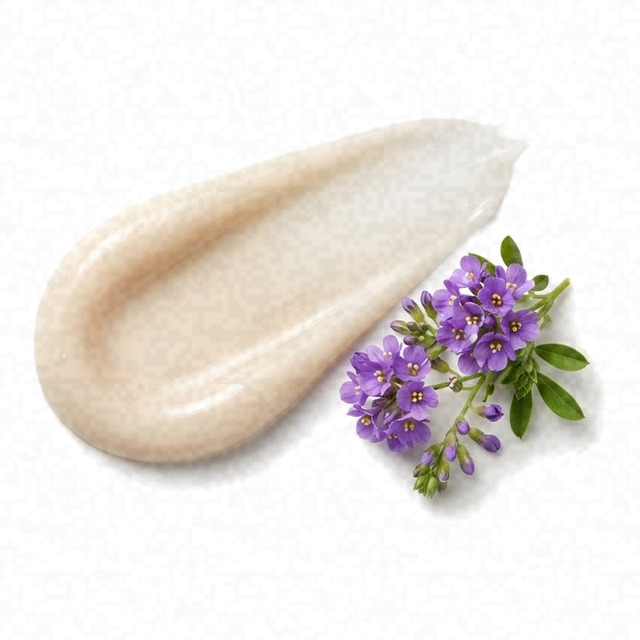 Phyto-Retinol
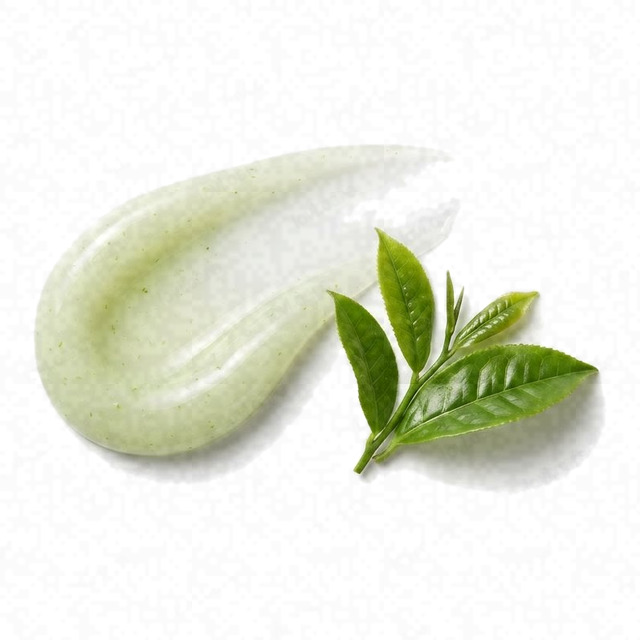 Camellia Sinensis Leaf Extract
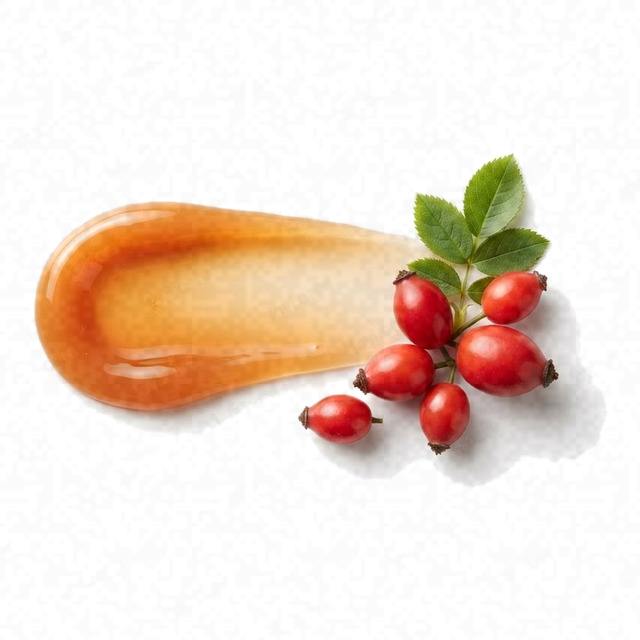 Rosa Rubiginosa Seed Oil Rosehip Seed Oil
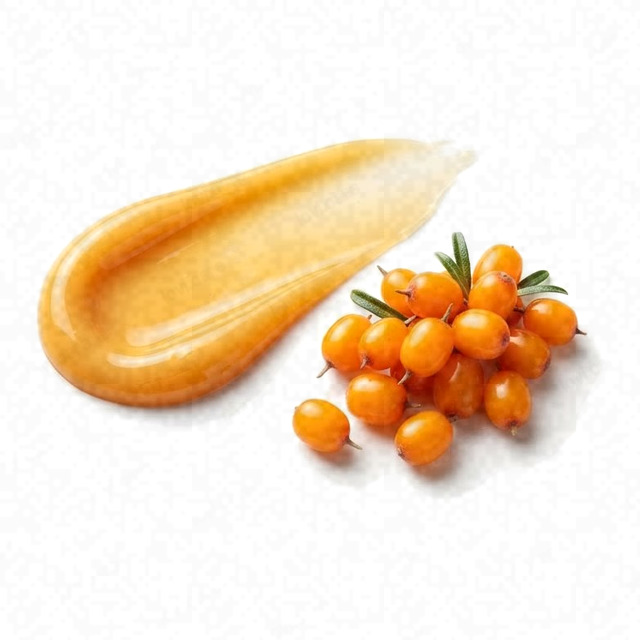 Hippophae Rhamnoides Oil
 Aloe Barbadensis Leaf Juice
Average
- HighCombination Skin Fit
- AverageEffectiveness
- ExcellentSafety
Works for acne-prone skin; other serums fit it better.
This fit is calculated for the concerns frequently associated with acne-prone skin: breakouts, blackheads, and post-acne marks. For scores and recommendations based on your full skin profile, including your 12D face scan results and any goals or preferences you have, please use the Lovi app.
Page built Nov 8, 2026How the Fit score works
Lovi Assistant explains
- Offers moderate benefits for your combination skin, as Glycerin and Hydrogenated Jojoba Oil provide essential hydration and emollient properties without clogging pores. Astaxanthin Powder and Rosehip Seed Oil offer antioxidant and skin-renewing effects that support overall skin health.
- The formula includes Camellia Sinensis Leaf Extract and Aloe Barbadensis Leaf Juice, which are known for their soothing and moisturizing qualities, beneficial for acne-prone skin.
- The product is safe for your combination skin, with no harsh ingredients and a good balance of soothing components.
How to apply
- Use your serum as part of your PM routine and start 3x/week before working up to daily use.
- Apply this treatment after cleansing and toner, and before your moisturizer.
- Gently press 2-3 drops of the serum into your skin and let it absorb for a minute.
- Apply the product on clean, dry skin to help manage your breakouts safely.
- Avoid the eye area and do a patch test before your first use.
People Say
★4.6Overall rating based on 300+ reviewsUsers find this serum to be a gentle and effective plant-based retinol alternative, frequently reporting smoothed fine lines and improved skin texture without irritation. Many reviewers mention waking up to glowing, hydrated skin, making it a popular choice for sensitive skin types. However, the high price point is a common concern, and a small number of users find the scent too strong or experience breakouts.
Highlights
Gentle & non-irritating Mostly Mentioned
- “no redness or peeling”
- “great for sensitive skin”
- “zero irritation”
- “gentle enough for nightly use”
Hydration & glow Often Mentioned
- “woke up glowing”
- “skin feels hydrated”
- “bouncy and soft”
- “radiant complexion”
Visible anti-aging Often Mentioned
- “softened fine lines”
- “skin looks plumper”
- “smoother texture”
- “wrinkles less visible”
High price point Often Mentioned
- “very expensive”
- “pricey bottle”
- “wish it was cheaper”
- “luxury price tag”
Elegant texture Sometimes Noted
- “absorbs quickly”
- “not greasy”
- “lightweight but nourishing”
- “silky texture”
Luxurious scent Sometimes Noted
- “smells like a spa”
- “relaxing herbal scent”
- “lovely botanical smell”
- “divine fragrance”
Caused breakouts Rarely Noted
- “caused breakouts”
- “clogged my pores”
- “skin reacted poorly”
- “bumps appeared”
Slow results Rarely Noted
- “didn't see much difference”
- “results take time”
- “expected more for the price”
Strong scent Rarely Noted
- “smell is too strong”
- “overpowering scent”
- “too much fragrance”
- “scent lingers”
Sources: lovi.care, qvc.com, amazon.com, cultbeauty.com, truebotanicals.com, nordstrom.com, and more
Questions and answers
How well does True Botanicals Phyto-Retinol Sleep Serum work for acne-prone skin?
True Botanicals Phyto-Retinol Sleep Serum works moderately well for acne-prone skin, providing gentle hydration and calming care without clogging pores. While it offers useful antioxidant and soothing benefits, a product for this skin needs powerful ingredients like niacinamide, propolis, or zinc PCA to target breakouts more effectively while balancing oil.
Acta Biochimica Polonica, 2012Clinical, Cosmetic and Investigational Dermatology, 2019
Which ingredients make this serum a good fit for acne-prone skin?
This serum works for acne-prone skin because Camellia Sinensis Leaf Extract and Aloe Barbadensis Leaf Juice help soothe and moisturize the skin. Additionally, ingredients like niacinamide, propolis, and zinc PCA are needed to better target breakouts, control excess oil, and prevent irritation.
Clinical, Cosmetic and Investigational Dermatology, 2019Clinical Pharmacology, 2018
What does Bakuchiol do for acne-prone skin?
Bakuchiol helps calm acne-prone skin and makes blemishes less noticeable while being gentle enough for daily use. It improves pimples and oily skin, and works well alongside other breakout treatments.
Clinical, Cosmetic and Investigational Dermatology, 2015Journal of Drugs in Dermatology, 2021
What does Green Tea Extract do for acne-prone skin?
Green tea extract helps calm acne-prone skin by reducing pimples and redness. Regular use also helps lower skin oil production, making breakouts less likely over time.
Clinical, Cosmetic and Investigational Dermatology, 2019Phytotherapy Research, 2021
Where does it go in a skincare routine for acne-prone skin?
This treatment goes in the evening routine after cleansing and toning, and before moisturizing. Acne-prone skin needs a product that delivers soothing plant extracts and gentle hydration without clogging pores.
Can I use this serum with vitamin C, and in what order?
You can use this serum with vitamin C by applying vitamin C in your morning routine and this treatment at night. Acne-prone skin works best with lightweight treatments containing soothing ingredients like aloe and green tea extract, along with gentle hydrators that do not clog pores.
How often should I use it?
You can use this treatment in your evening routine, starting just once a week and slowly using it more often if your skin tolerates it well. To work best for acne-prone skin, a product of this type needs lightweight hydrators and calming plant extracts that soothe the skin without clogging pores.
Can this serum clog pores, cause breakouts or purging for acne-prone skin?
This serum works for acne-prone skin, though other products fit it better because this skin type needs lightweight hydrators and soothing plant extracts like glycerin and aloe to keep pores clear and skin calm. Reviewers rarely mention breakouts, and the formula uses non-clogging ingredients that help maintain skin health without heavy oils.
Is it fragrance-free and alcohol-free?
It has no drying alcohol and contains fragrance (benzyl salicylate, farnesol, linalool, and limonene).
What the research says
Combining oral and topical astaxanthin in 30 healthy females improved skin wrinkles, age spots, elasticity, texture, and moisture, while 6 mg daily oral supplementation in 36 healthy males improved crow's feet wrinkles, elasticity, and transepidermal water loss.
Acta Biochimica Polonica, 2012An anti-acne hydrogel containing Aloe barbadensis, Garcinia mangostana, and Camellia sinensis extracts showed superior antiacne and antiblotch activities compared to 1% clindamycin gel in sixty subjects with mild-moderate acne.
Clinical, Cosmetic and Investigational Dermatology, 2019A cream combining propolis, tea tree oil, and Aloe vera reduced erythema scars, acne severity index, and total lesion count better than erythromycin cream in sixty patients with mild to moderate acne vulgaris compared to placebo.
Clinical Pharmacology, 2018Topical application of jojoba wax reduced LPS-induced secretion of IL-6, IL-8, and TNFα by approximately 30% and increased the synthesis of pro-collagen III and hyaluronic acid compared to untreated skin in an ex-vivo human skin organ culture model.
Frontiers in Pharmacology, 2024Topical bakuchiol 0.5% applied twice daily compared with retinol 0.5% applied daily significantly decreased wrinkle surface area and hyperpigmentation with no statistical difference between the compounds in 44 patients over 12 weeks, while retinol users reported more facial skin scaling and stinging.
The British Journal of Dermatology, 2019A dermocosmetic containing bakuchiol, Ginkgo biloba extract, and mannitol improves inflammatory lesions, Investigator Global Assessment, and seborrhea intensity when added to adapalene 0.1% gel in patients with acne vulgaris.
Clinical, Cosmetic and Investigational Dermatology, 2015Topical application of a serum containing supramolecular Bakuchiol and Terminalia chebula extract significantly improved barrier function, reduced redness and sensitivity, and improved wrinkles and elasticity in 34 Chinese subjects with sensitive skin after 28 days.
Health Science Reports, 2025Topical green tea extract significantly improved clinical symptoms, tear breakup times, and meibomian gland health compared to standard treatment in patients with dry eye and Meibomian Gland Dysfunction.
Journal of Clinical and Diagnostic Research, 2017Topical low-dose green tea extract reduces UVB-induced p53 expression and apoptosis in human skin keratinocytes compared to placebo.
Experimental Dermatology, 2009Topical application of green tea extract encapsulated chitosan microparticles improved skin elasticity, melanin index, and facial wrinkles compared to a placebo in female volunteers without causing skin irritation.
Journal of Cosmetic Dermatology, 2022Topical treatments containing rosehip extract may reduce the size and erythema of postsurgical scars through macrophage polarization and inflammatory cytokine inhibition, though current clinical evidence remains insufficient to recommend its routine use.
Journal of Cosmetic Dermatology, 2024Sunflower and rosehip oil nanoemulsions prepared with a mix of phospholipids and synthetic emulsifiers permeated intact skin to the dermis and showed a more prominent healing effect in a human organotypic skin explant culture wound model compared to nanoemulsions prepared only with phospholipids.
Pharmaceutics, 2023A nanoemulsion containing 1 mg/mL kojic dipalmitate and 5% rosehip oil demonstrated high incorporation efficiency, suitable physicochemical stability, antioxidant and depigmenting efficacy close to 1 mM ascorbic acid, and no cytotoxicity at concentrations from 0.06% to 1% in vitro.
Pharmaceutics, 2023Treatment with 10 μg/mL Hippophae rhamnoides seed oil increased AQP3 mRNA and AQP3 and HAS2 protein levels in normal human epidermis keratinocytes and a reconstructed epidermis skin model compared to a negative control.
Journal of Cosmetic Dermatology, 2021Topical nanoemulsion-loaded cream and gel formulations of Hippophae rhamnoides fruit oil showed superior wound contraction of 78.96% and 72.59% respectively on the 8th day compared to 62.29% for soframycin in female Sprague-Dawley rats, with no acute dermal toxicity.
Indian Journal of Pharmacology, 2024Sea buckthorn oil and p-methoxycinnamic acid bioconjugates formulated in oleogels achieved 45% of the sun protection factor of an equivalent octinoxate reference oleogel.
Molecules, 2023Topical aloe vera gel significantly accelerated split-thickness skin graft donor-site healing compared to placebo in 12 patients, but showed no significant difference in pain relief.
Plastic and Reconstructive Surgery, 2018Topical application of Aloe vera cream reduced postoperative pain at rest and during defecation, accelerated wound healing at two weeks, and decreased analgesic requirements in patients after open hemorrhoidectomy compared to placebo.
Journal of Alternative and Complementary Medicine, 2010Formulations containing 0.10%, 0.25%, and 0.50% freeze-dried Aloe vera extract increased stratum corneum water content compared with the vehicle in 20 female subjects, while transepidermal water loss was not modified.
Skin Research and Technology, 2006
Ingredients
Camellia Sinensis Leaf Extract, Aloe Barbadensis Leaf Juice, Glycerin, Hydrogenated Oil, Hydrogenated Jojoba Oil, Hydrogenated Lecithin, Primula Veris Flower Extract Primrose Flower Extract, Mauritia Flexuosa Oil Fruit, Hippophae Rhamnoides Oil, Rosa Rubiginosa Seed Oil Rosehip Seed Oil, Salvia Hispanica Seed Oil, Astaxanthin Powder, Persea Gratissima Oil Avocado Oil, Sandalwood Oil, Avena Sativa Bran Extract Oat Bran Extract, Citrus Aurantium Dulcis Peel Extract, Cananga Odorata Oil Flower Ylang Ylang Oil Flower, Boswellia Carterii Oil Gum, Citric Acid, Sodium Phytate, Sclerotium Gum, Tocopherol, Algin, Water, Benzyl Benzoate, Benzyl Salicylate, Ethylhexylglycerin, Phenethyl Alcohol, Farnesol, Linalool, Limonene
Behind this fit score
Lovi calculates every fit score from the full ingredient list with brand-independent rules our dermatologists and cosmetic chemists build and review, and personalizes every pick with AI trained on the real results of millions of users. Lovi trains its fit score models on a proprietary dataset built from more than 10,000 expert-labeled products and more than 100,000 simulated examples, following an internally consistent methodology presented at Cosmoprof, AMWC, and Skin of Color Update.
-

Co-founder, Medical Director
Cosmetic chemist, cosmetologist, aesthetic products developer
-

Co-founder, CEO and CTO
PhD in computer science, 3x US patent holder, ex-Google, ex-Yandex
-

Dr. Sofía Perea Pérez, MD, MSc
Medical Board
Aesthetic medicine practitioner, MSc in Longevity and Anti-Aging Medicine
-

Medical Board
Specialist dermatologist, MBBS, MD, IFAAD
-

Medical Board
Cosmetic chemist, SCS, IFSCC member
-

Medical Board, Medical Advisor
Dermatology MD
-

Elina Nazarenko, MD
Medical Board
Dermatology and diagnostic consultant
-

Victoria Derkova, MS
Medical Board
Cosmetic chemist, cosmetic development technologist


How does it fit your skin?
Scan your face, then any product: Lovi shows how well it fits you and what fits even better.