
Topicals Faded Brightening & Clearing Gel

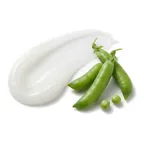 Niacinamide
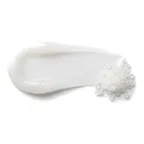 Tranexamic Acid
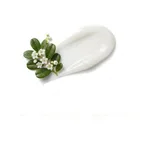 Alpha-Arbutin
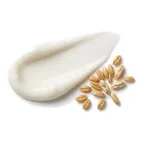 Azelaic Acid
 Kojic Acid Dipalmitate
Niacinamide, tranexamic acid, and alpha-arbutin fade dark spots and even skin tone, so it suits skin with dark spots best. For skin that needs oil control, serums with salicylic acid get higher fit scores. Where to buy in Saudi Arabia: Amazon.sa, SAR 83.81.
Each fit is calculated for the concerns frequently associated with that skin type. For scores and recommendations based on your full skin profile, including your 12D face scan results and goals, use the Lovi app.
Updated How the Fit score works
Where it fits best and least
Best fit Superior
One of the best serums for skin with dark spots.
- Excellent suitability for your normal skin is achieved through niacinamide and alpha-arbutin, which regulate melanogenesis and repair the skin barrier, while tranexamic acid, alpha-arbutin, and kojic acid dipalmitate effectively target hyperpigmentation.
Lowest fit High
Oily Skin, Dry Skin, Combination Skin, Sensitive Skin, Acne-Prone Skin, Mature Skin, Dry Sensitive Skin, Oily Acne-Prone Skin
One of the best serums for oily skin.
- Highly suitable for your oily skin as niacinamide and azelaic acid work to control oil production and reduce shine, addressing your main goal.
Buy online

Prices checked 22 Nov 2026
The Lovi Fit is the same in every country; only the stores and prices differ, and the ones here are for Saudi Arabia.
How to apply
- Apply this serum PM, starting 3×/week and working up to daily use as your skin adjusts.
- Place the serum after cleansing and toner, but right before your moisturizer.
- Gently press 2-3 drops of the serum into your skin and let it absorb for a minute.
- Apply the serum on slightly damp skin to help lock in extra moisture.
- Avoid the eye area and do a patch test before your first use.
People Say
★4.5Overall rating based on 2.5k+ reviewsBased on a very large amount of data, users find this serum highly effective for fading hyperpigmentation, post-acne marks, and melasma, with many reporting success where other products have failed. A significant number of reviews mention that results take time, typically 1-3 months, and note a strong, unpleasant sulfur-like smell and fragile packaging.
Highlights
Fades dark spots Mostly Mentioned
- “lightened dark bullseye on forehead”
- “faded stubborn post-acne marks”
- “visible reduction in sun spots”
- “helped old scars finally fade”
Unpleasant smell Mostly Mentioned
- “smells like rotten eggs”
- “strong sulfur/chemical scent”
- “smells like perm solution”
- “scent lingers for a while”
Evens skin tone Often Mentioned
- “skin looks more uniform”
- “reduced overall redness”
- “gave me a glowy complexion”
- “corrected uneven patches”
Poor packaging Often Mentioned
- “metal tube cracked on side”
- “product oozes out uncontrollably”
- “leaked all over my bag”
- “cap broke off easily”
Gentle but effective Sometimes Noted
- “didn't burn my sensitive skin”
- “effective without damaging barrier”
- “gentle enough for daily use”
- “moisturizing unlike other actives”
Improves texture Sometimes Noted
- “skin feels much smoother”
- “softened rough patches”
- “helped with texture bumps”
- “reduced look of pores”
Breakouts or purging Sometimes Noted
- “caused tiny whiteheads”
- “broke me out in cysts”
- “clogged my pores”
- “triggered fungal acne”
Texture issues Rarely Noted
- “feels sticky/tacky on skin”
- “pills under makeup/sunscreen”
- “too heavy for oily skin”
- “leaves a weird film”
Sources: lovi.care, sephora.com, amazon.com, mytopicals.com, reddit.com, skinsort.com, and more
Questions and answers
What makes Topicals Faded Brightening & Clearing Gel one of the best fits for skin with dark spots?
Topicals Faded Brightening & Clearing Gel is one of the best fits for skin with dark spots because it uses niacinamide, tranexamic acid, and alpha-arbutin to target hyperpigmentation and regulate pigment production. It also includes glutathione and azelaic acid to further support brightening and even out your skin tone while soothing ingredients keep your skin calm.
What makes Topicals Faded Brightening & Clearing Gel a great fit for oily skin?
Topicals Faded Brightening & Clearing Gel is a great fit for oily skin because niacinamide and azelaic acid help control oil production and reduce shine. Ingredients like centella asiatica and licorice root also soothe the skin while alpha-arbutin and kojic acid dipalmitate brighten it, and the formula is safe with a low risk of irritation.
What makes Topicals Faded a great fit for acne-prone skin?
Topicals Faded Brightening & Clearing Gel is a great fit because ingredients like niacinamide and azelaic acid calm redness and help control oil to target breakouts. It also includes soothing centella asiatica extract and lacks harsh ingredients, which helps keep irritation away.
Can I use this gel with retinol, and in what order?
You can use this gel with retinol by applying your retinol first, waiting for it to dry, and then applying this treatment, or by alternating nights to keep your skin calm and minimize irritation. Combining these active ingredients helps target dark spots effectively, though it may occasionally cause dryness if your skin is not used to both at once.
How often should I use this gel?
This treatment fits into your evening routine once a week to start, and you may carefully use it more often if your skin tolerates it well and you see good results.
The British Journal of Dermatology, 2002Clinical, Cosmetic and Investigational Dermatology, 2014
Is this gel fragrance-free and alcohol-free?
Yes, it has no fragrance and no drying alcohol. Behenyl alcohol and cetearyl alcohol are fatty alcohols, which soften the skin.
What makes Topicals Faded Brightening & Clearing Gel a great fit for dry skin?
This product is a great fit for your dry skin because it uses niacinamide and alpha-arbutin to brighten and clear blemishes while glycerin and shea butter provide essential hydration to combat dryness and flakiness. Jojoba seed oil further supports your skin by offering softening benefits that enhance overall comfort and smoothness, and it is considered safe without harsh ingredients that could cause irritation.
What makes Topicals Faded Brightening & Clearing Gel a great fit for combination skin?
Topicals Faded Brightening & Clearing Gel is a great fit because it uses niacinamide, alpha-arbutin, and kojic acid dipalmitate to even your skin tone and reduce blemishes, while niacinamide and azelaic acid help control oil and pore appearance. The formula is very gentle and safe for your skin, featuring soothing ingredients like licorice root extract that keep irritation unlikely.
What makes Topicals Faded Brightening & Clearing Gel a great fit for sensitive skin?
Topicals Faded Brightening & Clearing Gel is a great fit because it features soothing ingredients like licorice root extract and centella asiatica leaf extract to calm inflammation without harsh components. Niacinamide and tranexamic acid help soothe irritation and reduce redness, while alpha-arbutin and azelaic acid even out skin tone and clear blemishes.
What makes Topicals Faded Brightening & Clearing Gel a great fit for mature skin?
Topicals Faded Brightening & Clearing Gel is a great fit because ingredients like tranexamic acid and alpha-arbutin effectively target uneven skin tone, while niacinamide and azelaic acid help smooth out fine lines and wrinkles. This combination is very safe for your skin with no reported risk of irritation.
The British Journal of Dermatology, 2002Scientific Reports, 2024
What makes Topicals Faded Brightening & Clearing Gel a great fit for dry sensitive skin?
Topicals Faded Brightening & Clearing Gel is a great fit because it uses niacinamide and tranexamic acid to improve skin tone while nourishing shea butter and jojoba seed oil keep dry skin soft and smooth. It also has alpha-arbutin and kojic acid dipalmitate to help brighten dark spots safely without causing irritation.
What makes Topicals Faded Brightening & Clearing Gel a great fit for oily acne-prone skin?
Topicals Faded Brightening & Clearing Gel is a great fit because niacinamide and azelaic acid help balance oil and calm breakouts, while a blend of brightening ingredients evens out your skin tone. Soothing extracts further support clarity without harsh irritation.
What the research says
Application of 15% azelaic acid gel significantly reduced post-inflammatory erythema and hyperpigmentation, decreased hemoglobin and melanin content, improved quality of life, and contributed to acne improvement in patients with mild to moderate acne compared to placebo.
Dermatology and Therapy, 2024Topical nicotinamide prevented solar-simulated UV-induced immunosuppression in healthy volunteers, and men experienced immunosuppression at solar-simulated UV doses three times lower than those required for women.
The Journal of Investigative Dermatology, 2008Topical 5% niacinamide applied twice daily for 12 weeks reduced fine lines and wrinkles, hyperpigmented spots, red blotchiness, and skin sallowness, and improved skin elasticity compared to vehicle control in 50 female white subjects with facial photoaging.
Dermatologic Surgery, 2005Topical 2% niacinamide significantly decreased sebum excretion rate in Japanese individuals and casual sebum levels in Caucasian individuals compared to placebo or baseline.
Journal of Cosmetic and Laser Therapy, 2006Topical administration of 20% azelaic acid cream and 5% tranexamic acid solution comparably improved acne-related postinflammatory hyperpigmentation in patients with acne vulgaris, while tranexamic acid demonstrated a significantly better safety profile at week 4.
Journal of Research in Medical Sciences, 2023Topical 10% tranexamic acid serum reduced inflammatory acne counts, particularly papules and pustules, and decreased skin redness compared to placebo in 18 patients with mild-to-moderate acne over 8 weeks.
Journal of Cosmetic Dermatology, 2022A non-hydroquinone topical formulation (SKNB19) improved hyperpigmentation by 28.5% in patient self-assessment and 27% in independent reviewer assessment compared with 4% hydroquinone in 18 adult subjects, while showing significantly less irritation and better tolerability.
Journal of Cosmetic Science, 2020Encapsulation of alpha arbutin in an optimized ethosomal gel significantly improved skin melanin reduction, moisture content, and elasticity in human volunteers compared to conventional formulations.
Heliyon, 2023Aziderm cream, Neostrata Pigment Lightening Gel, and an arbutin 5% formulation significantly reduced skin pigmentation in healthy female volunteers compared to untreated controls.
The Journal of Clinical and Aesthetic Dermatology, 2022Azelaic acid nanocrystal hydrogel 10% achieved a higher success rate and greater lesion reduction than azelaic acid cream 20% in patients with mild to moderate facial acne.
Pharmaceutics, 2021Topical application of a dermocosmetic containing Myrtus communis extract and azelaic acid reduced acne relapses and helped maintain remission compared to a light moisturizing cream in adult females in the acne maintenance phase over 16 weeks.
Journal of the European Academy of Dermatology and Venereology, 2023A topical formulation containing kojic acid, emblica extract, and glycolic acid demonstrated efficacy parity compared with hydroquinone 4% in multiethnic participants with mild to moderate facial dyschromia.
Cutis, 2010Kojic acid is safe for use in cosmetic products up to a concentration of 1% because dermal sensitization and skin lightening would not be seen below that level.
International Journal of Toxicology, 2010Polymeric nanocapsules containing 0.1% kojic acid dipalmitate and 5% rosehip oil formulated with PLGA demonstrated high stability, antioxidant and tyrosinase-inhibiting activities, and a 25% melanin reduction in normal human epidermal melanocytes.
ACS Omega, 2025Niacinamide significantly decreased hyperpigmentation and increased skin lightness compared with vehicle alone after 4 weeks of use in women by inhibiting melanosome transfer.
The British Journal of Dermatology, 2002Azelaic acid 15% gel showed comparable efficacy to adapalene 0.1% gel in reducing lesions, severity, and Dermatology Life Quality Index in women with adult acne, with significantly lower dryness and scaling, and demonstrated superiority during maintenance compared to no further treatment.
Journal of the European Academy of Dermatology and Venereology, 2015Arbutin abrogates alpha-MSH-induced hyperpigmentation, inhibits melanin production in B16 cells, and decreases tyrosinase activity.
Archives of Pharmacal Research, 2009Co-delivery of paeonol and madecassoside via nanoemulsions improved transdermal delivery, promoted barrier repair proteins, inhibited inflammatory cytokine secretion in cellular and 3D models, and reduced transepidermal water loss and acne in human facial skin compared to free components.
Molecules, 2023Topical oxidized glutathione significantly decreases the skin melanin index and improves moisture content, smoothness, wrinkle formation, and elasticity compared to placebo in healthy women.
Clinical, Cosmetic and Investigational Dermatology, 2014Kojic acid dipalmitate loaded ethosomal gel provided a significant decrease in skin melanin, erythema, and sebum levels while improving skin hydration and elasticity.
Journal of Cosmetic Dermatology, 2022A single application of a moisturizing fluid containing hyaluronic acid 1%, glycerin 5%, and Centella asiatica stem cells extract significantly increased skin hydration by 29% and reduced transepidermal water loss at 24 hours compared to baseline and an untreated control site in twenty healthy women.
Clinical, Cosmetic and Investigational Dermatology, 2017Topical application of jojoba wax reduced LPS-induced secretion of IL-6, IL-8, and TNFα by approximately 30% and increased the synthesis of pro-collagen III and hyaluronic acid compared to untreated skin in an ex-vivo human skin organ culture model.
Frontiers in Pharmacology, 2024Topical treatment of nicotinamide, alone or in combination with other active ingredients, reduces the progression of skin aging and hyperpigmentation in clinical trials while being well tolerated.
Antioxidants, 2021Treatment with a combination of niacinamide and hyaluronic acid improved skin aging signs and demonstrated a senomorphic effect by decreasing SASP and autocrine signaling genes in women.
Scientific Reports, 2024Asiatic acid-loaded solid lipid microparticles stabilized with poloxamer-188 reduced porphyrin intensity, enhanced skin barriers, and improved skin hydration and brightness in fifteen participants with mild-to-moderate acne.
International Journal of Pharmaceutics, 2024
Ingredients
Water, Caprylic Capric Triglyceride, Glycerin, Niacinamide, Glyceryl Stearate, Tranexamic Acid, Butyrospermum Parkii Butter Shea Butter, Jojoba Seed Oil, Alpha-Arbutin, Behenyl Alcohol, Kojic Acid Dipalmitate, Glutathione, Curcuma Longa Root Extract, Ethylene Brassylate, Dimethylmethoxy Chromanyl Palmitate, Azelaic Acid, Glycyrrhiza Glabra Root Extract Licorice Root Extract, Melatonin, Phytic Acid, Squalane, Allantoin, Centella Asiatica Leaf Extract, Tocopherol, Arginine, Lecithin, Glycine Soja Soybean Sterols, Cetyl Palmitate, Ethylhexylglycerin, Sclerotium Gum, Zinc Ricinoleate, Cetearyl Alcohol, Sodium Lauroyl Sarcosinate, Tetrahydroxypropyl Ethylenediamine, Trisodium Ethylenediamine Disuccinate, Ceteareth-12, Ceteareth-20, Phenoxyethanol
Behind these fit scores
Lovi calculates every fit score from the full ingredient list with brand-independent rules our dermatologists and cosmetic chemists build and review, and personalizes every pick with AI trained on the real results of millions of users. Lovi trains its fit score models on a proprietary dataset built from more than 10,000 expert-labeled products and more than 100,000 simulated examples, following an internally consistent methodology presented at Cosmoprof, AMWC, and Skin of Color Update.
-

Co-founder, Medical Director
Cosmetic chemist, cosmetologist, aesthetic products developer
-

Co-founder, CEO and CTO
PhD in computer science, 3x US patent holder, ex-Google, ex-Yandex
-

Dr. Sofía Perea Pérez, MD, MSc
Medical Board
Aesthetic medicine practitioner, MSc in Longevity and Anti-Aging Medicine
-

Medical Board
Specialist dermatologist, MBBS, MD, IFAAD
-

Medical Board
Cosmetic chemist, SCS, IFSCC member
-

Medical Board, Medical Advisor
Dermatology MD
-

Elina Nazarenko, MD
Medical Board
Dermatology and diagnostic consultant
-

Victoria Derkova, MS
Medical Board
Cosmetic chemist, cosmetic development technologist


How does it fit your skin?
Scan your face, then any product: Lovi shows how well it fits you and what fits even better.