rom&nd Zero Sun Clean for oily acne-prone skin

 Zinc Oxide
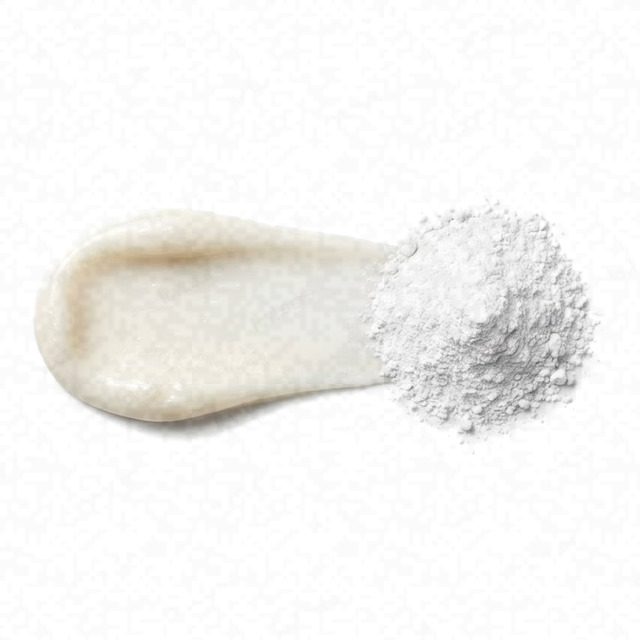 Titanium Dioxide
 Niacinamide
 Aloe Barbadensis Extract
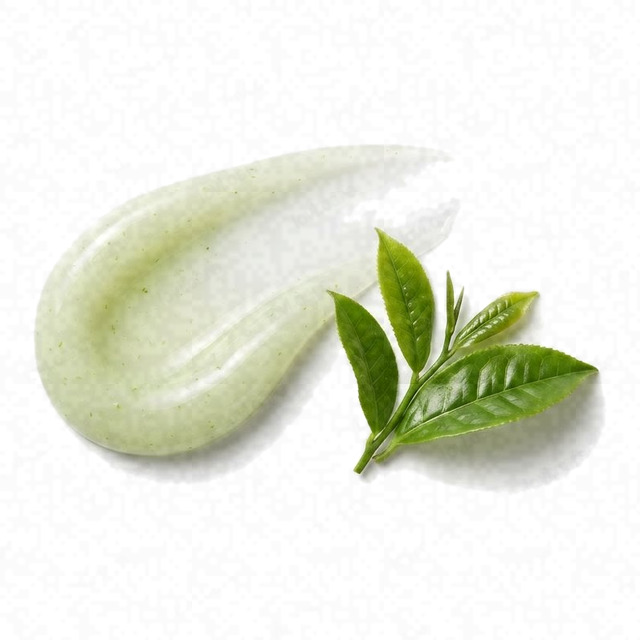 Camellia Sinensis Extract
High
- SuperiorOily Skin Fit
- AverageEffectiveness
- HighSafety
A great choice for oily acne-prone skin; a few sunscreens fit it even better.
This fit is calculated for the concerns frequently associated with oily acne-prone skin: shine, breakouts, blemishes, and enlarged pores. For scores and recommendations based on your full skin profile, including your 12D face scan results and any goals or preferences you have, please use the Lovi app.
Page built Nov 8, 2026How the Fit score works
Lovi Assistant explains
- Offers moderate suitability for your oily skin, as Abies Sibirica Oil and Rosmarinus Officinalis Oil Leaf help regulate sebum and provide antioxidant activity, while Tocopherol Vitamin E and Chamomilla Recutita Oil Flower offer soothing benefits.
- The high concentration of diethylamino hydroxybenzoyl hexyl benzoate and ethylhexylglycerin provides excellent UV protection, a general skincare benefit that supports overall skin health.
- The product is safe for your oily skin, with no risks of irritation due to the absence of harsh ingredients and the inclusion of soothing components.
How to apply
- Apply this sunscreen AM as the final step of your morning skincare routine. Reapply every two hours when exposed to the sun for continuous protection.
- Apply after your moisturizer as the last step before makeup. Do not apply anything on top of your sunscreen.
- Gently spread a coin-sized amount evenly across your face and neck. Avoid harsh rubbing to prevent disturbing the protective layer.
- Apply on completely dry skin after your moisturizer has fully absorbed. This ensures the sunscreen forms an even, protective barrier.
- Avoid direct contact with your eyes during application. Do a patch test before first use to ensure no irritation occurs.
People Say
★4.6Overall rating based on 200+ reviewsThis sunscreen is highly regarded for its lightweight, lotion-like texture that absorbs quickly without greasiness or a white cast, making it suitable for oily, combination, and acne-prone skin. It is frequently noted for being hydrating and leaving a natural finish. Some users with sensitive skin have experienced irritation due to essential oils and fragrance.
Highlights
Lightweight, non-greasy Mostly Mentioned
- “It's super lightweight, absorbs quickly, and doesn't feel greasy at all.”
- “It has an elegant lotion texture that's non-sticky”
- “feels fresh and lightweight, blends into the skin relatively quick”
- “doesn't have that typical greasy feel that many sunscreens have”
Hydrating, moisturizing Often Mentioned
- “It's hydrating enough for my skin type that I can skip a moisturizer”
- “feels hydrating and doesn't pill, which I absolutely love”
- “Comfortably moisturizing sunscreen ideal for dry skin”
- “hydrating without being sticky”
No white cast Often Mentioned
- “It doesn't leave any white cast too.”
- “doesn't leave you looking ghostly white”
- “no whitecast. It's pretty affordable too”
- “doesn't leave any white cast on the skin”
Good under makeup Sometimes Noted
- “works well under makeup and doesn't leave a white cast”
- “provides an excellent base for a smooth makeup application”
- “doesn't cause foundation to pill”
- “I apply it before makeup and layer my foundation right on top.”
Contains essential oils Sometimes Noted
- “I just wish there were no essential oils in this sunscreen.”
- “I would want it to be unscented.”
- “why do they feel the need to include essential oils in the formula especially CLOVE OIL”
- “Although it has a strong scent, it quickly dissipates”
Can get shiny Rarely Noted
- “As time passes, it does get a bit oily”
- “The only thing is that the glow keeps shining throughout the day”
- “This kinda gives me a lot of shine and a little bit of a grip once applied”
- “I usually followed it with a powder.”
Potential irritation Rarely Noted
- “can be irritating for some people with sensitive skin”
- “It contains a bunch of common irritants... might not be the best choice if your skin is sensitive.”
- “My only wish is that it could be a bit more sensitive-skin friendly”
- “Irritation potential: high.”
Sources: lovi.care, reddit.com, hwahae.com, whatsinmyjar.com, kbeautynotes.com, dodoskin.com, and more
Questions and answers
What makes rom&nd Zero Sun Clean a great fit for oily acne-prone skin?
This sunscreen is a great fit because it offers strong sun protection while helping calm oily skin and manage excess oil without causing irritation. Zinc Oxide and Titanium Dioxide provide reliable UV defense, while soothing ingredients and plant oils help keep skin clear and comfortable.
Which ingredients make this sunscreen a good fit for oily acne-prone skin?
Zinc Oxide and Titanium Dioxide provide UV protection while staying gentle on your skin. Niacinamide, Aloe Barbadensis Extract, and Camellia Sinensis Extract help calm breakouts and keep oil in check. Abies Sibirica Oil, Rosmarinus Officinalis Oil Leaf, Tocopherol Vitamin E, and Chamomilla Recutita Oil Flower also help regulate oil and soothe the skin.
Clinical Pharmacology, 2018Journal of Controlled Release, 2025
What does Zinc Oxide do for oily acne-prone skin?
Zinc oxide helps calm oily, acne-prone skin by reducing redness and targeting blemish-causing bacteria. It is unlikely to cause irritation and may help decrease excess oil while supporting clearer skin.
What does Titanium Dioxide do for oily acne-prone skin?
Titanium dioxide acts as a physical mineral sunscreen to shield oily, acne-prone skin from UV rays without clogging pores or triggering breakouts. It sits safely on the outer surface of the skin and is unlikely to penetrate or cause irritation.
International Journal of Cosmetic Science, 2000Skin Pharmacology and Applied Skin Physiology, 2001
Where does it go in a skincare routine for oily acne-prone skin?
This product goes as the last step in your morning skincare routine, right after your moisturizer. It provides strong sun protection and helps keep your skin calm without causing irritation.
Can I use this sunscreen with retinol, and in what order?
You can use this sunscreen every morning as the final step of your routine, after your moisturizer. It is safe for your skin and is unlikely to cause irritation.
How often should I use it?
Use this sunscreen every morning as the final step of your daytime skincare routine. It offers strong UV protection while helping keep oily skin calm and balanced throughout the day.
Can it clog pores, cause breakouts or purging for oily acne-prone skin?
This product is unlikely to clog pores or cause breakouts on oily skin, as it has a safe formula without harsh ingredients and includes soothing components. It may also help calm existing blemishes because it contains zinc oxide and aloe.
Clinical Pharmacology, 2018Journal of Controlled Release, 2025
Is this sunscreen fragrance-free and alcohol-free?
Yes, it has no fragrance and no drying alcohol.
What the research says
A topical serum containing vitamin C, vitamin E, and raspberry leaf cell culture extract improved skin color, elasticity, radiance, smoothness, scaliness, and wrinkles compared to the untreated contralateral side in fifty female volunteers.
Journal of Cosmetic Dermatology, 2020A cream combining propolis, tea tree oil, and Aloe vera reduced erythema scars, acne severity index, and total lesion count better than erythromycin cream in sixty patients with mild to moderate acne vulgaris compared to placebo.
Clinical Pharmacology, 2018Biomimetic hyaluronic acid-stabilized zinc oxide nanoparticles selectively inhibited C. acnes, outperformed erythromycin in preclinical acne models, and safely reduced acne lesions and redness in a clinical trial.
Journal of Controlled Release, 2025Topical 0.5% hyaluronic-ZnO nanogel applied twice daily reduced inflammatory-lesion counts by 58% at week four in human subjects compared to baseline without causing erythema.
Biomedicines, 2025Nels cream achieved a similar reduction in inflammatory and noninflammatory lesion counts compared to 5% benzoyl peroxide in acne vulgaris patients, but caused significantly fewer side-effects such as peeling and dryness.
Clinical and Experimental Dermatology, 2000Topically applied coated and uncoated zinc oxide nanoparticles under flexing and massage are retained in the stratum corneum with no significant penetration into the viable epidermis and no cellular toxicity in human skin.
Nanomedicine, 2016Microfine titanium dioxide does not penetrate human skin when formulated in an oil-in-water emulsion with the pigment dispersed in the aqueous phase, compared to oily dispersions and liposomal encapsulation which allow deeper skin penetration.
International Journal of Cosmetic Science, 2000Replacing microsized titanium dioxide and zinc oxide with nanoparticles in sunscreens eliminates opaqueness and alters UV protection balance while inducing (photo)cyto- and genotoxicity and penetrating viable skin layers during long-term exposures.
Nanotechnology, Science and Applications, 2011Microfine zinc oxide and titanium dioxide do not penetrate the stratum corneum of porcine skin in vitro, indicating that their use in sunscreens does not pose a health risk from internal exposure.
Toxicology in Vitro, 2006Topical post-laser application of human adipocyte-derived mesenchymal stem cell media combined with niacinamide significantly improved wrinkle index, melanin index, patient satisfaction, and investigator esthetic improvement scores compared to vehicle cream in patients with aging skin.
Journal of Cosmetic Dermatology, 2021Topical nicotinamide prevented solar-simulated UV-induced immunosuppression in healthy volunteers, and men experienced immunosuppression at solar-simulated UV doses three times lower than those required for women.
The Journal of Investigative Dermatology, 2008Topical 5% niacinamide applied twice daily for 12 weeks reduced fine lines and wrinkles, hyperpigmented spots, red blotchiness, and skin sallowness, and improved skin elasticity compared to vehicle control in 50 female white subjects with facial photoaging.
Dermatologic Surgery, 2005Topical aloe vera gel significantly accelerated split-thickness skin graft donor-site healing compared to placebo in 12 patients, but showed no significant difference in pain relief.
Plastic and Reconstructive Surgery, 2018Topical application of Aloe vera cream reduced postoperative pain at rest and during defecation, accelerated wound healing at two weeks, and decreased analgesic requirements in patients after open hemorrhoidectomy compared to placebo.
Journal of Alternative and Complementary Medicine, 2010Formulations containing 0.10%, 0.25%, and 0.50% freeze-dried Aloe vera extract increased stratum corneum water content compared with the vehicle in 20 female subjects, while transepidermal water loss was not modified.
Skin Research and Technology, 2006Topical green tea extract significantly improved clinical symptoms, tear breakup times, and meibomian gland health compared to standard treatment in patients with dry eye and Meibomian Gland Dysfunction.
Journal of Clinical and Diagnostic Research, 2017Topical low-dose green tea extract reduces UVB-induced p53 expression and apoptosis in human skin keratinocytes compared to placebo.
Experimental Dermatology, 2009An anti-acne hydrogel containing Aloe barbadensis, Garcinia mangostana, and Camellia sinensis extracts showed superior antiacne and antiblotch activities compared to 1% clindamycin gel in sixty subjects with mild-moderate acne.
Clinical, Cosmetic and Investigational Dermatology, 2019
Ingredients
Water, Dibutyl Adipate, Propanediol, Diethylamino Hydroxybenzoyl Hexyl Benzoate, Caprylyl Glycol, Dicaprylyl Carbonate, Mica, Ethylhexylglycerin, Ci 77491, Ci 77492, Abies Sibirica Oil, Tocopherol Vitamin E, Rosmarinus Officinalis Oil Leaf Rosemary Oil Leaf, Salvia Sclarea Oil, Sea Water, Caprylic Capric Triglyceride, Pelargonium Graveolens Oil Flower, Clove Oil Leaf, Butylene Glycol, Pogostemon Cablin Oil Leaf, Chamomilla Recutita Oil Flower, Juniperus Mexicana Oil, Anthemis Nobilis Oil Flower, Ecklonia Cava Extract, Salicornia Herbacea Extract, Decyl Glucoside, Tromethamine
Behind this fit score
Lovi calculates every fit score from the full ingredient list with brand-independent rules our dermatologists and cosmetic chemists build and review, and personalizes every pick with AI trained on the real results of millions of users. Lovi trains its fit score models on a proprietary dataset built from more than 10,000 expert-labeled products and more than 100,000 simulated examples, following an internally consistent methodology presented at Cosmoprof, AMWC, and Skin of Color Update.
-

Co-founder, Medical Director
Cosmetic chemist, cosmetologist, aesthetic products developer
-

Co-founder, CEO and CTO
PhD in computer science, 3x US patent holder, ex-Google, ex-Yandex
-

Dr. Sofía Perea Pérez, MD, MSc
Medical Board
Aesthetic medicine practitioner, MSc in Longevity and Anti-Aging Medicine
-

Medical Board
Specialist dermatologist, MBBS, MD, IFAAD
-

Medical Board
Cosmetic chemist, SCS, IFSCC member
-

Medical Board, Medical Advisor
Dermatology MD
-

Elina Nazarenko, MD
Medical Board
Dermatology and diagnostic consultant
-

Victoria Derkova, MS
Medical Board
Cosmetic chemist, cosmetic development technologist


How does it fit your skin?
Scan your face, then any product: Lovi shows how well it fits you and what fits even better.