Laneige Radian-C Sun Cream for oily acne-prone skin

 Ascorbic Acid 3-O-Ethyl Ascorbic Acid
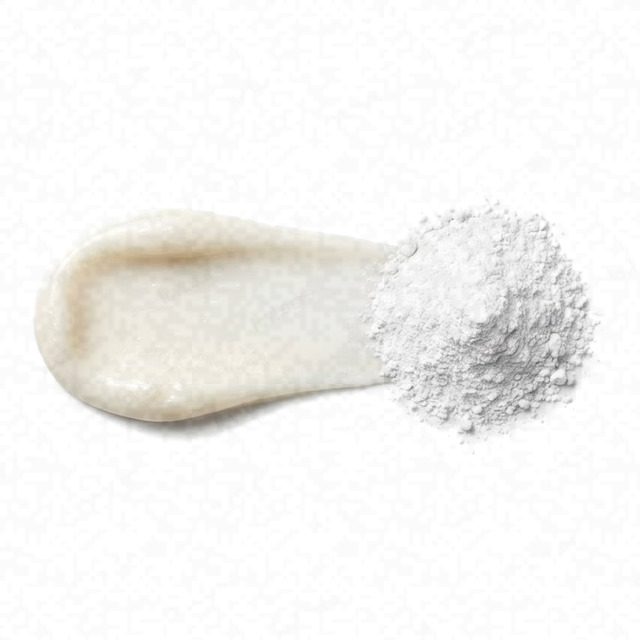 Titanium Dioxide
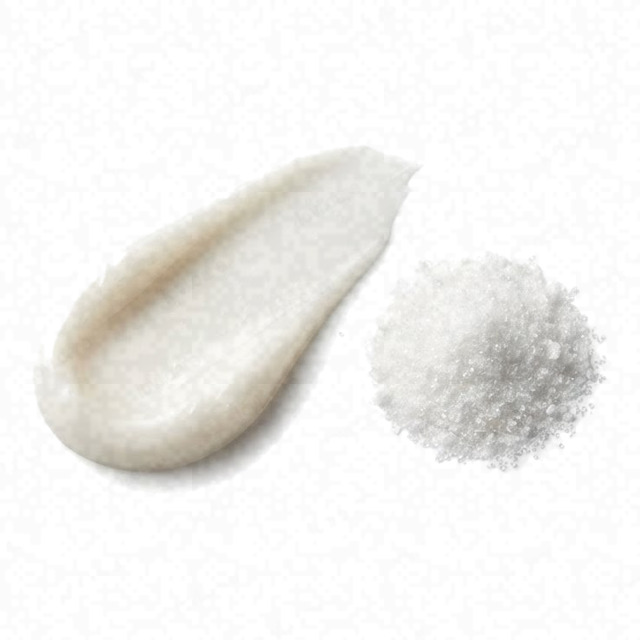 Diethylamino Hydroxybenzoyl Hexyl Benzoate
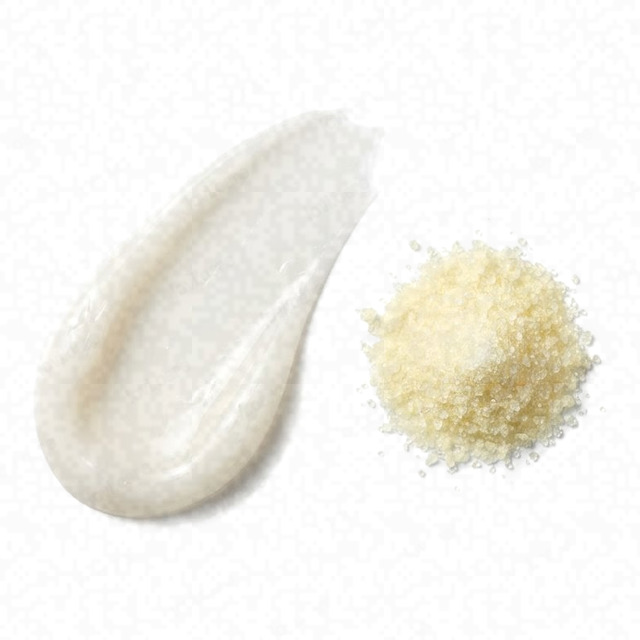 Bis-Ethylhexyloxyphenol Methoxyphenyl Triazine
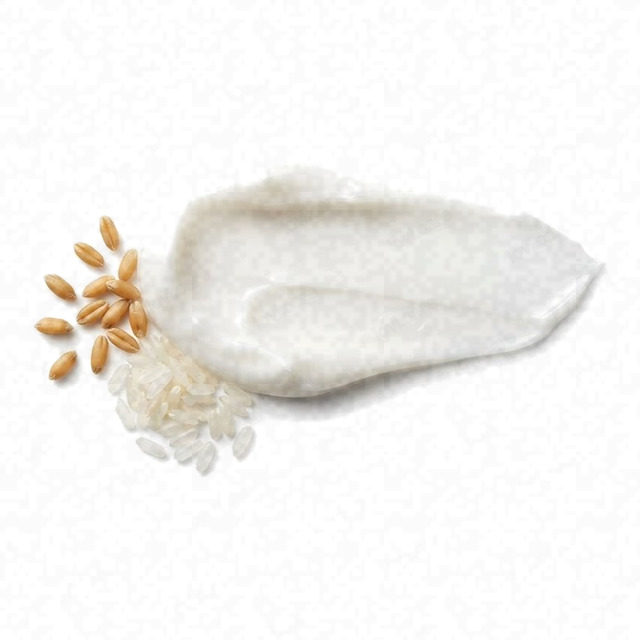 Ceramide Np
High
- HighOily Skin Fit
- HighEffectiveness
- HighSafety
One of the best sunscreens for oily acne-prone skin.
This fit is calculated for the concerns frequently associated with oily acne-prone skin: shine, breakouts, blemishes, and enlarged pores. For scores and recommendations based on your full skin profile, including your 12D face scan results and any goals or preferences you have, please use the Lovi app.
Page built Nov 8, 2026How the Fit score works
Lovi Assistant explains
- Excellent sun protection for your oily skin is provided by diethylamino hydroxybenzoyl hexyl benzoate and bis-ethylhexyloxyphenol methoxyphenyl triazine, which shield against UV rays without feeling heavy.
- The inclusion of 3-O-Ethyl Ascorbic Acid offers moderate benefits for your acne, blemishes, and breakouts by providing antioxidant and brightening effects, while Panthenol ensures hydration without greasiness.
- The product is safe for your skin, with no risks of irritation due to the absence of harsh ingredients.
How to apply
- Use your moisturizing sunscreen every morning. Reapply throughout the day if you are outside.
- Apply this moisturizing sunscreen as the final step of your morning routine after your moisturizer.
- Gently smooth a nickel-sized amount over your face and neck, avoiding harsh rubbing to keep oily areas calm.
- Apply this moisturizing sunscreen on clean, dry skin to ensure even coverage and protection.
- Avoid getting the product into your eyes and do a patch test before your first use.
People Say
★4.7Overall rating based on 200+ reviewsUsers generally praise this hybrid sunscreen for its lightweight, moisturizing texture that doubles as skincare, effectively brightening dullness and fading dark spots with Vitamin C and Melasolv™. While it is widely loved by those with dry to normal skin for its dewy finish and lack of white cast, users with oily or acne-prone skin sometimes find it too rich or greasy for humid weather.
Highlights
Lightweight & non-sticky Mostly Mentioned
- “Air light texture”
- “blends seamlessly”
- “doesn't feel like chip chip (sticky)”
No white cast Often Mentioned
- “No white cast”
- “transparent finish”
- “doesn't leave me looking ghostly”
Brightening & glow Sometimes Noted
- “Skin looks glowing”
- “helps with dark spots”
- “instant brightness”
Good makeup base Sometimes Noted
- “Great primer”
- “makeup sits beautifully”
- “fits seamlessly under makeup”
Pleasant scent Sometimes Noted
- “Smells like fresh oranges”
- “yummy citrus scent”
- “refreshing smell”
Greasy on oily Sometimes Noted
- “Face became more oily”
- “too rich for summer”
- “looked shiny by midday”
Eye stinging Rarely Noted
- “Stung my eyes”
- “made my eyes water”
Pricey Rarely Noted
- “Price is bombastic”
- “a bit pricey”
- “wish it was cheaper”
Strong fragrance Rarely Noted
- “Smell is too strong”
- “funky smell lingered”
- “overpowering citrus”
Sources: lovi.care, sephora.sg, stylekorean.com, nykaa.com, femaledaily.com, lemon8-app.com, and more
Questions and answers
What makes Laneige Radian-C Sun Cream a great fit for oily acne-prone skin?
Laneige Radian-C Sun Cream is a great fit because its filters shield against UV rays without feeling heavy on oily skin. It also includes vitamin C for brightening and panthenol for hydration without greasiness, all with a very safe profile that avoids harsh ingredients.
American Journal of Clinical Dermatology, 2002The Journal of Dermatological Treatment, 2017
Which ingredients make this cream a good fit for oily acne-prone skin?
Diethylamino hydroxybenzoyl hexyl benzoate and bis-ethylhexyloxyphenol methoxyphenyl triazine protect your oily skin from UV rays without feeling heavy. Additionally, 3-O-ethyl ascorbic acid helps brighten blemishes and breakouts while panthenol provides hydration without greasiness.
American Journal of Clinical Dermatology, 2002The Journal of Dermatological Treatment, 2017
What does Ascorbic Acid do for oily acne-prone skin?
Ascorbic Acid helps brighten dark spots left behind by acne and supports clearer skin when used regularly. It is unlikely to cause heavy greasy feelings, making it a great fit for oily skin.
Journal of Drugs in Dermatology, 2024Journal of Drugs in Dermatology, 2008
What does Titanium Dioxide do for oily acne-prone skin?
Titanium dioxide acts as a physical mineral sunscreen to shield oily, acne-prone skin from UV rays without clogging pores or triggering breakouts. It sits safely on the outer surface of the skin and is unlikely to penetrate or cause irritation.
International Journal of Cosmetic Science, 2000Skin Pharmacology and Applied Skin Physiology, 2001
Where does this cream go in a skincare routine for oily acne-prone skin?
This moisturizing sunscreen goes last in your morning skincare routine after your moisturizer. It shields against UV rays without feeling heavy while providing hydration without greasiness.
Can I use this cream with retinol, and in what order?
You can use this cream in the morning after your moisturizer, while saving your retinol for your evening routine. Using a barrier-supporting product with panthenol helps keep your skin calm and hydrated while you use strong evening treatments.
American Journal of Clinical Dermatology, 2002The Journal of Dermatological Treatment, 2017
How often should I use this cream?
You can use this moisturizing spf every morning as the final step of your daytime routine. Daily application helps protect your skin from UV rays while keeping it hydrated and calm without feeling heavy or greasy.
Can this cream clog pores, cause breakouts or purging for oily acne-prone skin?
This cream is unlikely to clog pores or cause breakouts on oily acne-prone skin, as it provides lightweight sun protection and non-greasy hydration. It contains panthenol, which helps keep skin calm and hydrated without heavy oils.
American Journal of Clinical Dermatology, 2002The Journal of Dermatological Treatment, 2017
Is this cream fragrance-free and alcohol-free?
It has no drying alcohol and contains fragrance (limonene, parfum, linalool, citral, and geraniol). Cetearyl alcohol and c12-15 alcohols are fatty alcohols, which soften the skin.
What the research says
Topical dexpanthenol acts as a moisturizer, improves stratum corneum hydration, accelerates wound healing and epidermal regeneration, reduces erythema, and improves symptoms of skin irritation compared to vehicle or no pretreatment.
American Journal of Clinical Dermatology, 2002A new topical panthenol-containing emollient significantly improved transepidermal water loss reduction, stratum corneum hydration, and intercellular lipid lamellae length compared with control in healthy subjects without negatively impacting bacterial viability.
The Journal of Dermatological Treatment, 2017A panthenol-enriched mask significantly decreased erythema and hyperpigmentation, increased sebum and stratum corneum moisture, and reduced transepidermal water loss compared to a saline dressing in 60 subjects undergoing facial laser treatment.
Journal of Cosmetic Dermatology, 2025Topical application of 5% vitamin C cream significantly improved global clinical scores, increased skin microrelief density, and induced elastic tissue repair in photoaged skin compared to excipient control in healthy female volunteers.
Experimental Dermatology, 2003Ascorbic acid 2-glucoside gel significantly reduced gingival melanin pigmentation after 4 weeks compared to placebo in 73 subjects with symmetric pigmentation.
Journal of Periodontology, 2009Topical application of VC-IP cream twice daily for 8 weeks reduces periorbital wrinkles in female subjects compared to a placebo cream.
Journal of Cosmetic Dermatology, 2022Microfine titanium dioxide does not penetrate human skin when formulated in an oil-in-water emulsion with the pigment dispersed in the aqueous phase, compared to oily dispersions and liposomal encapsulation which allow deeper skin penetration.
International Journal of Cosmetic Science, 2000Replacing microsized titanium dioxide and zinc oxide with nanoparticles in sunscreens eliminates opaqueness and alters UV protection balance while inducing (photo)cyto- and genotoxicity and penetrating viable skin layers during long-term exposures.
Nanotechnology, Science and Applications, 2011Microfine zinc oxide and titanium dioxide do not penetrate the stratum corneum of porcine skin in vitro, indicating that their use in sunscreens does not pose a health risk from internal exposure.
Toxicology in Vitro, 2006Oral and dermal administration of Uvinul A plus resulted in three major urinary metabolites accounting for 52% of the oral dose, with a very low estimated daily systemic exposure of 8.1-9.3 μg/d in volunteers not intentionally exposed.
International Journal of Hygiene and Environmental Health, 2020Maximal topical applications of 6% bemotrizinol in a model sunscreen formulation did not result in meaningful systemic exposure in humans.
Regulatory Toxicology and Pharmacology, 2023
Ingredients
Water, Butylene Glycol, Diethylamino Hydroxybenzoyl Hexyl Benzoate, Homosalate, Ethylhexyl Salicylate, C12-15 Alkyl Benzoate, Diisopropyl Sebacate, Cetearyl Alcohol, Silica, Glycerin, Potassium Cetyl Phosphate, Titanium Dioxide, Terephthalylidene Dicamphor Sulfonic Acid, Phenyl Trimethicone, Bis-Ethylhexyloxyphenol Methoxyphenyl Triazine, Dibutyl Adipate, 1,2-Hexanediol, Tromethamine, Panthenol, Limonene, Polyacrylate Crosspolymer-6, Aluminum Stearate, Polymethyl Methacrylate, Polyhydroxystearic Acid, Parfum, Xanthan Gum, Caprylyl Glycol, 3-O-Ethyl Ascorbic Acid, Glyceryl Caprylate, Thymol Trimethoxycinnamate, Glyceryl Stearate, Alumina, Hydrogenated Lecithin, Disodium Edta, Stearic Acid, C12-15 Alcohols, Polyglyceryl-3 Methylglucose Distearate, Palmitic Acid, Linalool, Ceramide Np, Citral, T-Butyl Alcohol, Geraniol, Myristic Acid, Lauric Acid
Behind this fit score
Lovi calculates every fit score from the full ingredient list with brand-independent rules our dermatologists and cosmetic chemists build and review, and personalizes every pick with AI trained on the real results of millions of users. Lovi trains its fit score models on a proprietary dataset built from more than 10,000 expert-labeled products and more than 100,000 simulated examples, following an internally consistent methodology presented at Cosmoprof, AMWC, and Skin of Color Update.
-

Co-founder, Medical Director
Cosmetic chemist, cosmetologist, aesthetic products developer
-

Co-founder, CEO and CTO
PhD in computer science, 3x US patent holder, ex-Google, ex-Yandex
-

Dr. Sofía Perea Pérez, MD, MSc
Medical Board
Aesthetic medicine practitioner, MSc in Longevity and Anti-Aging Medicine
-

Medical Board
Specialist dermatologist, MBBS, MD, IFAAD
-

Medical Board
Cosmetic chemist, SCS, IFSCC member
-

Medical Board, Medical Advisor
Dermatology MD
-

Elina Nazarenko, MD
Medical Board
Dermatology and diagnostic consultant
-

Victoria Derkova, MS
Medical Board
Cosmetic chemist, cosmetic development technologist


How does it fit your skin?
Scan your face, then any product: Lovi shows how well it fits you and what fits even better.