
Image Skincare Vital C Hydrating Repair Crème

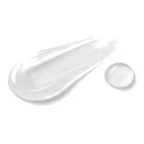 Sodium Hyaluronate
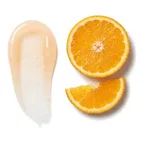 Ascorbic Acid Tetrahexyldecyl Ascorbate
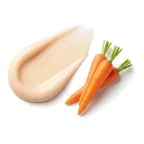 Retinyl Palmitate Vitamin A
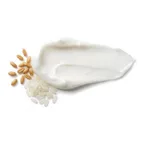 Ceramide Np
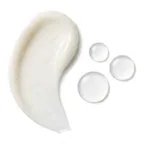 Squalane
Hyaluronic acid, vitamin C, and squalane hydrate, brighten, and soften, so it suits dry skin, skin with dark spots, mature skin, and dry sensitive skin best. For skin that needs oil control, moisturizers with niacinamide get higher fit scores. Where to buy in Saudi Arabia: Amazon.sa, SAR 238.03.
Each fit is calculated for the concerns frequently associated with that skin type. For scores and recommendations based on your full skin profile, including your 12D face scan results and goals, use the Lovi app.
Updated How the Fit score works
Where it fits best and least
Best fit High
Dry Skin, Skin with Dark Spots, Mature Skin, Dry Sensitive Skin
A great choice for dry skin; a few moisturizers fit it even better.
- Excellent suitability for your dry skin is provided by humectants like glycerin and sodium hyaluronate, complemented by emollient jojoba seed oil and squalane which deeply hydrate and moisturize. Tetrahexyldecyl ascorbate further enhances skin brightness and offers antioxidant protection.
Lowest fit Caution
A poor match for oily skin.
- This product offers moderate moisturizing and antioxidant support for your oily skin, with sodium hyaluronate and tetrahexyldecyl ascorbate providing hydration and brightening effects.
Other skin types
Buy online

Prices checked 22 Nov 2026
The Lovi Fit is the same in every country; only the stores and prices differ, and the ones here are for Saudi Arabia.
How to apply
- Could be used as part of your AM and PM routine. Start using it 3 times a week and move to daily use if your skin likes it.
- Apply this moisturizer after your cleanser and toner, right before your morning SPF.
- Gently press a small amount of the moisturizer into your skin. Avoid rubbing it too hard so it absorbs nicely.
- For the best moisture, you can apply it when your skin is slightly damp. This helps your skin stay soft and happy.
- Remember to avoid the eye area when applying. Always do a patch test before your first use.
People Say
★4.3Overall rating based on 300+ reviewsIt is widely loved for its ability to lock in moisture overnight and its signature citrus scent, though some find the fragrance too strong or the formula too heavy for oily skin.
Highlights
Deep hydration Mostly Mentioned
- “quenches thirsty skin”
- “locks in moisture”
- “great for dry skin”
Citrus scent Often Mentioned
- “smells like oranges”
- “fresh citrus aroma”
- “uplifting smell”
Improves texture Often Mentioned
- “skin feels soft”
- “smoother complexion”
- “leaves skin glowing”
Soothes sensitivity Sometimes Noted
- “calms redness”
- “soothes irritation”
High price Sometimes Noted
- “expensive”
- “pricey”
- “costly per ounce”
Counterfeit concerns Rarely Noted
- “fake product”
- “knock-off”
- “different color/consistency”
Heavy feel Rarely Noted
- “too heavy”
- “feels greasy”
- “clogs pores”
Strong fragrance Rarely Noted
- “smell is overpowering”
- “scent too strong”
- “fragrance lingers”
Sources: lovi.care, walmart.com, dermstore.com, lovelyskin.com, imageskincare.com, influenster.com, and more
Questions and answers
What makes IMAGE Skincare Vital C Hydrating Repair Crème a great fit for dry skin?
This cream is a great fit for dry skin because it combines hydrating ingredients like glycerin and sodium hyaluronate with jojoba seed oil and squalane to deeply moisturize. It also helps calm the skin and supports your skin barrier using soothing aloe juice and panthenol, while vitamin C brightens and protects.
The Journal of Dermatological Treatment, 2017Clinical, Cosmetic and Investigational Dermatology, 2017
What makes Vital C Hydrating Repair Crème a great fit for skin with dark spots?
This moisturizing treatment is a great fit because tetrahexyldecyl ascorbate and magnesium ascorbyl phosphate help brighten dark spots and provide antioxidant protection. Glycerin and sodium hyaluronate further boost moisture, while vitamin C and aloe leaf juice help soothe the skin.
Journal of Cosmetic Dermatology, 2024Clinical, Cosmetic and Investigational Dermatology, 2017
How well does IMAGE Skincare Vital C Hydrating Repair Crème work for sensitive skin?
This cream is an average fit for your sensitive skin because, while its safety profile is excellent and it provides gentle hydration, it lacks specialized ingredients to directly target redness and irritation. A product of this type needs soothing ingredients like fermented Centella Asiatica and cica ceramide to calm redness while strengthening the skin barrier.
Skin Pharmacology and Physiology, 2026Clinical, Cosmetic and Investigational Dermatology, 2017
How well does Vital C Hydrating Repair Crème work for acne-prone skin?
This cream works moderately well for acne-prone skin because it hydrates and soothes with ingredients like glycerin and allantoin, but a product of this type needs targeted ingredients like salicylic acid and better oil control for breakouts.
Clinical, Cosmetic and Investigational Dermatology, 2017International Journal of Cosmetic Science, 2024
Why is Vital C Hydrating Repair Crème a weak match for combination skin?
This cream is a weak match because it lacks sufficient ingredients for optimal oil control on your oilier areas, even though it provides moderate hydration and brightening. A moisturizing treatment for combination skin needs effective brightening and moisturizing ingredients that reduce oily shine without causing irritation, along with ingredients that target oil control.
Clinical, Cosmetic and Investigational Dermatology, 2017Journal of Cosmetic Dermatology, 2024
Why does Lovi advise caution with Vital C Hydrating Repair Crème for oily skin?
Lovi advises caution because this cream contains heavy ingredients like dimethicone and caprylic capric triglyceride that may worsen oily shine and clog pores in oily skin. A product of this type needs a lightweight texture with peptides and hydrating agents, heavy oils left out, and ingredients that support the skin barrier without causing breakouts.
How often should I use this cream?
You can use this moisturizing treatment twice daily as part of your morning and evening routine to keep your skin deeply hydrated and soft. Regular daily application helps improve moisture levels and supports your skin barrier.
Journal of Cosmetic Dermatology, 2020Health Science Reports, 2021
Can I use this cream around the eyes or on my body?
Yes, you can use this moisturizing treatment around the eyes and on the body because its gentle formula with hydrating ingredients and soothing components is well tolerated by delicate skin. Regular application in these areas helps improve hydration and reduces the appearance of fine lines without causing irritation.
Is this cream fragrance-free and alcohol-free?
What makes IMAGE Skincare Vital C Hydrating Repair Crème a great fit for mature skin?
This moisturizing treatment is a great fit because it contains sodium hyaluronate and vitamin C to smooth fine lines and brighten your skin. It also includes vitamin A and ceramides to support collagen and help keep your skin firm and soft.
Journal of Cosmetic Dermatology, 2024Colloids and Surfaces. B, Biointerfaces, 2011
How well does Vital C Hydrating Repair Crème work for oily acne-prone skin?
This cream works moderately well for oily acne-prone skin, providing hydration and soothing benefits without irritation, though it lacks targeted ingredients for oil and acne control. Oily acne-prone skin needs lightweight hydration, ingredients that target blemishes without adding excess oil, and components that support the skin barrier without clogging pores.
Clinical, Cosmetic and Investigational Dermatology, 2017Clinical Pharmacology, 2018
What makes IMAGE Skincare Vital C Hydrating Repair Crème a great fit for dry sensitive skin?
This cream is a great fit because ingredients like glycerin, squalane, and sodium hyaluronate lock in moisture and help repair your skin barrier. It also includes antioxidants and soothing oils that calm dry and flaky skin without causing irritation.
Clinical, Cosmetic and Investigational Dermatology, 2017Journal of Cosmetic Dermatology, 2022
What the research says
Topical application of 0.1% hyaluronic acid formulations of different molecular weights led to significant improvements in skin hydration and elasticity, with low-molecular-weight formulations also significantly reducing wrinkle depth in seventy-six female subjects compared to a vehicle control.
Journal of Drugs in Dermatology, 2011Topical hyaluronic acid serum used twice daily by 40 females with facial photoaging produced an immediate 134% increase in skin hydration, a sustained 55% increase at week 6, and significant improvements in smoothness, plumping, fine lines, wrinkles, and global appearance without causing irritation.
Dermatology and Therapy, 2021A topical antioxidant serum significantly reduced air pollution-induced skin pigmentation and proinflammatory gene expression ex vivo, and improved skin aging signs in 40 healthy adult females after 90 days of daily use.
Journal of Cosmetic Dermatology, 2022Topical application of 5% vitamin C cream significantly improved global clinical scores, increased skin microrelief density, and induced elastic tissue repair in photoaged skin compared to excipient control in healthy female volunteers.
Experimental Dermatology, 2003Topical application of VC-IP cream twice daily for 8 weeks reduces periorbital wrinkles in female subjects compared to a placebo cream.
Journal of Cosmetic Dermatology, 2022Topical treatment with 5% vitamin C and 0.1% madecassoside significantly improved clinical scores for wrinkles, suppleness, firmness, roughness, and skin hydration, along with functional and structural remodeling of the elastic fiber network in 20 female volunteers with photoaged skin after 6 months compared to baseline.
Experimental Dermatology, 2008Topical bakuchiol 0.5% applied twice daily compared with retinol 0.5% applied daily significantly decreased wrinkle surface area and hyperpigmentation with no statistical difference between the compounds in 44 patients over 12 weeks, while retinol users reported more facial skin scaling and stinging.
The British Journal of Dermatology, 2019Topical 0.3% and 1% retinol comparably improved biomarkers of cutaneous photoageing in photoaged volunteers, while 0.3% retinol demonstrated better tolerance with fewer and milder adverse events compared to 1% retinol in a daily escalation regimen.
International Journal of Cosmetic Science, 2022Daily application of 0.3% and 0.5% retinol serums in 37 volunteers over 12 weeks reduced skin hyperpigmentation, unevenness, and wrinkles on both sides of the face, with the 0.5% concentration causing more frequent and intense skin irritation.
Skin Pharmacology and Physiology, 2020Ceramide and niacinamide-containing moisturizer combined with anti-acne treatment significantly improved non-inflammatory, inflammatory, and total acne lesions compared to hydrophilic cream in 40 patients with mild to moderate acne vulgaris after 8 weeks.
Journal of Cosmetic Dermatology, 2024Topical application of a pseudo-ceramide-containing spray improved stratum corneum water content, transepidermal water loss, cell area, and scaling score, and normalized the ceramide profile in patients with dry and sensitive skin compared to a control spray.
Journal of Cosmetic Dermatology, 2025Application of fullerene-C60 dissolved in squalane cream twice daily for 8 weeks significantly enhanced skin moisture and reduced wrinkle formation compared to placebo in 23 Japanese women without severe side effects.
Journal of Nanoscience and Nanotechnology, 2010Squalane at 0.005-0.015% counteracts UVA-induced oxidative stress, inflammation, and collagen metabolism inhibition while stimulating fibroblast migration in human dermal fibroblasts.
Molecules, 2025Plant-derived squalane protected human dermal fibroblasts against UVA-induced damage by counteracting ROS formation, suppressing apoptosis-related proteins p53, caspase-3, caspase-9, and PARP, and restoring the pro-survival p-Akt/mTOR pathway.
Antioxidants, 2025A single application of a moisturizing fluid containing hyaluronic acid 1%, glycerin 5%, and Centella asiatica stem cells extract significantly increased skin hydration by 29% and reduced transepidermal water loss at 24 hours compared to baseline and an untreated control site in twenty healthy women.
Clinical, Cosmetic and Investigational Dermatology, 2017Daily application of a serum containing tetrahexyldecyl ascorbate and acetyl zingerone significantly decreased skin pigmentation, fine lines, wrinkles, and transepidermal water loss while increasing smoothness, firmness, and elasticity in 35 healthy individuals compared to baseline over 12 weeks.
Journal of Cosmetic Dermatology, 2024In 50 participants with sensitive skin, a Ceramide NP C15-containing emollient improved skin barrier function with a significant reduction in transepidermal water loss and induced modest changes in skin microbiota compared to the vehicle.
Skin Pharmacology and Physiology, 2026The ThriveCo Bumps Eraser Kit increased skin hydration by 131.75%, reduced redness by 69.30%, decreased pigmentation by 35.77%, dropped itchiness by 92.63%, improved smoothness by 55.00%, reduced roughness by 148.54%, and decreased scaliness by 87.09% without adverse effects.
Cureus, 2025A new topical panthenol-containing emollient significantly improved transepidermal water loss reduction, stratum corneum hydration, and intercellular lipid lamellae length compared with control in healthy subjects without negatively impacting bacterial viability.
The Journal of Dermatological Treatment, 2017Topical dexpanthenol acts as a moisturizer, improves stratum corneum hydration, accelerates wound healing and epidermal regeneration, reduces erythema, and improves symptoms of skin irritation compared to vehicle or no pretreatment.
American Journal of Clinical Dermatology, 2002Small extracellular vesicles derived from Aloe vera peels exhibited antioxidant activity, reduced intracellular ROS levels, enhanced human skin cell migration, and upregulated antioxidant-related gene expression in H2O2-treated human keratinocytes.
Tissue Engineering and Regenerative Medicine, 2021Retinyl palmitate-loaded non-ionic lamellar liquid crystalline systems provided a significant reduction of orbicular wrinkles in human volunteers compared to systems without retinyl palmitate.
Colloids and Surfaces. B, Biointerfaces, 2011Sixty-day application of two retinyl palmitate-containing anti-aging creams improved skin surface parameters, reducing skin wrinkling by -6.68% and -8.27% in healthy male volunteers.
Journal of Cosmetic Dermatology, 2018A vitamin A palmitate and antioxidant-containing oil-based moisturizer improved fine lines, wrinkles, pigmentation, tone, texture, dryness, firmness, and clarity across various body sites compared to a no-treatment group over 12 weeks.
Journal of Cosmetic Dermatology, 2013Tremella fuciformis polysaccharides effectively alleviate UVA-induced photodamage in human dermal fibroblasts by reducing ROS and MDA, increasing antioxidant enzyme activities, up-regulating Nrf2 while down-regulating Keap1 expression, and increasing collagen I, elastin, and hyaluronic acid content.
Journal of Cosmetic Dermatology, 2021Topical application of jojoba wax reduced LPS-induced secretion of IL-6, IL-8, and TNFα by approximately 30% and increased the synthesis of pro-collagen III and hyaluronic acid compared to untreated skin in an ex-vivo human skin organ culture model.
Frontiers in Pharmacology, 2024Daily use of multi-weight hyaluronic acid plus antioxidant complex-based topical formulations significantly improved skin moisturization within 30 minutes and reduced dryness, roughness, fine lines, and wrinkles as early as two weeks compared to baseline.
The Journal of Clinical and Aesthetic Dermatology, 2024A 3-in-1 anti-aging topical night serum-in-oil applied once daily decreased wrinkles by 11%, increased skin firmness by 8%, reduced redness by 70%, and improved overall skin quality and complexion in 103 female subjects over 28 to 84 days compared to baseline.
Journal of Cosmetic Dermatology, 2019Topical formulations containing ascorbyl tetraisopalmitate, coenzyme Q10, green tea polyphenols, and resveratrol reduced the release of inflammatory cytokines and attenuated inflammatory signs compared to untreated skin and vehicle in 25 Japanese volunteers exposed to sodium dodecyl sulfate.
European Journal of Pharmaceutics and Biopharmaceutics, 2017The combination of allantoin, bisabolol, D-panthenol and dipotassium glycyrrhizinate reduces UVB-induced PGE2, inflammatory cytokines, and mitochondrial superoxide in human epidermal keratinocytes.
International Journal of Cosmetic Science, 2024A cream combining propolis, tea tree oil, and Aloe vera reduced erythema scars, acne severity index, and total lesion count better than erythromycin cream in sixty patients with mild to moderate acne vulgaris compared to placebo.
Clinical Pharmacology, 2018Retinyl palmitate ethosomal hydrogel reduced non-inflammatory and total acne lesion counts significantly better than marketed tretinoin while improving tolerability with minimal skin irritation in patients with acne vulgaris.
International Journal of Nanomedicine, 2021Hyaluronic acid-based formulations exhibit remarkable anti-wrinkle, anti-aging, and skin rejuvenating effects via soft tissue augmentation, improved skin hydration, and face volume restoration.
International Journal of Biological Macromolecules, 2018
Ingredients
Aloe Barbadensis Leaf Juice, Water, Glycerin, Dimethicone, C12-15 Alkyl Benzoate, Glyceryl Stearate, Isostearyl Neopentanoate, Peg-100 Stearate, Jojoba Seed Oil, Caprylic Capric Triglyceride, Cetearyl Alcohol, Citrus Aurantium Dulcis Oil, Limonene, Brassica Campestris Aleurites Fordi Oil Copolymer, Cetyl Alcohol, Tetrahexyldecyl Ascorbate, Stearyl Alcohol, Phenoxyethanol, Cyclopentasiloxane, Tocopherol, Ceteth-10 Phosphate, Dicetyl Phosphate, Magnesium Ascorbyl Phosphate, Panthenol, Squalane, Caprylyl Glycol, Glycine Soja Soybean Sterols, Linoleic Acid, Ethylhexylglycerin, Glucosamine Hcl, Hexylene Glycol, Xanthan Gum, Magnesium Aluminum Silicate, Peg-8, Butylene Glycol, Phytic Acid, Sodium Hydroxide, Pisum Sativum Extract, Allantoin, Retinyl Palmitate, Bambusa Vulgaris Stem Extract Leaf, Citrus Nobilis Peel Oil Mandarin Orange Peel Oil, Yeast Polysaccharides, Dipotassium Glycyrrhizate, Disodium Edta, Sodium Hyaluronate, Benzoic Acid, Ascorbyl Palmitate, Pyruvic Acid, Tremella Fuciformis Sporocarp Extract, Citric Acid, Ascorbic Acid, Vitis Vinifera Seed Extract Grape Seed Extract
Behind these fit scores
Lovi calculates every fit score from the full ingredient list with brand-independent rules our dermatologists and cosmetic chemists build and review, and personalizes every pick with AI trained on the real results of millions of users. Lovi trains its fit score models on a proprietary dataset built from more than 10,000 expert-labeled products and more than 100,000 simulated examples, following an internally consistent methodology presented at Cosmoprof, AMWC, and Skin of Color Update.
-

Co-founder, Medical Director
Cosmetic chemist, cosmetologist, aesthetic products developer
-

Co-founder, CEO and CTO
PhD in computer science, 3x US patent holder, ex-Google, ex-Yandex
-

Dr. Sofía Perea Pérez, MD, MSc
Medical Board
Aesthetic medicine practitioner, MSc in Longevity and Anti-Aging Medicine
-

Medical Board
Specialist dermatologist, MBBS, MD, IFAAD
-

Medical Board
Cosmetic chemist, SCS, IFSCC member
-

Medical Board, Medical Advisor
Dermatology MD
-

Elina Nazarenko, MD
Medical Board
Dermatology and diagnostic consultant
-

Victoria Derkova, MS
Medical Board
Cosmetic chemist, cosmetic development technologist


How does it fit your skin?
Scan your face, then any product: Lovi shows how well it fits you and what fits even better.