COSNORI Whitening Dress Tone-up Cream for acne-prone skin

 Niacinamide
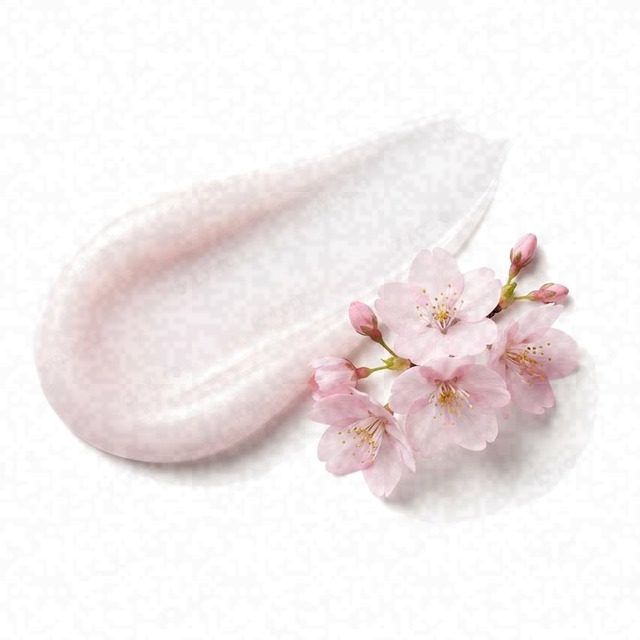 Prunus Serrulata Flower Extract
 Aloe Barbadensis Leaf Extract
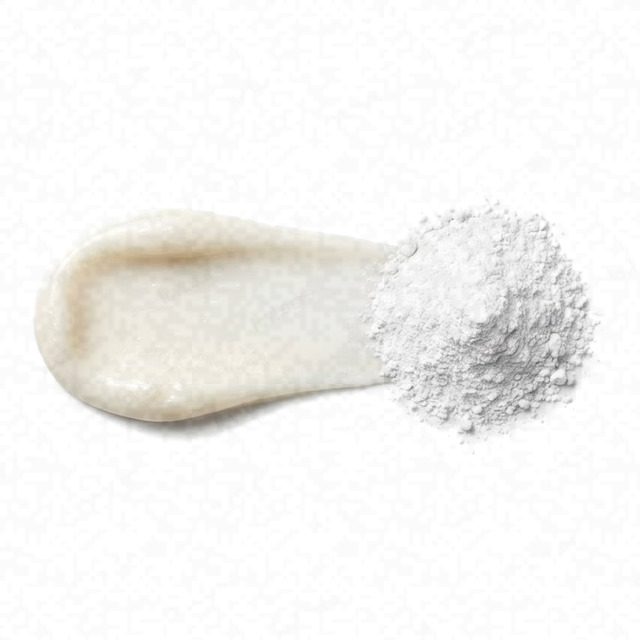 Titanium Dioxide
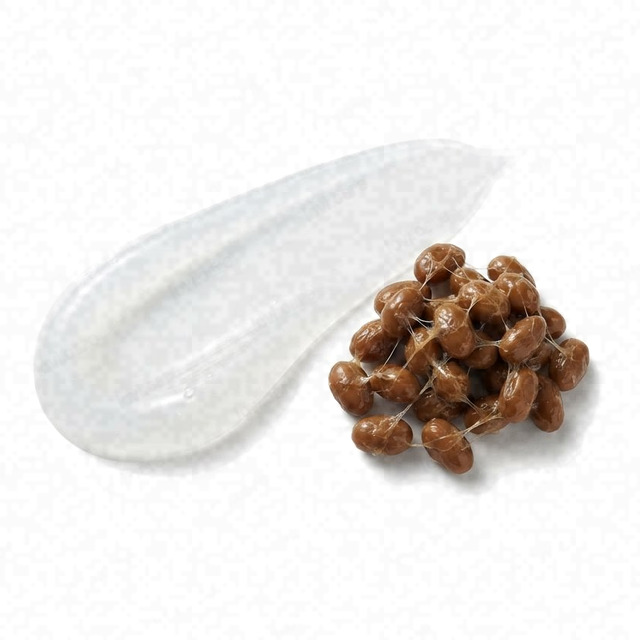 Polyglutamic Acid
Superior
- HighCombination Skin Fit
- HighEffectiveness
- HighSafety
One of the best products for acne-prone skin.
This fit is calculated for the concerns frequently associated with acne-prone skin: breakouts, blackheads, and post-acne marks. For scores and recommendations based on your full skin profile, including your 12D face scan results and any goals or preferences you have, please use the Lovi app.
Page built Nov 8, 2026How the Fit score works
Lovi Assistant explains
- Excellent compatibility with your combination skin, as niacinamide helps regulate sebum in oily areas and glycerin provides hydration for drier zones, while also offering tone correction and mild support for acne and blemishes.
- The inclusion of Prunus Serrulata Flower Extract and various botanical extracts further enhances the soothing and brightening effects, complementing your goal of managing breakouts.
- The product is safe for your skin, containing no harsh or prohibited ingredients that would cause irritation.
People Say
★4.5Overall rating based on 36.0k+ reviewsBased on a very large amount of data, users consistently praise this cream for its ability to instantly brighten dull complexions and even out skin tone with a natural, "no-makeup" finish that doesn't look ashy. It is celebrated for its lightweight, non-sticky texture that works well on sensitive skin, though those with dry skin types often note it requires a well-moisturized base to prevent clinging to dry patches.
Highlights
Natural brightening Mostly Mentioned
- “complexion look about two tones lighter”
- “perfect for a bare-faced look”
- “natural brightening effect that I love”
Lightweight texture Often Mentioned
- “lotion-like soft texture”
- “non-sticky finish”
- “blends easily and provides hydration”
Long-lasting wear Sometimes Noted
- “effect lasts all day”
- “water and sweat proof”
- “doesn't smudge on the mask”
Versatile application Sometimes Noted
- “use it on your elbows, armpits”
- “mix it with foundation”
- “lighten up makeup products”
Clings to dry patches Sometimes Noted
- “emphasize flaky patches”
- “dry out the skin”
- “settle into fine lines”
Potential white cast Sometimes Noted
- “unnatural grey or white cast”
- “makes your skin whiter”
- “strongest tone-up... need small amount”
Separation on oily skin Rarely Noted
- “separation where I'm oiliest”
- “lifting around the cheek area”
- “clumpy... doesn't absorb smoothly”
Sources: lovi.care, oliveyoung.com, iherb.com, yesstyle.com, pickyskincare.com, hwahae.co.kr, and more
Questions and answers
What makes COSNORI Whitening Dress Tone-up Cream one of the best fits for acne-prone skin?
This cream is a great fit because niacinamide helps balance oil while glycerin keeps your skin hydrated without clogging pores. Botanical extracts and aloe vera soothe the skin and offer mild support for managing breakouts safely.
Clinical, Cosmetic and Investigational Dermatology, 2017The British Journal of Dermatology, 2002
Which ingredients make this cream a good fit for acne-prone skin?
This cream is a great fit for your acne-prone skin because niacinamide helps balance oil and soothe breakouts, while glycerin keeps your skin hydrated without clogging pores. Niacinamide also helps brighten dark spots left by blemishes, and soothing botanical extracts help calm irritated skin.
Clinical, Cosmetic and Investigational Dermatology, 2017The British Journal of Dermatology, 2002
What does Niacinamide do for acne-prone skin?
Niacinamide helps acne-prone skin by reducing both inflamed and uninflamed breakouts and calming redness. It is also very helpful for keeping oily skin balanced by cutting down on excess oil production, and it is well tolerated by most people.
What does Cherry Blossom Extract do for acne-prone skin?
Cherry blossom extract helps calm red and irritated acne-prone skin because it has soothing properties. It is unlikely to clog pores and may help keep your skin looking clear and comfortable.
Where does this cream go in a skincare routine for acne-prone skin?
This tinted moisturizer goes in the morning routine after your moisturizer and before your SPF. It is very well suited for acne-prone skin, as niacinamide helps keep oil in check and botanical extracts soothe breakouts without causing irritation.
International Journal of Cosmetic Science, 2020The British Journal of Dermatology, 2002
Can I use this cream with retinol, and in what order?
You can use this tone-up cream alongside your retinol by applying the cream after your retinol has fully absorbed, or by using it as a daytime tinted moisturizer while saving retinol for your evening routine. This helps keep your skin comfortable and hydrated while managing breakouts, as the formula is safe and free of harsh ingredients that could add extra irritation.
How often should I use this cream?
This cream is well suited for acne-prone skin and can be used daily as part of your makeup routine to help brighten tone and manage breakouts.
Can this cream clog pores, cause breakouts or purging for acne-prone skin?
This cream is unlikely to clog pores or cause breakouts on acne-prone skin because it contains no harsh or prohibited ingredients that trigger irritation. Niacinamide helps regulate oil, while glycerin keeps skin hydrated, and soothing extracts gently support blemish management.
Clinical, Cosmetic and Investigational Dermatology, 2017The British Journal of Dermatology, 2002
Is this cream fragrance-free and alcohol-free?
Yes, it has no fragrance and no drying alcohol.
What the research says
A single application of a moisturizing fluid containing hyaluronic acid 1%, glycerin 5%, and Centella asiatica stem cells extract significantly increased skin hydration by 29% and reduced transepidermal water loss at 24 hours compared to baseline and an untreated control site in twenty healthy women.
Clinical, Cosmetic and Investigational Dermatology, 2017Niacinamide significantly decreased hyperpigmentation and increased skin lightness compared with vehicle alone after 4 weeks of use in women by inhibiting melanosome transfer.
The British Journal of Dermatology, 2002Topical post-laser application of human adipocyte-derived mesenchymal stem cell media combined with niacinamide significantly improved wrinkle index, melanin index, patient satisfaction, and investigator esthetic improvement scores compared to vehicle cream in patients with aging skin.
Journal of Cosmetic Dermatology, 2021Topical nicotinamide prevented solar-simulated UV-induced immunosuppression in healthy volunteers, and men experienced immunosuppression at solar-simulated UV doses three times lower than those required for women.
The Journal of Investigative Dermatology, 2008Topical 5% niacinamide applied twice daily for 12 weeks reduced fine lines and wrinkles, hyperpigmented spots, red blotchiness, and skin sallowness, and improved skin elasticity compared to vehicle control in 50 female white subjects with facial photoaging.
Dermatologic Surgery, 2005Cherry blossom extract reduced nitric oxide production by 31.83% in vitro and decreased visual scores and erythema values compared to placebo in volunteers with sodium lauryl sulphate-induced skin irritation.
International Journal of Cosmetic Science, 2014Cherry blossom extract at 1, 10, and 100 μg mL-1 increased type-I procollagen in UVB-irradiated normal human dermal fibroblasts by downregulating MAPK/AP-1 to reduce MMP-1 and MMP-3, upregulating TGF-βI/Smad, and facilitating Nrf2/ARE nuclear translocation.
Photochemistry and Photobiology, 2018Cherry blossom extract protects HaCaT cells from UVB-induced oxidative stress and apoptosis by reducing reactive oxygen species, malondialdehyde, DNA damage, and pro-apoptotic protein expression while increasing antioxidant enzyme activities and Bcl-2 expression.
Cytotechnology, 2019A cream combining propolis, tea tree oil, and Aloe vera reduced erythema scars, acne severity index, and total lesion count better than erythromycin cream in sixty patients with mild to moderate acne vulgaris compared to placebo.
Clinical Pharmacology, 2018Topical aloe vera gel significantly accelerated split-thickness skin graft donor-site healing compared to placebo in 12 patients, but showed no significant difference in pain relief.
Plastic and Reconstructive Surgery, 2018Topical application of Aloe vera cream reduced postoperative pain at rest and during defecation, accelerated wound healing at two weeks, and decreased analgesic requirements in patients after open hemorrhoidectomy compared to placebo.
Journal of Alternative and Complementary Medicine, 2010Microfine titanium dioxide does not penetrate human skin when formulated in an oil-in-water emulsion with the pigment dispersed in the aqueous phase, compared to oily dispersions and liposomal encapsulation which allow deeper skin penetration.
International Journal of Cosmetic Science, 2000Replacing microsized titanium dioxide and zinc oxide with nanoparticles in sunscreens eliminates opaqueness and alters UV protection balance while inducing (photo)cyto- and genotoxicity and penetrating viable skin layers during long-term exposures.
Nanotechnology, Science and Applications, 2011Microfine zinc oxide and titanium dioxide do not penetrate the stratum corneum of porcine skin in vitro, indicating that their use in sunscreens does not pose a health risk from internal exposure.
Toxicology in Vitro, 2006Curcumin-loaded polyglutamic acid and gum arabic electrospun nanofibers accelerated wound healing, increased TGF-beta1 and VEGF expression, reduced inflammatory factors, and enhanced re-epithelialization and tissue regeneration in a mouse model with acute full-thickness skin defects.
International Journal of Biological Macromolecules, 2024Polyglutamic acid and polylysine composite hydrogels promote wound repair and hemostasis through high water absorption, bioadhesion, calcium ion-mediated coagulation factor activation, and inherent antibacterial properties in a deep skin defect model.
Macromolecular Bioscience, 2021
Ingredients
Prunus Serrulata Flower Extract, Butylene Glycol, Cyclopentasiloxane, Cyclohexasiloxane, Titanium Dioxide, Niacinamide, 1,2-Hexandiol, Cetyl Peg Ppg-10 1 Dimethicone, Glycerin, Sodium Chloride, Dimethicone, Dimethicone Vinyl Dimethicone Crosspolymer, Aloe Barbadensis Leaf Extract, Aluminium Hydroxide, Triethoxycaprylylsilane, Polyglutamic Acid, Lemon Peel Oil, Grapefruit Peel Oil, Rosmarinus Officinalis Oil Leaf Rosemary Oil Leaf, Lavandula Angustifolia Oil Lavender Oil, Pelargonium Graveolens Oil Flower, Disodium Edta, Tocopheryl Acetate, Zanthoxylum Piperitum Fruit Extract, Usnea Barbata Extract, Pulsatilla Koreana Extract
Behind this fit score
Lovi calculates every fit score from the full ingredient list with brand-independent rules our dermatologists and cosmetic chemists build and review, and personalizes every pick with AI trained on the real results of millions of users. Lovi trains its fit score models on a proprietary dataset built from more than 10,000 expert-labeled products and more than 100,000 simulated examples, following an internally consistent methodology presented at Cosmoprof, AMWC, and Skin of Color Update.
-

Co-founder, Medical Director
Cosmetic chemist, cosmetologist, aesthetic products developer
-

Co-founder, CEO and CTO
PhD in computer science, 3x US patent holder, ex-Google, ex-Yandex
-

Dr. Sofía Perea Pérez, MD, MSc
Medical Board
Aesthetic medicine practitioner, MSc in Longevity and Anti-Aging Medicine
-

Medical Board
Specialist dermatologist, MBBS, MD, IFAAD
-

Medical Board
Cosmetic chemist, SCS, IFSCC member
-

Medical Board, Medical Advisor
Dermatology MD
-

Elina Nazarenko, MD
Medical Board
Dermatology and diagnostic consultant
-

Victoria Derkova, MS
Medical Board
Cosmetic chemist, cosmetic development technologist


How does it fit your skin?
Scan your face, then any product: Lovi shows how well it fits you and what fits even better.