CNP Laboratory Propolis Moisture Sun for acne-prone skin

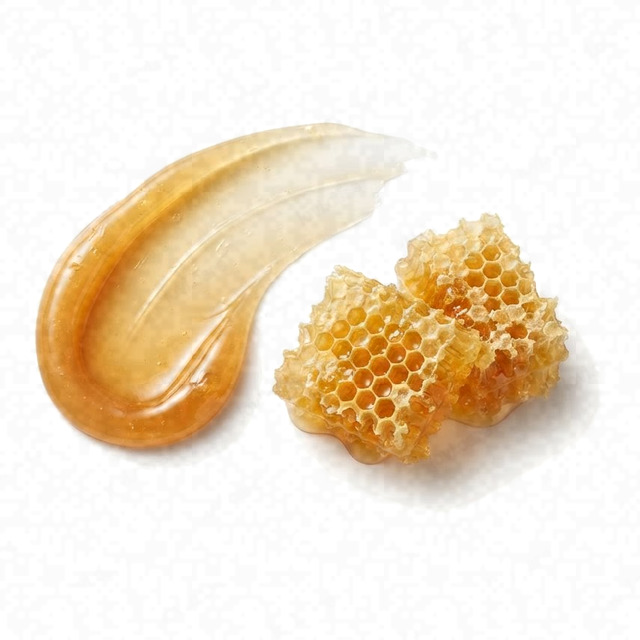 Propolis Extract
 Niacinamide
 Glycerin
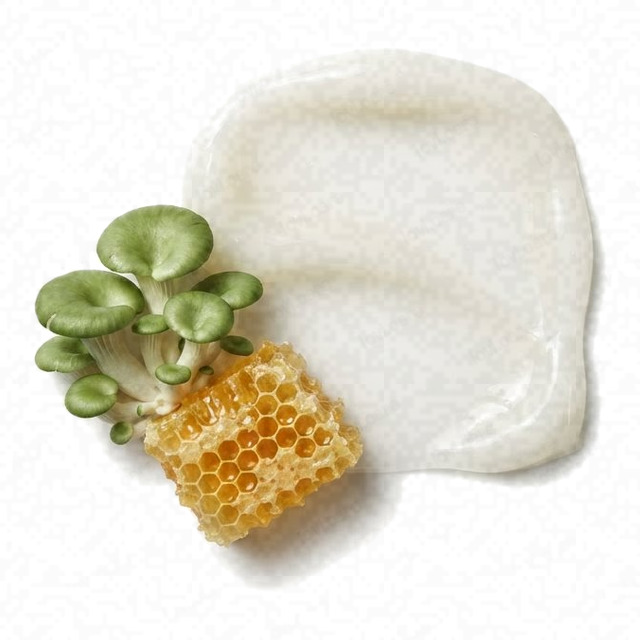 Panthenol
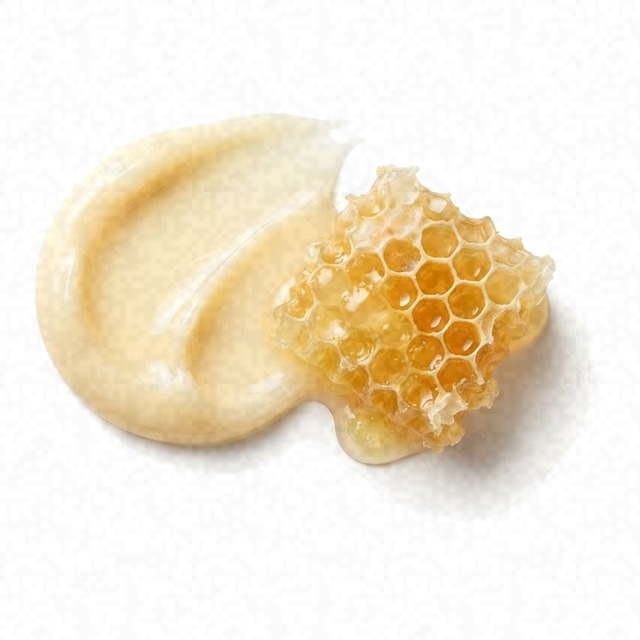 Royal Jelly Extract
High
- HighCombination Skin Fit
- HighEffectiveness
- HighSafety
A great choice for acne-prone skin; a few sunscreens fit it even better.
This fit is calculated for the concerns frequently associated with acne-prone skin: breakouts, blackheads, and post-acne marks. For scores and recommendations based on your full skin profile, including your 12D face scan results and any goals or preferences you have, please use the Lovi app.
Page built Nov 8, 2026How the Fit score works
Lovi Assistant explains
- This product offers excellent moisturizing and UV protection for your combination skin, with glycerin and trehalose providing hydration while UV filters ensure effective sun defense.
- Niacinamide and propolis extract offer moderate anti-inflammatory and antimicrobial benefits, supporting your concerns with acne, blemishes, and breakouts.
- The formula is safe for your skin, as it contains no harsh ingredients and poses no irritation risks.
How to apply
- Apply this moisturizing sunscreen AM every morning as the final step of your daily routine.
- Layer the moisturizing sunscreen after your moisturizer has fully absorbed, right before heading out into the sun .
- Smooth a nickel-sized amount of the moisturizing sunscreen evenly over your face, avoiding harsh rubbing.
- Apply the moisturizing sunscreen onto clean, dry skin to ensure even coverage and protection.
- Perform a patch test before first use and avoid direct contact with the eyes.
People Say
★4.8Overall rating based on 100+ reviewsBased on limited data, this sunscreen is highly regarded for its exceptional hydration, functioning more like a moisturizing ampoule. It provides a rich, glowing finish that is particularly beneficial for dry or dehydrated skin types. Some users with oily skin may find it too dewy, and a moderate number of reviews mention the presence of fragrance in the formula.
Highlights
Deeply moisturizing Mostly Mentioned
- “Absolute hydration superstar”
- “moisture care that does not dry out”
- “works hard to keep skin feeling plump”
Elegant texture Often Mentioned
- “Magical texture”
- “leaves a silky finish”
- “glides on the skin beautifully”
No white cast Often Mentioned
- “Doesn't leave any white cast”
- “absorbs so well”
- “no cloudiness”
Glowing appearance Sometimes Noted
- “Moisture vitality that shines”
- “glowing and no oil”
- “healthy-looking complexion”
Makeup compatible Sometimes Noted
- “Works beautifully under make-up”
- “makeup applied better”
- “sits SO well under makeup”
Contains fragrance Sometimes Noted
- “Contains fragrance”
- “overwhelmingly strong lemon scent”
Not for oily Sometimes Noted
- “Might feel a bit rich for some”
- “too shiny/dewy”
- “better for dry skin”
Not waterproof Rarely Noted
- “Daily sun gel”
- “skeptical about sun protection [in water]”
- “better suited for everyday”
Price per volume Rarely Noted
- “Runs out quite quickly”
- “ridiculously expensive”
- “price isn't exactly cheap”
Sources: lovi.care, ballagrio.com, yesstyle.com, reddit.com, hwahae.co.kr, dodoskin.com, and more
Questions and answers
What makes CNP Propolis Moisture Sun a great fit for acne-prone skin?
This sunscreen is a great fit because it hydrates with glycerin and trehalose while shielding against UV rays. It also includes niacinamide and propolis extract, which help calm breakouts and support acne-prone skin safely without irritation risks.
Skin Research and Technology, 2024Clinical, Cosmetic and Investigational Dermatology, 2017
Which ingredients make this sunscreen a good fit for acne-prone skin?
Niacinamide and propolis extract make this sunscreen a great fit for acne-prone skin because they offer moderate anti-inflammatory and antimicrobial benefits that help calm breakouts and blemishes. Glycerin and trehalose add comfortable hydration while UV filters protect your skin without causing irritation.
Skin Research and Technology, 2024Clinical, Cosmetic and Investigational Dermatology, 2017
What does Propolis Extract do for acne-prone skin?
Propolis Extract helps calm angry breakouts and clears up acne-prone skin by fighting the bacteria that cause pimples and reducing redness. It may also fade red marks left behind by past breakouts, though this type of skin often needs ingredients that gently unclog pores and balance oil to stay clear.
Clinical Pharmacology, 2018Pharmaceutical Development and Technology, 2022
What does Niacinamide do for acne-prone skin?
Niacinamide helps acne-prone skin by reducing both inflamed and uninflamed breakouts and calming redness. It is also very helpful for keeping oily skin balanced by cutting down on excess oil production, and it is well tolerated by most people.
Where does this sunscreen go in a skincare routine for acne-prone skin?
This moisturizing sunscreen goes on as the last step of your morning skincare routine, right after your moisturizer. It provides effective sun defense while keeping your skin hydrated and calm throughout the day.
Can I use this sunscreen with retinol, and in what order?
You can use this sunscreen in the morning as the final step of your routine, after your retinol and moisturizer have absorbed. This product is unlikely to irritate your skin while providing essential sun defense and hydration.
How often should I use this sunscreen?
This moisturizing sunscreen is suitable for daily morning use to provide continuous hydration and UV protection. Its formula contains ingredients that help soothe acne-prone skin without causing irritation.
Can this sunscreen clog pores, cause breakouts or purging for acne-prone skin?
This sunscreen is a great fit for acne-prone skin because it contains propolis extract and niacinamide, which help calm breakouts and soothe redness. The formula has no harsh ingredients, meaning it is unlikely to cause irritation or clog pores.
Is this sunscreen fragrance-free and alcohol-free?
It contains fragrance (limonene, citronellol, geraniol, linalool, and citral) and drying alcohol (alcohol denat and ethanol).
What the research says
Sodium trehalose sulfate decreased transepidermal water loss and increased stratum corneum water content in participants with low stratum corneum water content when applied for 4 weeks compared to placebo.
Skin Research and Technology, 2024A single application of a moisturizing fluid containing hyaluronic acid 1%, glycerin 5%, and Centella asiatica stem cells extract significantly increased skin hydration by 29% and reduced transepidermal water loss at 24 hours compared to baseline and an untreated control site in twenty healthy women.
Clinical, Cosmetic and Investigational Dermatology, 2017A cream combining propolis, tea tree oil, and Aloe vera reduced erythema scars, acne severity index, and total lesion count better than erythromycin cream in sixty patients with mild to moderate acne vulgaris compared to placebo.
Clinical Pharmacology, 2018Topical dexpanthenol acts as a moisturizer, improves stratum corneum hydration, accelerates wound healing and epidermal regeneration, reduces erythema, and improves symptoms of skin irritation compared to vehicle or no pretreatment.
American Journal of Clinical Dermatology, 2002Topical propolis application significantly reduced postoperative pain, hemorrhage, and accelerated wound healing in patients undergoing tonsillectomy compared to a control group.
Clinical and Experimental Otorhinolaryngology, 2018Topical treatment with ethanol propolis extract resulted in complete mycological and clinical cure in 56.25% of patients with onychomycosis, demonstrating non-toxicity and effective antifungal activity against Trichophyton spp. both in vitro and in patients.
Frontiers in Microbiology, 2018Topical hydrogel formulations containing hydroalcoholic extract of red propolis exhibited stability, non-Newtonian and pseudoplastic behavior, in vivo skin compatibility, and no skin irritancy.
Heliyon, 2022Topical post-laser application of human adipocyte-derived mesenchymal stem cell media combined with niacinamide significantly improved wrinkle index, melanin index, patient satisfaction, and investigator esthetic improvement scores compared to vehicle cream in patients with aging skin.
Journal of Cosmetic Dermatology, 2021Topical nicotinamide prevented solar-simulated UV-induced immunosuppression in healthy volunteers, and men experienced immunosuppression at solar-simulated UV doses three times lower than those required for women.
The Journal of Investigative Dermatology, 2008Topical 5% niacinamide applied twice daily for 12 weeks reduced fine lines and wrinkles, hyperpigmented spots, red blotchiness, and skin sallowness, and improved skin elasticity compared to vehicle control in 50 female white subjects with facial photoaging.
Dermatologic Surgery, 2005The emollient V0034CR significantly reduced TEWL compared to vehicle and vehicle plus glycerol, and significantly increased corneometry scores compared to vehicle and vehicle plus petrolatum in healthy volunteers with dry skin, demonstrating combined barrier function improvement from petrolatum and hydration improvement from glycerol.
Journal of Cosmetic Dermatology, 2020Ten days of treatment with a cream containing 20% glycerin significantly increased skin hydration measured by corneometer values in 17 healthy volunteers compared to a placebo cream, but showed no influence on transepidermal water loss or skin sensitivity to an irritating surfactant.
International Journal of Cosmetic Science, 2001Niacinamide/glycerin body moisturizers provided better rapid and prolonged improvement of cosmetic xerosis through functional improvement of stratum corneum barrier function compared to no treatment and conventional moisturizers in female subjects.
Journal of Drugs in Dermatology, 2012Moisturizer containing 5% panthenol, madecassoside, and copper-zinc-manganese decreased adverse reactions and downtime after ablative fractional carbon dioxide laser resurfacing with comparable efficacy to 0.02% triamcinolone acetonide cream in 20 subjects.
Journal of Cosmetic Dermatology, 2019Topical dexpanthenol formulated in lipophilic vehicles improved stratum corneum hydration and reduced transepidermal water loss compared to vehicle control in humans.
Arzneimittel-Forschung, 2000Hyaluronic acid, hyaluronic acid plus dexpanthenol, and isotonic saline nasal sprays all significantly improved dry nose symptoms over four weeks in 240 patients, with hyaluronic acid plus dexpanthenol providing superior nasal moisturisation compared to the other two.
Auris, Nasus, Larynx, 2020Applying an essence containing royal jelly extract significantly increased the stratum corneum water content of the cheeks compared to placebo in healthy Japanese adults over 4 weeks.
Journal of Cosmetic Dermatology, 2022A prototype body cream containing bee venom, propolis, honey, beeswax, and royal jelly demonstrated stability for 90 days, high antioxidant capacity of 85.45%, lack of cytotoxicity with over 70% cell viability, and no irritation or allergic reaction in dermatological analysis, while improving skin parameters in a panel test.
Journal of Cosmetic Dermatology, 2022Royal jelly protects against epidermal stress caused by UVB and menadione through the upregulation of NQO1 expression by its active compound 10-hydroxy-2-decenoic acid.
International Journal of Molecular Sciences, 2021
Ingredients
Water, Ethylhexyl Methoxycinnamate, Alcohol Denat, Propanediol, Phenethyl Benzoate, Tromethamine, Drometrizole Trisiloxane, Terephthalylidene Dicamphor Sulfonic Acid, Diisopropyl Sebacate, Glycerin, Niacinamide, Phenylbenzimidazole Sulfonic Acid, Polyglyceryl-3 Distearate, Dimethicone, 1,2-Hexanediol, Bis-Ethylhexyloxyphenol Methoxyphenyl Triazine, Lauroyl Lysine, Panthenol, Ethylhexyl Triazone, Butylene Glycol, Cetearyl Alcohol, Glyceryl Stearate Se, Polyglyceryl-3 Methylglucose Distearate, Polysilicone-11, Polyamide-8, Acrylates C10-30 Alkyl Acrylate Crosspolymer, Glyceryl Stearate Citrate, Allantoin, Carbomer, Sodium Stearoyl Glutamate, Succinoglycan, Nutmeg Extract, Adenosine, Xanthan Gum, Propolis Extract, Trisodium Edta, Trehalose, Ethanol, Caprylyl Glycol, Decyl Glucoside, Honey Extract, Pentaerythrityl Tetra-Di-T-Butyl Hydroxyhydrocinnamate, Royal Jelly Extract, Beta-Glucan, Codonopsis Lanceolata Root Extract, Ficus Carica Fruit Extract, Melissa Officinalis Leaf Extract, Punica Granatum Extract, Limonene, Citronellol, Geraniol, Linalool, Citral
Behind this fit score
Lovi calculates every fit score from the full ingredient list with brand-independent rules our dermatologists and cosmetic chemists build and review, and personalizes every pick with AI trained on the real results of millions of users. Lovi trains its fit score models on a proprietary dataset built from more than 10,000 expert-labeled products and more than 100,000 simulated examples, following an internally consistent methodology presented at Cosmoprof, AMWC, and Skin of Color Update.
-

Co-founder, Medical Director
Cosmetic chemist, cosmetologist, aesthetic products developer
-

Co-founder, CEO and CTO
PhD in computer science, 3x US patent holder, ex-Google, ex-Yandex
-

Dr. Sofía Perea Pérez, MD, MSc
Medical Board
Aesthetic medicine practitioner, MSc in Longevity and Anti-Aging Medicine
-

Medical Board
Specialist dermatologist, MBBS, MD, IFAAD
-

Medical Board
Cosmetic chemist, SCS, IFSCC member
-

Medical Board, Medical Advisor
Dermatology MD
-

Elina Nazarenko, MD
Medical Board
Dermatology and diagnostic consultant
-

Victoria Derkova, MS
Medical Board
Cosmetic chemist, cosmetic development technologist


How does it fit your skin?
Scan your face, then any product: Lovi shows how well it fits you and what fits even better.