Clear Essence Medicated Fade Crème for sensitive skin

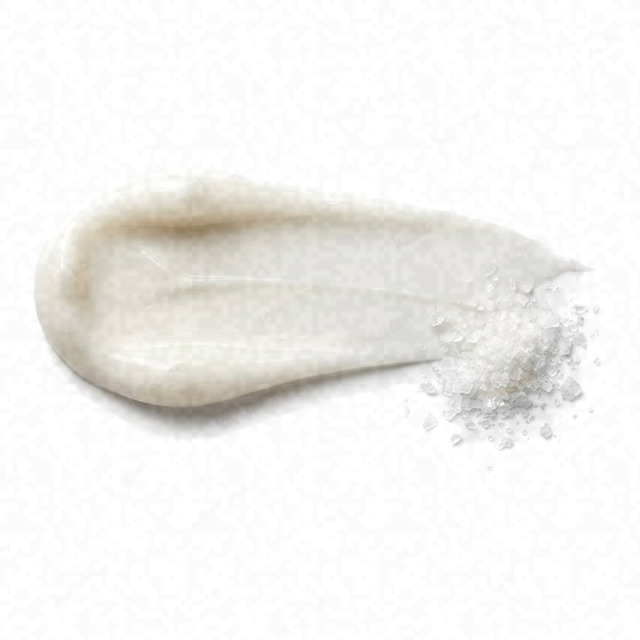 Hydroquinone
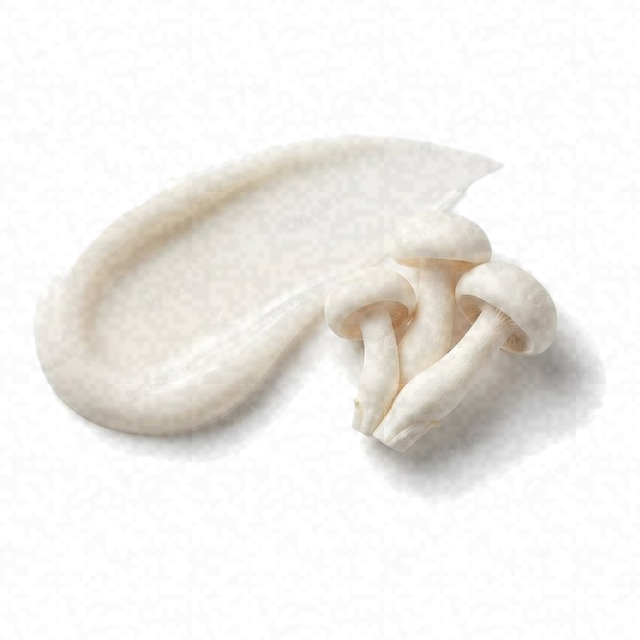 Kojic Acid
 Ascorbic Acid
 Niacinamide
High
- HighNormal Skin Fit
- AverageEffectiveness
- HighSafety
A great choice for sensitive skin; a few sunscreens fit it even better.
This fit is calculated for the concerns frequently associated with sensitive skin: redness, stinging, and reactions to new products. For scores and recommendations based on your full skin profile, including your 12D face scan results and any goals or preferences you have, please use the Lovi app.
Page built Nov 8, 2026How the Fit score works
Lovi Assistant explains
- Highly suitable for normal skin due to the presence of Glyceryl Stearate, Cetyl Alcohol, and Stearic Acid, which provide emollient action to smooth intercellular lipids and support the skin barrier, though it lacks specialized ingredients to address your redness and irritation.
- The inclusion of Octinoxate offers excellent sun protection, shielding your skin from UV damage, while the absence of harsh ingredients ensures no irritation for your sensitive skin.
- The safety profile is excellent, with no risks of irritation for your sensitive skin due to the absence of prohibited or harsh ingredients.
How to apply
- Apply this moisturizing sunscreen AM daily as the final step of your morning routine. Always reapply every two hours when exposed to the sun.
- Apply after your regular moisturizer and before makeup. This product combines hydration and sun protection in one easy step.
- Gently smooth a nickel-sized amount evenly across your face and neck. Avoid rubbing harshly to keep sensitive skin calm.
- Apply the moisturizing sunscreen to clean , dry skin for the best protection. Let it absorb ⏱ fully before stepping outside.
- Avoid direct contact with your eyes. Do a patch test before your first use since your skin is sensitive.
Questions and answers
What makes Clear Essence Medicated Fade Crème a great fit for sensitive skin?
Clear Essence Medicated Fade Crème is a great fit for sensitive skin because it relies on gentle ingredients that are unlikely to cause irritation. It also includes sun protection to shield your skin from UV damage without triggering sensitivity.
International Journal of Nanomedicine, 2013Journal of Cosmetic Science, 2008
Which ingredients make this cream a good fit for sensitive skin?
This cream is a great fit for sensitive skin because it contains cetyl alcohol, stearic acid, and glyceryl stearate to smooth and support your skin barrier, alongside octinoxate for sun protection without harsh irritation.
What does Hydroquinone do for sensitive skin?
Hydroquinone is unlikely to be a good fit for sensitive skin because it may easily trigger skin irritation, redness, and inflammatory reactions. Sensitive skin of this type needs gentle brightening ingredients like polyhydroxy acids or Rumex occidentalis to help lighten dark spots safely.
What does Kojic Acid do for sensitive skin?
Kojic acid may help fade dark spots, but it is less than ideal for sensitive skin because it carries a notable risk of irritation and contact allergy. To treat dark spots safely on sensitive skin, a product needs gentle brightening ingredients like niacinamide or arbutin along with soothing agents to keep the skin calm and comfortable.
Where does this cream go in a skincare routine for sensitive skin?
Clear Essence Medicated Fade Crème goes in the morning routine as a moisturizing spf after cleansing and a soothing toner. It shields your skin from UV damage while smoothing intercellular lipids, and is unlikely to cause irritation.
International Journal of Nanomedicine, 2013Journal of Cosmetic Science, 2008
Can I use this cream with retinol, and in what order?
You can use this cream in the morning as your sun protection step alongside retinol, but apply your retinol at night to avoid mixing it with the active ingredients in this daytime formula. This product is unlikely to irritate your sensitive skin because it lacks harsh ingredients and offers good sun protection.
How often should I use this cream?
You can use this moisturizing spf every morning as part of your daytime routine. It provides sun protection and keeps your skin comfortable without causing irritation.
Can this cream clog pores, cause breakouts or purging for sensitive skin?
This cream is unlikely to clog pores or cause breakouts for your sensitive skin because it lacks harsh ingredients and has a very safe formula. It helps protect your skin from sun damage while keeping your face feeling smooth.
Is this cream fragrance-free and alcohol-free?
Yes, it has no fragrance and no drying alcohol. Cetyl alcohol is a fatty alcohol, which soften the skin.
What the research says
Sodium dodecyl sulfate treatment disrupts the ordered intercellular lipid lamellar structure in hairless mouse stratum corneum, and immersion in a ceramide 3, cholesterol, and stearic acid mixture successfully reorganizes this ordered lamellar structure.
Biophysical Chemistry, 2001A soap-free cleansing lotion containing cetyl alcohol and sodium cocoyl apple amino acids reduced skin surface impurities and improved skin hydration, barrier function, and skin tone in 27 healthy adult subjects over 30 days.
Cureus, 2025Liposomal encapsulation of octyl methoxycinnamate increases its safety, skin affinity, and in vivo solar photoprotection factor while slowing its release and enhancing retention in the stratum corneum compared to a conventional formulation.
International Journal of Nanomedicine, 2013Multilamellar liposomes containing octyl methoxycinnamate increased stratum corneum accumulation and reduced deeper skin penetration compared to conventional emulsions and small unilamellar liposomes in six volunteers, resulting in a slightly better sun protection factor.
Journal of Cosmetic Science, 2008TFC-1067 and 2% hydroquinone both significantly lightened facial dyschromia after 8 and 12 weeks in 48 healthy female subjects, but only hydroquinone also lightened normal skin.
Journal of Cosmetic Dermatology, 2020A topical formulation containing kojic acid, emblica extract, and glycolic acid demonstrated efficacy parity compared with hydroquinone 4% in multiethnic participants with mild to moderate facial dyschromia.
Cutis, 2010A nanoemulsion containing 1 mg/mL kojic dipalmitate and 5% rosehip oil demonstrated high incorporation efficiency, suitable physicochemical stability, antioxidant and depigmenting efficacy close to 1 mM ascorbic acid, and no cytotoxicity at concentrations from 0.06% to 1% in vitro.
Pharmaceutics, 2023Topical application of iron chelators kojic acid and deferiprone significantly accelerated wound healing in rats compared to control groups, with deferiprone showing superior efficacy due to higher antioxidant and iron chelation abilities.
International Wound Journal, 2013Topical application of 5% vitamin C cream significantly improved global clinical scores, increased skin microrelief density, and induced elastic tissue repair in photoaged skin compared to excipient control in healthy female volunteers.
Experimental Dermatology, 2003Ascorbic acid 2-glucoside gel significantly reduced gingival melanin pigmentation after 4 weeks compared to placebo in 73 subjects with symmetric pigmentation.
Journal of Periodontology, 2009Topical application of VC-IP cream twice daily for 8 weeks reduces periorbital wrinkles in female subjects compared to a placebo cream.
Journal of Cosmetic Dermatology, 2022Topical post-laser application of human adipocyte-derived mesenchymal stem cell media combined with niacinamide significantly improved wrinkle index, melanin index, patient satisfaction, and investigator esthetic improvement scores compared to vehicle cream in patients with aging skin.
Journal of Cosmetic Dermatology, 2021Topical nicotinamide prevented solar-simulated UV-induced immunosuppression in healthy volunteers, and men experienced immunosuppression at solar-simulated UV doses three times lower than those required for women.
The Journal of Investigative Dermatology, 2008Topical 5% niacinamide applied twice daily for 12 weeks reduced fine lines and wrinkles, hyperpigmented spots, red blotchiness, and skin sallowness, and improved skin elasticity compared to vehicle control in 50 female white subjects with facial photoaging.
Dermatologic Surgery, 2005
Ingredients
Hydroquinone, Octinoxate, Glyceryl Stearate, Cetyl Alcohol, Stearic Acid, Propylene Glycol, Sodium Metabisulfite, Sodium Sulfite, Methylparaben, Propylparaben, Water
Behind this fit score
Lovi calculates every fit score from the full ingredient list with brand-independent rules our dermatologists and cosmetic chemists build and review, and personalizes every pick with AI trained on the real results of millions of users. Lovi trains its fit score models on a proprietary dataset built from more than 10,000 expert-labeled products and more than 100,000 simulated examples, following an internally consistent methodology presented at Cosmoprof, AMWC, and Skin of Color Update.
-

Co-founder, Medical Director
Cosmetic chemist, cosmetologist, aesthetic products developer
-

Co-founder, CEO and CTO
PhD in computer science, 3x US patent holder, ex-Google, ex-Yandex
-

Dr. Sofía Perea Pérez, MD, MSc
Medical Board
Aesthetic medicine practitioner, MSc in Longevity and Anti-Aging Medicine
-

Medical Board
Specialist dermatologist, MBBS, MD, IFAAD
-

Medical Board
Cosmetic chemist, SCS, IFSCC member
-

Medical Board, Medical Advisor
Dermatology MD
-

Elina Nazarenko, MD
Medical Board
Dermatology and diagnostic consultant
-

Victoria Derkova, MS
Medical Board
Cosmetic chemist, cosmetic development technologist


How does it fit your skin?
Scan your face, then any product: Lovi shows how well it fits you and what fits even better.