Bliss Micro Magic Skin-Renewing Microdermabrasion Scrub for acne-prone skin

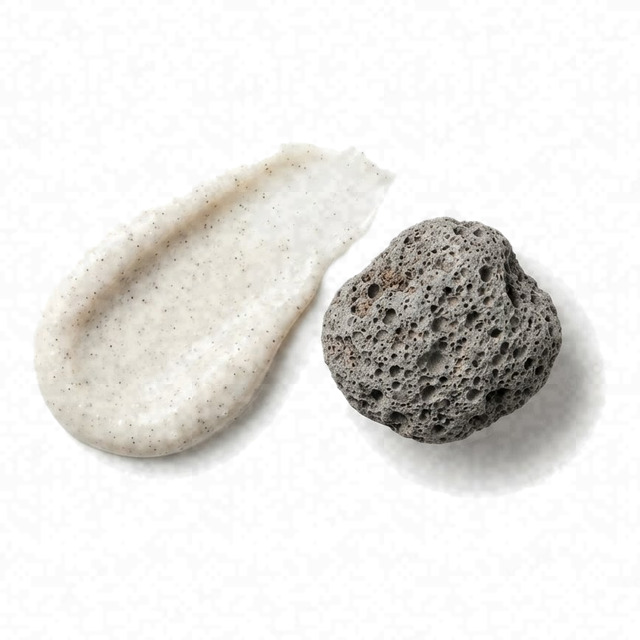 Pumice
 Aloe Barbadensis Leaf Juice
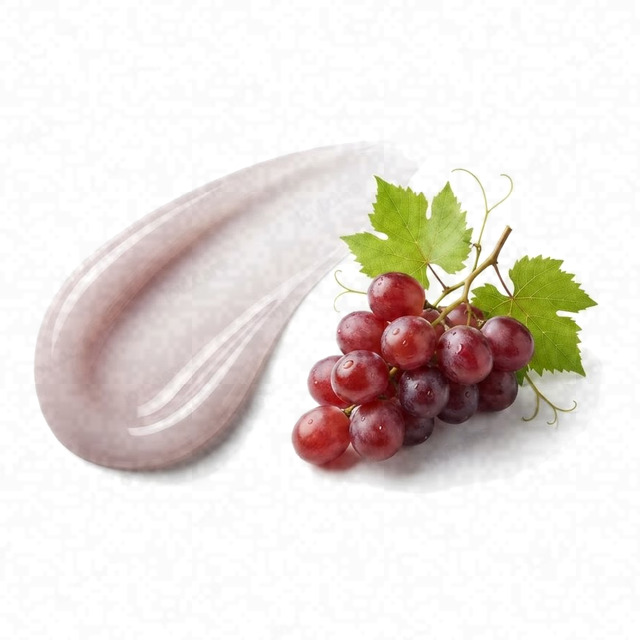 Vitis Vinifera Seed Extract Grape Seed Extract
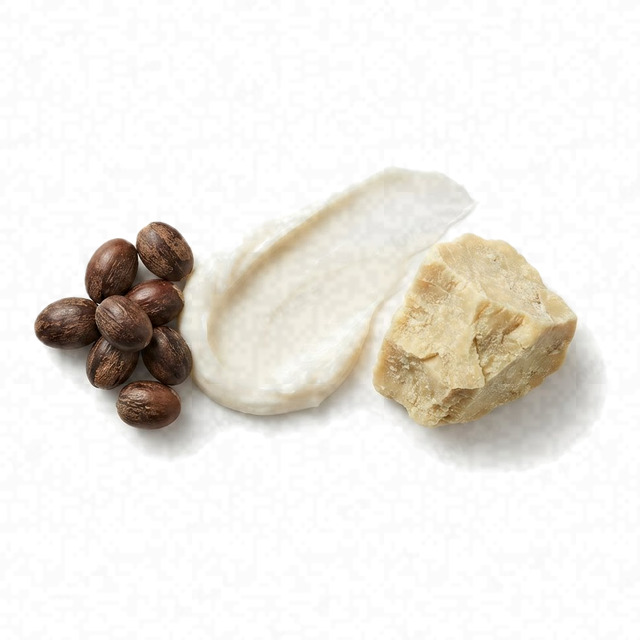 Butyrospermum Parkii Butter Shea Butter
 Tocopherol Vitamin E
Average
- AverageCombination Skin Fit
- AverageEffectiveness
- HighSafety
Works for acne-prone skin; other products fit it better.
- Giornale Italiano Di Dermatologia E Venereologia, 2015
- International Journal of Cosmetic Science, 2015
This fit is calculated for the concerns frequently associated with acne-prone skin: breakouts, blackheads, and post-acne marks. For scores and recommendations based on your full skin profile, including your 12D face scan results and any goals or preferences you have, please use the Lovi app.
Page built Nov 8, 2026How the Fit score works
Lovi Assistant explains
- Offers moderate exfoliation for your combination skin, as pumice and papain work to smooth texture and address blemishes, though it lacks potent seboregulating ingredients for optimal oil control.
- The inclusion of aloe, chamomile, and lavender extracts provides soothing benefits, which is supportive for general skincare needs.
- The product is safe for your combination skin, with no risks of irritation due to the absence of harsh ingredients and the presence of calming components.
How to apply
- Use this exfoliant PM once a week to start, and gradually increase if your combination skin tolerates it well. Always apply SPF the next morning to protect your clear skin.
- Apply the exfoliant after cleansing and toning, but right before your moisturizer step. This ensures the treatment targets blemishes effectively.
- Gently press 2-3 drops of the exfoliant into your skin without rubbing. Let it absorb for a minute before moving to the next step.
- Apply the exfoliant on clean, dry skin to help control breakouts safely. Since your skin is not sensitive, this dry application method ensures good product absorption.
- Avoid the sensitive eye area and do a patch test before your first use. Do not mix this exfoliant with other strong acids in the same routine.
People Say
★4.5Overall rating based on 1.5k+ reviewsBased on a very large amount of data, this scrub is highly praised for delivering spa-like exfoliation, leaving skin feeling polished, soft, and refreshed with a cooling sensation. It is particularly effective for smoothing texture and clearing pores, especially for oily or combination skin. Some users with sensitive skin find the peppermint oil and physical abrasion too stimulating, and a moderate number of users note a strong mint scent.
Highlights
Smoother, softer skin Mostly Mentioned
- “leaves face glowing”
- “baby soft skin”
- “polished texture”
- “makeup applies better”
- “removes dead flakes”
Refreshing cooling Often Mentioned
- “minty fresh feel”
- “cooling effect”
- “wakes up skin”
- “tingly and clean”
- “spa-like experience”
Effective pore cleansing Sometimes Noted
- “clears clogged pores”
- “blackheads reduced”
- “deep clean feeling”
- “helps with breakouts”
- “skin looks clearer”
Gentle yet powerful Sometimes Noted
- “fine grit”
- “not too harsh”
- “creamy base”
- “doesn't scratch”
- “perfect abrasion balance”
Strong mint scent Sometimes Noted
- “smells like toothpaste”
- “overpowering peppermint”
- “scent is too strong”
- “medicinal smell”
- “eyes watered”
Drying effect Rarely Noted
- “skin felt tight”
- “dried me out”
- “need heavy moisturizer”
- “stripped natural oils”
- “flaky patches”
High price point Rarely Noted
- “bottle is small”
- “expensive for size”
- “wish it was cheaper”
- “pricey for scrub”
- “waited for sale”
Potential irritation Rarely Noted
- “caused redness”
- “too abrasive”
- “burning sensation”
- “stung my face”
- “avoid if sensitive”
Sources: lovi.care, blissworld.com, walmart.com, influenster.com, iherb.com, lovelyskin.com, and more
Questions and answers
How well does Bliss Micro Magic work for acne-prone skin?
Bliss Micro Magic Skin-Renewing Microdermabrasion Scrub works moderately well for acne-prone skin, smoothing texture and addressing blemishes with pumice and papain, though other products fit this skin better because they include ingredients like niacinamide, propolis, and zinc PCA for optimal oil control and blemish care.
Giornale Italiano Di Dermatologia E Venereologia, 2015International Journal of Cosmetic Science, 2015
Which ingredients make this exfoliant a good fit for acne-prone skin?
Pumice and papain help smooth texture and address blemishes for your acne-prone skin, while aloe, chamomile, and lavender extracts provide soothing benefits. To be a better fit for this skin, an exfoliant of this type needs effective ingredients like niacinamide, propolis, or zinc PCA that control oil and target acne while maintaining balance.
What does Pumice do for acne-prone skin?
Pumice is generally too rough for acne-prone skin because it scrubs away surface layers aggressively, which may inflame active breakouts and spread bacteria. This skin type needs gentle cleansers and soothing ingredients that clear pores without irritation.
What does Aloe Vera Leaf Juice do for acne-prone skin?
Aloe Vera Leaf Juice helps calm acne-prone skin and may reduce redness, bumps, and spots when used consistently. Studies show it helps clear breakouts and keeps skin smooth by fighting blemish-causing factors.
Clinical Pharmacology, 2018The Journal of Dermatological Treatment, 2014
Where does this exfoliant go in a skincare routine for acne-prone skin?
This exfoliant goes in your evening routine once a week. Acne-prone skin works best with products of this type that include strong oil-controlling ingredients to manage sebum alongside smoothing agents.
Can I use this exfoliant with retinol, and in what order?
It is best to use this exfoliant on a different day than your retinol, as using both at once may easily irritate your skin. When you do use them in the same week, apply the exfoliant first on clean skin and follow with your usual hydrating moisturizer. Acne-prone skin requires a product with strong oil-controlling ingredients to manage breakouts effectively.
How often should I use this exfoliant?
Start using this exfoliant once a week, and if your skin tolerates it well and shows good results, you can carefully use it more often. Acne-prone skin of this type needs powerful oil-controlling ingredients to manage oil production effectively.
Can this exfoliant clog pores, cause breakouts or purging for acne-prone skin?
This scrub is unlikely to clog pores or cause breakouts on acne-prone skin, as it contains calming ingredients like aloe and chamomile that support a safe profile. However, because it lacks strong oil-controlling ingredients, acne-prone skin needs products that help balance oil production.
Is this exfoliant fragrance-free and alcohol-free?
It has no drying alcohol and contains fragrance (parfum). Cetearyl alcohol is a fatty alcohol, which soften the skin.
What the research says
A fixed combination of hydroxypinacolone retinoate, retinol glycospheres, and papain glycospheres in aqueous gel applied once daily for 12 weeks achieved a 41% mean reduction in GAGS score and a 40.8% mean reduction in total lesions, with 15.3% of patients experiencing mild to moderate local side effects, in 94 evaluable patients with comedonal-papular, mild to moderate acne of the face.
Giornale Italiano Di Dermatologia E Venereologia, 2015Topical application of a water-in-oil emulsion containing 2% Muscat hamburg grape seed extract significantly improved melanin, elasticity, and sebum content compared to a placebo in human volunteers over 8 weeks, with no reported skin hypersensitivity.
International Journal of Cosmetic Science, 2015Grape seed extract based emulgel and emulsion formulations reduced skin roughness, scaliness, wrinkles, and sebum content while enhancing elasticity and hydration.
Pakistan Journal of Pharmaceutical Sciences, 2021The pumice stone removes hyperkeratotic tissue and occupational hand stains effectively when used with wet skin, soap, or keratolytic agents.
Journal of the American Academy of Dermatology, 1980A cream combining propolis, tea tree oil, and Aloe vera reduced erythema scars, acne severity index, and total lesion count better than erythromycin cream in sixty patients with mild to moderate acne vulgaris compared to placebo.
Clinical Pharmacology, 2018Topical aloe vera gel significantly accelerated split-thickness skin graft donor-site healing compared to placebo in 12 patients, but showed no significant difference in pain relief.
Plastic and Reconstructive Surgery, 2018Topical application of Aloe vera cream reduced postoperative pain at rest and during defecation, accelerated wound healing at two weeks, and decreased analgesic requirements in patients after open hemorrhoidectomy compared to placebo.
Journal of Alternative and Complementary Medicine, 2010Topical CE Ferulic plus resveratrol BE serum following ablative fractional CO2 laser treatment reduced erythema index (308.9 vs. 325.3), shortened complete scabbing detachment time (6.0 vs. 6.5 days), decreased melanin index (-7.4% vs. +0.2%), and improved skin hydration compared to normal saline in 51 Chinese patients.
Journal of the European Academy of Dermatology and Venereology, 2024Resveratrol cream improved skin hydration and tightening compared to cream without resveratrol in a group of probands.
Acta Biochimica Polonica, 2019Topical treatment with a combination of pyridine-2, 4-dicarboxylic acid diethyl ester and resveratrol significantly increased hair density in 79 Caucasian female subjects starting from 1.5 months compared to baseline.
International Journal of Cosmetic Science, 2020A combination cream of stimu-tex AS and saccharide isomerate reduced erythema, increased skin capacitance, and reduced transepidermal water loss compared to placebo in 20 subjects after fractional CO2 laser procedure without causing serious adverse events.
Lasers in Medical Science, 2025A skin barrier restoring cream with shea butter, silkflo, and vitamin E increased type I procollagen synthesis, enhanced antioxidant enzyme activity, decreased reactive oxygen species generation, and promoted hyaluronic acid production in H2O2-stimulated human keratinocyte cells compared to untreated cells.
International Journal of Cosmetic Science, 2025Topical application of an antioxidant serum containing 15% ascorbic acid, 0.5% ferulic acid, and 1% tocopherol prevented particulate matter-induced degradation of extracellular matrix components, inflammation, and oxidative stress in the skin of 15 female volunteers compared to untreated controls.
Journal of Cosmetic Dermatology, 2025Dermatological products containing d-alpha tocopheryl acetate showed non-comedogenic potential with less than a 50% increase in microcomedones in 12 healthy male subjects compared to octyl palmitate.
Contemporary Clinical Trials Communications, 2021Topical application of an antioxidant mix containing 15% ascorbic acid, 0.5% ferulic acid, and 1% tocopherol prevented PM and UV-induced skin barrier perturbation, lipid peroxidation, inflammatory markers, MMP9 activation, and Type I collagen loss in 15 healthy females compared to untreated exposed skin.
Journal of Cosmetic Dermatology, 2024
Why other products fit acne-prone skin better
A cream combining propolis, tea tree oil, and Aloe vera reduced erythema scars, acne severity index, and total lesion count better than erythromycin cream in sixty patients with mild to moderate acne vulgaris compared to placebo.
Clinical Pharmacology, 2018Topical nicotinamide plus an antibacterial adhesive agent and zinc-pyrrolidone carboxylic acid combined with adapalene significantly reduced noninflammatory acne lesions by the second week of therapy compared to placebo with adapalene in patients with moderate acne vulgaris.
The Journal of Clinical and Aesthetic Dermatology, 2020Niacinamide and ferulic acid incorporated in a stable multiple emulsion successfully reduced melanin, sebum, and skin erythema while improving skin elasticity and hydration in human skin compared to a placebo.
BioMed Research International, 2022
Ingredients
Water, Pumice, Caprylic Capric Triglyceride, Kaolin, Glycerin, Glyceryl Stearate, Propanediol, Aloe Barbadensis Leaf Juice, Peg-100 Stearate, Cetearyl Alcohol, Panthenol, Tocopherol, Tocopheryl Acetate, Chamomilla Recutita Flower Extract Matricaria Flower Extract, Lavandula Angustifolia Flower Extract Lavender Flower Extract, Vitis Vinifera Seed Extract Grape Seed Extract, Camellia Sinensis Leaf Extract, Butyrospermum Parkii Butter Shea Butter, Peppermint Oil, Jojoba Seed Oil, Ricinus Communis Seed Oil Castor Seed Oil, Glycine Soja Oil Soybean Oil, Papain, Bromelain, Allantoin, Menthol, Acacia Senegal Gum, Xanthan Gum, Ammonium Acryloyldimethyltaurate Vp Copolymer, Menthyl Ethylamido Oxalate, Sodium Stearoyl Lactylate, Tetrasodium Glutamate Diacetate, Maltodextrin, Disodium Edta, Phenoxyethanol, Ethylhexylglycerin, Potassium Sorbate, Sodium Benzoate, Citric Acid, Parfum, Titanium Dioxide Ci 77891, Blue 1 Ci 42090
Behind this fit score
Lovi calculates every fit score from the full ingredient list with brand-independent rules our dermatologists and cosmetic chemists build and review, and personalizes every pick with AI trained on the real results of millions of users. Lovi trains its fit score models on a proprietary dataset built from more than 10,000 expert-labeled products and more than 100,000 simulated examples, following an internally consistent methodology presented at Cosmoprof, AMWC, and Skin of Color Update.
-

Co-founder, Medical Director
Cosmetic chemist, cosmetologist, aesthetic products developer
-

Co-founder, CEO and CTO
PhD in computer science, 3x US patent holder, ex-Google, ex-Yandex
-

Dr. Sofía Perea Pérez, MD, MSc
Medical Board
Aesthetic medicine practitioner, MSc in Longevity and Anti-Aging Medicine
-

Medical Board
Specialist dermatologist, MBBS, MD, IFAAD
-

Medical Board
Cosmetic chemist, SCS, IFSCC member
-

Medical Board, Medical Advisor
Dermatology MD
-

Elina Nazarenko, MD
Medical Board
Dermatology and diagnostic consultant
-

Victoria Derkova, MS
Medical Board
Cosmetic chemist, cosmetic development technologist


How does it fit your skin?
Scan your face, then any product: Lovi shows how well it fits you and what fits even better.