Biologique Recherche Lotion P50V for acne-prone skin

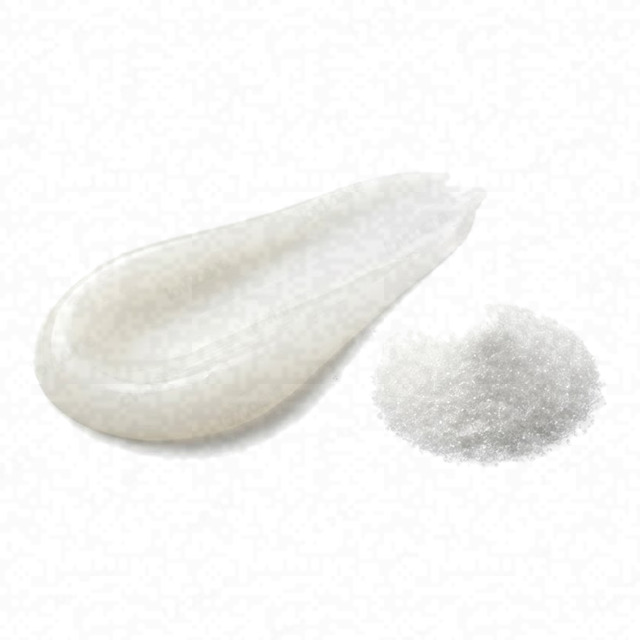 Gluconolactone
 Niacinamide
 Salicylic Acid
 Lactic Acid
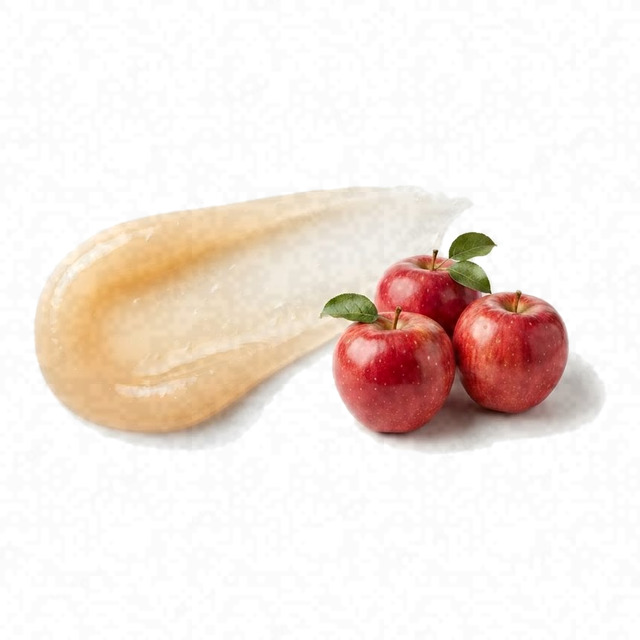 Cider Vinegar
Superior
- SuperiorCombination Skin Fit
- SuperiorEffectiveness
- ExcellentSafety
One of the best toners for acne-prone skin.
This fit is calculated for the concerns frequently associated with acne-prone skin: breakouts, blackheads, and post-acne marks. For scores and recommendations based on your full skin profile, including your 12D face scan results and any goals or preferences you have, please use the Lovi app.
Page built Nov 8, 2026How the Fit score works
Lovi Assistant explains
- Excellent suitability for your combination skin and acne concerns is provided by gluconolactone, lactic acid, and salicylic acid, which effectively exfoliate and decongest pores while niacinamide helps regulate oil production.
- The inclusion of Spongilla Lacustris Spicule Extract and yeast extract further enhances the anti-inflammatory benefits, supporting your goal of reducing blemishes and breakouts.
- The product is safe for your skin, as it contains no harsh ingredients and includes soothing components like niacinamide and yeast extract, minimizing irritation risk for your acne-prone skin.
How to apply
- You can use this exfoliating toner in your PM routine. Start by using it 1 time per week and increase slowly if your skin is happy.
- Apply your exfoliating toner right after cleansing and before your moisturizing steps. This helps your skin stay clean and clear.
- Gently press 2-3 drops of the exfoliating toner into your skin with your hands. Avoid rubbing to keep your face calm.
- Apply the exfoliating toner on clean and dry skin for the best comfort. Let it dry for a minute ⏱ before moving on.
- Always do a patch test before your first use and avoid putting the product too close to your eyes.
People Say
★4.7Overall rating based on 200+ reviewsUsers consistently describe this toner as a "facial in a bottle" specifically suited for mature, dry, or "devitalized" skin due to its vitamin-enriched formula. While gentler than the original P50, it is highly praised for effectively resurfacing texture and creating a "glass skin" glow without stripping moisture, though the application process requires tolerance for its potent scent and sensation.
Highlights
Radiant glow Mostly Mentioned
- “leaves a fresh, glowing complexion”
- “skin looked brighter and more even-toned”
- “gives that signature healthy glow”
- “woke up with radiant skin”
Unpleasant scent Mostly Mentioned
- “smells like vinegar and formaldehyde”
- “scent is off-putting and strong”
- “smells like garbage or rotting onions”
- “hard to get past the smell”
Smoother texture Often Mentioned
- “face is crazy soft”
- “smoothing fine lines and wrinkles”
- “texture is significantly refined”
- “sloughed away dead cells effectively”
High price point Often Mentioned
- “very pricey for a toner”
- “definitely an investment product”
- “expensive but worth it”
- “wish it was cheaper”
Non-drying/balancing Sometimes Noted
- “more conditioning than the original P50”
- “perfect for my dry, dehydrated skin”
- “felt hydrated, not stripped”
- “balances pH without harshness”
Pore refinement Sometimes Noted
- “pores have tightened visibly”
- “cleared out closed comedones”
- “minimized appearance of pores”
- “blackheads are less noticeable”
Initial irritation Sometimes Noted
- “face turned beet red at first”
- “experienced some purging”
- “stings and tingles upon application”
- “skin felt tacky and flushed”
Hard to purchase Rarely Noted
- “hard to find online”
- “requires login or consultation to buy”
- “not available at standard beauty stores”
- “complicated to order”
Sources: lovi.care, paullabrecque.com, shoprescuespa.com, influenster.com, reddit.com, byrdie.com, and more
Questions and answers
What makes Lotion P50V one of the best fits for acne-prone skin?
Biologique Recherche Lotion P50V is a great match for acne-prone skin because gluconolactone, lactic acid, and salicylic acid gently exfoliate and clear out pores while niacinamide helps keep oil in place. It also includes soothing yeast extract and Spongilla Lacustris Spicule Extract to calm redness and help reduce breakouts with a very low risk of irritation.
The Australasian Journal of Dermatology, 1992BioMed Research International, 2020
Which ingredients make this toner a good fit for acne-prone skin?
Gluconolactone, lactic acid, and salicylic acid make this toner a great fit because they gently exfoliate and clear out congested pores, while niacinamide helps keep excess oil under control. Ingredients like yeast extract also provide soothing and calming benefits to help reduce blemishes and breakouts with a low risk of irritation.
The Australasian Journal of Dermatology, 1992BioMed Research International, 2020
What does Gluconolactone do for acne-prone skin?
Gluconolactone helps clear acne-prone skin by reducing both inflamed and non-inflamed blemishes. It is well tolerated and tends to cause fewer side effects than traditional treatments.
The Australasian Journal of Dermatology, 1992Clinical, Cosmetic and Investigational Dermatology, 2019
What does Niacinamide do for acne-prone skin?
Niacinamide helps acne-prone skin by reducing both inflamed and uninflamed breakouts and calming redness. It is also very helpful for keeping oily skin balanced by cutting down on excess oil production, and it is well tolerated by most people.
Where does this toner go in a skincare routine for acne-prone skin?
This exfoliating toner is used in the evening after your cleanser and before your treatment and moisturizer. Lovi routines start exfoliating products like this once a week, and you can carefully use it more often if your skin tolerates it well and sees good results.
Can I use this toner with retinol, and in what order?
You can use this toner with retinol by applying the toner first in your evening routine, but use them on alternate nights or space them out to keep your skin calm and minimize irritation. Combining too many strong active ingredients at once may lead to dryness and redness, so watch how your skin feels.
How often should I use this toner?
Start using this exfoliating toner once a week in your evening routine, and if your acne-prone skin tolerates it well and sees good results, you may carefully use it more often. It helps clear clogged pores and reduce breakouts while keeping irritation low.
Dermatologic Surgery, 2003Journal of Cosmetic Dermatology, 2021
Can this toner clog pores, cause breakouts or purging for acne-prone skin?
This toner is unlikely to clog pores or cause breakouts because it uses exfoliating acids and niacinamide to clear out congestion, calm inflammation, and regulate oil production. It may cause mild initial irritation or purging as it renews your skin, but soothing ingredients help keep that risk low.
The Australasian Journal of Dermatology, 1992BioMed Research International, 2020
Is this toner fragrance-free and alcohol-free?
Yes, it has no fragrance and no drying alcohol.
What the research says
Gluconolactone 14% solution significantly improved mild to moderate acne by reducing inflamed and non-inflamed lesions similarly to 5% benzoyl peroxide, but with fewer side-effects in 150 patients.
The Australasian Journal of Dermatology, 1992Combining 10% gluconolactone chemical peeling with oxybrasion or microneedle mesotherapy increased skin hydration and decreased sebum, pH, and TEWL in twenty-one Caucasian women, with no significant differences between the two methods.
Skin Research and Technology, 2023A moisturizer containing licochalcone A, 1,2-decanediol, L-carnitine, and salicylic acid significantly reduced noninflammatory, inflammatory, and total acne lesion counts compared to a vehicle control in Thai patients during a 12-week maintenance phase.
BioMed Research International, 2020Topical moisturizers improved skin barrier function and surface moisture, while a postbiotic moisturizer with yeast extract uniquely supported microbiome balance and modulated biomarkers of skin barrier, structure, and inflammation in participants and ex vivo explants exposed to environmental aggressors.
Journal of Clinical Medicine, 2023Glycolic acid, salicylic acid, gluconolactone, and licochalcone A combined with 0.1% adapalene showed no hindrance compared to adapalene monotherapy and provided benefits in reducing complications in 25 subjects with mild-to-moderate acne vulgaris.
Clinical, Cosmetic and Investigational Dermatology, 2019Gluconolactone and tartaric acid significantly lower transepidermal water loss and erythema after sodium lauryl sulphate challenge compared to vehicle, untreated control, and glycolic acid in healthy subjects.
The British Journal of Dermatology, 1997A polyhydroxy acid skin care regimen provided antiaging benefits comparable to an alpha-hydroxyacid regimen while demonstrating enhanced mildness and better tolerance in subjects.
Cutis, 2004Topical post-laser application of human adipocyte-derived mesenchymal stem cell media combined with niacinamide significantly improved wrinkle index, melanin index, patient satisfaction, and investigator esthetic improvement scores compared to vehicle cream in patients with aging skin.
Journal of Cosmetic Dermatology, 2021Topical nicotinamide prevented solar-simulated UV-induced immunosuppression in healthy volunteers, and men experienced immunosuppression at solar-simulated UV doses three times lower than those required for women.
The Journal of Investigative Dermatology, 2008Topical 5% niacinamide applied twice daily for 12 weeks reduced fine lines and wrinkles, hyperpigmented spots, red blotchiness, and skin sallowness, and improved skin elasticity compared to vehicle control in 50 female white subjects with facial photoaging.
Dermatologic Surgery, 2005Cryotherapy with liquid nitrogen achieved a higher cure rate (39%) than salicylic acid (24%) and a wait-and-see approach (16%) for cutaneous warts at 13 weeks in primary care patients.
CMAJ, 2010Treatment with 2% supramolecular salicylic acid hydrogel resulted in a regression and markedly improvement rate of 51.01% compared to 43.10% for Adapaline gel in patients with mild to moderate facial acne vulgaris, showing no significant difference in efficacy.
Journal of Cosmetic Dermatology, 2024Topical 5% benzoyl peroxide plus salicylic acid achieved the greatest lesion reduction at early 2 to 4 week time points compared to benzoyl peroxide, clindamycin, and combination benzoyl peroxide/clindamycin, while 5% benzoyl peroxide plus salicylic acid and combination benzoyl peroxide/clindamycin showed similar efficacy at 10 to 12 weeks in acne patients.
Journal of the American Academy of Dermatology, 2010Application of a cream containing lactic acid 12% and pramoxine HCl 1% significantly improved skin dryness, hydration, and itch compared with a nontreated control in 24 women with a history of dry itchy skin.
Cutis, 2004Topical 12% ammonium lactate produced a significant sparing of epidermal and dermal atrophy induced by clobetasol propionate in human volunteers, without influencing the corticosteroid's bioavailability or antiinflammatory properties.
Journal of the American Academy of Dermatology, 1992A lactic acid/ceramide lotion significantly improved skin moisturization and desquamation compared to no treatment in women with dry, rough skin on the anterior shins.
The Journal of Clinical and Aesthetic Dermatology, 2020Gel formulations based on orange and sweet basil essential oils combined with acetic acid achieved up to 75% clearance of acne lesions in 28 volunteer patients with good stability and minimal, transient side effects.
Biomedica, 2012
Ingredients
Water, Gluconolactone, Glycerin, Propylene Glycol, Niacinamide, Lactic Acid, Ethoxydiglycol, Vinegar, Magnesium Chloride, Citric Acid, Malic Acid, Phytic Acid, Spongilla Lacustris Spicule Extract, Yeast Extract, Horseradish Root Extract, Capsicum Frutescens Fruit Extract, Juglans Regia Seed Extract, Arctium Lappa Root Extract, Sulfur, Sodium Salicylate, Salicylic Acid, Sorbitol, Phenoxyethanol, Sodium Metabisulfite, Sodium Benzoate
Behind this fit score
Lovi calculates every fit score from the full ingredient list with brand-independent rules our dermatologists and cosmetic chemists build and review, and personalizes every pick with AI trained on the real results of millions of users. Lovi trains its fit score models on a proprietary dataset built from more than 10,000 expert-labeled products and more than 100,000 simulated examples, following an internally consistent methodology presented at Cosmoprof, AMWC, and Skin of Color Update.
-

Co-founder, Medical Director
Cosmetic chemist, cosmetologist, aesthetic products developer
-

Co-founder, CEO and CTO
PhD in computer science, 3x US patent holder, ex-Google, ex-Yandex
-

Dr. Sofía Perea Pérez, MD, MSc
Medical Board
Aesthetic medicine practitioner, MSc in Longevity and Anti-Aging Medicine
-

Medical Board
Specialist dermatologist, MBBS, MD, IFAAD
-

Medical Board
Cosmetic chemist, SCS, IFSCC member
-

Medical Board, Medical Advisor
Dermatology MD
-

Elina Nazarenko, MD
Medical Board
Dermatology and diagnostic consultant
-

Victoria Derkova, MS
Medical Board
Cosmetic chemist, cosmetic development technologist


How does it fit your skin?
Scan your face, then any product: Lovi shows how well it fits you and what fits even better.