Aromatica Calendula Soothing Relief Mask for acne-prone skin

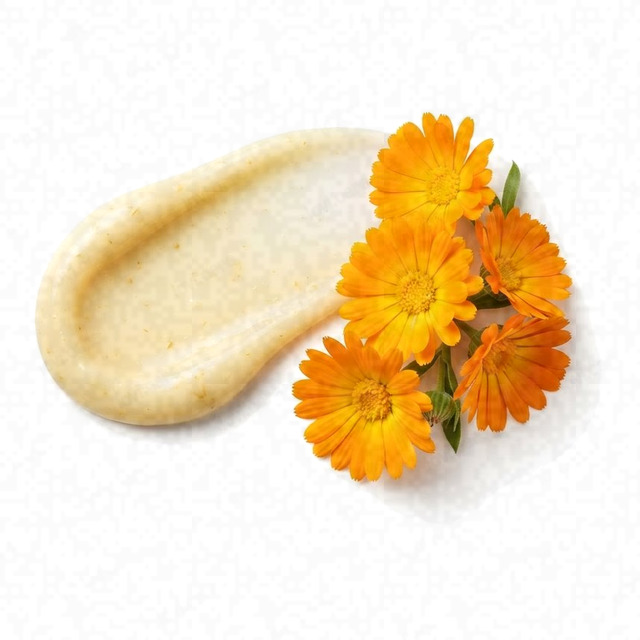 Calendula Officinalis Extract
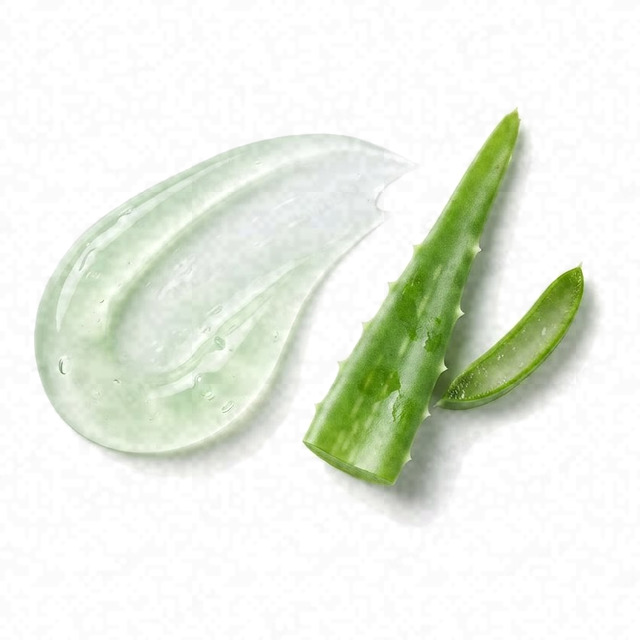 Aloe Barbadensis
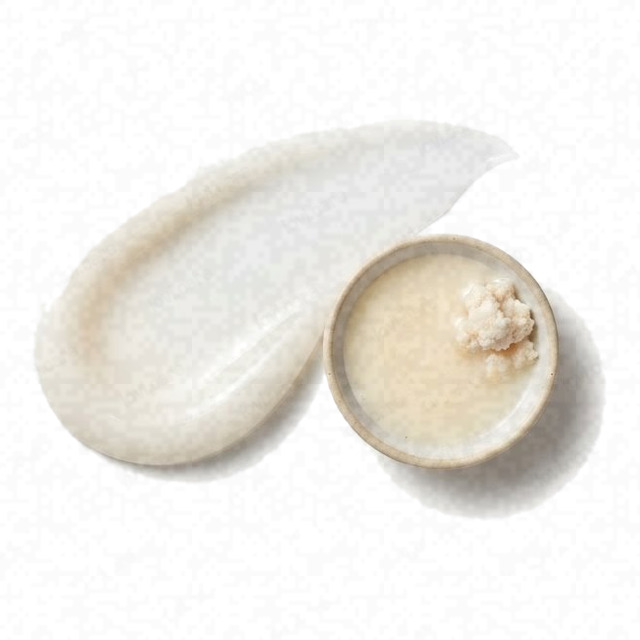 Bifida Ferment Filtrate
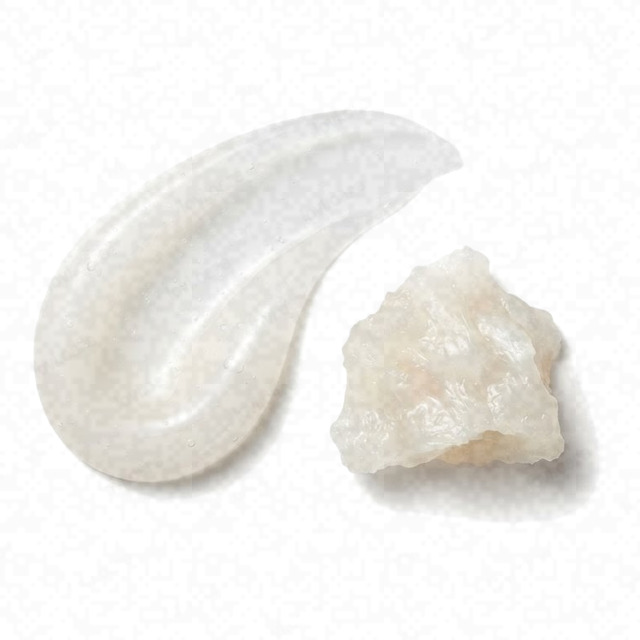 Glycosaminoglycans
 Limnanthes Alba Seed Oil
High
- SuperiorCombination Skin Fit
- HighEffectiveness
- HighSafety
One of the best nourishing masks for acne-prone skin.
This fit is calculated for the concerns frequently associated with acne-prone skin: breakouts, blackheads, and post-acne marks. For scores and recommendations based on your full skin profile, including your 12D face scan results and any goals or preferences you have, please use the Lovi app.
Page built Nov 8, 2026How the Fit score works
Lovi Assistant explains
- Excellent suitability for your combination skin is provided by Glycerin and Aloe Barbadensis Leaf Extract, which offer humectant action, while Limnanthes Alba Seed Oil and Panthenol support barrier repair and emollient benefits.
- The formula's Calendula Officinalis Extract and Aloe Barbadensis Leaf Extract are highly relevant for your acne-prone skin and blemishes, delivering soothing and anti-inflammatory properties.
- The product is safe for your skin, with no risks of irritation due to the absence of harsh ingredients and the inclusion of soothing agents.
How to apply
- Could be used as part of your PM routine. Start using your sheet mask 3 times a week, and build up to daily use if your skin likes it.
- Apply your sheet mask after cleansing and toning, but before putting on your moisturizer. Relax with it on for ten to fifteen minutes.
- Take the sheet mask out and gently smooth it over your face so it fits well. Pat any leftover essence into your skin without rubbing.
- Put the sheet mask on clean and dry skin for the best comfort. This helps your pores take in all the good ingredients.
- Avoid getting the product too close to your sensitive eye area. Do a small patch test before your very first use to stay safe.
People Say
★3.0Overall rating based on 100+ reviewsBased on limited data, this sheet mask has a polarizing effect. Many users appreciate its organic, EWG-verified ingredients and the generous amount of essence. However, a significant number of users, particularly those with sensitive skin, report experiencing intense burning or tingling sensations, contradicting its soothing claims.
Highlights
Clean & safe ingredients Mostly Mentioned
- “Ingredients Rating: 5/5”
- “No harmful ingredients so I felt confident”
Generous essence Often Mentioned
- “Packed with plenty of essence”
- “Generously soaked”
- “Full of rich, viscous essence.”
Burning sensation Often Mentioned
- “Face starts tingling immediately”
- “Burning sensation persists”
- “Area around lips felt numb.”
Irritation on sensitive skin Often Mentioned
- “Made my normal skin feel irritated”
- “Thinner areas became very irritated”
- “Got blemishes after taking it off.”
Pleasant natural scent Sometimes Noted
- “Floral aroma is lovely”
- “Strong calendula scent”
- “Subtle and natural.”
Soothing for some Sometimes Noted
- “Wonderfully soothing on irritated days”
- “Felt refreshingly cool”
- “Redness began to fade.”
High price point Sometimes Noted
- “Hesitant to buy again due to price”
- “Not your everyday sheet mask”
- “High-end product.”
Sticky finish Rarely Noted
- “Slightly sticky after-feel”
- “Takes time to absorb well”
- “Leaves a sticky finish.”
Sources: lovi.care, hwahae.co.kr, yesstyle.com, gopicky.com, skinskoolbeauty.com, and more
Questions and answers
What makes Aromatica Calendula Soothing Relief Mask a great fit for acne-prone skin?
This mask is a great fit because it contains calendula extract and aloe vera, which help calm acne-prone skin and reduce redness. It is also unlikely to cause irritation and supports moisture.
Clinical Pharmacology, 2018American Journal of Clinical Dermatology, 2002
Which ingredients make this mask a good fit for acne-prone skin?
This mask is a great fit for your acne-prone skin because it contains Calendula Officinalis Extract and Aloe Barbadensis Leaf Extract, which deliver soothing and anti-inflammatory properties. These ingredients help calm blemishes safely without risks of irritation.
What does Calendula Extract do for acne-prone skin?
Calendula officinalis extract helps calm acne-prone skin and may reduce inflamed breakouts when used regularly. It is generally well tolerated, supporting a clearer and smoother look without causing dryness.
What does Aloe Vera do for acne-prone skin?
Aloe vera helps calm acne-prone skin by reducing redness, swelling, and the number of blemishes. It works well to soothe irritated areas while keeping the skin smooth and comfortable.
Where does this mask go in a skincare routine for acne-prone skin?
This mask is used in your weekly routine after the cleanser and enzyme powder, and before the hydrating toner, treatment, and moisturizer. It is a great fit for acne-prone skin because it delivers soothing and calming benefits.
Journal of Cosmetic Dermatology, 2025Clinical Pharmacology, 2018
Can I use this mask with retinol, and in what order?
You can use this mask alongside retinol by applying it after your retinol treatment to help calm the skin and keep it comfortable. The soothing ingredients in this formula are unlikely to cause irritation and may help reduce dryness or redness often caused by retinol.
Journal of Drugs in Dermatology, 2023The Journal of Dermatological Treatment, 2016
How often should I use this mask?
This mask is a great fit for your acne-prone skin and can be used as part of your weekly routine. Its calendula and aloe extracts help calm blemishes while keeping your skin comfortable and safe from irritation.
Can this mask clog pores, cause breakouts or purging for acne-prone skin?
This mask is a great fit for acne-prone skin because it contains soothing ingredients like Calendula Officinalis Extract and Aloe Barbadensis Leaf Extract that help calm blemishes and reduce redness. It is safe for your skin with no harsh ingredients, making it unlikely to clog pores or cause breakouts.
Is this mask fragrance-free and alcohol-free?
Yes, it has no fragrance and no drying alcohol. Arachidyl alcohol and behenyl alcohol are fatty alcohols, which soften the skin.
What the research says
A new topical panthenol-containing emollient significantly improved transepidermal water loss reduction, stratum corneum hydration, and intercellular lipid lamellae length compared with control in healthy subjects without negatively impacting bacterial viability.
The Journal of Dermatological Treatment, 2017A panthenol-enriched mask significantly decreased erythema and hyperpigmentation, increased sebum and stratum corneum moisture, and reduced transepidermal water loss compared to a saline dressing in 60 subjects undergoing facial laser treatment.
Journal of Cosmetic Dermatology, 2025Topical dexpanthenol acts as a moisturizer, improves stratum corneum hydration, accelerates wound healing and epidermal regeneration, reduces erythema, and improves symptoms of skin irritation compared to vehicle or no pretreatment.
American Journal of Clinical Dermatology, 2002A cream combining propolis, tea tree oil, and Aloe vera reduced erythema scars, acne severity index, and total lesion count better than erythromycin cream in sixty patients with mild to moderate acne vulgaris compared to placebo.
Clinical Pharmacology, 2018A single application of a moisturizing fluid containing hyaluronic acid 1%, glycerin 5%, and Centella asiatica stem cells extract significantly increased skin hydration by 29% and reduced transepidermal water loss at 24 hours compared to baseline and an untreated control site in twenty healthy women.
Clinical, Cosmetic and Investigational Dermatology, 2017Topical application of Calendula officinalis extract cream significantly improved skin hydration and firmness (reflected in significant changes in R0 and R6 parameters) in 21 healthy human volunteers compared to a base cream.
Acta Poloniae Pharmaceutica, 2011Treatment with standardized extract of Calendula officinalis L. led to a shorter epithelization time and faster healing speed compared to mineral oil in patients with acute skin loss wounds of the hand and fingers healing by secondary intention.
Tissue Barriers, 2022Topical administration of Calendula provides weak evidence of effectiveness in acute and chronic wounds compared to standard treatments based on a narrative review of available trials.
Wounds, 2008Topical aloe vera gel significantly accelerated split-thickness skin graft donor-site healing compared to placebo in 12 patients, but showed no significant difference in pain relief.
Plastic and Reconstructive Surgery, 2018Topical application of Aloe vera cream reduced postoperative pain at rest and during defecation, accelerated wound healing at two weeks, and decreased analgesic requirements in patients after open hemorrhoidectomy compared to placebo.
Journal of Alternative and Complementary Medicine, 2010Formulations containing 0.10%, 0.25%, and 0.50% freeze-dried Aloe vera extract increased stratum corneum water content compared with the vehicle in 20 female subjects, while transepidermal water loss was not modified.
Skin Research and Technology, 2006Topical application of Bifida Ferment Lysate strengthens the skin barrier function by upregulating barrier and antimicrobial peptide genes, exhibiting strong antioxidant properties, and decreasing inflammatory cytokine secretion in vitro.
Journal of Cosmetic Dermatology, 2023Topical treatment with sphingolipids and glycosaminoglycans attenuated clinical worsening and reduced CADESI and PVAS scores compared to the untreated control group in house dust mite-allergic beagle dogs.
BMC Veterinary Research, 2020Glycosaminoglycans restored type I collagen synthesis, reduced matrix metalloproteinase-1 levels, upregulated tissue inhibitor of metalloproteinase-1, and attenuated apoptosis in tumor necrosis factor-alpha-stimulated human dermal fibroblasts by inhibiting extracellular signal-regulated kinase/activator protein-1 signaling.
International Journal of Molecular Medicine, 2018Fraction 3 of glycosaminoglycans from Liparis tessellatus eggs showed 20.1% tyrosinase inhibition at 50mg/mL and effective skin regeneration activities at 200mg/mL against skin fibroblast CCD-986sk cell lines.
International Journal of Biological Macromolecules, 2017
Ingredients
Calendula Officinalis Extract, Aloe Barbadensis Leaf Extract, Glycerin, Butylene Glycol, Water, Betaine, Lactobacillus Olea Europaea Extract Leaf Ferment, Bifida Ferment Filtrate, Propanediol, Ethylhexylglycerin, Allantoin, Limnanthes Alba Seed Oil, Panthenol, Arachidyl Alcohol, Coco-Caprylate Caprate, Acrylates C10-30 Alkyl Acrylate Crosspolymer, Arginine, Behenyl Alcohol, Phenethyl Alcohol, Pulsatilla Koreana Extract, Usnea Barbata Extract, Zanthoxylum Piperitum Fruit Extract, Arachidyl Glucoside, Chamomilla Recutita Flower Extract, Rosmarinus Officinalis Leaf Extract, Verbena Officinalis Extract, Hydrolyzed Glycosaminoglycans, 2-Hexanediol, Hydrogenated Olive Oil
Behind this fit score
Lovi calculates every fit score from the full ingredient list with brand-independent rules our dermatologists and cosmetic chemists build and review, and personalizes every pick with AI trained on the real results of millions of users. Lovi trains its fit score models on a proprietary dataset built from more than 10,000 expert-labeled products and more than 100,000 simulated examples, following an internally consistent methodology presented at Cosmoprof, AMWC, and Skin of Color Update.
-

Co-founder, Medical Director
Cosmetic chemist, cosmetologist, aesthetic products developer
-

Co-founder, CEO and CTO
PhD in computer science, 3x US patent holder, ex-Google, ex-Yandex
-

Dr. Sofía Perea Pérez, MD, MSc
Medical Board
Aesthetic medicine practitioner, MSc in Longevity and Anti-Aging Medicine
-

Medical Board
Specialist dermatologist, MBBS, MD, IFAAD
-

Medical Board
Cosmetic chemist, SCS, IFSCC member
-

Medical Board, Medical Advisor
Dermatology MD
-

Elina Nazarenko, MD
Medical Board
Dermatology and diagnostic consultant
-

Victoria Derkova, MS
Medical Board
Cosmetic chemist, cosmetic development technologist


How does it fit your skin?
Scan your face, then any product: Lovi shows how well it fits you and what fits even better.