Acure Brightening Day Cream for acne-prone skin

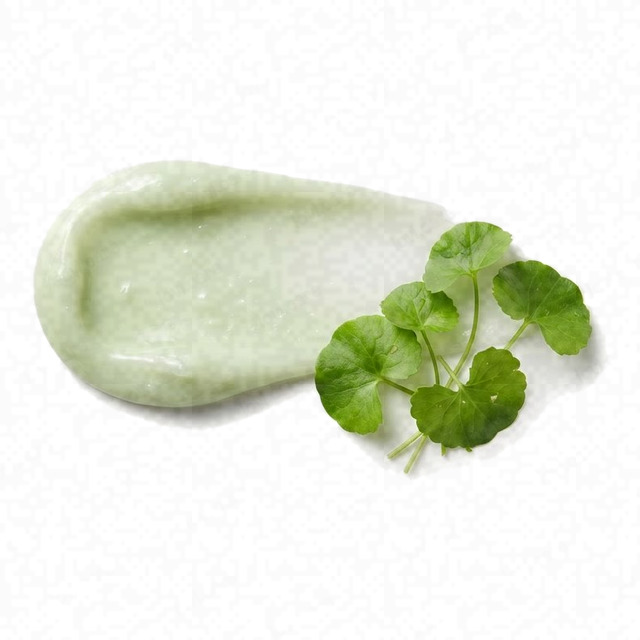 Centella Asiatica
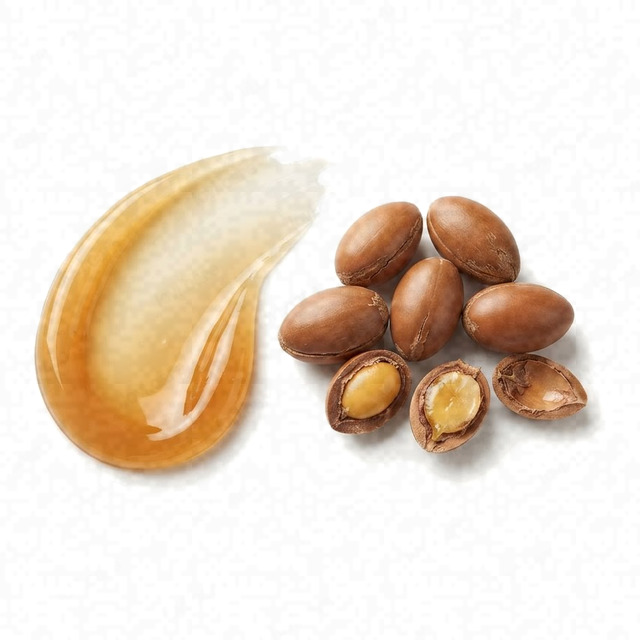 Argan Oil
 Aloe Barbadensis
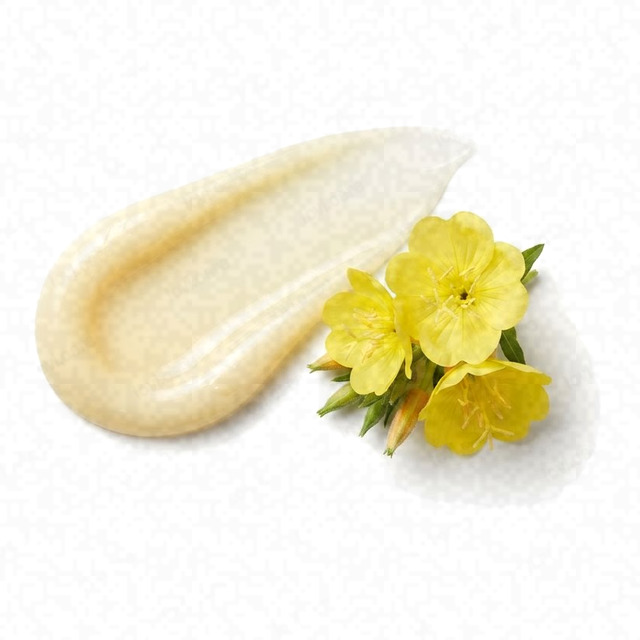 Oenothera Biennis Oil
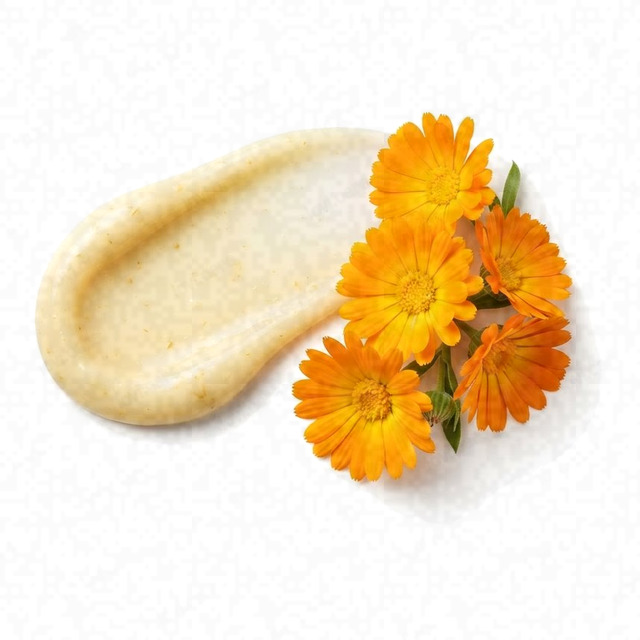 Calendula Officinalis Extract
Average
- AverageCombination Skin Fit
- AverageEffectiveness
- HighSafety
Works for acne-prone skin; other moisturizers fit it better.
This fit is calculated for the concerns frequently associated with acne-prone skin: breakouts, blackheads, and post-acne marks. For scores and recommendations based on your full skin profile, including your 12D face scan results and any goals or preferences you have, please use the Lovi app.
Page built Nov 8, 2026How the Fit score works
Lovi Assistant explains
- Offers moderate moisturizing for your combination skin due to glycerin and coconut oil, which hydrate and enhance barrier resilience, but lacks targeted ingredients for your acne, blemishes, and breakouts.
- The formula provides general skincare benefits, but the absence of ingredients like salicylic acid means it won't effectively address your specific concerns.
- The product is safe for your combination skin, with no risks of irritation from harsh or prohibited ingredients.
How to apply
- Use your moisturizer twice a day in your AM and PM routines. Apply it daily to help keep breakouts under control.
- Apply after your cleanser and toner, and make sure to use your SPF right after in the morning.
- Gently spread a small amount of moisturizer over your face using soft motions. Let it absorb into the skin for a minute before getting dressed or applying makeup.
- Apply on slightly damp skin to help lock in extra moisture. This keeps your combination skin balanced without feeling heavy.
- Avoid the eye area and do a patch test before your first use. Stop using if you feel any irritation.
People Say
★4.7Overall rating based on 6.5k+ reviewsBased on a very large amount of data, this moisturizer is frequently lauded for its ability to brighten dull complexions, even out skin tone, and provide lasting hydration without a greasy residue. It is a popular choice for sensitive skin types due to its clean, vegan ingredients, though results can vary for those with very oily skin.
Highlights
Brightens skin Often Mentioned
- “Helps fade dullness”
- “noticeable radiance”
- “evened out skin tone”
Gentle/Sensitive friendly Often Mentioned
- “Does not cause breakouts”
- “no irritation”
- “great for sensitive skin”
Non-greasy finish Sometimes Noted
- “Absorbs well”
- “no greasy residue”
- “lightweight texture”
Pleasant scent Sometimes Noted
- “Wonderful aroma”
- “very mild natural scent”
- “subtle but comforting”
Lacks SPF Sometimes Noted
- “Does not come with sunscreen”
- “wish it had SPF”
- “need to layer SPF”
Packaging issues Sometimes Noted
- “Hard to get last 25% out”
- “blue packaging peels off”
- “difficult bottle design”
Heavy for oily Rarely Noted
- “Too heavy for oily skin”
- “not recommended for oily skin”
- “can trigger acne”
Sources: lovi.care, acure.com, iherb.com, thingtesting.com, 1stop.au, insearchofsukoon.com, and more
Questions and answers
How well does Acure Brightening Day Cream work for acne-prone skin?
Acure Brightening Day Cream works moderately well for acne-prone skin, providing basic hydration and soothing benefits, but it lacks targeted ingredients like salicylic acid to effectively address breakouts. A moisturizer for this skin needs active ingredients that clear blemishes and calm inflammation while keeping the skin balanced.
Indian Journal of Pharmaceutical Sciences, 2016Clinical Pharmacology, 2018
Which ingredients make this cream a good fit for acne-prone skin?
This cream works for acne-prone skin because it contains Centella Asiatica and Aloe Barbadensis, which help calm and soothe your face. However, a moisturizer for this skin type needs targeted ingredients like salicylic acid to effectively clear breakouts and blemishes.
Indian Journal of Pharmaceutical Sciences, 2016Clinical Pharmacology, 2018
What does Centella Asiatica do for acne-prone skin?
Centella asiatica helps calm acne-prone skin by reducing redness and soothing inflammation while supporting healing. It may also help manage breakouts by addressing factors like acne blemishes and irritation.
Molecules, 2023Journal of Alternative and Complementary Medicine, 2020
What does Argan Oil do for acne-prone skin?
Argan oil may not be the best fit for acne-prone skin because oils with certain fatty acid makeups can sometimes clog pores and trigger breakouts. An acne-prone routine works best with lightweight, balancing ingredients that clear pores and calm redness without adding heavy layers.
Where does it go in a skincare routine for acne-prone skin?
This moisturizer goes after your hydrating toner and before sunscreen in the morning, and as the last step in the evening. While it hydrates your skin, acne-prone skin needs a product with targeted ingredients like salicylic acid to effectively address breakouts.
Can I use this cream with retinol, and in what order?
You can use this cream alongside retinol, applying it after your retinol treatment to help keep your skin soft and calm while reducing dryness. Using a moisturizer with barrier-supporting and soothing ingredients is unlikely to irritate acne-prone skin when paired with retinoids, though this specific cream lacks targeted blemish-fighting ingredients and works best when your routine also includes salicylic acid or other spot treatments.
How often should I use it?
You can use this moisturizer daily in the morning and evening as part of your routine. Daily application helps maintain skin moisture and barrier function.
Journal of Cosmetic Dermatology, 2020Health Science Reports, 2021
Can this cream clog pores, cause breakouts or purging for acne-prone skin?
This cream is unlikely to cause harsh irritation on acne-prone skin, but it may feel heavy or lead to breakouts because it lacks targeted ingredients for blemishes. An acne-prone skin type needs lightweight hydration and active ingredients like salicylic acid to properly clear pores.
Indian Journal of Pharmaceutical Sciences, 2016Clinical Pharmacology, 2018
Can I use it around the eyes or on my body?
You can use this moisturizer on your body, but the thin skin around the eyes needs products specially tested for that delicate area. Because the skin thickness varies across the body, heavier creams suit thicker areas better while sensitive zones require lighter formulas.
Is this cream fragrance-free and alcohol-free?
Yes, it has no fragrance and no drying alcohol. Cetearyl alcohol is a fatty alcohol, which soften the skin.
What the research says
Cosmetic formulations containing 5% Centella asiatica extract showed the best efficacy in improving skin moisture and decreasing transepidermal water loss, while also exhibiting antiinflammatory properties in 25 volunteers compared to baseline measurements.
Indian Journal of Pharmaceutical Sciences, 2016A cream combining propolis, tea tree oil, and Aloe vera reduced erythema scars, acne severity index, and total lesion count better than erythromycin cream in sixty patients with mild to moderate acne vulgaris compared to placebo.
Clinical Pharmacology, 2018Co-delivery of paeonol and madecassoside via nanoemulsions improved transdermal delivery, promoted barrier repair proteins, inhibited inflammatory cytokine secretion in cellular and 3D models, and reduced transepidermal water loss and acne in human facial skin compared to free components.
Molecules, 2023Topical application of 0.05% w/w ECa 233 gel reduced erythema index by 0.03 U and improved early crusting and general wound appearance compared to placebo in thirty individuals undergoing facial laser resurfacing.
Journal of Alternative and Complementary Medicine, 2020A single application of a moisturizing fluid containing hyaluronic acid 1%, glycerin 5%, and Centella asiatica stem cells extract significantly increased skin hydration by 29% and reduced transepidermal water loss at 24 hours compared to baseline and an untreated control site in twenty healthy women.
Clinical, Cosmetic and Investigational Dermatology, 2017Moisturizer containing 5% panthenol, madecassoside, and copper-zinc-manganese decreased adverse reactions and downtime after ablative fractional carbon dioxide laser resurfacing with comparable efficacy to 0.02% triamcinolone acetonide cream in 20 subjects.
Journal of Cosmetic Dermatology, 2019A combination cream of stimu-tex AS and saccharide isomerate reduced erythema, increased skin capacitance, and reduced transepidermal water loss compared to placebo in 20 subjects after fractional CO2 laser procedure without causing serious adverse events.
Lasers in Medical Science, 2025Topical application of an argan oil NLC-based hydrogel formulation increased skin hydration in healthy volunteers over a one-month period through a synergistic effect of NLC occlusion and argan oil hydration.
International Journal of Nanomedicine, 2014Incorporating allantoin into argan oil enriched liposomes improved its accumulation in the dermis (~8.7μg/cm(2)) and permeation through the skin (~33μg/cm(2)) compared to conventional liposomes, water dispersion, and a commercial gel.
International Journal of Pharmaceutics, 2016Topical aloe vera gel significantly accelerated split-thickness skin graft donor-site healing compared to placebo in 12 patients, but showed no significant difference in pain relief.
Plastic and Reconstructive Surgery, 2018Topical application of Aloe vera cream reduced postoperative pain at rest and during defecation, accelerated wound healing at two weeks, and decreased analgesic requirements in patients after open hemorrhoidectomy compared to placebo.
Journal of Alternative and Complementary Medicine, 2010Formulations containing 0.10%, 0.25%, and 0.50% freeze-dried Aloe vera extract increased stratum corneum water content compared with the vehicle in 20 female subjects, while transepidermal water loss was not modified.
Skin Research and Technology, 2006Electrospun poly (vinyl butyral-co-vinyl alcohol-co-vinyl acetate) patches loaded with evening primrose oil applied to the forearm of volunteers for 6 hours increased skin moisture, with pore size, shape, and fiber diameter influencing oil transport.
Biomaterials Advances, 2022A topical preparation containing urea, sunflower oil, evening primrose oil, wheat germ oil, and sodium pyruvate led to clinical improvement after a month in diverse hyperkeratotic skin conditions except pityriasis lichenoides.
Medicina Cutanea Ibero-latino-americana, 1986Topical application of linseed, evening primrose, and olive oil emulsions accelerated wound closure in rats with excision wounds compared to untreated controls, though via different mechanisms.
Drug Delivery and Translational Research, 2019Topical application of Calendula officinalis extract cream significantly improved skin hydration and firmness (reflected in significant changes in R0 and R6 parameters) in 21 healthy human volunteers compared to a base cream.
Acta Poloniae Pharmaceutica, 2011Treatment with standardized extract of Calendula officinalis L. led to a shorter epithelization time and faster healing speed compared to mineral oil in patients with acute skin loss wounds of the hand and fingers healing by secondary intention.
Tissue Barriers, 2022Topical administration of Calendula provides weak evidence of effectiveness in acute and chronic wounds compared to standard treatments based on a narrative review of available trials.
Wounds, 2008
Why other moisturizers fit acne-prone skin better
A panthenol-enriched mask improved skin hydration, regulated sebum, and reduced redness and TEWL across dry sensitive, oily sensitive, and oily acne skin subgroups with excellent tolerance and no adverse reactions.
Journal of Cosmetic Dermatology, 2024A facial serum containing snail secretion filtrate, Calendula officinalis, and Glycyrrhiza glabra root extract significantly reduced inflammatory acne lesions compared to placebo in 66 participants with mild-to-moderate maskne over 12 weeks.
Journal of Cosmetic Dermatology, 2022
Ingredients
Water, Carthamus Tinctorius Oil, Coconut Oil, Theobroma Cacao Butter, Cetyl-Stearyl Alcohol, Glyceryl Stearate Citrate, Cetearyl Alcohol, Glyceryl Caprylate, Glycerin, Helianthus Annuus Oil Sunflower Oil, Citrus Aurantium Dulcis Peel Oil, Glyceryl Laurate, Olea Europaea Oil Fruit Olive Oil Fruit, Citrus Nobilis Peel Oil Mandarin Orange Peel Oil, Sodium Levulinate, D-Alpha-Tocopheryl Acetate, Oenothera Biennis Oil, Calendula Officinalis Flower Extract, Tocopherol, Potassium Sorbate, Aloe Barbadensis Leaf Juice, Clove Oil Bud, Euterpe Oleracea Fruit Extract, Blackberry Fruit Extract, Punica Granatum Extract, Rosa Canina Fruit Extract Rosehip Fruit Extract, Chamomilla Recutita Flower Extract Matricaria Flower Extract, Aspalathus Linearis Leaf Extract, Centella Asiatica Meristem Culture Centella Asiatica Culture, Echinacea Angustifolia Meristem Cell Culture Echinacea Cell Culture, Marrubium Vulgare Meristem Cell Culture, Chlorella Pyrenoidosa Extract, Argania Spinosa Oil Argan Oil, Xanthan Gum
Behind this fit score
Lovi calculates every fit score from the full ingredient list with brand-independent rules our dermatologists and cosmetic chemists build and review, and personalizes every pick with AI trained on the real results of millions of users. Lovi trains its fit score models on a proprietary dataset built from more than 10,000 expert-labeled products and more than 100,000 simulated examples, following an internally consistent methodology presented at Cosmoprof, AMWC, and Skin of Color Update.
-

Co-founder, Medical Director
Cosmetic chemist, cosmetologist, aesthetic products developer
-

Co-founder, CEO and CTO
PhD in computer science, 3x US patent holder, ex-Google, ex-Yandex
-

Dr. Sofía Perea Pérez, MD, MSc
Medical Board
Aesthetic medicine practitioner, MSc in Longevity and Anti-Aging Medicine
-

Medical Board
Specialist dermatologist, MBBS, MD, IFAAD
-

Medical Board
Cosmetic chemist, SCS, IFSCC member
-

Medical Board, Medical Advisor
Dermatology MD
-

Elina Nazarenko, MD
Medical Board
Dermatology and diagnostic consultant
-

Victoria Derkova, MS
Medical Board
Cosmetic chemist, cosmetic development technologist


How does it fit your skin?
Scan your face, then any product: Lovi shows how well it fits you and what fits even better.