ACM AZÉANE for oily acne-prone skin

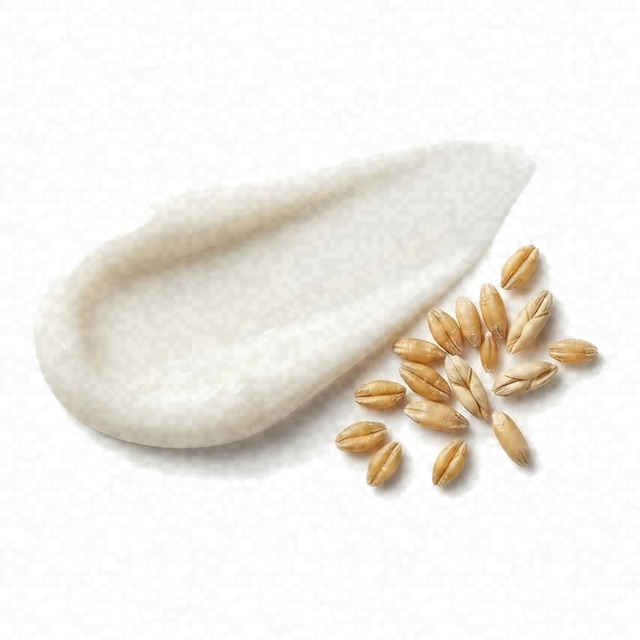 Azelaic Acid
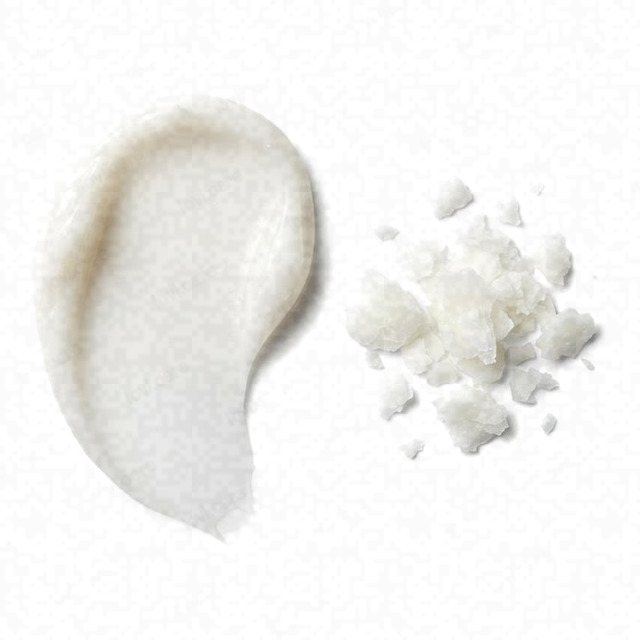 Cetearyl Alcohol
Average
- HighOily Skin Fit
- AverageEffectiveness
- HighSafety
Works for oily acne-prone skin; other moisturizers fit it better.
This fit is calculated for the concerns frequently associated with oily acne-prone skin: shine, breakouts, blemishes, and enlarged pores. For scores and recommendations based on your full skin profile, including your 12D face scan results and any goals or preferences you have, please use the Lovi app.
Page built Nov 8, 2026How the Fit score works
Lovi Assistant explains
- Highly suitable for your oily skin due to azelaic acid's seboregulation and anti-inflammatory action, offering mild benefits for your acne, blemishes, and breakouts.
- The presence of glycerin provides moderate hydration, which is a supportive benefit for your skin concerns.
- The product is safe for your oily skin, with no risks of irritation from harsh ingredients.
How to apply
- Use this AM and PM routine every day to help clear your skin. Always remember to finish with SPF in the morning.
- Apply the moisturizer after your cleanser and toner, right before your SPF during the day.
- Gently press a small amount into your skin and avoid rubbing to keep pores clear.
- Apply on clean, slightly damp skin to help the product absorb better and control oil.
- Avoid the sensitive eye area and do a simple patch test before your first use.
People Say
★4.5Overall rating based on 100+ reviewsWhile highly effective for fading post-acne marks and controlling breakouts, some users experience temporary sensory irritation typical of azelaic acid.
Highlights
Mattifying finish Mostly Mentioned
- “leaves a soft, non-sticky finish”
- “dries to a matte finish”
- “skin is matified instantly”
Reduces blemishes Often Mentioned
- “completely changed hormonal acne”
- “disappears my breakout very quickly”
- “treats pimples effectively”
Fades marks Sometimes Noted
- “fades dark spots”
- “evens my skin tone”
- “helps with post-acne marks”
Improves texture Sometimes Noted
- “refines skin grain”
- “skin is softer”
- “improves overall appearance”
Soothes redness Sometimes Noted
- “redness is much more under control”
- “soothes the skin”
Sensory irritation Sometimes Noted
- “itching for 20 minutes after applying”
- “might sting the first few times”
- “tingling sensation”
Drying effect Rarely Noted
- “need to apply moisturizer after”
- “can be drying on its own”
- “apply on dry skin to avoid irritation”
Lack of efficacy Rarely Noted
- “no efficacy on imperfections”
- “didn't work for me”
- “no difference seen”
Sources: lovi.care, boticinal.com, cocooncenter.com, pharma-gdd.com, skinsort.com, reddit.com, and more
Questions and answers
How well does ACM Azéane Moisturizing Treatment work for oily acne-prone skin?
ACM Azéane works well for your oily acne-prone skin, as azelaic acid helps calm breakouts and glycerin provides gentle moisture without irritation. A product of this type needs powerful hydrating and repairing ingredients, lightweight textures that do not clog pores, and soothing agents like hyaluronic acid and ceramides to fully manage acne and keep this skin type healthy.
Which ingredients make this cream a good fit for oily acne-prone skin?
Azelaic acid makes this cream a good fit by helping calm breakouts and balance oil, while glycerin adds moderate hydration. Oily acne-prone skin needs products with powerful hydrating and repairing ingredients, beneficial brightening agents, soothing extracts, low molecular weight hyaluronic acid, and ceramides to manage blemishes without clogging pores or adding excess oil.
What does Water do for oily acne-prone skin?
Water helps keep oily, acne-prone skin hydrated without making it greasy. Keeping skin hydrated is important because acne treatments can dry it out and irritate the skin barrier.
What does Azelaic Acid do for oily acne-prone skin?
Azelaic acid helps calm angry blemishes, clears out pores, and fades leftover dark marks on oily, acne-prone skin. It targets multiple root causes of breakouts by keeping bacteria in check and reducing swelling, which makes it very helpful for everyday management.
Where does this cream go in a skincare routine for oily acne-prone skin?
This treatment goes in the evening routine for oily acne-prone skin, as active serums and treatments are used at night for simplicity and extra safety around sun exposure. This product works for your skin, but an ideal fit for this skin type needs stronger anti-inflammatory ingredients and oil-balancing benefits to better manage breakouts.
Can I use it with retinol, and in what order?
You can use this moisturizing treatment with retinol by applying it after your retinol has absorbed to help keep your skin calm and comfortable. This type of routine helps support your skin barrier while managing breakouts, though oily acne-prone skin often does better with a dedicated soothing hydrator alongside a targeted acne treatment.
How often should I use this cream?
You can use this moisturizing treatment daily to help keep your oily skin balanced and calm. Because this skin needs extra support for blemishes and breakouts, an effective product of this type should also include deeper pore-clearing ingredients like salicylic acid or soothing botanical extracts.
Journal of Cosmetic Dermatology, 2020Health Science Reports, 2021
Can it clog pores, cause breakouts or purging for oily acne-prone skin?
This product is unlikely to clog pores or cause purging, and it is safe for your oily skin with no risks of irritation from harsh ingredients. It helps calm blemishes with azelaic acid and provides moderate hydration with glycerin, though oily acne-prone skin often needs lighter fluids or gels with stronger oil-controlling ingredients for a better fit.
Can I use this cream around the eyes or on my body?
This moisturizing treatment is generally safe to use, but treating oily acne-prone skin around the eyes or on the body requires products with targeted ingredients that balance oil production and gently calm blemishes.
Is it fragrance-free and alcohol-free?
Yes, it has no fragrance and no drying alcohol. Cetearyl alcohol is a fatty alcohol, which soften the skin.
What the research says
Azelaic acid nanocrystal hydrogel 10% achieved a higher success rate and greater lesion reduction than azelaic acid cream 20% in patients with mild to moderate facial acne.
Pharmaceutics, 2021Application of 15% azelaic acid gel significantly reduced post-inflammatory erythema and hyperpigmentation, decreased hemoglobin and melanin content, improved quality of life, and contributed to acne improvement in patients with mild to moderate acne compared to placebo.
Dermatology and Therapy, 2024A single application of a moisturizing fluid containing hyaluronic acid 1%, glycerin 5%, and Centella asiatica stem cells extract significantly increased skin hydration by 29% and reduced transepidermal water loss at 24 hours compared to baseline and an untreated control site in twenty healthy women.
Clinical, Cosmetic and Investigational Dermatology, 2017Topical application of a dermocosmetic containing Myrtus communis extract and azelaic acid reduced acne relapses and helped maintain remission compared to a light moisturizing cream in adult females in the acne maintenance phase over 16 weeks.
Journal of the European Academy of Dermatology and Venereology, 2023Topical administration of 20% azelaic acid cream and 5% tranexamic acid solution comparably improved acne-related postinflammatory hyperpigmentation in patients with acne vulgaris, while tranexamic acid demonstrated a significantly better safety profile at week 4.
Journal of Research in Medical Sciences, 2023Azelaic acid 15% gel showed comparable efficacy to adapalene 0.1% gel in reducing lesions, severity, and Dermatology Life Quality Index in women with adult acne, with significantly lower dryness and scaling, and demonstrated superiority during maintenance compared to no further treatment.
Journal of the European Academy of Dermatology and Venereology, 2015
Ingredients
Water, Azelaic Acid, Cetearyl Alcohol, Glyceryl Stearate, Peg-100 Stearate, Glycerin, Ceteareth-20, Dimethicone, Phenoxyethanol, Ethylhexylglycerin, Sodium Hydroxide, Carbomer
Behind this fit score
Lovi calculates every fit score from the full ingredient list with brand-independent rules our dermatologists and cosmetic chemists build and review, and personalizes every pick with AI trained on the real results of millions of users. Lovi trains its fit score models on a proprietary dataset built from more than 10,000 expert-labeled products and more than 100,000 simulated examples, following an internally consistent methodology presented at Cosmoprof, AMWC, and Skin of Color Update.
-

Co-founder, Medical Director
Cosmetic chemist, cosmetologist, aesthetic products developer
-

Co-founder, CEO and CTO
PhD in computer science, 3x US patent holder, ex-Google, ex-Yandex
-

Dr. Sofía Perea Pérez, MD, MSc
Medical Board
Aesthetic medicine practitioner, MSc in Longevity and Anti-Aging Medicine
-

Medical Board
Specialist dermatologist, MBBS, MD, IFAAD
-

Medical Board
Cosmetic chemist, SCS, IFSCC member
-

Medical Board, Medical Advisor
Dermatology MD
-

Elina Nazarenko, MD
Medical Board
Dermatology and diagnostic consultant
-

Victoria Derkova, MS
Medical Board
Cosmetic chemist, cosmetic development technologist


How does it fit your skin?
Scan your face, then any product: Lovi shows how well it fits you and what fits even better.