Abib Gummy Sheet Mask for acne-prone skin

 Madecassoside
 Sodium Hyaluronate
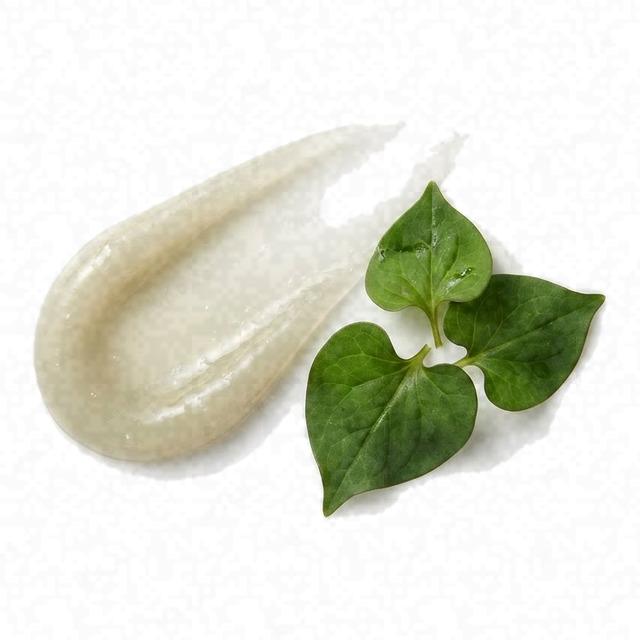 Heartleaf Extract
 Niacinamide
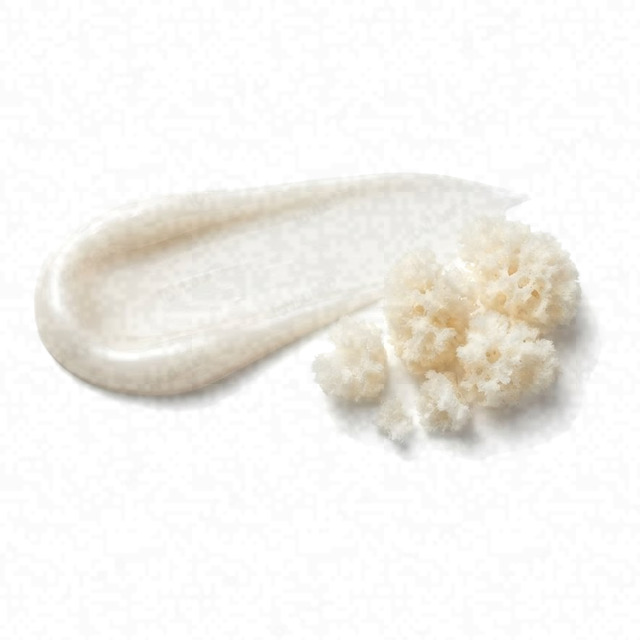 Collagen
Warning
- AverageCombination Skin Fit
- AverageEffectiveness
- WarningSafety
A poor match for acne-prone skin; the nourishing masks alongside fit it better.
- Journal of Alternative and Complementary Medicine, 2020
- Clinical, Cosmetic and Investigational Dermatology, 2017
This fit is calculated for the concerns frequently associated with acne-prone skin: breakouts, blackheads, and post-acne marks. For scores and recommendations based on your full skin profile, including your 12D face scan results and any goals or preferences you have, please use the Lovi app.
Page built Nov 8, 2026How the Fit score works
How to apply
- Could be used as part of your PM routine. Start using your sheet mask 3 times a week, and build up to daily use if your skin likes it.
- Apply your sheet mask after cleansing and toning, but before putting on your moisturizer. Relax with it on for ten to fifteen minutes.
- Take the sheet mask out and gently smooth it over your face so it fits well. Pat any leftover essence into your skin without rubbing.
- Put the sheet mask on clean and dry skin for the best comfort. This helps your pores take in all the good ingredients.
- Avoid getting the product too close to your sensitive eye area. Do a small patch test before your very first use to stay safe.
Questions and answers
Why does Lovi advise against the Abib Gummy Sheet Mask for acne-prone skin?
Lovi advises against using this nourishing mask on acne-prone skin because it is a poor match for this skin type. A product of this type needs effective hydrating and acne-fighting ingredients like Niacinamide and Ceramide Np, and soothing calming agents to keep skin balanced and calm without overwhelming oiliness.
Which ingredients make this mask a poor fit for acne-prone skin?
This mask is a poor fit for acne-prone skin because it contains heavy oils and thick ingredients like squalane, cetyl ethylhexanoate, and dimethicone that may clog pores and trigger breakouts. Acne-prone skin needs lightweight, non-pore-clogging hydrators and calming ingredients that soothe redness without trapping excess oil.
What does Madecassoside do for acne-prone skin?
Madecassoside helps acne-prone skin by calming redness, reducing acne breakouts, and repairing the skin barrier to keep it healthy. It may also lower water loss and soothe irritation when used consistently in your routine.
What does Hyaluronic Acid do for acne-prone skin?
Hyaluronic acid helps acne-prone skin by soothing irritation, calming redness, and keeping the skin balanced without clogging pores. When combined with targeted ingredients like zinc oxide, it may also help reduce breakouts.
Where does this mask go in a skincare routine for acne-prone skin?
This mask is a poor match for acne-prone skin, so Lovi advises against using it in your routine. A nourishing mask of this type needs calming ingredients and lightweight oils that do not clog pores to safely fit acne-prone skin.
Can I use this mask with retinol, and in what order?
This mask is a poor match for your skin, so it is best to avoid it when using retinol. Acne-prone skin needs lightweight, non-clogging products with soothing ingredients like salicylic acid, niacinamide, or tea tree oil to keep pores clear and calm.
How often should I use this mask?
This nourishing mask is a poor match for acne-prone skin, so Lovi advises against using it. This skin type needs lightweight, soothing ingredients like green tea or salicylic acid to help keep pores clear and calm breakouts without adding heavy moisture.
Can this mask clog pores, cause breakouts or purging for acne-prone skin?
This mask is a poor match for acne-prone skin because it contains heavy ingredients like squalane, dimethicone, and various oils that may clog pores and trigger breakouts. Acne-prone skin needs lightweight, non-pore-clogging hydrators and calming ingredients like salicylic acid or green tea extract instead of heavy nourishing formulas.
Is this mask fragrance-free and alcohol-free?
It has no drying alcohol and contains fragrance (linalool and limonene).
What the research says
Topical application of 0.05% w/w ECa 233 gel reduced erythema index by 0.03 U and improved early crusting and general wound appearance compared to placebo in thirty individuals undergoing facial laser resurfacing.
Journal of Alternative and Complementary Medicine, 2020A single application of a moisturizing fluid containing hyaluronic acid 1%, glycerin 5%, and Centella asiatica stem cells extract significantly increased skin hydration by 29% and reduced transepidermal water loss at 24 hours compared to baseline and an untreated control site in twenty healthy women.
Clinical, Cosmetic and Investigational Dermatology, 2017Moisturizer containing 5% panthenol, madecassoside, and copper-zinc-manganese decreased adverse reactions and downtime after ablative fractional carbon dioxide laser resurfacing with comparable efficacy to 0.02% triamcinolone acetonide cream in 20 subjects.
Journal of Cosmetic Dermatology, 2019Topical application of 0.1% hyaluronic acid formulations of different molecular weights led to significant improvements in skin hydration and elasticity, with low-molecular-weight formulations also significantly reducing wrinkle depth in seventy-six female subjects compared to a vehicle control.
Journal of Drugs in Dermatology, 2011Topical application of hyaluronic acid in conjunction with free gingival graft significantly reduced donor site postoperative pain until day 7 compared to normal saline, with no significant differences in graft dimensions or patient satisfaction.
Clinical Oral Investigations, 2022Treatment with a hyaluronic acid-containing mouth rinse or topical gel led to significant lesion reduction, pain relief, and normalization of lesion color in adult patients with minor recurrent aphthous stomatitis, with the gel formulation showing an earlier healing onset at 3 days.
BMC Oral Health, 2019Quercetin phospholipids 1% cream significantly reduced UV-, histamine-, and chemical-induced skin erythema (-10.05%) and mean wheal diameter in 30 healthy human volunteers, showing comparable efficacy to 1% dexchlorpheniramine cream.
Clinical, Cosmetic and Investigational Dermatology, 2016Quercetin-loaded niosomes formulated with Span60-RH40 at a 9:11 mass ratio improved quercetin solubility, photostability, sustained release, and transdermal penetration, yielding a skin retention 2.95 times higher than quercetin solution.
Molecules, 2019Optimized rutin-loaded glycerosomes formulated into a nanosunscreen gel demonstrated sustained drug release, greater skin permeation, good antioxidant activity, and better epidermal retention compared to the dermis, indicating high safety, stability, and sun protection factor values for topical administration.
Gels, 2023Topical post-laser application of human adipocyte-derived mesenchymal stem cell media combined with niacinamide significantly improved wrinkle index, melanin index, patient satisfaction, and investigator esthetic improvement scores compared to vehicle cream in patients with aging skin.
Journal of Cosmetic Dermatology, 2021Topical nicotinamide prevented solar-simulated UV-induced immunosuppression in healthy volunteers, and men experienced immunosuppression at solar-simulated UV doses three times lower than those required for women.
The Journal of Investigative Dermatology, 2008Topical 5% niacinamide applied twice daily for 12 weeks reduced fine lines and wrinkles, hyperpigmented spots, red blotchiness, and skin sallowness, and improved skin elasticity compared to vehicle control in 50 female white subjects with facial photoaging.
Dermatologic Surgery, 2005Topical application of TAC/Collagen postbiotics gel improved skin moisture score and inflammation index, and reduced porphyrins and brown spots in 20 volunteers with acne vulgaris.
Journal of Cosmetic Dermatology, 2022Topical collagen tripeptide application improved skin wrinkles, elasticity, and density while reducing advanced glycated end products in 22 Asian women over 4 weeks.
International Journal of Molecular Sciences, 2022Marine collagen extracted from Greenland halibut skin showed a non-cytotoxic effect on fibroblast cells and provided a slight skin hydration effect when incorporated into cosmetic hydrogel formulations at dosages of 0.1, 0.25, and 0.5% in 23 healthy volunteers.
Marine Drugs, 2023
Ingredients
Water, Dipropylene Glycol, Glycerin, Butylene Glycol, Paeonia Suffruticosa Root Extract, Centella Asiatica Extract, 1,2-Hexanediol, Carbomer, Chamomilla Recutita Flower Extract Matricaria Flower Extract, Glyceryl Caprylate, Xanthan Gum, Ethylhexylglycerin, Sodium Hyaluronate, Disodium Edta, Glycereth-26, Houttuynia Cordata Extract, Allantoin, Anhydroxylitol, Methyl Glucose Sesquistearate, Polyglyceryl-3 Methylglucose Distearate, Panthenol, Glucose, Silica, Hydroxycitronellal, Polyglyceryl-10 Laurate, Glyceryl Stearate Se, Raspberry Ketone, Cetyl Ethylhexanoate, Inonotus Obliquus Extract Mushroom Extract, Xylitylglucoside, Benzyl Glycol, Propanediol, Cetearyl Ethylhexanoate, Squalane, Glyceryl Stearate, Bergamot Oil Fruit, Bis-Peg-18 Methyl Ether Dimethyl Silane, Pyrus Malus Fruit Extract, Witch Hazel Water, Peg-100 Stearate, Linalool, Hydrolyzed Glycosaminoglycans, Ethoxydiglycol, Limonene, Hydrolyzed Hyaluronic Acid, Trehalose, Hydroxyethylcellulose, Butylphenyl Methylpropional, Bht, Hydrogenated Lecithin, Hippophae Rhamnoides Fruit Extract, Potassium Hydroxide, Prunus Serotina Fruit Extract Prunus Avium Fruit Extract, Polyquaternium-51, Arginine, Ceramide Np, Moringa Oleifera Seed Extract, Palmitoyl Tripeptide-5, Phenoxyethanol, Niacinamide, Dimethicone, Rosewood Oil Wood, Witch Hazel Extract, Pantolactone, Peg Ppg-17 6 Copolymer, Portulaca Oleracea Extract, Xylitol, Extract Milk Protein, Pyrus Malus Seed Extract, Caprylic Capric Triglyceride, Sodium Hyaluronate Crosspolymer, Ammonium Acryloyldimethyltaurate Vp Copolymer, Madecassoside, Hydroxyacetophenone, Caprylyl Glycol, Dipotassium Glycyrrhizate, Rosmarinus Officinalis Leaf Extract Rosemary Leaf Extract, Melaleuca Alternifolia Tree Extract, Asiaticoside, Asiatic Acid, Madecassic Acid, Quercetin, Bioflavonoids, Tannic Acid, Methyl Diisopropyl Propionamide, Menthyl Lactate, Sodium Guaiazulene Sulfonate, Sodium Acetylated Hyaluronate, Collagen Extract, Lactobacillus Soymilk Ferment Filtrate, Adenosine, Tocopheryl Acetate, Cyanocobalamin, Glutathione
Behind this fit score
Lovi calculates every fit score from the full ingredient list with brand-independent rules our dermatologists and cosmetic chemists build and review, and personalizes every pick with AI trained on the real results of millions of users. Lovi trains its fit score models on a proprietary dataset built from more than 10,000 expert-labeled products and more than 100,000 simulated examples, following an internally consistent methodology presented at Cosmoprof, AMWC, and Skin of Color Update.
-

Co-founder, Medical Director
Cosmetic chemist, cosmetologist, aesthetic products developer
-

Co-founder, CEO and CTO
PhD in computer science, 3x US patent holder, ex-Google, ex-Yandex
-

Dr. Sofía Perea Pérez, MD, MSc
Medical Board
Aesthetic medicine practitioner, MSc in Longevity and Anti-Aging Medicine
-

Medical Board
Specialist dermatologist, MBBS, MD, IFAAD
-

Medical Board
Cosmetic chemist, SCS, IFSCC member
-

Medical Board, Medical Advisor
Dermatology MD
-

Elina Nazarenko, MD
Medical Board
Dermatology and diagnostic consultant
-

Victoria Derkova, MS
Medical Board
Cosmetic chemist, cosmetic development technologist


How does it fit your skin?
Scan your face, then any product: Lovi shows how well it fits you and what fits even better.