The Body Shop Tea Tree Oil for skin with dark spots

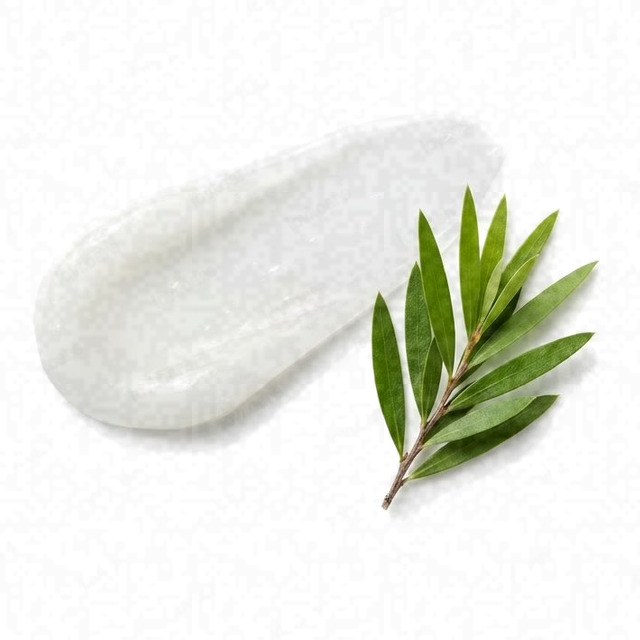 Melaleuca Alternifolia Tree Oil Leaf
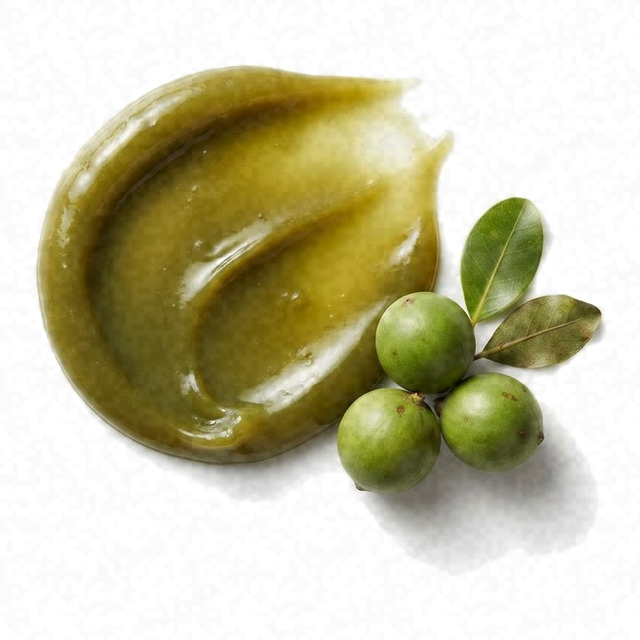 Calophyllum Inophyllum Seed Oil
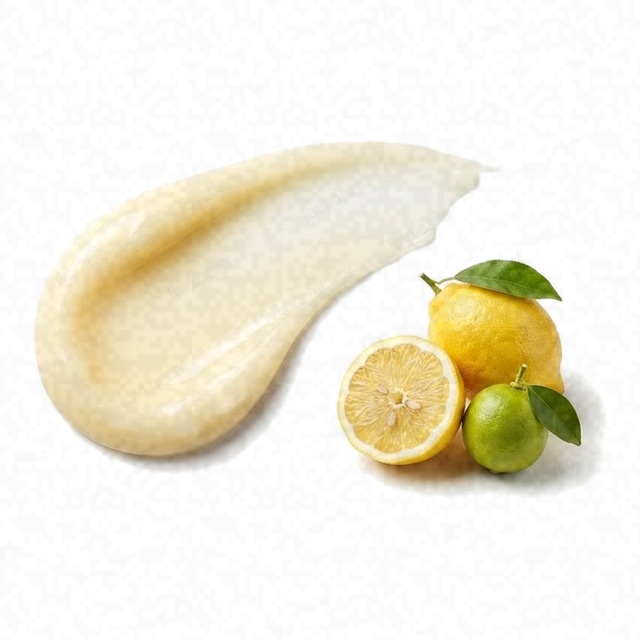 Limonene
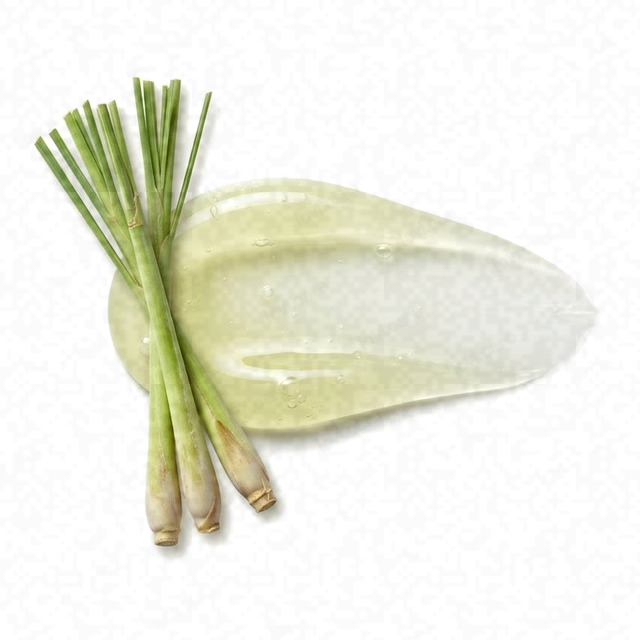 Citral
 Tocopherol
Average
- AverageNormal Skin Fit
- AverageEffectiveness
- HighSafety
Works for skin with dark spots; other serums fit it better.
This fit is calculated for the concerns frequently associated with dark spots: hyperpigmentation, sun spots, and uneven skin tone. For scores and recommendations based on your full skin profile, including your 12D face scan results and any goals or preferences you have, please use the Lovi app.
Page built Nov 8, 2026How the Fit score works
Lovi Assistant explains
- Offers moderate suitability for normal skin as Melaleuca Alternifolia Tree Oil Leaf provides antimicrobial action to help manage blemishes, though it lacks sufficient emollient ingredients like Calophyllum Inophyllum Seed Oil for optimal hydration.
- The formula provides general cleansing benefits that you will notice, but it does not contain specialized ingredients to address your pigmentation concerns.
- The safety profile is excellent, with no risks of irritation for your normal skin due to the absence of prohibited or harsh ingredients.
How to apply
- Apply this serum as part of your PM routine starting 3x/week and build up to daily use if your skin likes it.
- Place the serum after cleansing and toning, but before your moisturizer.
- Gently press 2-3 drops of the serum into your skin and wait a minute for it to absorb.
- Apply the serum on dry skin to help fade pigmentation effectively.
- Avoid the eye area and always use SPF 30+ during the day.
People Say
★4.6Overall rating based on 500+ reviewsThis product is highly regarded for its effectiveness as a spot treatment for oily and acne-prone skin, with many users reporting that it significantly reduces the size and redness of pimples, often overnight. A notable number of reviews also mention its fast absorption and good value, as a little product goes a long way. Some users experience a pleasant cooling sensation upon application. However, a significant portion of reviews highlight that the product can be excessively drying and may cause irritation or redness, particularly if applied to the entire face or on sensitive skin. The strong, medicinal scent is also frequently mentioned as a drawback.
Highlights
Effective spot treatment Mostly Mentioned
- “shrinks pimples”
- “reduces redness”
- “clears breakouts”
Quick absorption Often Mentioned
- “non-greasy”
- “lightweight texture”
- “sinks in fast”
Drying effect Often Mentioned
- “causes flaking”
- “dries out skin”
- “strips moisture”
Overpowering scent Often Mentioned
- “strong medicinal smell”
- “chemical odor”
- “lingers long”
Cooling sensation Sometimes Noted
- “refreshing feel”
- “tingly”
- “soothes inflammation”
Good value Sometimes Noted
- “lasts forever”
- “little goes long way”
- “cost-effective”
Skin irritation Sometimes Noted
- “stings upon application”
- “causes redness”
- “burns sensitive skin”
Natural alternative Rarely Noted
- “vegan”
- “community trade”
- “less harsh than chemicals”
Ineffective for cystic acne Rarely Noted
- “didn't work on deep spots”
- “no change for some”
Packaging issues Rarely Noted
- “leaks easily”
- “hard to open”
- “cap breaks”
Sources: lovi.care, influenster.com, thebodyshop.com, makeupalley.com, youtube.com, reddit.com, and more
Questions and answers
How well does The Body Shop Tea Tree Oil work for skin with dark spots?
This treatment works moderately for skin with dark spots, though other products fit this skin type better. It lacks specialized ingredients to address pigmentation concerns, whereas a well-suited product for dark spots needs a blend of effective antioxidants, soothing ingredients, and skin-repairing components like niacinamide and propolis.
Which ingredients make this treatment a good fit for skin with dark spots?
This treatment works for skin with dark spots because Melaleuca Alternifolia Tree Oil Leaf helps manage blemishes, but it does not address pigmentation concerns. A product of this type needs a blend of effective antioxidants and soothing ingredients that provide significant benefits for pigmentation concerns, along with hydrating components and skin-repairing ingredients.
Indian Journal of Dermatology, Venereology and Leprology, 2007Clinical Pharmacology, 2018
What does tea tree oil do for skin with dark spots?
Tea tree oil is generally used to clear breakouts and calm red, irritated areas rather than specifically fading dark spots. However, by helping to heal blemishes faster and reducing redness, it may indirectly prevent new dark spots from forming after breakouts heal.
Indian Journal of Dermatology, Venereology and Leprology, 2007Clinical Pharmacology, 2018
What does tamanu oil do for skin with dark spots?
Tamanu oil helps fade dark spots and marks by supporting healthy skin healing and cell renewal. It is unlikely to irritate the skin when used as directed in your routine.
Pharmaceuticals, 2024Advances in Clinical and Experimental Medicine, 2019
Where does this treatment go in a skincare routine for skin with dark spots?
This treatment goes in your evening routine, as treatments fit best there for simplicity and extra safety around sun exposure. However, this product lacks specialized ingredients to address your pigmentation concerns, so skin with dark spots needs treatments with brightening ingredients like vitamin C or specialized peptides.
Can I use this treatment with benzoyl peroxide, and in what order?
You can use this treatment in your evening routine, applying it after your cleansing toner and before your moisturizer. To properly target dark spots, this skin type needs specialized ingredients for pigmentation concerns along with softening oils for hydration.
How often should I use this treatment?
This treatment works best in your evening routine, starting once a week before seeing if your skin tolerates more frequent use. It helps manage blemishes safely with tea tree oil, though this skin with dark spots also needs targeted brightening ingredients and rich oils for hydration.
Indian Journal of Dermatology, Venereology and Leprology, 2007
Can this treatment clog pores, cause breakouts or purging for skin with dark spots?
This treatment is unlikely to clog pores or cause purging for your skin with dark spots because its formula lacks heavy ingredients that trap oil in the skin. However, it may cause a drying effect, so a product for this skin type needs extra hydrating ingredients to keep the face soft and comfortable.
Is this treatment fragrance-free and alcohol-free?
It contains fragrance (limonene, citral, and citronellol) and drying alcohol (alcohol denat).
What the research says
Topical 5% tea tree oil gel significantly improved total acne lesions and acne severity index compared to placebo in 60 patients with mild to moderate acne vulgaris, showing 3.55 times and 5.75 times greater efficacy respectively.
Indian Journal of Dermatology, Venereology and Leprology, 2007A cream combining propolis, tea tree oil, and Aloe vera reduced erythema scars, acne severity index, and total lesion count better than erythromycin cream in sixty patients with mild to moderate acne vulgaris compared to placebo.
Clinical Pharmacology, 2018Lactobacillus-fermented Chamaecyparis obtusa reduced inflammatory acne lesions by 65.3% compared to 38.2% with tea tree oil in 34 patients over 8 weeks, demonstrating superior efficacy, faster onset, and safety.
Dermatology, 2014Tea tree oil nanoemulsion containing adapalene gel demonstrated significantly greater reductions in total, inflammatory, and non-inflammatory acne lesions as well as acne severity index compared to adapalene marketed gel in 100 patients with acne vulgaris over 12 weeks.
Archives of Dermatological Research, 2022Topical tea tree oil treatment confirmed efficacy on Demodex mite blepharitis across fourteen papers evaluating chronic blepharitis compared to no treatment or alternative management.
BioMed Research International, 2022Weekly treatment with tea tree oil-saturated human amniotic membrane showed superior efficacy in healing pityriasis versicolor lesions and fungicidal activity compared to daily application of 1% tioconazole cream in 120 patients.
Cell and Tissue Banking, 2020Tamanu oil emulsion induced cell proliferation, glycosaminoglycan and collagen production, wound healing activity, and modulated gene expression in human skin cells compared to untreated cells.
Planta Medica, 2016Tamanu oil bigels demonstrated wound-healing and scar-reduction potential with good binding affinity to the TGF-beta1 receptor and better healing properties than a commercial formulation in rats, without causing dermal irritation in rabbits.
Pharmaceuticals, 2024Topical application of tamanu oil accelerated the formation of macrophage-granulation tissues and fibrosis while resulting in less wound contraction compared to normal saline and Centella asiatica in rats with induced wounds.
Journal of Wound Care, 2021Limonene protects immortalized human skin keratinocytes against UVB-induced photodamage and photoaging by increasing cell viability, inhibiting intracellular ROS generation, suppressing alpha-MSH secretion, and preventing depletion of tight junction proteins through activation of the Nrf2-dependent antioxidant defense system.
Environmental Toxicology, 2022A novel D-limonene and Gelucire 44/12 based microemulsion formulated with Labrasol and Labrafil M 1944 CS showed high stability, optical transparency, nanometric globule size, and a safe in vivo skin profile on mice ear skin.
Advanced Pharmaceutical Bulletin, 2021Topical application of Foeniculum vulgare compounds fenchone and limonene increased wound contraction and re-epithelialization in rats compared to untreated and sham control groups over 10 days.
Biotechnic & Histochemistry, 2017Topical application of 1% citral completely inhibited UVB-induced skin carcinogenesis by reducing oxidative stress and pro-inflammatory cytokine levels while increasing the apoptotic rate in male hairless mice compared to UVB-exposed controls.
Journal of Photochemistry and Photobiology. B, Biology, 2019Topical application of an antioxidant serum containing 15% ascorbic acid, 0.5% ferulic acid, and 1% tocopherol prevented particulate matter-induced degradation of extracellular matrix components, inflammation, and oxidative stress in the skin of 15 female volunteers compared to untreated controls.
Journal of Cosmetic Dermatology, 2025Dermatological products containing d-alpha tocopheryl acetate showed non-comedogenic potential with less than a 50% increase in microcomedones in 12 healthy male subjects compared to octyl palmitate.
Contemporary Clinical Trials Communications, 2021Topical application of an antioxidant mix containing 15% ascorbic acid, 0.5% ferulic acid, and 1% tocopherol prevented PM and UV-induced skin barrier perturbation, lipid peroxidation, inflammatory markers, MMP9 activation, and Type I collagen loss in 15 healthy females compared to untreated exposed skin.
Journal of Cosmetic Dermatology, 2024
Why other serums fit skin with dark spots better
Niacinamide significantly decreased hyperpigmentation and increased skin lightness compared with vehicle alone after 4 weeks of use in women by inhibiting melanosome transfer.
The British Journal of Dermatology, 2002Treatment with 14% ferulic acid and 12% l-ascorbic acid significantly reduced pigmentation and erythema while improving hydration and elasticity in 20 women with photoaged skin, with neither acid proving definitively more effective overall though ascorbic acid showed slightly greater skin lightening.
Dermatologic Therapy, 2022
Ingredients
Water, Alcohol Denat, Polysorbate 60, Melaleuca Alternifolia Tree Oil Leaf, Limonene, Calophyllum Inophyllum Seed Oil, Citral, Citronellol, Leptospermum Petersonii Tree Oil, Denatonium Benzoate, Tocopherol
Behind this fit score
Lovi calculates every fit score from the full ingredient list with brand-independent rules our dermatologists and cosmetic chemists build and review, and personalizes every pick with AI trained on the real results of millions of users. Lovi trains its fit score models on a proprietary dataset built from more than 10,000 expert-labeled products and more than 100,000 simulated examples, following an internally consistent methodology presented at Cosmoprof, AMWC, and Skin of Color Update.
-

Co-founder, Medical Director
Cosmetic chemist, cosmetologist, aesthetic products developer
-

Co-founder, CEO and CTO
PhD in computer science, 3x US patent holder, ex-Google, ex-Yandex
-

Dr. Sofía Perea Pérez, MD, MSc
Medical Board
Aesthetic medicine practitioner, MSc in Longevity and Anti-Aging Medicine
-

Medical Board
Specialist dermatologist, MBBS, MD, IFAAD
-

Medical Board
Cosmetic chemist, SCS, IFSCC member
-

Medical Board, Medical Advisor
Dermatology MD
-

Elina Nazarenko, MD
Medical Board
Dermatology and diagnostic consultant
-

Victoria Derkova, MS
Medical Board
Cosmetic chemist, cosmetic development technologist


How does it fit your skin?
Scan your face, then any product: Lovi shows how well it fits you and what fits even better.