
Tatcha The Silk Serum

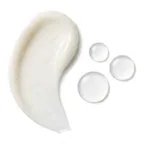 Squalane
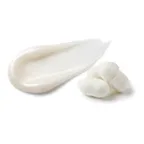 Hydrolyzed Silk
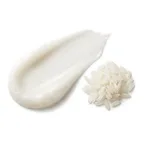 Saccharomyces Rice Ferment Filtrate
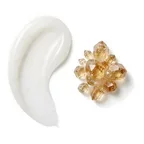 Tetrapeptide-4
 Glycerin
Squalane, hydrolyzed silk, and saccharomyces rice ferment filtrate hold in water, smooth the skin, and support barrier repair, so it suits sensitive skin, skin with dark spots, and dry sensitive skin best. For skin that needs oil control, serums with niacinamide and salicylic acid get higher fit scores. Where to buy in the US: Amazon.com, $99.00.
Each fit is calculated for the concerns frequently associated with that skin type. For scores and recommendations based on your full skin profile, including your 12D face scan results and goals, use the Lovi app.
Updated How the Fit score works
Where it fits best and least
Best fit High
Sensitive Skin, Skin with Dark Spots, Dry Sensitive Skin
A great choice for sensitive skin; a few serums fit it even better.
- Excellent suitability for normal skin is provided by Saccharomyces Rice Ferment Filtrate and Glycerin, which offer humectant action, alongside silk proteins and antioxidants like Camellia Sinensis Leaf Extract for barrier repair and antioxidant activity.
Lowest fit Average
Oily Skin, Dry Skin, Combination Skin, Acne-Prone Skin, Mature Skin, Oily Acne-Prone Skin
Works for oily skin; other serums fit it better.
- Offers moderate suitability for your oily skin as glycerin and betaine provide essential hydration without exacerbating oiliness, while hydrolyzed silk and sericin work to improve skin texture and elasticity.
Buy online

Prices checked 22 Nov 2026
How to apply
- Apply this serum PM, starting 3×/week and working up to daily use as your skin adjusts.
- Place the serum after cleansing and toner, but right before your moisturizer.
- Gently press 2-3 drops of the serum into your skin and let it absorb for a minute.
- Apply the serum on slightly damp skin to help lock in extra moisture.
- Avoid the eye area and do a patch test before your first use.
People Say
★4.6Overall rating based on 1.2k+ reviewsBased on a very large amount of data, users with sensitive or reactive skin find this serum to be a gentle, hydrating option that smooths texture and calms redness without causing irritation. Many reviewers, however, feel the high price is not justified by the subtle or slow-to-manifest anti-aging results compared to traditional retinoids.
Highlights
Improves skin texture Mostly Mentioned
- “skin feels silky”
- “softens rough patches”
- “smooths uneven tone”
Gentle retinol alternative Often Mentioned
- “effective for sensitive skin”
- “no "purge" phase”
Hydrating and plumping Often Mentioned
- “instantly boosts moisture”
- “leaves dewy finish”
- “plumps fine lines”
High price point Often Mentioned
- “expensive for size”
- “low value for money”
Luxurious experience Sometimes Noted
- “lightweight milky texture”
- “absorbs quickly”
- “spa-like scent”
Soothing properties Sometimes Noted
- “calms visible redness”
- “reduces irritation”
- “comforts barrier”
Lack of potency Sometimes Noted
- “results are subtle”
- “not as effective as retinol”
- “no change in deep wrinkles”
Strong fragrance Sometimes Noted
- “scent is overpowering”
- “smells like perfume”
- “irritates sensitive noses”
Packaging issues Rarely Noted
- “pump malfunctions”
- “opaque bottle hides level”
- “heavy/bulky component”
Skin reactions Rarely Noted
- “caused breakouts”
- “clogged pores”
- “triggered rash”
Sources: lovi.care, tatcha.com, sephora.com, ulta.com, spacenk.com, mecca.com, and more
Questions and answers
What makes Tatcha The Silk Serum a great fit for sensitive skin?
Tatcha The Silk Serum is a great fit for sensitive skin because it has an excellent safety profile with no harsh ingredients and includes soothing components. It provides gentle hydration and barrier care using rice ferment filtrate, glycerin, silk proteins, and green tea extract.
How well does Tatcha The Silk Serum work for oily skin?
Tatcha The Silk Serum works moderately well for oily skin because glycerin and betaine hydrate the skin without adding extra oil, while soothing extracts help keep skin calm and comfortable. To fit oily skin even better, a treatment of this type needs ingredients like niacinamide and zinc to control shine and address excess oil.
Clinical, Cosmetic and Investigational Dermatology, 2017Skin Research and Technology, 2003
How often should I use this serum?
You can use this serum in your evening routine, applying it after your toner and before your moisturizer. It is very gentle and safe for your skin, so daily use is unlikely to cause any irritation.
Is this serum fragrance-free and alcohol-free?
What makes Tatcha The Silk Serum a great fit for skin with dark spots?
This serum is a great fit for skin with dark spots because it uses diglucosyl gallic acid and mulberry leaf extract to brighten pigmentation and improve skin tone. It also contains rice ferment and glycerin to keep your skin hydrated and smooth while supporting your moisture barrier.
How well does Tatcha The Silk Serum work for dry skin?
What makes Tatcha The Silk Serum a great fit for dry sensitive skin?
Tatcha The Silk Serum is a great fit because it uses glycerin and squalane to deeply hydrate dry skin while strengthening your barrier for a smoother feel. It also includes soothing ingredients and rice ferment filtrate to help calm flaky areas safely without harsh irritants.
How well does Tatcha The Silk Serum work for combination skin?
This serum works moderately well for combination skin because glycerin and squalane provide essential moisture while hydrolyzed silk smooths the skin. However, it lacks targeted ingredients to control oily shine. A treatment for this skin needs ingredients like niacinamide, propolis, or zinc PCA to regulate oiliness and enhance radiance without causing irritation.
How well does Tatcha The Silk Serum work for acne-prone skin?
Tatcha The Silk Serum works with average suitability for acne-prone skin, providing gentle hydration while lacking specialized ingredients to directly target breakouts and control oiliness. Acne-prone skin needs products with effective ingredients like niacinamide, propolis, and zinc PCA that provide excellent skincare benefits for blemishes while maintaining moisture balance.
Clinical, Cosmetic and Investigational Dermatology, 2017Molecules, 2024
How well does Tatcha The Silk Serum work for mature skin?
Tatcha The Silk Serum works moderately well for mature skin, providing good hydration and smoothing benefits while posing no irritation risks. However, to truly target wrinkles and fine lines on mature skin, a product of this type needs specialized anti-aging ingredients like retinoids or targeted peptides combined with strong antioxidants and skin-repairing components.
How well does Tatcha The Silk Serum work for oily acne-prone skin?
Tatcha The Silk Serum works moderately well for oily acne-prone skin, as it offers balanced hydration through glycerin and betaine while lacking strong oil-control ingredients to address shine. A product of this type needs effective ingredients like niacinamide, propolis, or vitamin C to control excess oil and target blemishes without irritation.
Clinical, Cosmetic and Investigational Dermatology, 2017Skin Research and Technology, 2003
What the research says
Application of fullerene-C60 dissolved in squalane cream twice daily for 8 weeks significantly enhanced skin moisture and reduced wrinkle formation compared to placebo in 23 Japanese women without severe side effects.
Journal of Nanoscience and Nanotechnology, 2010Squalane at 0.005-0.015% counteracts UVA-induced oxidative stress, inflammation, and collagen metabolism inhibition while stimulating fibroblast migration in human dermal fibroblasts.
Molecules, 2025Plant-derived squalane protected human dermal fibroblasts against UVA-induced damage by counteracting ROS formation, suppressing apoptosis-related proteins p53, caspase-3, caspase-9, and PARP, and restoring the pro-survival p-Akt/mTOR pathway.
Antioxidants, 2025Topical application of sericin gels increased skin intrinsic moisturization, hydroxyproline content, and epidermal hydration while decreasing transepidermal water loss and skin impedance in healthy human volunteers.
Journal of Cosmetic Dermatology, 2005Silk protein sericin from the non-mulberry tropical tasar silkworm offers protection against hydrogen peroxide-induced oxidative stress in skin fibroblasts, restoring cell viability and lowering catalase, lactate dehydrogenase, and malondialdehyde activity compared to untreated cells.
BMB Reports, 2008Silk sericin treatment protected human keratinocytes and female SKH-1 hairless mouse skin from UVA and UVB radiation-induced damage by enhancing cell viability, reducing apoptosis, downregulating inflammatory cytokines, and decreasing oxidative stress compared to irradiated controls.
ACS Applied Bio Materials, 2018Daily application of a cream containing niosomes loaded with purple glutinous rice extract in 20 human volunteers for 28 days resulted in a significant decrease in melanin index and skin roughness by -14.05% and -9.95%, and increases in skin hydration and elastic recovery by +48.73% and +35.98% compared to initial values.
International Journal of Cosmetic Science, 2020The iontophoretic delivery of hyaluronic acid nanogel-loaded Saccharomyces/Rice Ferment Filtrate significantly reduced advanced glycation end products and mitigated skin stiffening in an ex vivo skin tissue glycation model.
International Journal of Nanomedicine, 2025Black rice extract treatment downregulated MMP-1 and MMP-3 expression, increased type I procollagen expression, and reduced reactive oxygen species production in ultraviolet-irradiated HaCaT and human dermal fibroblast skin cells.
International Journal of Molecular Medicine, 2018A single application of a moisturizing fluid containing hyaluronic acid 1%, glycerin 5%, and Centella asiatica stem cells extract significantly increased skin hydration by 29% and reduced transepidermal water loss at 24 hours compared to baseline and an untreated control site in twenty healthy women.
Clinical, Cosmetic and Investigational Dermatology, 2017The emollient V0034CR significantly reduced TEWL compared to vehicle and vehicle plus glycerol, and significantly increased corneometry scores compared to vehicle and vehicle plus petrolatum in healthy volunteers with dry skin, demonstrating combined barrier function improvement from petrolatum and hydration improvement from glycerol.
Journal of Cosmetic Dermatology, 2020Ten days of treatment with a cream containing 20% glycerin significantly increased skin hydration measured by corneometer values in 17 healthy volunteers compared to a placebo cream, but showed no influence on transepidermal water loss or skin sensitivity to an irritating surfactant.
International Journal of Cosmetic Science, 2001Niacinamide/glycerin body moisturizers provided better rapid and prolonged improvement of cosmetic xerosis through functional improvement of stratum corneum barrier function compared to no treatment and conventional moisturizers in female subjects.
Journal of Drugs in Dermatology, 2012Silk peptide-hyaluronic acid based nanogels loaded with curcumin improved topical drug delivery, skin retention, and provided significant analgesic and anti-inflammatory activity with no skin irritation.
Frontiers in Chemistry, 2022Soaps containing betaine caused the least skin irritation compared to other tested soaps in twenty-eight healthy subjects, though irritation did not decrease with increasing concentrations of betaine.
Skin Research and Technology, 2003Daily application of Galactomyces ferment filtrate-containing skin products for 12 months significantly and cumulatively reversed 11-year facial skin aging parameters of wrinkles, hyperpigmented spots, and roughness, and increased skin hydration in 86 female volunteers.
Journal of Clinical Medicine, 2023A combination of Aloe barbadensis leaf extract and trimethylglycine in a 1:1 mass ratio synergistically increased aquaporin 3 expression by up to 380% in keratinocytes and safely improved skin hydration in healthy volunteers.
Molecules, 2024Topical application of a 6% green tea extract formulation increased skin moisture, enhanced skin elasticity, and improved skin microrelief by reducing roughness in 24 volunteers compared to vehicle and control over 30 days.
Dermatologic Therapy, 2013Topical low-dose green tea extract reduces UVB-induced p53 expression and apoptosis in human skin keratinocytes compared to placebo.
Experimental Dermatology, 2009Application of Galactomyces ferment filtrate skin care formula significantly reduced the net values and daily fluctuation of facial pore area, roughness, and redness in young Japanese women.
Journal of Clinical Medicine, 2021Diglucosyl gallic acid exhibits stronger tyrosinase inhibition than VC with an IC50 of 2.68 mg/mL, and its application as a cosmetic ingredient improves skin brightness while reducing ultraviolet spots, melanin, and erythema in human volunteers.
International Journal of Cosmetic Science, 2022Sericin enhances the initial attachment and increases the living cell number of cultured human skin fibroblasts to 250% compared to a no-sericin control after 72 hours, with sericin M and its serine-rich repetitive domain acting as the active principles.
Bioscience, Biotechnology, and Biochemistry, 2005Cutaneous safflower oil decreased the triene:tetraene ratio from 0.5 to 0.2 and significantly increased linoleic and arachidonic acid levels in five patients on home parenteral nutrition.
The American Journal of Clinical Nutrition, 1987
Ingredients
Water, Saccharomyces Rice Ferment Filtrate, Glycerin, Betaine, Pentylene Glycol, Caprylic Capric Triglyceride, Propanediol, Cranberry Fruit Extract, Crithmum Maritimum Extract, Camellia Sinensis Leaf Extract, Cladosiphon Okamuranus Extract, Squalane, Sericin, Morus Alba Leaf Extract, Hydrolyzed Silk, Carthamus Tinctorius Seed Oil, Tetrapeptide-4, Polyglyceryl-10 Stearate, Diglucosyl Gallic Acid, Helianthus Annuus Seed Oil Sunflower Seed Oil, Hydrolyzed Conchiolin Protein, Caprylyl Glycol, Acrylates C10-30 Alkyl Acrylate Crosspolymer, Prunus Amygdalus Dulcis Oil, Bergamot Oil Fruit, Lemon Peel Oil, Citrus Latifolia Peel Oil, Lavandula Angustifolia Oil Lavender Oil, Ocimum Basilicum Oil, Eucalyptus Globulus Oil Leaf, Juniperus Virginiana Oil, Amyris Balsamifera Oil Bark, 1,2-Hexanediol, Butylene Glycol, Sodium Citrate, Citric Acid, Disodium Edta, Potassium Hydroxide, Synthetic Fluorphlogopite, Tin Oxide, Citral, Limonene, Linalool, Ethylhexylglycerin, Phenoxyethanol, Titanium Dioxide Ci 77891
Behind these fit scores
Lovi calculates every fit score from the full ingredient list with brand-independent rules our dermatologists and cosmetic chemists build and review, and personalizes every pick with AI trained on the real results of millions of users. Lovi trains its fit score models on a proprietary dataset built from more than 10,000 expert-labeled products and more than 100,000 simulated examples, following an internally consistent methodology presented at Cosmoprof, AMWC, and Skin of Color Update.
-

Co-founder, Medical Director
Cosmetic chemist, cosmetologist, aesthetic products developer
-

Co-founder, CEO and CTO
PhD in computer science, 3x US patent holder, ex-Google, ex-Yandex
-

Dr. Sofía Perea Pérez, MD, MSc
Medical Board
Aesthetic medicine practitioner, MSc in Longevity and Anti-Aging Medicine
-

Medical Board
Specialist dermatologist, MBBS, MD, IFAAD
-

Medical Board
Cosmetic chemist, SCS, IFSCC member
-

Medical Board, Medical Advisor
Dermatology MD
-

Elina Nazarenko, MD
Medical Board
Dermatology and diagnostic consultant
-

Victoria Derkova, MS
Medical Board
Cosmetic chemist, cosmetic development technologist


How does it fit your skin?
Scan your face, then any product: Lovi shows how well it fits you and what fits even better.