Skin Nutrition Botanicals Niacinamide 5% + Squalane Serum for acne-prone skin

 Niacinamide
 Squalane
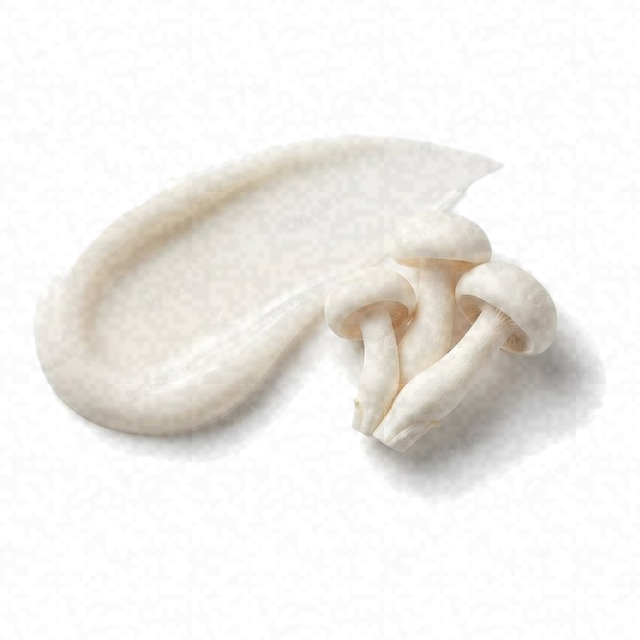 Kojic Acid
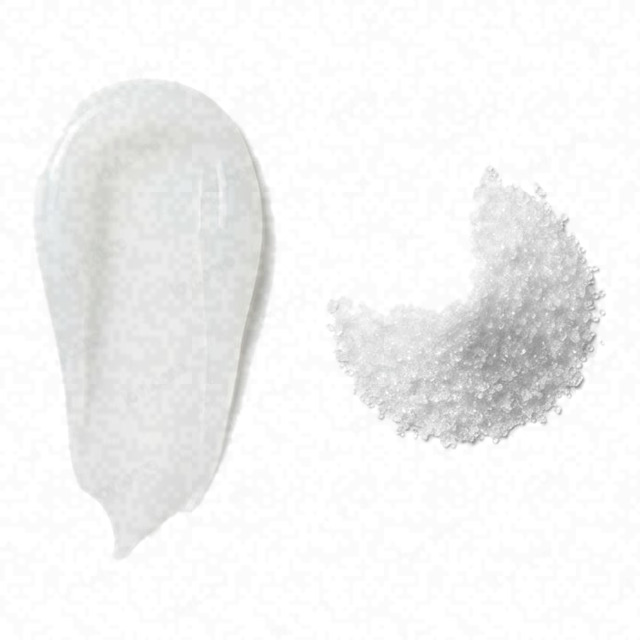 Zinc Gluconate
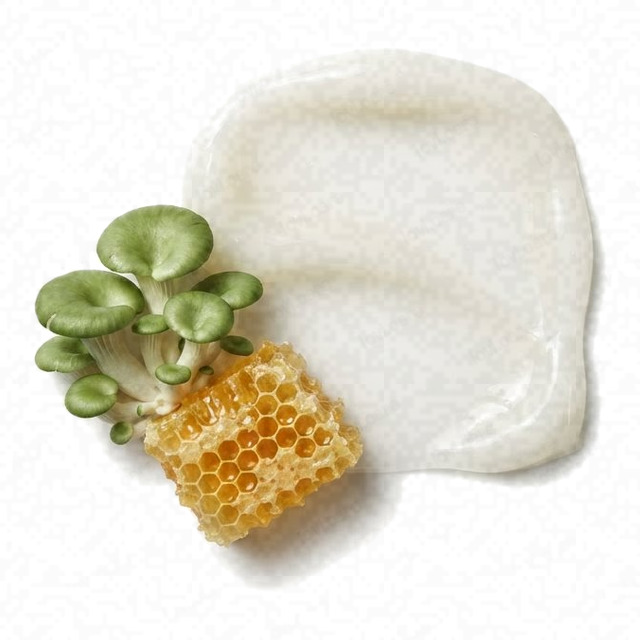 Panthenol
High
- HighCombination Skin Fit
- HighEffectiveness
- ExcellentSafety
A great choice for acne-prone skin; a few serums fit it even better.
This fit is calculated for the concerns frequently associated with acne-prone skin: breakouts, blackheads, and post-acne marks. For scores and recommendations based on your full skin profile, including your 12D face scan results and any goals or preferences you have, please use the Lovi app.
Page built Nov 8, 2026How the Fit score works
Lovi Assistant explains
- Highly suitable for combination skin, this serum utilizes niacinamide and zinc gluconate for effective seboregulation, while glycerin and panthenol provide essential hydration. Kojic acid also works to brighten and even your skin tone, addressing some of your concerns.
- The formula offers general skincare benefits and hydration supportive for acne-prone skin, though it lacks specific ingredients to directly target acne, blemishes, and breakouts.
- The safety profile is excellent, with no risks of irritation for your acne-prone skin due to the absence of harsh ingredients and the inclusion of soothing components.
How to apply
- Use your serum as part of your PM routine and start 3x/week before working up to daily use.
- Apply this treatment after cleansing and toner, and before your moisturizer.
- Gently press 2-3 drops of the serum into your skin and let it absorb for a minute.
- Apply the product on clean, dry skin to help manage your breakouts safely.
- Avoid the eye area and do a patch test before your first use.
People Say
★4.5Overall rating based on 100+ reviewsSome users with sensitive skin have reported mild irritation. There are also infrequent comments regarding the brand's lack of transparency and difficulty in finding the product.
Highlights
Affordable price Mostly Mentioned
- “accessible way to try skincare without the hefty price tag”
- “surprisingly effective for the price point”
- “elevate your skincare game without draining your wallet”
- “the price feels shocking”
Hydrating and moisturizing Often Mentioned
- “makes your skin nice and smooth”
- “maintains skin hydration effectively”
- “softens, hydrates and moisturizes”
- “skin just feels fresher”
Causes irritation Sometimes Noted
- “makes my skin burn when I put moisturizer over it”
- “had some kind of reaction to it, face became tight and red”
- “stings even after letting the serum sit”
- “can be an irritant for some, especially those with very sensitive skin”
Hard to find Rarely Noted
- “cannot find any of these, are they just in the US?”
- “hard to find the specific serum in stores”
- “all look similar, maybe I've missed it”
- “still on the hunt for it”
Lacks transparency Rarely Noted
- “company has no contact info or presence otherwise”
- “super sus, hard to find company info”
- “genuinely worried about bad labeling or inconsistent packaging”
- “not been able to find anything on the product nor the company”
Sources: lovi.care, reddit.com, ebay.com, skinsort.com, lemon8-app.com, and more
Questions and answers
What makes Skin Nutrition Botanicals Niacinamide 5% + Squalane Serum a great fit for acne-prone skin?
Skin Nutrition Botanicals Niacinamide 5% + Squalane Serum is a great fit because it uses niacinamide and zinc gluconate to help balance oil, alongside glycerin and panthenol to keep your skin hydrated. It also includes kojic acid to help brighten your skin tone, and is very unlikely to cause irritation since it avoids harsh ingredients.
Journal of Cosmetic Dermatology, 2026The British Journal of Dermatology, 2002
Which ingredients make this serum a good fit for acne-prone skin?
This serum is a great fit for acne-prone skin because niacinamide and zinc gluconate help balance oil production while glycerin and panthenol provide essential hydration. Additionally, kojic acid works to brighten and even your skin tone, and the formula is unlikely to cause irritation.
Journal of Cosmetic Dermatology, 2026The British Journal of Dermatology, 2002
What does Niacinamide do for acne-prone skin?
Niacinamide helps acne-prone skin by reducing both inflamed and uninflamed breakouts and calming redness. It is also very helpful for keeping oily skin balanced by cutting down on excess oil production, and it is well tolerated by most people.
What does Squalane do for acne-prone skin?
Squalane may help keep acne-prone skin soft and smooth, but peroxidated forms can trigger inflammation in skin cells. For a better fit on acne-prone skin, products need non-clogging, soothing ingredients that balance oil without causing irritation.
Where does this serum go in a skincare routine for acne-prone skin?
This treatment serum goes in your evening routine, applied after cleansing and before your moisturizer. Using it at night helps keep things simple and protects your skin from extra sun exposure.
Can I use this serum with retinol, and in what order?
Yes, you can use this serum with retinol by applying the serum first to hydrate and calm your skin, followed by your retinol. The formula is very safe and unlikely to cause irritation.
How often should I use this serum?
Use this serum in the evening as part of your routine. It is a great fit for your skin, and you can also use it in the morning or twice a day if your skin tolerates it well.
Can this serum clog pores, cause breakouts or purging for acne-prone skin?
This serum is unlikely to clog pores or cause breakouts on acne-prone skin because it contains soothing components and lacks harsh ingredients. It also has an excellent safety profile with very low risks of irritation.
Is this serum fragrance-free and alcohol-free?
Yes, it has no fragrance and no drying alcohol.
What the research says
A dermocosmetic cream containing Punica granatum Pericarp extract, Salicylic acid, Niacinamide, Zinc gluconate, and Aqua Posae Filiformis significantly decreased inflammatory, non-inflammatory, and total lesion counts in subjects with mild to moderate acne compared to untreated hemi-faces after 15 days.
Journal of Cosmetic Dermatology, 2026Niacinamide significantly decreased hyperpigmentation and increased skin lightness compared with vehicle alone after 4 weeks of use in women by inhibiting melanosome transfer.
The British Journal of Dermatology, 2002Topical dexpanthenol acts as a moisturizer, improves stratum corneum hydration, accelerates wound healing and epidermal regeneration, reduces erythema, and improves symptoms of skin irritation compared to vehicle or no pretreatment.
American Journal of Clinical Dermatology, 2002Daily use of a deep cleansing gel containing salicylic acid 2%, zinc gluconate 0.2% and lipohydroxy acid 0.05% significantly reduced total lesion count by 56.3% after 84 days in 35 subjects with mild to moderate truncal acne.
Clinical, Cosmetic and Investigational Dermatology, 2023Topical post-laser application of human adipocyte-derived mesenchymal stem cell media combined with niacinamide significantly improved wrinkle index, melanin index, patient satisfaction, and investigator esthetic improvement scores compared to vehicle cream in patients with aging skin.
Journal of Cosmetic Dermatology, 2021Topical nicotinamide prevented solar-simulated UV-induced immunosuppression in healthy volunteers, and men experienced immunosuppression at solar-simulated UV doses three times lower than those required for women.
The Journal of Investigative Dermatology, 2008Topical 5% niacinamide applied twice daily for 12 weeks reduced fine lines and wrinkles, hyperpigmented spots, red blotchiness, and skin sallowness, and improved skin elasticity compared to vehicle control in 50 female white subjects with facial photoaging.
Dermatologic Surgery, 2005Squalane at 0.005-0.015% counteracts UVA-induced oxidative stress, inflammation, and collagen metabolism inhibition while stimulating fibroblast migration in human dermal fibroblasts.
Molecules, 2025Plant-derived squalane protected human dermal fibroblasts against UVA-induced damage by counteracting ROS formation, suppressing apoptosis-related proteins p53, caspase-3, caspase-9, and PARP, and restoring the pro-survival p-Akt/mTOR pathway.
Antioxidants, 2025A topical formulation containing kojic acid, emblica extract, and glycolic acid demonstrated efficacy parity compared with hydroquinone 4% in multiethnic participants with mild to moderate facial dyschromia.
Cutis, 2010A nanoemulsion containing 1 mg/mL kojic dipalmitate and 5% rosehip oil demonstrated high incorporation efficiency, suitable physicochemical stability, antioxidant and depigmenting efficacy close to 1 mM ascorbic acid, and no cytotoxicity at concentrations from 0.06% to 1% in vitro.
Pharmaceutics, 2023Topical application of iron chelators kojic acid and deferiprone significantly accelerated wound healing in rats compared to control groups, with deferiprone showing superior efficacy due to higher antioxidant and iron chelation abilities.
International Wound Journal, 2013Different strains of Propionibacterium acnes modulate cutaneous innate immunity with varying pro-inflammatory potentials, with P. acnes type III showing the highest and P. avidum the weakest, and zinc gluconate down-regulates the expression of most induced immune markers.
Experimental Dermatology, 2013Zinc gluconate induced alpha2, alpha3, alphaV, and alpha6 integrins, copper gluconate induced alpha2, alpha6, and beta1, and manganese gluconate induced most studied integrins in cultured keratinocytes.
The British Journal of Dermatology, 1999Moisturizer containing 5% panthenol, madecassoside, and copper-zinc-manganese decreased adverse reactions and downtime after ablative fractional carbon dioxide laser resurfacing with comparable efficacy to 0.02% triamcinolone acetonide cream in 20 subjects.
Journal of Cosmetic Dermatology, 2019Topical dexpanthenol formulated in lipophilic vehicles improved stratum corneum hydration and reduced transepidermal water loss compared to vehicle control in humans.
Arzneimittel-Forschung, 2000Hyaluronic acid, hyaluronic acid plus dexpanthenol, and isotonic saline nasal sprays all significantly improved dry nose symptoms over four weeks in 240 patients, with hyaluronic acid plus dexpanthenol providing superior nasal moisturisation compared to the other two.
Auris, Nasus, Larynx, 2020
Ingredients
Glycerin, Rice Ferment Filtrate, Kojic Acid, Sucrose, Squalane, Saccharomyces Xylinum Black Tea Ferment, Panthenol, Zinc Gluconate, Hydrolyzed Jojoba Esters, Disodium Edta, Carbomer, Beta-Carotene, Lauryl Glucoside, Xanthan Gum, Phenoxyethanol, Ethylhexylglycerin, Sodium Dehydroacetate, Tocopherol
Behind this fit score
Lovi calculates every fit score from the full ingredient list with brand-independent rules our dermatologists and cosmetic chemists build and review, and personalizes every pick with AI trained on the real results of millions of users. Lovi trains its fit score models on a proprietary dataset built from more than 10,000 expert-labeled products and more than 100,000 simulated examples, following an internally consistent methodology presented at Cosmoprof, AMWC, and Skin of Color Update.
-

Co-founder, Medical Director
Cosmetic chemist, cosmetologist, aesthetic products developer
-

Co-founder, CEO and CTO
PhD in computer science, 3x US patent holder, ex-Google, ex-Yandex
-

Dr. Sofía Perea Pérez, MD, MSc
Medical Board
Aesthetic medicine practitioner, MSc in Longevity and Anti-Aging Medicine
-

Medical Board
Specialist dermatologist, MBBS, MD, IFAAD
-

Medical Board
Cosmetic chemist, SCS, IFSCC member
-

Medical Board, Medical Advisor
Dermatology MD
-

Elina Nazarenko, MD
Medical Board
Dermatology and diagnostic consultant
-

Victoria Derkova, MS
Medical Board
Cosmetic chemist, cosmetic development technologist


How does it fit your skin?
Scan your face, then any product: Lovi shows how well it fits you and what fits even better.