Skin Better Science Alto Advanced Defense and Repair Serum for acne-prone skin

 Niacinamide
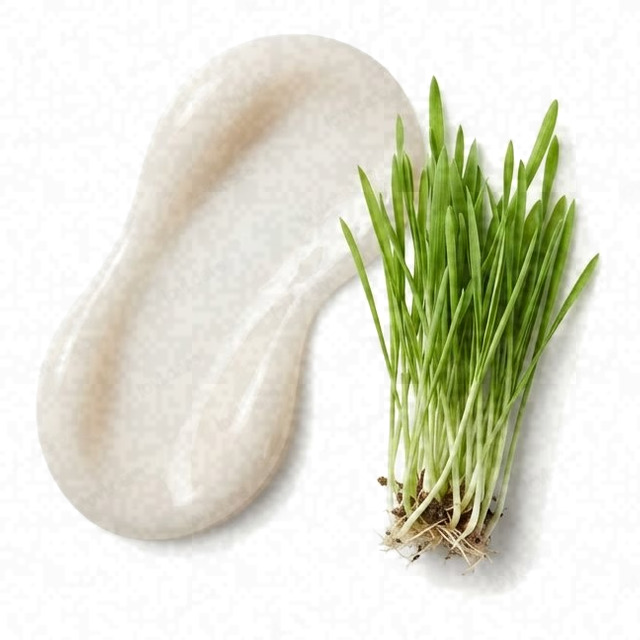 Superoxide Dismutase
 Tetrahexyldecyl Ascorbate
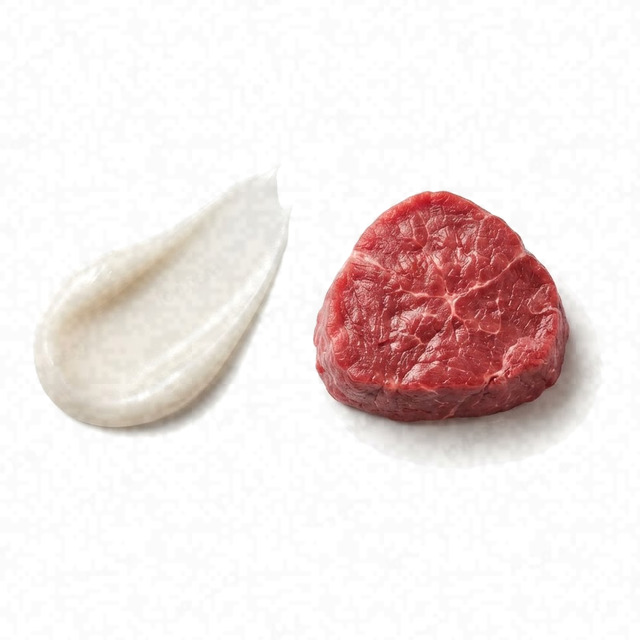 Carnosine
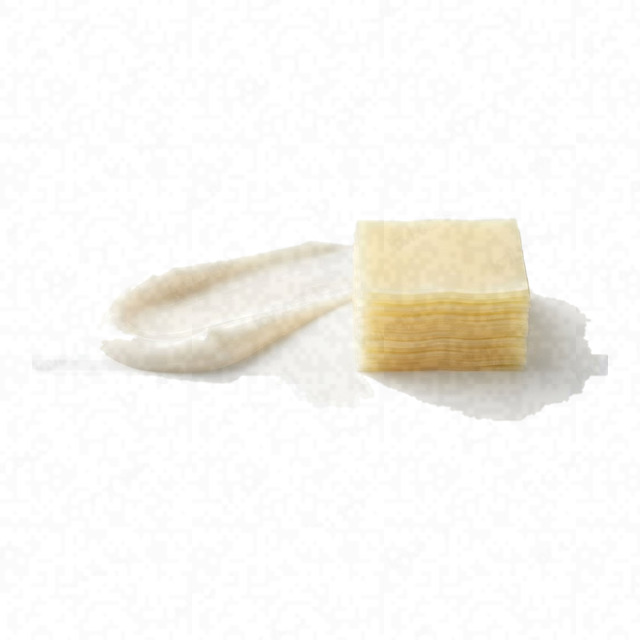 Ceramide Ap
Average
- AverageCombination Skin Fit
- AverageEffectiveness
- HighSafety
Works for acne-prone skin; other serums fit it better.
- Clinical, Cosmetic and Investigational Dermatology, 2017
- Proceedings of the National Academy of Sciences of the United States of America, 2000
This fit is calculated for the concerns frequently associated with acne-prone skin: breakouts, blackheads, and post-acne marks. For scores and recommendations based on your full skin profile, including your 12D face scan results and any goals or preferences you have, please use the Lovi app.
Page built Nov 8, 2026How the Fit score works
Lovi Assistant explains
- Offers moderate suitability for combination skin, as niacinamide helps regulate oil production and glycerin provides hydration, though it doesn't specifically target your acne, blemishes, and breakouts.
- The serum provides excellent protection against environmental stressors with ergothioneine and arabidopsis thaliana extract, which is beneficial for overall skin health.
- The product is safe for your acne-prone skin, containing soothing ingredients like Bisabolol and Camellia Sinensis Leaf Extract without harsh or prohibited substances.
How to apply
- Use your serum as part of your PM routine and start 3x/week before working up to daily use.
- Apply this treatment after cleansing and toner, and before your moisturizer.
- Gently press 2-3 drops of the serum into your skin and let it absorb for a minute.
- Apply the product on clean, dry skin to help manage your breakouts safely.
- Avoid the eye area and do a patch test before your first use.
Questions and answers
How well does Alto Advanced Defense and Repair Serum work for acne-prone skin?
This serum works for acne-prone skin, though other products fit it better because it does not specifically target blemishes and breakouts. To truly fit this skin well, a product of this type needs effective ingredients like niacinamide, zinc PCA, and propolis to target acne while keeping combination skin balanced and hydrated without excess oil.
Which ingredients make this serum a good fit for acne-prone skin?
Niacinamide helps regulate oil production while bisabolol and green tea extract calm the skin, though an acne-prone skin type needs targeted blemish-fighting ingredients like propolis or zinc PCA to achieve the best results.
What does Niacinamide do for acne-prone skin?
Niacinamide helps acne-prone skin by reducing both inflamed and uninflamed breakouts and calming redness. It is also very helpful for keeping oily skin balanced by cutting down on excess oil production, and it is well tolerated by most people.
What does Superoxide Dismutase do for acne-prone skin?
Superoxide Dismutase helps calm acne-prone skin by acting as an antioxidant that reduces oxidative stress and inflammation linked to breakouts. It protects skin from sun and environmental damage, making it a soothing addition to your daily routine.
International Journal of Cosmetic Science, 2004Journal of Molecular Medicine, 2020
Where does it go in a skincare routine for acne-prone skin?
This treatment goes in the evening routine, applied after cleansing and before your moisturizer. To better fit acne-prone skin, a product of this type needs targeted blemish-fighting ingredients like salicylic acid or benzoyl peroxide.
Can I use this serum with retinol, and in what order?
You can use this treatment in your evening routine after cleansing and toning, and before applying your moisturizer. To best care for acne-prone skin, this type of product also needs targeted ingredients that directly clear breakouts and calm blemishes.
How often should I use it?
This treatment is used in the evening, applying it as part of your nighttime routine. While it is safe for acne-prone skin and provides good protection, this type of skin needs products with ingredients that directly target breakouts and blemishes to get the best fit.
Can this serum clog pores, cause breakouts or purging for acne-prone skin?
This serum is unlikely to cause breakouts or clog pores on acne-prone skin because it contains soothing ingredients like bisabolol and green tea extract without harsh or pore-clogging substances, though acne-prone skin often needs targeted blemish-fighting ingredients and oil-balancing components to work best.
Is it fragrance-free and alcohol-free?
Yes, it has no fragrance and no drying alcohol. Cetearyl alcohol is a fatty alcohol, which soften the skin.
What the research says
A single application of a moisturizing fluid containing hyaluronic acid 1%, glycerin 5%, and Centella asiatica stem cells extract significantly increased skin hydration by 29% and reduced transepidermal water loss at 24 hours compared to baseline and an untreated control site in twenty healthy women.
Clinical, Cosmetic and Investigational Dermatology, 2017Topical application of photolyase-containing liposomes followed by photoreactivating light decreased UVB-induced dimers by 40-45% and prevented immunosuppression, erythema, and sunburn-cell formation in healthy human subjects.
Proceedings of the National Academy of Sciences of the United States of America, 2000A targeted skincare regimen containing active ingredients such as rhodophyceae extract, ergothioneine, and L-carnosine significantly reduced transepidermal water loss by 24.09%, improved skin elasticity, and decreased redness, dryness, and desquamation in thirty-five female Chinese participants over 4 weeks following advanced optimal pulse technology treatment.
International Journal of Cosmetic Science, 2025An anti-acne hydrogel containing Aloe barbadensis, Garcinia mangostana, and Camellia sinensis extracts showed superior antiacne and antiblotch activities compared to 1% clindamycin gel in sixty subjects with mild-moderate acne.
Clinical, Cosmetic and Investigational Dermatology, 2019Topical post-laser application of human adipocyte-derived mesenchymal stem cell media combined with niacinamide significantly improved wrinkle index, melanin index, patient satisfaction, and investigator esthetic improvement scores compared to vehicle cream in patients with aging skin.
Journal of Cosmetic Dermatology, 2021Topical nicotinamide prevented solar-simulated UV-induced immunosuppression in healthy volunteers, and men experienced immunosuppression at solar-simulated UV doses three times lower than those required for women.
The Journal of Investigative Dermatology, 2008Topical 5% niacinamide applied twice daily for 12 weeks reduced fine lines and wrinkles, hyperpigmented spots, red blotchiness, and skin sallowness, and improved skin elasticity compared to vehicle control in 50 female white subjects with facial photoaging.
Dermatologic Surgery, 2005Topical application of TAT-SOD significantly suppresses UVB-induced erythema formation, blood flow rise, and apoptotic sunburn cell formation in human volunteers compared to a vehicle control.
European Journal of Pharmaceutics and Biopharmaceutics, 2016Topical treatment with the synthetic SOD/catalase mimetic EUK-134 reduced lipid peroxide levels both at baseline on non-irradiated human skin and at the surface of UVA-exposed skin when applied before or after irradiation, compared to controls.
International Journal of Cosmetic Science, 2004Topical superoxide dismutase formulations maintained physical stability and enzymatic activity for 6 months at 4 and 30 degrees C, and effectively inhibited UVB-induced skin erythema for 48 hours, whereas formulations combined with alpha-tocopherol were unstable.
European Journal of Pharmaceutics and Biopharmaceutics, 2007Topical application of 5% vitamin C cream significantly improved global clinical scores, increased skin microrelief density, and induced elastic tissue repair in photoaged skin compared to excipient control in healthy female volunteers.
Experimental Dermatology, 2003Ascorbic acid 2-glucoside gel significantly reduced gingival melanin pigmentation after 4 weeks compared to placebo in 73 subjects with symmetric pigmentation.
Journal of Periodontology, 2009Topical application of VC-IP cream twice daily for 8 weeks reduces periorbital wrinkles in female subjects compared to a placebo cream.
Journal of Cosmetic Dermatology, 2022A night cream containing melatonin, carnosine, and Helichrysum italicum extract reduced oxidative stress ex vivo and improved hydration, reduced transepidermal water loss, decreased wrinkles and spots, and lowered skin reactivity in 117 individuals over up to 12 weeks of nightly use.
Dermatology and Therapy, 2020Supramolecular carnosine improves skin reactivity, upregulates Nrf2 expression, activates antioxidant defenses, and reduces AGE levels while demonstrating whitening efficacy in cells and clinical tests compared to conventional carnosine.
Advanced Healthcare Materials, 2024Topical application of carnosine and a novel facial cream containing carnosine protects against methylglyoxal-induced glycation by significantly reducing levels of advanced glycation end-products carboxymethyl-lysine and pentosidine in both the epidermis and reticular dermis of human skin explants.
Skin Pharmacology and Physiology, 2018
Why other serums fit acne-prone skin better
Topical nicotinamide plus an antibacterial adhesive agent and zinc-pyrrolidone carboxylic acid combined with adapalene significantly reduced noninflammatory acne lesions by the second week of therapy compared to placebo with adapalene in patients with moderate acne vulgaris.
The Journal of Clinical and Aesthetic Dermatology, 2020A cream combining propolis, tea tree oil, and Aloe vera reduced erythema scars, acne severity index, and total lesion count better than erythromycin cream in sixty patients with mild to moderate acne vulgaris compared to placebo.
Clinical Pharmacology, 2018Niacinamide and ferulic acid incorporated in a stable multiple emulsion successfully reduced melanin, sebum, and skin erythema while improving skin elasticity and hydration in human skin compared to a placebo.
BioMed Research International, 2022
Ingredients
Acacia Decurrens Wax Flower, Acacia Senegal Gum, Acrylates C10-30 Alkyl Acrylate Crosspolymer, Water, Arabidopsis Thaliana Extract, Arginine, Benzylidene Dimethoxydimethylindanone, Bisabolol, Buddleja Officinalis Flower Extract, Butylene Glycol, Camellia Sinensis Leaf Extract, Carbomer, Carnosine, Ceramide Ap, Ceramide Eop, Ceramide Np, Cetearyl Alcohol, Ceteth-20 Phosphate, Chlorogenic Acids, Cholesterol, Citric Acid, Coffea Arabica Extract Cell Leaf Coffee Extract Cell Leaf, Crocus Sativus Extract Cell Leaf Culture, Curcuma Longa Root Extract, Dextran, Dicetyl Phosphate, Diisostearyl Malate, Dimethyl Isosorbide, Ergothioneine, Ethylhexyl Olivate, Ethylhexylglycerin, Euterpe Oleracea Fruit Extract, Glycerin, Glycyrrhiza Glabra Root Extract Licorice Root Extract, Helianthus Annuus Wax Seed Sunflower Wax Seed, Hydrolyzed Sodium Hyaluronate, Jojoba Esters, Lauryl Lactate, Lecithin, Linoleic Acid, Linolenic Acid, Methyl Gluceth-20, Micrococcus Lysate, Niacinamide, Olea Europaea Fruit Extract Olive Fruit Extract, Pentaerythrityl Tetra-Di-T-Butyl Hydroxyhydrocinnamate, Pentylene Glycol, Phenoxyethanol, Phytosphingosine, Plankton Extract, Polyglycerin-3, Propanediol, Propanediol Dicaprylate Caprate, Pyrroloquinoline Quinone Allyl Ester, Ricinoleth-40, Sea Whip Extract, Sodium Hydroxide, Sodium Lauroyl Lactylate, Sodium Pca, Sodium Phytate, Steareth-2, Superoxide Dismutase, Tetrahexyldecyl Ascorbate, Theobroma Cacao Seed Extract, Tocopherol, Tocopheryl Acetate, Trifluoroacetyl Tripeptide-2, Ubiquinone, Vitis Vinifera Seed Extract Grape Seed Extract, Xanthan Gum, Zingiber Officinale Root Extract
Behind this fit score
Lovi calculates every fit score from the full ingredient list with brand-independent rules our dermatologists and cosmetic chemists build and review, and personalizes every pick with AI trained on the real results of millions of users. Lovi trains its fit score models on a proprietary dataset built from more than 10,000 expert-labeled products and more than 100,000 simulated examples, following an internally consistent methodology presented at Cosmoprof, AMWC, and Skin of Color Update.
-

Co-founder, Medical Director
Cosmetic chemist, cosmetologist, aesthetic products developer
-

Co-founder, CEO and CTO
PhD in computer science, 3x US patent holder, ex-Google, ex-Yandex
-

Dr. Sofía Perea Pérez, MD, MSc
Medical Board
Aesthetic medicine practitioner, MSc in Longevity and Anti-Aging Medicine
-

Medical Board
Specialist dermatologist, MBBS, MD, IFAAD
-

Medical Board
Cosmetic chemist, SCS, IFSCC member
-

Medical Board, Medical Advisor
Dermatology MD
-

Elina Nazarenko, MD
Medical Board
Dermatology and diagnostic consultant
-

Victoria Derkova, MS
Medical Board
Cosmetic chemist, cosmetic development technologist


How does it fit your skin?
Scan your face, then any product: Lovi shows how well it fits you and what fits even better.