RoC Derm Correxion Fill + Treat Serum for oily acne-prone skin

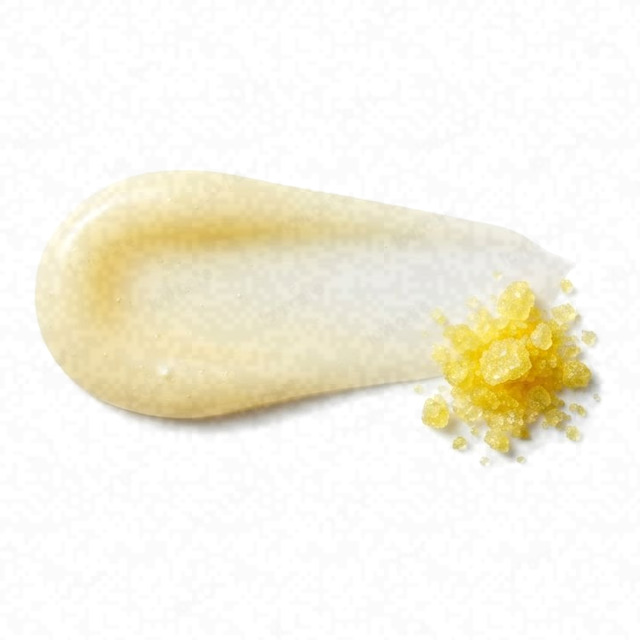 Advanced Retinol
 Triple Hyaluronic Acid
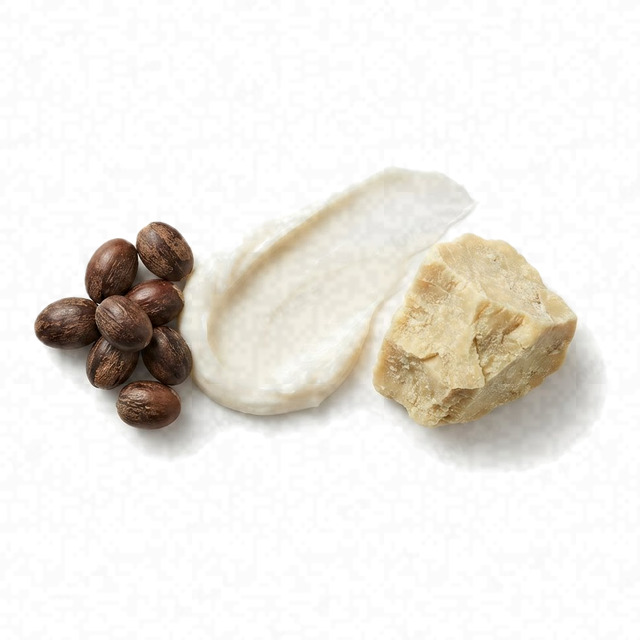 Butyrospermum Parkii Butter Shea Butter
 Ascorbic Acid
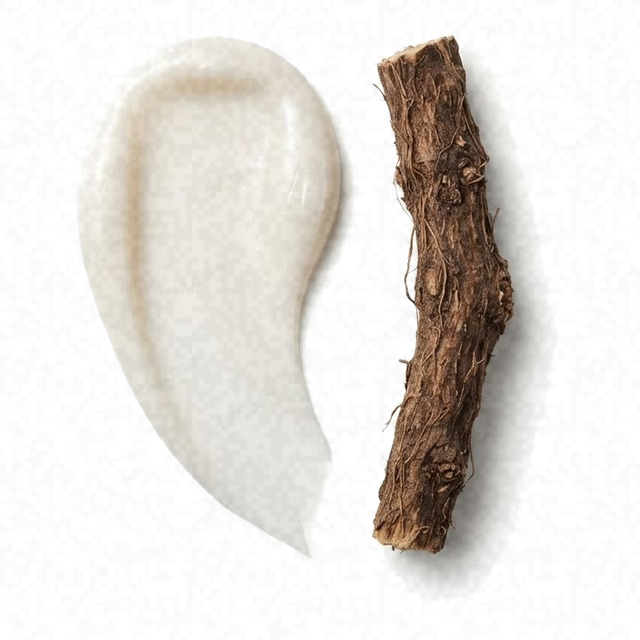 Allantoin
Average
- AverageOily Skin Fit
- AverageEffectiveness
- HighSafety
Works for oily acne-prone skin; other serums fit it better.
This fit is calculated for the concerns frequently associated with oily acne-prone skin: shine, breakouts, blemishes, and enlarged pores. For scores and recommendations based on your full skin profile, including your 12D face scan results and any goals or preferences you have, please use the Lovi app.
Page built Nov 8, 2026How the Fit score works
Lovi Assistant explains
- Offers moderate treatment for minimizing fine lines and wrinkles due to the presence of retinol and sodium hyaluronate in moderate concentrations for smoothing texture, which is supportive but not targeted for your acne, blemishes, and breakouts, and oiliness.
- Glycerin and sodium hyaluronate provide humectant action for your oily skin, but the formula lacks sufficient ingredients for strong oil control.
- The safety profile is good, with no risks of irritation for your oily skin due to the absence of harsh ingredients and the presence of soothing ingredients like allantoin and shea butter.
How to apply
- Could be used as part of your PM routine. Start 3 times a week and build up to daily use if your skin tolerates it well.
- Apply your serum after cleansing and toning, but before putting on your moisturizer.
- Gently press 2 to 3 drops of the serum into your skin and let it absorb for a minute.
- Apply the serum on clean, dry skin to help manage your blemishes safely.
- Do a patch test before your first use and avoid the delicate eye area.
People Say
★4.4Overall rating based on 2.7k+ reviewsBased on a very large amount of data, users frequently report that this serum visibly softens fine lines and wrinkles, especially on the forehead and around the mouth, and appreciate its lightweight, non-greasy texture. Consistent use over several weeks leads to smoother, plumper skin, though it is not a complete replacement for injectables.
Highlights
Smoothes lines Mostly Mentioned
- “diminished my forehead lines”
- “softened my 11s significantly”
- “smile lines look less deep”
- “helped with marionette lines”
Lightweight texture Often Mentioned
- “absorbs instantly”
- “not greasy at all”
- “goes on buttery smooth”
- “lightweight and silky”
Hydrating & plumping Sometimes Noted
- “skin feels plump”
- “very hydrating”
- “leaves skin soft and supple”
- “gives a nice glow”
Precise applicator Sometimes Noted
- “love the precision tip”
- “easy to target specific lines”
- “applicator is great”
- “flexible tip works well”
Not a Botox replacement Sometimes Noted
- “don't expect Botox results”
- “lines are better but not gone”
- “didn't erase deep wrinkles”
- “subtle improvement only”
Requires patience Sometimes Noted
- “took 4 weeks to see change”
- “not an overnight miracle”
- “need to be consistent”
- “slow progress”
Extra routine step Rarely Noted
- “hard to remember to use”
- “adds another step”
- “time-consuming to apply to each line”
Small quantity Rarely Noted
- “tube is tiny”
- “expensive for the amount”
- “ran out quickly”
- “wish it was bigger”
Sources: lovi.care, rocskincare.com, walmart.com, ulta.com, iherb.com, and more
Questions and answers
How well does RoC Derm Correxion Fill + Treat Serum work for oily acne-prone skin?
RoC Derm Correxion Fill + Treat Serum is an average fit for your oily acne-prone skin, providing moderate smoothing for fine lines while offering mild hydration without heavy oils. However, it lacks strong ingredients for oil control and blemishes, which an ideal treatment for this skin type needs, alongside ingredients like niacinamide and propolis or vitamin C for breakouts and excess oil.
Which ingredients make this serum a good fit for oily acne-prone skin?
This serum contains retinol and sodium hyaluronate, which help smooth skin texture and minimize fine lines, while glycerin and sodium hyaluronate provide basic moisture without feeling heavy. Allantoin and shea butter offer soothing benefits with a low risk of irritation. However, because it lacks targeted ingredients for breakouts and strong oil control, an oily and acne-prone skin type needs a product with ingredients like niacinamide, propolis, or vitamin C to better manage excess oil and blemishes.
What does Retinol do for oily acne-prone skin?
Retinol helps clear up breakouts and improve acne by targeting the root causes of blemishes. It is unlikely to reduce overall oil production on its own, but it successfully manages acne while keeping skin smooth.
Journal of Drugs in Dermatology, 2018American Journal of Clinical Dermatology, 2019
What does Triple Hyaluronic Acid do for oily acne-prone skin?
Triple Hyaluronic Acid helps hydrate oily acne-prone skin without clogging pores or adding unwanted shine. It draws moisture into the skin to keep it balanced while supporting a healthy skin barrier.
Journal of Cosmetic Dermatology, 2025International Journal of Biological Macromolecules, 2018
Where does this serum go in a skincare routine for oily acne-prone skin?
This serum goes in your evening routine after cleansing and toning, and before your moisturizer. Oily acne-prone skin needs a treatment of this type to include targeted ingredients for oil control and blemishes, such as salicylic acid or niacinamide.
Can I use this serum with niacinamide, and in what order?
You can use this serum with niacinamide, applying niacinamide first after cleansing and letting it absorb before you put on this treatment. This combination is unlikely to irritate oily skin because this formula contains soothing ingredients like shea butter and allantoin, but a product for this skin type also needs strong oil control ingredients.
How often should I use this serum?
This serum works best when used in the evening as part of your nighttime routine. Oily acne-prone skin needs a product of this type that also includes targeted blemish-fighting ingredients and strong oil control.
Can this serum clog pores, cause breakouts or purging for oily acne-prone skin?
This serum is unlikely to cause irritation for your oily skin, though it may not help much with breakouts and oiliness since it lacks strong oil control ingredients. Oily acne-prone skin typically needs lightweight, non-greasy hydrators alongside targeted blemish-fighting ingredients like salicylic acid or niacinamide.
Is this serum fragrance-free and alcohol-free?
Yes, it has no fragrance and no drying alcohol. Stearyl alcohol and cetearyl alcohol are fatty alcohols, which soften the skin.
What the research says
Topical bakuchiol 0.5% applied twice daily compared with retinol 0.5% applied daily significantly decreased wrinkle surface area and hyperpigmentation with no statistical difference between the compounds in 44 patients over 12 weeks, while retinol users reported more facial skin scaling and stinging.
The British Journal of Dermatology, 2019A single application of a moisturizing fluid containing hyaluronic acid 1%, glycerin 5%, and Centella asiatica stem cells extract significantly increased skin hydration by 29% and reduced transepidermal water loss at 24 hours compared to baseline and an untreated control site in twenty healthy women.
Clinical, Cosmetic and Investigational Dermatology, 2017A topical gel containing chitosan, chlorhexidine, allantoin, and dexpanthenol significantly reduced postoperative pain, trismus, swelling, and analgesic consumption, while improving wound healing after third molar surgery compared to a placebo.
Medicina Oral, Patologia Oral Y Cirugia Bucal, 2020Topical 0.4% retinol significantly increased epidermal thickness, dermal vascularity, and extracellular matrix production by stimulating keratinocyte proliferation, endothelial cell proliferation, and fibroblast activation in naturally aged human skin compared to vehicle.
International Journal of Cosmetic Science, 2017Silicone particles encapsulating retinol increased its half-life by 9-fold and yielded 12-23% lower skin irritation in human subjects compared to Microsponge particles while maintaining biological activity.
Journal of Controlled Release, 2018Topical stabilized retinol treatment induced HAS gene expression and increased hyaluronic acid production in human skin in vitro, ex vivo, and in vivo compared to vehicle.
Archives of Dermatological Research, 2017Topical application of 0.1% hyaluronic acid formulations of different molecular weights led to significant improvements in skin hydration and elasticity, with low-molecular-weight formulations also significantly reducing wrinkle depth in seventy-six female subjects compared to a vehicle control.
Journal of Drugs in Dermatology, 2011Topical application of hyaluronic acid in conjunction with free gingival graft significantly reduced donor site postoperative pain until day 7 compared to normal saline, with no significant differences in graft dimensions or patient satisfaction.
Clinical Oral Investigations, 2022Treatment with a hyaluronic acid-containing mouth rinse or topical gel led to significant lesion reduction, pain relief, and normalization of lesion color in adult patients with minor recurrent aphthous stomatitis, with the gel formulation showing an earlier healing onset at 3 days.
BMC Oral Health, 2019A combination cream of stimu-tex AS and saccharide isomerate reduced erythema, increased skin capacitance, and reduced transepidermal water loss compared to placebo in 20 subjects after fractional CO2 laser procedure without causing serious adverse events.
Lasers in Medical Science, 2025A skin barrier restoring cream with shea butter, silkflo, and vitamin E increased type I procollagen synthesis, enhanced antioxidant enzyme activity, decreased reactive oxygen species generation, and promoted hyaluronic acid production in H2O2-stimulated human keratinocyte cells compared to untreated cells.
International Journal of Cosmetic Science, 2025Topical application of 5% vitamin C cream significantly improved global clinical scores, increased skin microrelief density, and induced elastic tissue repair in photoaged skin compared to excipient control in healthy female volunteers.
Experimental Dermatology, 2003Ascorbic acid 2-glucoside gel significantly reduced gingival melanin pigmentation after 4 weeks compared to placebo in 73 subjects with symmetric pigmentation.
Journal of Periodontology, 2009Topical application of VC-IP cream twice daily for 8 weeks reduces periorbital wrinkles in female subjects compared to a placebo cream.
Journal of Cosmetic Dermatology, 2022Topical gel containing chitosan, 0.2% chlorhexidine, allantoin and dexpanthenol did not improve postoperative comfort regarding swelling and pain, but improved the wound's aesthetic appearance following impacted lower third molar extraction compared to no gel.
Medicina Oral, Patologia Oral Y Cirugia Bucal, 2016An overnight patch containing Allium cepa extract and allantoin safely promotes scar healing after dermatologic surgery, resulting in significantly greater reductions in observer- and patient-assessed POSAS scores compared to no treatment.
Aesthetic Plastic Surgery, 2018Prophylactic application of a topical scar gel containing Allium cepae extract, allantoin, and heparin significantly improves patient-assessed scar color, stiffness, and irregularity compared to no treatment in women following a cesarean section.
Journal of Drugs in Dermatology, 2014
Why other serums fit oily acne-prone skin better
A cream combining propolis, tea tree oil, and Aloe vera reduced erythema scars, acne severity index, and total lesion count better than erythromycin cream in sixty patients with mild to moderate acne vulgaris compared to placebo.
Clinical Pharmacology, 2018Niacinamide and ferulic acid incorporated in a stable multiple emulsion successfully reduced melanin, sebum, and skin erythema while improving skin elasticity and hydration in human skin compared to a placebo.
BioMed Research International, 2022
Ingredients
Water, Pentaerythrityl Tetraethylhexanoate, Glycerin, Peg-8, Ppg-15 Stearyl Ether, Butylene Glycol, Maltodextrin, Cyclohexasiloxane, Stearyl Alcohol, Cetearyl Alcohol, Ceteareth-20, Butyrospermum Parkii Butter Shea Butter, Swertia Chirata Leaf Extract, Retinol, Sodium Hyaluronate, Sodium Hyaluronate Crosspolymer, Dihydroxy Methylchromone, Allantoin, Ascorbic Acid, Ascorbyl Palmitate, Tocopheryl Acetate, Pentylene Glycol, Caprylyl Glycol, C13-14 Isoparaffin, Allyl Methacrylates Crosspolymer, Ethylhexyl Stearate, Laureth-7, Polysorbate 20, Sodium Acryloyldimethyltaurate Vp Crosspolymer, Cyclopentasiloxane, Polyglyceryl-4 Diisostearate Polyhydroxystearate Sebacate, Sodium Isostearate, Propyl Gallate, Chlorphenesin, Hydroxyphenyl Propamidobenzoic Acid, Polyacrylamide, Phenoxyethanol, Disodium Edta, Bht, Sodium Hydroxide
Behind this fit score
Lovi calculates every fit score from the full ingredient list with brand-independent rules our dermatologists and cosmetic chemists build and review, and personalizes every pick with AI trained on the real results of millions of users. Lovi trains its fit score models on a proprietary dataset built from more than 10,000 expert-labeled products and more than 100,000 simulated examples, following an internally consistent methodology presented at Cosmoprof, AMWC, and Skin of Color Update.
-

Co-founder, Medical Director
Cosmetic chemist, cosmetologist, aesthetic products developer
-

Co-founder, CEO and CTO
PhD in computer science, 3x US patent holder, ex-Google, ex-Yandex
-

Dr. Sofía Perea Pérez, MD, MSc
Medical Board
Aesthetic medicine practitioner, MSc in Longevity and Anti-Aging Medicine
-

Medical Board
Specialist dermatologist, MBBS, MD, IFAAD
-

Medical Board
Cosmetic chemist, SCS, IFSCC member
-

Medical Board, Medical Advisor
Dermatology MD
-

Elina Nazarenko, MD
Medical Board
Dermatology and diagnostic consultant
-

Victoria Derkova, MS
Medical Board
Cosmetic chemist, cosmetic development technologist


How does it fit your skin?
Scan your face, then any product: Lovi shows how well it fits you and what fits even better.