
Paula's Choice Skin-Smoothing Retinol Body Treatment

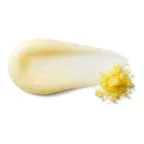 Retinol
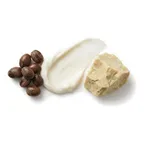 Butyrospermum Parkii Butter Shea Butter
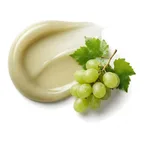 Vitis Vinifera Seed Oil Grape Seed Oil
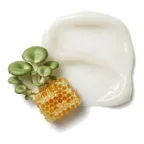 Panthenol
 Tetrahexyldecyl Ascorbate
Retinol, shea butter, and grape seed oil smooth the texture, hydrate, and provide antioxidant activity, so it suits most skin types. Where to buy in the US: Amazon.com, $37.00.
Each fit is calculated for the concerns frequently associated with that skin type. For scores and recommendations based on your full skin profile, including your 12D face scan results and goals, use the Lovi app.
Updated How the Fit score works
Where it fits best and least
Best fit Average
Oily Skin, Combination Skin, Acne-Prone Skin, Skin with Dark Spots, Mature Skin, Oily Acne-Prone Skin
Works for oily skin; other products fit it better.
- Offers moderate benefits for your oily skin as retinol and tetrahexyldecyl ascorbate promote skin renewal and antioxidant activity, though these ingredients do not directly address oily shine.
Lowest fit Low
Dry Skin, Sensitive Skin, Dry Sensitive Skin
A weak match for dry skin.
- Offers moderate benefits for your dry or flaky skin due to the presence of retinol and shea butter, which provide some hydration and skin renewal, but the overall value is not enough for your present issues, hence poses major risks of worsening them directly or indirectly.
Buy online

Prices checked 22 Nov 2026
People Say
★4.4Overall rating based on 200+ reviewsThis treatment is highly regarded for its ability to significantly improve skin texture, making it feel exceptionally soft and smooth. It is also frequently noted for effectively reducing the appearance of dark spots and hyperpigmentation, leading to a more even skin tone. Many users, particularly those with mature skin, have observed improvements in skin firmness, especially in areas prone to crepiness. A recurring concern is the small bottle size, which many find insufficient for regular full-body application, leading to frequent repurchases.
Highlights
Smoothes rough texture Mostly Mentioned
- “skin never been this silky”
- “soft as a baby”
- “smooths rough patches”
- “healed bumps”
Small bottle size Mostly Mentioned
- “surprisingly small bottle”
- “runs out too fast”
- “travel size amount”
- “need bigger container”
Fades discoloration Often Mentioned
- “spots barely visible”
- “faded dark patches”
- “erased bug bite marks”
- “evened skin tone”
Non-greasy feel Often Mentioned
- “absorbs super fast”
- “silky not sticky”
- “no greasy residue”
- “lightweight texture”
High price point Often Mentioned
- “expensive for body lotion”
- “pricey for the amount”
- “luxury price tag”
- “poor value”
Firms crepey skin Sometimes Noted
- “improved neck texture”
- “helped saggy skin”
- “skin feels tighter”
- “less crepey chest”
Slow results Sometimes Noted
- “takes months to work”
- “subtle changes only”
- “requires patience”
- “not an overnight fix”
Unpleasant base scent Rarely Noted
- “smells like plastic”
- “weird base odor”
- “bad smell”
- “funky scent”
Sources: lovi.care, paulaschoice.com, dermstore.com, cultbeauty.co.uk, byrdie.com, and more
Questions and answers
How well does Paula's Choice Retinol Body Treatment work for oily skin?
This body treatment works moderately well for oily skin because it renews skin and provides antioxidants, though it does not directly target oily shine. A product of this type needs ingredients that manage excess oil, keep a lightweight feel without heavy oils, and support the skin barrier without clogging pores.
How well does Paula's Choice Skin-Smoothing Retinol Body Treatment work for acne-prone skin?
This body treatment works moderately well for acne-prone skin, helping renew skin and smooth texture while providing general hydration and soothing effects. Because it lacks ingredients specifically targeted at breakouts, acne-prone skin needs products with blemish-fighting ingredients and oil-balancing agents.
Which ingredients make this cream a good fit for oily acne-prone skin?
Retinol and tetrahexyldecyl ascorbate help make this cream a good fit for oily skin by promoting skin renewal and antioxidant activity. To work best for acne-prone skin, this type of product needs targeted ingredients that directly clear blemishes and control breakouts.
Why is Paula's Choice Skin-Smoothing Retinol Body Treatment a weak match for dry skin?
This product is a weak match because its overall benefits are not enough for dry skin and may risk worsening your issues. A product for this skin needs rich, nourishing ingredients that provide deep hydration and skin barrier support without causing irritation.
Why is Paula's Choice Retinol Body Treatment a weak match for sensitive skin?
This product is a weak match for sensitive skin because its retinol concentration may cause irritation and indirectly worsen your redness. A body care product for sensitive skin needs soothing ingredients like fermented Centella Asiatica, cica ceramide, and nourishing oils to calm redness and strengthen the skin barrier without causing discomfort.
Is this cream fragrance-free and alcohol-free?
Yes, it has no fragrance and no drying alcohol. Cetearyl alcohol and cetyl alcohol are fatty alcohols, which soften the skin.
How well does Paula's Choice Retinol Body Treatment work for combination skin?
This body treatment works moderately well for combination skin because retinol and shea butter smooth and hydrate, though it lacks targeted ingredients to control oily shine. A product of this type needs ingredients that balance oil production while keeping skin soft and nourished.
How well does Paula's Choice Skin-Smoothing Retinol Body Treatment work for mature skin?
This treatment works moderately well for mature skin, helping smooth fine lines and provide general hydration with retinol and panthenol. Because other options fit this skin better, a product for mature skin needs higher concentrations of potent anti-aging ingredients along with rich hydrating oils and butters to fully support skin health.
Why is Paula's Choice Skin-Smoothing Retinol Body Treatment a weak match for dry sensitive skin?
This product is a weak match because, while its retinol smooths skin, it may irritate dry sensitive skin. A body treatment for this skin type needs soothing, deeply nourishing ingredients that hydrate without any risk of irritation or allergens.
The British Journal of Dermatology, 2019Journal of Cosmetic Dermatology, 2016
How well does Paula's Choice Retinol Body Treatment work for skin with dark spots?
This product works moderately well for skin with dark spots, as its retinol and vitamin C derivatives provide helpful antioxidant activity, though it lacks ingredients that specifically target pigmentation. It leaves skin feeling soft and hydrated with shea butter and glycerin, but skin with dark spots needs effective brightening ingredients that align directly with pigmentation goals.
What the research says
Topical application of retinol and retinoic acid both increased epidermal thickness and upregulated collagen genes and proteins in human skin, with retinol producing similar histological and molecular changes to retinoic acid alongside a significant reduction in facial wrinkles after 12 weeks.
Journal of Cosmetic Dermatology, 2016Topical dexpanthenol acts as a moisturizer, improves stratum corneum hydration, accelerates wound healing and epidermal regeneration, reduces erythema, and improves symptoms of skin irritation compared to vehicle or no pretreatment.
American Journal of Clinical Dermatology, 2002Topical bakuchiol 0.5% applied twice daily compared with retinol 0.5% applied daily significantly decreased wrinkle surface area and hyperpigmentation with no statistical difference between the compounds in 44 patients over 12 weeks, while retinol users reported more facial skin scaling and stinging.
The British Journal of Dermatology, 2019Topical 0.3% and 1% retinol comparably improved biomarkers of cutaneous photoageing in photoaged volunteers, while 0.3% retinol demonstrated better tolerance with fewer and milder adverse events compared to 1% retinol in a daily escalation regimen.
International Journal of Cosmetic Science, 2022Daily application of 0.3% and 0.5% retinol serums in 37 volunteers over 12 weeks reduced skin hyperpigmentation, unevenness, and wrinkles on both sides of the face, with the 0.5% concentration causing more frequent and intense skin irritation.
Skin Pharmacology and Physiology, 2020A skin barrier restoring cream with shea butter, silkflo, and vitamin E increased type I procollagen synthesis, enhanced antioxidant enzyme activity, decreased reactive oxygen species generation, and promoted hyaluronic acid production in H2O2-stimulated human keratinocyte cells compared to untreated cells.
International Journal of Cosmetic Science, 2025Grapeseed oil-loaded dermocosmetic nanoemulgel applied on the cheeks of healthy volunteers significantly reduced skin melanin, erythema, sebum production, and pores while increasing moisture and elasticity compared to a placebo.
Journal of Cosmetic Dermatology, 2022An ionic liquid-based grapeseed oil emulsion increased transdermal penetration by 4.63-fold and improved skin hydration, firmness, elasticity, and facial wrinkles after 28 days of continuous use compared to ordinary emulsion.
Pharmaceuticals, 2024Topical dexpanthenol formulated in lipophilic vehicles improved stratum corneum hydration and reduced transepidermal water loss compared to vehicle control in humans.
Arzneimittel-Forschung, 2000A combination serum containing galactomyces ferment filtrate, dexpanthenol, and Centella asiatica effectively treated post-acne hyperpigmentation in subjects with colored skin by significantly increasing lightness scores in Fitzpatrick skin type V and reducing the melanin index in Fitzpatrick skin type IV compared to placebo.
Skinmed, 2021Topical application of 5% vitamin C cream significantly improved global clinical scores, increased skin microrelief density, and induced elastic tissue repair in photoaged skin compared to excipient control in healthy female volunteers.
Experimental Dermatology, 2003Topical application of VC-IP cream twice daily for 8 weeks reduces periorbital wrinkles in female subjects compared to a placebo cream.
Journal of Cosmetic Dermatology, 2022Topical treatment with 5% vitamin C and 0.1% madecassoside significantly improved clinical scores for wrinkles, suppleness, firmness, roughness, and skin hydration, along with functional and structural remodeling of the elastic fiber network in 20 female volunteers with photoaged skin after 6 months compared to baseline.
Experimental Dermatology, 2008Topical application of 0.1% retinol induced CRABP2 and HBEGF gene expression, increased keratinocyte proliferation and epidermal thickness ex vivo, and improved major skin aging signs without significant adverse reactions in 48 volunteers compared to placebo.
Skin Pharmacology and Physiology, 2009A cream containing panthenol, prebiotics, and probiotic lysate improved facial sensitive skin symptoms and skin barrier function in 110 participants over 28 days.
Skin Research and Technology, 2024A new topical panthenol-containing emollient significantly improved transepidermal water loss reduction, stratum corneum hydration, and intercellular lipid lamellae length compared with control in healthy subjects without negatively impacting bacterial viability.
The Journal of Dermatological Treatment, 2017A single application of a moisturizing fluid containing hyaluronic acid 1%, glycerin 5%, and Centella asiatica stem cells extract significantly increased skin hydration by 29% and reduced transepidermal water loss at 24 hours compared to baseline and an untreated control site in twenty healthy women.
Clinical, Cosmetic and Investigational Dermatology, 2017Topical formulations containing ascorbyl tetraisopalmitate, coenzyme Q10, green tea polyphenols, and resveratrol reduced the release of inflammatory cytokines and attenuated inflammatory signs compared to untreated skin and vehicle in 25 Japanese volunteers exposed to sodium dodecyl sulfate.
European Journal of Pharmaceutics and Biopharmaceutics, 2017
Ingredients
Water, Cetearyl Alcohol, Cetearyl Ethylhexanoate, Cyclopentasiloxane, Dimethicone, Glycerin, Butylene Glycol, Cetyl Palmitate, Butyrospermum Parkii Butter Shea Butter, Glyceryl Stearate, Peg-100 Stearate, Oenothera Biennis Oil, Vitis Vinifera Seed Oil Grape Seed Oil, Cetyl Alcohol, Retinol, Tetrahexyldecyl Ascorbate, Tocopheryl Acetate, Caprylic Capric Triglyceride, Panthenol, Carnosine, Dimethiconol, Dimethicone Vinyl Dimethicone Crosspolymer, Alba Cera Beeswax Cera, Magnesium Aluminum Silicate, Sodium Hydroxide, Xanthan Gum, Dicaprylyl Carbonate, Decylene Glycol, Disodium Edta, Chlorphenesin, Phenoxyethanol
Behind these fit scores
Lovi calculates every fit score from the full ingredient list with brand-independent rules our dermatologists and cosmetic chemists build and review, and personalizes every pick with AI trained on the real results of millions of users. Lovi trains its fit score models on a proprietary dataset built from more than 10,000 expert-labeled products and more than 100,000 simulated examples, following an internally consistent methodology presented at Cosmoprof, AMWC, and Skin of Color Update.
-

Co-founder, Medical Director
Cosmetic chemist, cosmetologist, aesthetic products developer
-

Co-founder, CEO and CTO
PhD in computer science, 3x US patent holder, ex-Google, ex-Yandex
-

Dr. Sofía Perea Pérez, MD, MSc
Medical Board
Aesthetic medicine practitioner, MSc in Longevity and Anti-Aging Medicine
-

Medical Board
Specialist dermatologist, MBBS, MD, IFAAD
-

Medical Board
Cosmetic chemist, SCS, IFSCC member
-

Medical Board, Medical Advisor
Dermatology MD
-

Elina Nazarenko, MD
Medical Board
Dermatology and diagnostic consultant
-

Victoria Derkova, MS
Medical Board
Cosmetic chemist, cosmetic development technologist


How does it fit your skin?
Scan your face, then any product: Lovi shows how well it fits you and what fits even better.