Nadinola Fade Cream Extra Strength for acne-prone skin

 Niacinamide
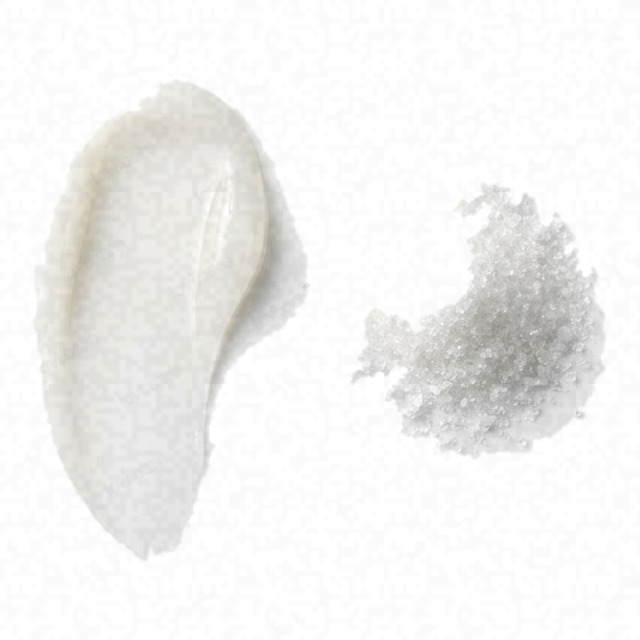 Hexylresorcinol
 Ascorbic Acid
 Tocopherol
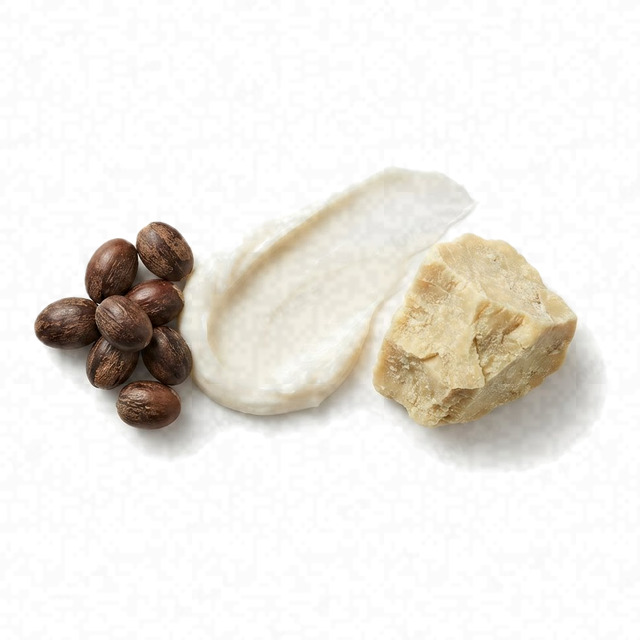 Butyrospermum Parkii Butter Shea Butter
High
- AverageCombination Skin Fit
- AverageEffectiveness
- HighSafety
A great choice for acne-prone skin; a few serums fit it even better.
This fit is calculated for the concerns frequently associated with acne-prone skin: breakouts, blackheads, and post-acne marks. For scores and recommendations based on your full skin profile, including your 12D face scan results and any goals or preferences you have, please use the Lovi app.
Page built Nov 8, 2026How the Fit score works
Lovi Assistant explains
- Offers moderate skin brightening for your combination skin due to niacinamide and ascorbic acid, which help to even skin tone and provide antioxidant activity. Glycerin and shea butter offer general hydration and soothing benefits for your acne, blemishes, and breakouts.
- The formula is safe for your combination skin as it lacks harsh ingredients that could cause irritation.
- While generally safe and functional, the product's ingredients are not fully optimized to address all aspects of your skin concerns.
How to apply
- Use your serum as part of your PM routine and start 3x/week before working up to daily use.
- Apply this treatment after cleansing and toner, and before your moisturizer.
- Gently press 2-3 drops of the serum into your skin and let it absorb for a minute.
- Apply the product on clean, dry skin to help manage your breakouts safely.
- Avoid the eye area and do a patch test before your first use.
Questions and answers
What makes Nadinola Fade Cream Extra Strength a great fit for acne-prone skin?
Nadinola Nadinola Fade Cream Extra Strength is a great fit because it contains niacinamide and ascorbic acid to help even out skin tone, along with glycerin and shea butter to provide gentle hydration and calming benefits for breakouts. The formula is also safe and lacks harsh ingredients that could easily cause irritation on your skin.
Which ingredients make this cream a good fit for acne-prone skin?
Glycerin and shea butter help provide soothing moisture and hydration for your acne and blemishes. Niacinamide and ascorbic acid also offer gentle brightening benefits to help even out your skin tone.
What does Niacinamide do for acne-prone skin?
Niacinamide helps acne-prone skin by reducing both inflamed and uninflamed breakouts and calming redness. It is also very helpful for keeping oily skin balanced by cutting down on excess oil production, and it is well tolerated by most people.
What does Hexylresorcinol do for acne-prone skin?
Hexylresorcinol is not a standard choice for acne-prone skin because it focuses on brightening dark spots and smoothing fine lines rather than clearing breakouts. To care for acne-prone skin, a product of this type needs ingredients that gently clear pores, calm redness, and balance oil.
Where does this cream go in a skincare routine for acne-prone skin?
Apply this treatment in the evening as part of your routine. Using treatments at night helps keep things simple and provides extra safety around sun exposure.
Can I use this cream with retinol, and in what order?
You can use this cream alongside retinol by applying your retinol first at night, letting it dry, and then following with this cream to help keep your skin calm and soft. Because this formula lacks harsh ingredients, it is unlikely to cause irritation when paired with your retinoid.
How often should I use this cream?
You can use this treatment in the evening as part of your routine. It is a great fit for your acne-prone skin and helps brighten your tone while keeping your skin calm and hydrated.
Can this cream clog pores, cause breakouts or purging for acne-prone skin?
Nadinola Nadinola Fade Cream Extra Strength is a great fit for acne-prone skin because it contains soothing ingredients like glycerin and shea butter that help calm blemishes and breakouts without causing irritation. The formula is unlikely to clog pores or cause purging, and it offers gentle brightening support with niacinamide and ascorbic acid.
Is this cream fragrance-free and alcohol-free?
Yes, it has no fragrance and no drying alcohol. Behenyl alcohol is a fatty alcohol, which soften the skin.
What the research says
Niacinamide significantly decreased hyperpigmentation and increased skin lightness compared with vehicle alone after 4 weeks of use in women by inhibiting melanosome transfer.
The British Journal of Dermatology, 2002A single application of a moisturizing fluid containing hyaluronic acid 1%, glycerin 5%, and Centella asiatica stem cells extract significantly increased skin hydration by 29% and reduced transepidermal water loss at 24 hours compared to baseline and an untreated control site in twenty healthy women.
Clinical, Cosmetic and Investigational Dermatology, 2017A topical cream containing retinol 0.5% in combination with niacinamide, resveratrol, and hexylresorcinol improved all efficacy endpoints including fine lines, radiance, smoothness, hyperpigmentation, and wrinkles in 25 subjects with photodamaged and aging skin over 10 weeks.
Journal of Drugs in Dermatology, 2016A formulation combining 4-hexylresorcinol and niacinamide significantly improved hyperpigmentation, skin tone, fine lines, wrinkles, and firmness compared to niacinamide alone in Chinese subjects without adverse events.
International Journal of Cosmetic Science, 2022Topical post-laser application of human adipocyte-derived mesenchymal stem cell media combined with niacinamide significantly improved wrinkle index, melanin index, patient satisfaction, and investigator esthetic improvement scores compared to vehicle cream in patients with aging skin.
Journal of Cosmetic Dermatology, 2021Topical nicotinamide prevented solar-simulated UV-induced immunosuppression in healthy volunteers, and men experienced immunosuppression at solar-simulated UV doses three times lower than those required for women.
The Journal of Investigative Dermatology, 2008Topical 5% niacinamide applied twice daily for 12 weeks reduced fine lines and wrinkles, hyperpigmented spots, red blotchiness, and skin sallowness, and improved skin elasticity compared to vehicle control in 50 female white subjects with facial photoaging.
Dermatologic Surgery, 2005Topical 1% hexylresorcinol is equivalent to 2% hydroquinone in significantly reducing the appearance of facial and hand pigmentation in healthy female participants over 12 weeks, with both treatments showing no adverse effects.
Archives of Dermatological Research, 2023A novel triple-active cosmetic formulation containing 4-hexylresorcinol, retinyl propionate, and niacinamide improved the visual appearance of photoageing similarly to 0.02% tretinoin and reversed a consensus gene signature associated with ageing in female adults while causing less skin irritation.
International Journal of Cosmetic Science, 2024A topical formulation containing hexylresorcinol, silymarin, 20% vitamin C, and 5% vitamin E prevented UVB-induced photodamage in skin explants and produced clinical improvements in brightening, evenness, lines, and global appearance in 42 female subjects over 12 weeks.
Journal of Cosmetic Dermatology, 2020Topical application of 5% vitamin C cream significantly improved global clinical scores, increased skin microrelief density, and induced elastic tissue repair in photoaged skin compared to excipient control in healthy female volunteers.
Experimental Dermatology, 2003Ascorbic acid 2-glucoside gel significantly reduced gingival melanin pigmentation after 4 weeks compared to placebo in 73 subjects with symmetric pigmentation.
Journal of Periodontology, 2009Topical application of VC-IP cream twice daily for 8 weeks reduces periorbital wrinkles in female subjects compared to a placebo cream.
Journal of Cosmetic Dermatology, 2022Topical application of an antioxidant serum containing 15% ascorbic acid, 0.5% ferulic acid, and 1% tocopherol prevented particulate matter-induced degradation of extracellular matrix components, inflammation, and oxidative stress in the skin of 15 female volunteers compared to untreated controls.
Journal of Cosmetic Dermatology, 2025Dermatological products containing d-alpha tocopheryl acetate showed non-comedogenic potential with less than a 50% increase in microcomedones in 12 healthy male subjects compared to octyl palmitate.
Contemporary Clinical Trials Communications, 2021Topical application of an antioxidant mix containing 15% ascorbic acid, 0.5% ferulic acid, and 1% tocopherol prevented PM and UV-induced skin barrier perturbation, lipid peroxidation, inflammatory markers, MMP9 activation, and Type I collagen loss in 15 healthy females compared to untreated exposed skin.
Journal of Cosmetic Dermatology, 2024A combination cream of stimu-tex AS and saccharide isomerate reduced erythema, increased skin capacitance, and reduced transepidermal water loss compared to placebo in 20 subjects after fractional CO2 laser procedure without causing serious adverse events.
Lasers in Medical Science, 2025A skin barrier restoring cream with shea butter, silkflo, and vitamin E increased type I procollagen synthesis, enhanced antioxidant enzyme activity, decreased reactive oxygen species generation, and promoted hyaluronic acid production in H2O2-stimulated human keratinocyte cells compared to untreated cells.
International Journal of Cosmetic Science, 2025
Ingredients
Water, Glycerin, Octyldodecanol, Caprylic Capric Triglyceride, Jojoba Esters, Isosorbide Dicaprylate, Glyceryl Stearate Se, Butyrospermum Parkii Butter Shea Butter, Hydrogenated Polydecene, Niacinamide, Propylene Glycol, Behenyl Alcohol, Potassium Cetyl Phosphate, Stearic Acid, Hexylresorcinol, Hydrogenated Palm Glycerides, Ascorbic Acid, Tocopherol, Phenoxyethanol, Caprylyl Glycol, Ethylhexylglycerin, Carbomer, Phosphoric Acid, Xanthan Gum, Disodium Edta, Sodium Hydroxide
Behind this fit score
Lovi calculates every fit score from the full ingredient list with brand-independent rules our dermatologists and cosmetic chemists build and review, and personalizes every pick with AI trained on the real results of millions of users. Lovi trains its fit score models on a proprietary dataset built from more than 10,000 expert-labeled products and more than 100,000 simulated examples, following an internally consistent methodology presented at Cosmoprof, AMWC, and Skin of Color Update.
-

Co-founder, Medical Director
Cosmetic chemist, cosmetologist, aesthetic products developer
-

Co-founder, CEO and CTO
PhD in computer science, 3x US patent holder, ex-Google, ex-Yandex
-

Dr. Sofía Perea Pérez, MD, MSc
Medical Board
Aesthetic medicine practitioner, MSc in Longevity and Anti-Aging Medicine
-

Medical Board
Specialist dermatologist, MBBS, MD, IFAAD
-

Medical Board
Cosmetic chemist, SCS, IFSCC member
-

Medical Board, Medical Advisor
Dermatology MD
-

Elina Nazarenko, MD
Medical Board
Dermatology and diagnostic consultant
-

Victoria Derkova, MS
Medical Board
Cosmetic chemist, cosmetic development technologist


How does it fit your skin?
Scan your face, then any product: Lovi shows how well it fits you and what fits even better.