Musely The Spot Cream for skin with dark spots

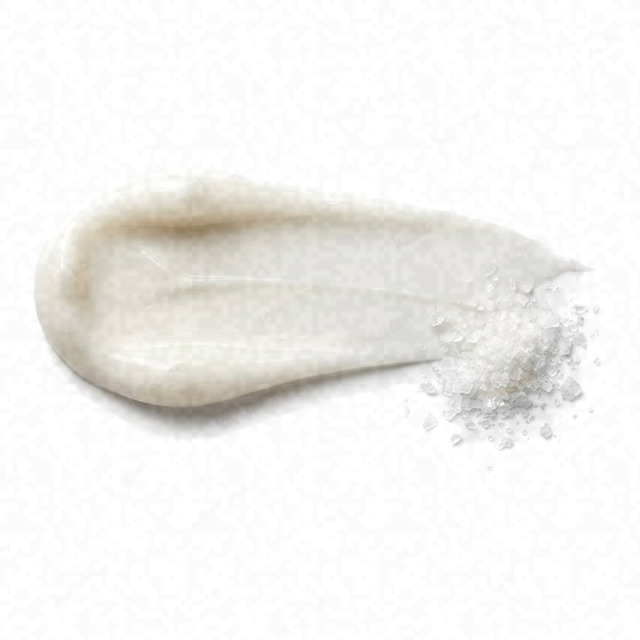 Hydroquinone
 Niacinamide
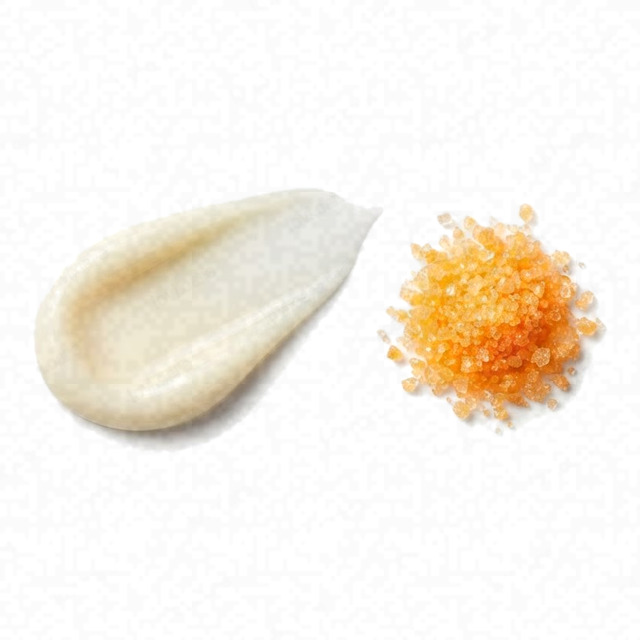 Tretinoin
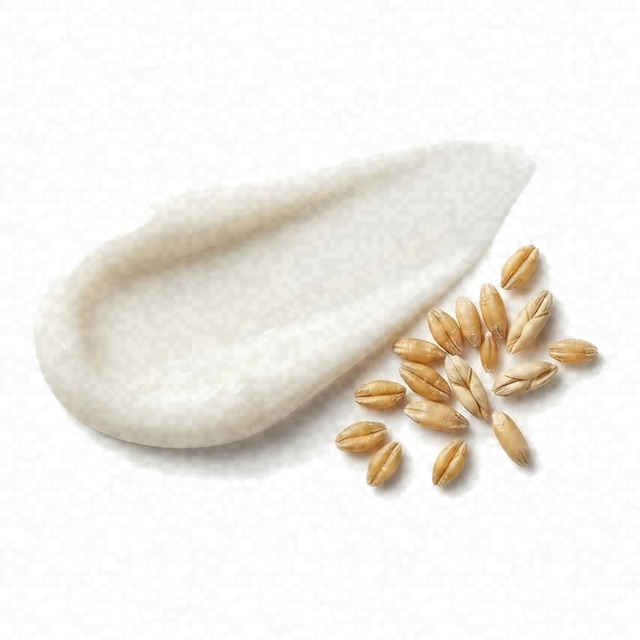 Azelaic Acid
 Ascorbic Acid
Average
- HighNormal Skin Fit
- AverageEffectiveness
- HighSafety
Works for skin with dark spots; other serums fit it better.
This fit is calculated for the concerns frequently associated with dark spots: hyperpigmentation, sun spots, and uneven skin tone. For scores and recommendations based on your full skin profile, including your 12D face scan results and any goals or preferences you have, please use the Lovi app.
Page built Nov 8, 2026How the Fit score works
Lovi Assistant explains
- Offers moderate benefits for your normal skin, as hydroquinone and tretinoin target pigmentation effectively while niacinamide and ascorbic acid provide antioxidant support and regulate melanogenesis.
- Azelaic acid and tranexamic acid further enhance the treatment of hyperpigmentation, though the inclusion of hydrocortisone may offer mild anti-inflammatory effects.
- The product is safe for your normal skin, with no risks of irritation due to the absence of harsh ingredients and the presence of soothing components.
How to apply
- Apply this serum as part of your PM routine starting 3x/week and build up to daily use if your skin likes it.
- Place the serum after cleansing and toning, but before your moisturizer.
- Gently press 2-3 drops of the serum into your skin and wait a minute for it to absorb.
- Apply the serum on dry skin to help fade pigmentation effectively.
- Avoid the eye area and always use SPF 30+ during the day.
People Say
★4.2Overall rating based on 1.5k+ reviewsBased on a very large amount of data, users primarily seek this product for stubborn hyperpigmentation issues like melasma, sun spots, and age spots, often reporting significant fading and a more even skin tone. While many achieve clear skin and boosted confidence, a notable portion of users experience initial irritation, peeling, or a recurrence of spots after stopping treatment.
Highlights
Fades dark spots Mostly Mentioned
- “Melasma almost invisible”
- “spots disappearing not just fading”
- “cleared up dark spots in 3 months”
Boosts confidence Often Mentioned
- “No more concealer”
- “changed my life”
- “feel like a different person”
Irritation and peeling Often Mentioned
- “Harsh peeling”
- “redness and dryness”
- “skin broke out with bumps”
Fast results Sometimes Noted
- “Difference in 2 weeks”
- “results in 3 weeks”
- “dramatic difference quickly”
Improves skin texture Sometimes Noted
- “Skin is glowing”
- “texture has improved”
- “pores diminished”
Customer service issues Sometimes Noted
- “Painfully slow service”
- “lost package”
- “hard to cancel subscription”
Hyperpigmentation returns Sometimes Noted
- “Melasma came back”
- “spots returned after quitting”
- “rebound pigmentation”
Subscription model problems Rarely Noted
- “Opaque subscriptions”
- “difficulty canceling”
- “charged for unwanted refill”
Sources: lovi.care, musely.com, trustpilot.com, innerbody.com, reddit.com, thingtesting.com, and more
Questions and answers
How well does Musely The Spot Cream work for skin with dark spots?
Musely The Spot Cream works moderately well for skin with dark spots because hydroquinone and tretinoin target pigmentation while niacinamide and ascorbic acid provide antioxidant support. Treatments that fit this skin better need potent antioxidants, hydrating components, skin-repairing ingredients, and soothing components that provide significant benefits for pigmentation without any risk of irritation.
Which ingredients make this cream a good fit for skin with dark spots?
Hydroquinone and tretinoin target dark spots effectively, while niacinamide and ascorbic acid help brighten the skin and provide antioxidant support. Azelaic acid and tranexamic acid further enhance the treatment of uneven pigmentation. Skin with dark spots needs a treatment of this type that contains potent antioxidants and soothing ingredients to fade discoloration safely without irritation.
What does Hydroquinone do for skin with dark spots?
Hydroquinone helps fade dark spots by slowing down the pigment production in your skin. When used correctly for short periods, it may visibly brighten uneven areas, though overuse can lead to unwanted skin darkening.
Journal of Cosmetic Dermatology, 2015Indian Journal of Dermatology, 2013
What does Niacinamide do for skin with dark spots?
Niacinamide helps fade dark spots and uneven pigmentation by slowing down the transfer of pigment in the skin. It is generally well tolerated and may improve overall skin brightness with consistent use.
Where does this cream go in a skincare routine for skin with dark spots?
This cream goes in your evening routine, applied after cleansing and before your moisturizer. Putting treatments at night keeps things simple and helps protect your skin from sun exposure. Skincare for dark spots like this also needs ingredients that target pigmentation effectively, along with soothing components to keep your skin calm.
Can I use this cream with retinol, and in what order?
It is best to avoid using this cream at the same time as retinol because combining strong spot-fading ingredients with retinoids makes irritation much more likely. Instead, use your retinol on different nights or consult a professional to layer them safely without stressing your skin.
How often should I use this cream?
Use this treatment in your evening routine. Skin with dark spots needs active ingredients like hydroquinone, tretinoin, niacinamide, and ascorbic acid used consistently at night to fade discoloration while keeping your skin calm.
Journal of Cosmetic Dermatology, 2024The British Journal of Dermatology, 2002
Can this cream clog pores, cause breakouts or purging for skin with dark spots?
This cream is unlikely to clog pores or cause breakouts for skin with dark spots, though the powerful active ingredients may sometimes lead to peeling and irritation. Skin with dark spots often needs gentle hydrating ingredients and soothing antioxidants alongside pigment-fading components to keep the skin calm and smooth.
What the research says
Niacinamide significantly decreased hyperpigmentation and increased skin lightness compared with vehicle alone after 4 weeks of use in women by inhibiting melanosome transfer.
The British Journal of Dermatology, 2002TFC-1067 and 2% hydroquinone both significantly lightened facial dyschromia after 8 and 12 weeks in 48 healthy female subjects, but only hydroquinone also lightened normal skin.
Journal of Cosmetic Dermatology, 2020Topical post-laser application of human adipocyte-derived mesenchymal stem cell media combined with niacinamide significantly improved wrinkle index, melanin index, patient satisfaction, and investigator esthetic improvement scores compared to vehicle cream in patients with aging skin.
Journal of Cosmetic Dermatology, 2021Topical nicotinamide prevented solar-simulated UV-induced immunosuppression in healthy volunteers, and men experienced immunosuppression at solar-simulated UV doses three times lower than those required for women.
The Journal of Investigative Dermatology, 2008Topical 5% niacinamide applied twice daily for 12 weeks reduced fine lines and wrinkles, hyperpigmented spots, red blotchiness, and skin sallowness, and improved skin elasticity compared to vehicle control in 50 female white subjects with facial photoaging.
Dermatologic Surgery, 2005A galenic compound containing essential oils and tretinoin demonstrated anti-acne efficacy and anti-inflammatory activity, significantly reducing papular erythema and retinoid-induced rashes compared to clindamycin-tretinoin gel in sixty volunteers over 30 days.
Clinical, Cosmetic and Investigational Dermatology, 2020Topical tretinoin improves clinical appearance of photoaging in terms of wrinkling, mottled hyperpigmentation, sallowness, and lentigines and is safe and well tolerated.
International Journal of Women's Dermatology, 2022Topical tretinoin daily application for 10 to 12 months produced an 80 percent increase in collagen I formation in photodamaged human skin compared with a 14 percent decrease with vehicle alone.
The New England Journal of Medicine, 1993Azelaic acid nanocrystal hydrogel 10% achieved a higher success rate and greater lesion reduction than azelaic acid cream 20% in patients with mild to moderate facial acne.
Pharmaceutics, 2021Application of 15% azelaic acid gel significantly reduced post-inflammatory erythema and hyperpigmentation, decreased hemoglobin and melanin content, improved quality of life, and contributed to acne improvement in patients with mild to moderate acne compared to placebo.
Dermatology and Therapy, 2024Topical application of a dermocosmetic containing Myrtus communis extract and azelaic acid reduced acne relapses and helped maintain remission compared to a light moisturizing cream in adult females in the acne maintenance phase over 16 weeks.
Journal of the European Academy of Dermatology and Venereology, 2023Topical application of 5% vitamin C cream significantly improved global clinical scores, increased skin microrelief density, and induced elastic tissue repair in photoaged skin compared to excipient control in healthy female volunteers.
Experimental Dermatology, 2003Ascorbic acid 2-glucoside gel significantly reduced gingival melanin pigmentation after 4 weeks compared to placebo in 73 subjects with symmetric pigmentation.
Journal of Periodontology, 2009Topical application of VC-IP cream twice daily for 8 weeks reduces periorbital wrinkles in female subjects compared to a placebo cream.
Journal of Cosmetic Dermatology, 2022
Ingredients
Hydroquinone, Niacinamide, Azelaic Acid, Tretinoin, Hydrocortisone, Tranexamic Acid, Ascorbic Acid
Behind this fit score
Lovi calculates every fit score from the full ingredient list with brand-independent rules our dermatologists and cosmetic chemists build and review, and personalizes every pick with AI trained on the real results of millions of users. Lovi trains its fit score models on a proprietary dataset built from more than 10,000 expert-labeled products and more than 100,000 simulated examples, following an internally consistent methodology presented at Cosmoprof, AMWC, and Skin of Color Update.
-

Co-founder, Medical Director
Cosmetic chemist, cosmetologist, aesthetic products developer
-

Co-founder, CEO and CTO
PhD in computer science, 3x US patent holder, ex-Google, ex-Yandex
-

Dr. Sofía Perea Pérez, MD, MSc
Medical Board
Aesthetic medicine practitioner, MSc in Longevity and Anti-Aging Medicine
-

Medical Board
Specialist dermatologist, MBBS, MD, IFAAD
-

Medical Board
Cosmetic chemist, SCS, IFSCC member
-

Medical Board, Medical Advisor
Dermatology MD
-

Elina Nazarenko, MD
Medical Board
Dermatology and diagnostic consultant
-

Victoria Derkova, MS
Medical Board
Cosmetic chemist, cosmetic development technologist


How does it fit your skin?
Scan your face, then any product: Lovi shows how well it fits you and what fits even better.