
MISSHA Vita C Plus Clear Complexion Foaming Cleanser

 Ascorbic Acid
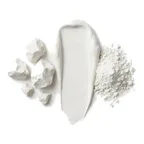 Kaolin Clay
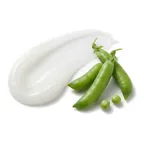 Niacinamide
 Sodium Hyaluronate
 Tranexamic Acid
Vitamin C, kaolin clay, and niacinamide help brighten, absorb excess oil, and even skin tone, so it suits most skin types. For skin that needs soothing, cleansers with allantoin and panthenol get higher fit scores. Where to buy in the US: Amazon.com, $16.29.
Each fit is calculated for the concerns frequently associated with that skin type. For scores and recommendations based on your full skin profile, including your 12D face scan results and goals, use the Lovi app.
Updated How the Fit score works
Where it fits best and least
Best fit High
Oily Skin, Combination Skin, Acne-Prone Skin, Skin with Dark Spots, Mature Skin, Oily Acne-Prone Skin
A great choice for oily skin; a few cleansers fit it even better.
- Excellent suitability for your oily skin is provided by kaolin and bentonite clays, which effectively absorb excess oil and regulate sebum production, complemented by ascorbic acid and niacinamide for antioxidant benefits and regulating melanogenesis.
Lowest fit Average
Dry Skin, Sensitive Skin, Dry Sensitive Skin
Works for dry skin; other cleansers fit it better.
- Offers moderate suitability for your dry skin as Glycerin and Glyceryl Glucoside provide some hydration, but it lacks sufficient emollients like Ceramide NP and Caprylic Capric Triglyceride to fully address dryness.
Buy online

Prices checked 22 Nov 2026
How to apply
- Use your cleanser AM and PM every day to keep your skin fresh. Always make sure to follow with a good SPF in the morning.
- Apply your cleanser as the first step in the morning or the second step in the evening before your toner.
- Gently massage a small amount onto your face using circular motions, then rinse well with water .
- You can apply this cleanser safely on damp skin for a refreshing and easy wash.
- Avoid getting the product directly into your eyes and stop use if irritation occurs.
People Say
★4.7Overall rating based on 1.2k+ reviewsBased on a very large amount of data, this cleanser is highly regarded by users with oily and dull skin for its effective deep cleaning, leaving skin feeling refreshed and looking brighter over time. However, a moderate number of users with dry or sensitive skin find it can be drying or stripping due to its potent formula and clay content.
Highlights
Deep cleansing Mostly Mentioned
- “squeaky clean feeling”
- “removes all impurities”
- “great for oily skin”
- “pores look smaller”
Brightening effect Often Mentioned
- “skin looks radiant”
- “brightens my complexion”
- “helped with dullness”
- “face looks less tired”
Pleasant scent Often Mentioned
- “refreshing orange scent”
- “smells like vitamins”
- “lovely citrus smell”
- “invigorating aroma”
Economical usage Sometimes Noted
- “a little goes a long way”
- “huge tube”
- “lasts for months”
- “very rich foam”
Drying or stripping Sometimes Noted
- “skin felt tight”
- “too drying for me”
- “stripped my skin barrier”
- “need moisturizer immediately”
Messy packaging Rarely Noted
- “leaks into the cap”
- “messy dispenser”
- “product oozes out”
- “cap gets dirty”
Potential irritation Rarely Noted
- “caused redness”
- “stung my eyes”
- “too strong for sensitive skin”
- “broke me out”
Undissolved granules Rarely Noted
- “granules didn't dissolve”
- “felt a bit scratchy”
- “hard to lather completely”
- “rough texture”
Sources: lovi.care, iherb.com, misshaus.com, yesstyle.com, stylekorean.com, nykaa.com, and more
Questions and answers
What makes Missha Vita C Plus Foaming Cleanser a great fit for oily skin?
This cleanser is a great fit for your oily skin because kaolin and bentonite clays absorb extra oil and balance shine, while vitamin C and niacinamide brighten your complexion. It also cleans away impurities effectively and is unlikely to cause irritation.
The British Journal of Dermatology, 2002Journal of Cosmetic Dermatology, 2020
How well does Missha Vita C Plus Foaming Cleanser work for dry skin?
This cleanser works moderately well for dry skin, offering some hydration from glycerin and glyceryl glucoside, but it lacks enough rich softening ingredients to fully address dryness. A cleanser for this skin needs plenty of hydrating and barrier-repairing ingredients like essential ceramides and sodium hyaluronate to maintain moisture and protect the skin.
Skin Pharmacology and Physiology, 2012The Journal of Clinical and Aesthetic Dermatology, 2012
How well does Missha Vita C Plus Clear Complexion Foaming Cleanser work for dry sensitive skin?
This cleanser works moderately well for dry sensitive skin because glycerin and glyceryl glucoside provide some hydration, but the formula lacks sufficient emollients and occlusives for optimal moisture retention. A cleanser of this type needs rich hydrating and barrier-repairing ingredients like ceramides and hyaluronic acid to maintain moisture and skin health.
Skin Pharmacology and Physiology, 2012The Journal of Clinical and Aesthetic Dermatology, 2012
Can I use this cleanser with retinol, and in what order?
You can use this cleanser in the same routine as retinol by applying the cleanser first to remove impurities and excess oil, followed by your retinol treatment. This cleanser is unlikely to cause irritation due to soothing ingredients like allantoin and niacinamide, making it a gentle step before applying active treatments.
Can I use this cleanser around the eyes or on my body?
This cleanser is intended for facial use, so you should avoid applying it directly around the delicate skin of the eyes or on the body.
Is this cleanser fragrance-free and alcohol-free?
Yes, it has no fragrance and no drying alcohol.
What makes Missha Vita C Plus Foaming Cleanser a great fit for combination skin?
This cleanser is a great fit because myristic and lauric acids clean pores to manage oily shine while kaolin and bentonite absorb extra oil. Vitamin C and niacinamide help brighten your skin, and soothing ingredients like allantoin keep it calm and safe.
Journal of Cosmetic Dermatology, 2020Free Radical Biology & Medicine, 2025
How well does Missha Vita C Plus Foaming Cleanser work for sensitive skin?
This cleanser works moderately well for sensitive skin, effectively washing away dirt while soothing and calming without causing irritation. Because it does not directly target redness and irritation, cleansers for sensitive skin need calming ingredients like niacinamide and ceramides to keep moisture locked in and reduce redness.
What makes Missha Vita C Plus Foaming Cleanser a great fit for acne-prone skin?
Missha Vita C Plus Foaming Cleanser is a great fit for acne-prone skin because it combines ascorbic acid and niacinamide to help manage breakouts and blemishes. It also uses effective surfactants like myristic and lauric acid to clear away impurities while soothing the skin with allantoin.
The British Journal of Dermatology, 2002Dermatologic Therapy, 2020
What makes Missha Vita C Plus Foaming Cleanser a great fit for skin with dark spots?
Missha Vita C Plus Foaming Cleanser is a great fit for skin with dark spots because it combines brightening ingredients like niacinamide, arbutin, and tranexamic acid to help fade discoloration. It also features vitamin C and soothing components like allantoin, making it a safe choice that helps brighten your complexion without causing irritation.
What makes Missha Vita C Plus Foaming Cleanser a great fit for mature skin?
This cleanser is a great fit for mature skin because ingredients like ascorbic acid and niacinamide provide antioxidant benefits and help regulate melanin production, while peptides work to support collagen and reduce the appearance of fine lines. It also includes soothing allantoin and tocopherol to keep skin calm and comfortable without harsh irritants.
American Journal of Clinical Dermatology, 2013Annals of Dermatology, 2019
What makes Missha Vita C Plus Foaming Cleanser a great fit for oily acne-prone skin?
This cleanser is a great fit because myristic and lauric acid clear out pores and manage oiliness, while kaolin and bentonite clay regulate sebum production. Niacinamide and ascorbic acid provide gentle exfoliation and oil control, and soothing ingredients like allantoin keep the formula safe and gentle on your skin.
Dermatologic Therapy, 2020Drug Development and Industrial Pharmacy, 2019
What the research says
Topical application of 5% vitamin C cream significantly improved global clinical scores, increased skin microrelief density, and induced elastic tissue repair in photoaged skin compared to excipient control in healthy female volunteers.
Experimental Dermatology, 2003Topical application of VC-IP cream twice daily for 8 weeks reduces periorbital wrinkles in female subjects compared to a placebo cream.
Journal of Cosmetic Dermatology, 2022Topical treatment with 5% vitamin C and 0.1% madecassoside significantly improved clinical scores for wrinkles, suppleness, firmness, roughness, and skin hydration, along with functional and structural remodeling of the elastic fiber network in 20 female volunteers with photoaged skin after 6 months compared to baseline.
Experimental Dermatology, 2008Vectorization of high molecular weight hyaluronic acid with clay enabled its penetration into deeper skin layers and led to a significant clinical reduction in fine lines in the crow's feet area compared to placebo after 28 days.
Skin Research and Technology, 2024Twice-weekly use of a clay mask over 4 weeks in 75 adults with oily or combination skin improved acne-related outcomes, sebum content, skin evenness, hydration, and reduced dryness and irritation.
Skin Research and Technology, 2023Clay jojoba oil facial masks reduced total skin lesions by a mean of 54% after 6 weeks in 133 participants with acne-prone, lesioned skin and mild acne compared to baseline.
Forschende Komplementarmedizin, 2012Topical nicotinamide prevented solar-simulated UV-induced immunosuppression in healthy volunteers, and men experienced immunosuppression at solar-simulated UV doses three times lower than those required for women.
The Journal of Investigative Dermatology, 2008Topical 5% niacinamide applied twice daily for 12 weeks reduced fine lines and wrinkles, hyperpigmented spots, red blotchiness, and skin sallowness, and improved skin elasticity compared to vehicle control in 50 female white subjects with facial photoaging.
Dermatologic Surgery, 2005Topical 2% niacinamide significantly decreased sebum excretion rate in Japanese individuals and casual sebum levels in Caucasian individuals compared to placebo or baseline.
Journal of Cosmetic and Laser Therapy, 2006Topical application of 0.1% hyaluronic acid formulations of different molecular weights led to significant improvements in skin hydration and elasticity, with low-molecular-weight formulations also significantly reducing wrinkle depth in seventy-six female subjects compared to a vehicle control.
Journal of Drugs in Dermatology, 2011Topical hyaluronic acid serum used twice daily by 40 females with facial photoaging produced an immediate 134% increase in skin hydration, a sustained 55% increase at week 6, and significant improvements in smoothness, plumping, fine lines, wrinkles, and global appearance without causing irritation.
Dermatology and Therapy, 2021A topical antioxidant serum significantly reduced air pollution-induced skin pigmentation and proinflammatory gene expression ex vivo, and improved skin aging signs in 40 healthy adult females after 90 days of daily use.
Journal of Cosmetic Dermatology, 2022Topical administration of 20% azelaic acid cream and 5% tranexamic acid solution comparably improved acne-related postinflammatory hyperpigmentation in patients with acne vulgaris, while tranexamic acid demonstrated a significantly better safety profile at week 4.
Journal of Research in Medical Sciences, 2023Topical 10% tranexamic acid serum reduced inflammatory acne counts, particularly papules and pustules, and decreased skin redness compared to placebo in 18 patients with mild-to-moderate acne over 8 weeks.
Journal of Cosmetic Dermatology, 2022A topical serum containing vitamin C, vitamin E, and raspberry leaf cell culture extract improved skin color, elasticity, radiance, smoothness, scaliness, and wrinkles compared to the untreated contralateral side in fifty female volunteers.
Journal of Cosmetic Dermatology, 2020Niacinamide significantly decreased hyperpigmentation and increased skin lightness compared with vehicle alone after 4 weeks of use in women by inhibiting melanosome transfer.
The British Journal of Dermatology, 2002Daily use of multi-weight hyaluronic acid plus antioxidant complex-based topical formulations significantly improved skin moisturization within 30 minutes and reduced dryness, roughness, fine lines, and wrinkles as early as two weeks compared to baseline.
The Journal of Clinical and Aesthetic Dermatology, 2024All three treatments—benzoyl peroxide, benzoyl peroxide plus erythromycin, and the combination of niacinamide, gallic acid, and lauric acid—were effective in reducing acne vulgaris severity in ninety patients over eight weeks.
Dermatologic Therapy, 2020Topical application of glyceryl glucoside significantly increased AQP3 mRNA levels and reduced transepidermal water loss compared with vehicle-controlled areas in volunteer subjects.
Skin Pharmacology and Physiology, 2012Topical oil-in-water and water-in-oil emulsions containing glyceryl glucoside, natural moisturizing factors, and ceramide significantly improved skin hydration and barrier function while reducing visible dryness and tactile roughness in subjects with very dry skin compared to untreated sites and vehicles.
The Journal of Clinical and Aesthetic Dermatology, 2012Topical treatment of nicotinamide, alone or in combination with other active ingredients, reduces the progression of skin aging and hyperpigmentation in clinical trials while being well tolerated.
Antioxidants, 2021A bentonite-based facial mask with Alcea sulphurea extract combined with oral azithromycin significantly reduced total lesion count and acne severity index while enhancing patient satisfaction in patients with moderate acne compared to placebo plus azithromycin over 8 weeks.
Journal of Cosmetic Dermatology, 2025Concurrent treatment with 3-O-ethyl ascorbic acid and cannabigerol in UVB-irradiated human keratinocytes prevents membrane structure alterations, promotes cell survival, enhances antioxidant enzyme activity and GSH- and Trx-dependent systems, reduces lipid and protein oxidative modifications, and exerts anti-inflammatory effects.
Free Radical Biology & Medicine, 2025Topical vitamin C effectively treats uneven and wrinkled skin while providing depigmenting properties in patients with melasma and photoaging compared to baseline or placebo.
Journal of Cosmetic Dermatology, 2023Tetradecanoic acid, 2-sulfo-, 1-methylester, sodium salt (C14-MES) exhibited an acute oral LD50 of 1,000 mg/kg in male rats and 500 mg/kg in females, showed a repeated dose toxicity NOEL of 0.3% and a reproduction/developmental toxicity NOEL of 1.2%, and was negative in genotoxicity and skin sensitization assays.
The Journal of Toxicological Sciences, 2005Argireline treatment twice daily for 4 weeks produced a significant anti-wrinkle effect with 48.9% total efficacy and decreased skin roughness in Chinese subjects compared with 0% efficacy and no decrease in roughness in the placebo group.
American Journal of Clinical Dermatology, 2013Treatment with cross-linked hyaluronic acid-based microneedle patches combined with acetyl hexapeptide-8 or epidermal growth factor significantly improved wrinkles and skin hydration compared to the patch alone in Korean females over 29 days.
Annals of Dermatology, 2019Argireline applied twice daily for 4 weeks achieved a total anti-wrinkle efficiency of 48.9% and notably reduced wrinkle depth compared to placebo in Chinese subjects.
Journal of Cosmetic and Laser Therapy, 2013Co-application of curcumin and lauric acid liposomal gel exhibited enhanced antibacterial effect and a two-fold reduction in comedones count and cytokines in a rat ear model compared to the placebo-treated group.
Drug Development and Industrial Pharmacy, 2019Glycerosomes loaded with lincomycin and lauric acid incorporated into a carbopol hydrogel achieved a two-fold increase in skin deposition of lincomycin and reduced inflammation, bacterial load, and improved histopathological changes in an acne mouse model compared to lincomycin hydrogel.
International Journal of Pharmaceutics, 2023The combination of allantoin, bisabolol, D-panthenol and dipotassium glycyrrhizinate reduces UVB-induced PGE2, inflammatory cytokines, and mitochondrial superoxide in human epidermal keratinocytes.
International Journal of Cosmetic Science, 2024The ThriveCo Bumps Eraser Kit increased skin hydration by 131.75%, reduced redness by 69.30%, decreased pigmentation by 35.77%, dropped itchiness by 92.63%, improved smoothness by 55.00%, reduced roughness by 148.54%, and decreased scaliness by 87.09% without adverse effects.
Cureus, 2025A single application of a moisturizing fluid containing hyaluronic acid 1%, glycerin 5%, and Centella asiatica stem cells extract significantly increased skin hydration by 29% and reduced transepidermal water loss at 24 hours compared to baseline and an untreated control site in twenty healthy women.
Clinical, Cosmetic and Investigational Dermatology, 2017
Ingredients
Water, Glycerin, Myristic Acid, Stearic Acid, Kaolin, Potassium Hydroxide, Bentonite, Palmitic Acid, Lauric Acid, Glyceryl Stearate, Coco-Glucoside, Iron Oxides Ci 77492, Polyquaternium-7, Lactose, Citrus Aurantium Dulcis Peel Oil, Cellulose, Arachidic Acid, Sodium Cocoyl Isethionate, Grapefruit Peel Oil, Disodium Edta, Eucalyptus Globulus Oil Leaf, Lavandula Angustifolia Oil Lavender Oil, Oleic Acid, 1,2-Hexanediol, Sodium Benzoate, Quillaja Saponaria Bark Extract, Hydroxypropyl Methylcellulose, Tocopheryl Acetate, Citric Acid, Hippophae Rhamnoides Water, Ethylhexylglycerin, Ascorbic Acid, 3-O-Ethyl Ascorbic Acid, Allantoin, Glyceryl Glucoside, Caprylic Capric Triglyceride, Butylene Glycol, Hydrogenated Lecithin, Ceramide Np, Palmitoyl Tripeptide-5, Caprylyl Glycol, Sodium Hyaluronate, Acetyl Hexapeptide-8, Tocopherol, Hydrolyzed Hyaluronic Acid, Arbutin, Niacinamide, Tranexamic Acid, Dipropylene Glycol, Hydrolyzed Collagen, Pentylene Glycol, Laurdimonium Hydroxypropyl Hydrolyzed Wheat Protein, Phytosterols, Ascorbyl Glucoside
Behind these fit scores
Lovi calculates every fit score from the full ingredient list with brand-independent rules our dermatologists and cosmetic chemists build and review, and personalizes every pick with AI trained on the real results of millions of users. Lovi trains its fit score models on a proprietary dataset built from more than 10,000 expert-labeled products and more than 100,000 simulated examples, following an internally consistent methodology presented at Cosmoprof, AMWC, and Skin of Color Update.
-

Co-founder, Medical Director
Cosmetic chemist, cosmetologist, aesthetic products developer
-

Co-founder, CEO and CTO
PhD in computer science, 3x US patent holder, ex-Google, ex-Yandex
-

Dr. Sofía Perea Pérez, MD, MSc
Medical Board
Aesthetic medicine practitioner, MSc in Longevity and Anti-Aging Medicine
-

Medical Board
Specialist dermatologist, MBBS, MD, IFAAD
-

Medical Board
Cosmetic chemist, SCS, IFSCC member
-

Medical Board, Medical Advisor
Dermatology MD
-

Elina Nazarenko, MD
Medical Board
Dermatology and diagnostic consultant
-

Victoria Derkova, MS
Medical Board
Cosmetic chemist, cosmetic development technologist


How does it fit your skin?
Scan your face, then any product: Lovi shows how well it fits you and what fits even better.