
innisfree Retinol Cica Moisture Recovery Serum

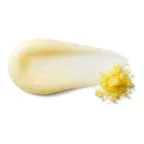 Retinol
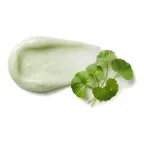 Centella Asiatica
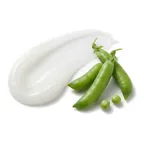 Niacinamide
 Sodium Hyaluronate
 Ceramide Np
Retinol, niacinamide, and hyaluronic acid smooth texture, regulate oil, and provide hydration, so it suits most skin types. For skin that needs soothing, moisturizers with aloe vera and panthenol get higher fit scores. Where to buy in the US: Amazon.com, $34.00.
Each fit is calculated for the concerns frequently associated with that skin type. For scores and recommendations based on your full skin profile, including your 12D face scan results and goals, use the Lovi app.
Updated How the Fit score works
Where it fits best and least
Best fit High
Oily Skin, Dry Skin, Combination Skin, Acne-Prone Skin, Skin with Dark Spots, Mature Skin, Oily Acne-Prone Skin
One of the best moisturizers for oily skin.
- Highly suitable for your oily skin, this serum leverages salicylic acid for effective pore clearing and niacinamide to help regulate oil production, addressing your concern for oily shine.
Lowest fit Average
Sensitive Skin, Dry Sensitive Skin
Works for sensitive skin; other moisturizers fit it better.
Buy online

Prices checked 22 Nov 2026
How to apply
- Could be used as part of your AM and PM routine. Start using it 3 times a week and move to daily use if your skin likes it.
- Apply this moisturizer after your cleanser and toner, right before your morning SPF.
- Gently press a small amount of the moisturizer into your skin. Avoid rubbing it too hard so it absorbs nicely.
- For the best moisture, you can apply it when your skin is slightly damp. This helps your skin stay soft and happy.
- Remember to avoid the eye area when applying. Always do a patch test before your first use.
People Say
★4.5Overall rating based on 1.5k+ reviewsBased on a very large amount of data, this serum is a gentle, beginner-friendly option that effectively refines skin texture, reduces acne, and hydrates without causing irritation, making it suitable for sensitive and acne-prone skin. Some experienced retinol users find it too mild for significant anti-aging effects.
Highlights
Gentle, non-irritating Mostly Mentioned
- “mildest retinol they've tried”
- “zero irritation, peeling, or adjustment period”
- “does not cause irritation”
- “ideal for sensitive, acne-prone skin”
Hydrating, soothing Often Mentioned
- “leaving skin refreshed and hydrated”
- “helps to soothe the skin”
- “floods the skin with moisture”
- “lightweight but moisturizing texture”
Improves texture Often Mentioned
- “significant improvements in skin's texture”
- “smooth away dead skin cells”
- “smoothing out rough patches”
- “improves the look of texture”
Clears acne Sometimes Noted
- “address acne-prone skin concerns”
- “works on blemishes, acne, sebum”
- “reduces blackheads and blemishes”
- “help with the appearance of blemishes”
Too mild Sometimes Noted
- “experienced retinol users find it too mild”
- “not going to deliver transformative results”
- “maintenance dose, not a correction”
- “limits aggressive anti-aging claims”
Confusing rebranding Rarely Noted
- “confused why retinol cica repair ampoule is not sold”
- “packaging says retinol cica moisture recovery serum”
- “wondering if there is a difference”
Slow results Rarely Noted
- “will not deliver a strong retinoid result”
- “effect, if any, is likely to be small”
- “intentionally conservative”
Sources: lovi.care, innisfree.com, dermapproved.com, reddit.com, cultbeauty.com, gopicky.com, and more
Questions and answers
What makes innisfree Retinol Cica Serum a great fit for oily skin?
This serum is a great fit for oily skin because it uses salicylic acid to clear pores and niacinamide to help control shine. It also includes soothing ingredients and hydration to keep your skin balanced and calm without feeling heavy.
What makes innisfree Retinol Cica Moisture Recovery Serum a great fit for dry skin?
This serum is a great fit because it provides just the right amount of gentle smoothing and deep moisture for dry skin. Glycerin and sodium hyaluronate draw in water to keep your skin feeling soft, while soothing ingredients help prevent irritation. It is safe and comfortable to wear daily.
How well does innisfree Retinol Cica Serum work for sensitive skin?
This serum is an average fit for sensitive skin because its active ingredients may not be strong enough for significant improvement. It includes soothing agents like niacinamide and allantoin, but this skin type needs products with effective hydrating and soothing ingredients that address redness and irritation without any risk of irritation, along with ingredients that enhance hydration and maintain skin barrier function.
How often should I use this serum?
This serum is used in your evening routine, starting at once a week and slowly increasing as your skin adjusts. Daily applications of similar moisturizing treatments help improve skin hydration and barrier function over time.
Journal of Cosmetic Dermatology, 2020Health Science Reports, 2021
Can I use this serum around the eyes or on my body?
This serum is generally fine to use on the thin skin around the eyes or on the body, though eye and body skin vary greatly in thickness compared to the face. The inclusion of retinol helps smooth fine lines while staying well-tolerated.
Surgical and Radiologic Anatomy, 2002Journal of Cosmetic Dermatology, 2016
Is this serum fragrance-free and alcohol-free?
Yes, it has no fragrance and no drying alcohol.
What makes innisfree Retinol Cica Serum a great fit for combination skin?
This serum is a great fit for your combination skin because the retinol and niacinamide help smooth texture, even out tone, and manage oil. Salicylic acid also helps control oily shine, while soothing ingredients keep the formula safe and gentle.
The British Journal of Dermatology, 2002Journal of Cosmetic Dermatology, 2016
What makes innisfree Retinol Cica Moisture Recovery Serum a great fit for oily acne-prone skin?
This serum is a great fit because retinol and niacinamide smooth texture and improve skin tone while offering moderate exfoliation for breakouts. Salicylic acid further helps reduce oil production and shiny skin, and soothing ingredients like niacinamide and beta-glucan keep the formula safe and gentle.
BioMed Research International, 2020Journal of Cosmetic Dermatology, 2024
How well does innisfree Retinol Cica Serum work for dry sensitive skin?
The innisfree Retinol Cica Moisture Recovery Serum works moderately well for dry sensitive skin by providing basic hydration and gentle renewal, though other products fit this skin type better. To achieve a better fit, a product of this type needs multiple forms of hyaluronic acid, pro vitamin B5, and ceramides to deliver intense hydration and strengthen the skin barrier.
Clinical, Cosmetic and Investigational Dermatology, 2017Skin Pharmacology and Physiology, 2026
What makes innisfree Retinol Cica Serum a great fit for acne-prone skin?
This serum is a great fit because retinol and niacinamide help smooth texture while niacinamide regulates oil, and salicylic acid provides gentle exfoliation for breakouts. It is very gentle on your skin because it avoids harsh ingredients and includes soothing agents like niacinamide and beta-glucan.
What makes innisfree Retinol Cica Serum a great fit for skin with dark spots?
This serum is a great fit for skin with dark spots because it uses retinol and salicylic acid to gently renew the surface while niacinamide helps fade dark patches and even out skin tone. Ingredients like allantoin and beta-glucan further calm the skin and keep the moisture barrier strong, making it comfortable to use.
The British Journal of Dermatology, 2002The British Journal of Dermatology, 2019
What makes innisfree Retinol Cica Serum a great fit for mature skin?
This serum is a great fit for mature skin because it uses retinol and salicylic acid to smooth wrinkles and fine lines, while niacinamide and ceramide NP help repair your skin barrier. It also provides essential hydration and soothing benefits to keep your skin calm and healthy.
What the research says
Topical bakuchiol 0.5% applied twice daily compared with retinol 0.5% applied daily significantly decreased wrinkle surface area and hyperpigmentation with no statistical difference between the compounds in 44 patients over 12 weeks, while retinol users reported more facial skin scaling and stinging.
The British Journal of Dermatology, 2019Topical 0.3% and 1% retinol comparably improved biomarkers of cutaneous photoageing in photoaged volunteers, while 0.3% retinol demonstrated better tolerance with fewer and milder adverse events compared to 1% retinol in a daily escalation regimen.
International Journal of Cosmetic Science, 2022Daily application of 0.3% and 0.5% retinol serums in 37 volunteers over 12 weeks reduced skin hyperpigmentation, unevenness, and wrinkles on both sides of the face, with the 0.5% concentration causing more frequent and intense skin irritation.
Skin Pharmacology and Physiology, 2020A single application of a moisturizing fluid containing hyaluronic acid 1%, glycerin 5%, and Centella asiatica stem cells extract significantly increased skin hydration by 29% and reduced transepidermal water loss at 24 hours compared to baseline and an untreated control site in twenty healthy women.
Clinical, Cosmetic and Investigational Dermatology, 2017Topical treatment with 5% vitamin C and 0.1% madecassoside significantly improved clinical scores for wrinkles, suppleness, firmness, roughness, and skin hydration, along with functional and structural remodeling of the elastic fiber network in 20 female volunteers with photoaged skin after 6 months compared to baseline.
Experimental Dermatology, 2008Treatment with an asiaticoside-containing cream applied twice daily for 12 weeks significantly improved periorbital wrinkles in 65% of 27 female volunteers compared to a vehicle control cream.
International Journal of Cosmetic Science, 2008Topical nicotinamide prevented solar-simulated UV-induced immunosuppression in healthy volunteers, and men experienced immunosuppression at solar-simulated UV doses three times lower than those required for women.
The Journal of Investigative Dermatology, 2008Topical 5% niacinamide applied twice daily for 12 weeks reduced fine lines and wrinkles, hyperpigmented spots, red blotchiness, and skin sallowness, and improved skin elasticity compared to vehicle control in 50 female white subjects with facial photoaging.
Dermatologic Surgery, 2005Topical 2% niacinamide significantly decreased sebum excretion rate in Japanese individuals and casual sebum levels in Caucasian individuals compared to placebo or baseline.
Journal of Cosmetic and Laser Therapy, 2006Topical application of 0.1% hyaluronic acid formulations of different molecular weights led to significant improvements in skin hydration and elasticity, with low-molecular-weight formulations also significantly reducing wrinkle depth in seventy-six female subjects compared to a vehicle control.
Journal of Drugs in Dermatology, 2011Topical hyaluronic acid serum used twice daily by 40 females with facial photoaging produced an immediate 134% increase in skin hydration, a sustained 55% increase at week 6, and significant improvements in smoothness, plumping, fine lines, wrinkles, and global appearance without causing irritation.
Dermatology and Therapy, 2021A topical antioxidant serum significantly reduced air pollution-induced skin pigmentation and proinflammatory gene expression ex vivo, and improved skin aging signs in 40 healthy adult females after 90 days of daily use.
Journal of Cosmetic Dermatology, 2022Ceramide and niacinamide-containing moisturizer combined with anti-acne treatment significantly improved non-inflammatory, inflammatory, and total acne lesions compared to hydrophilic cream in 40 patients with mild to moderate acne vulgaris after 8 weeks.
Journal of Cosmetic Dermatology, 2024Topical application of a pseudo-ceramide-containing spray improved stratum corneum water content, transepidermal water loss, cell area, and scaling score, and normalized the ceramide profile in patients with dry and sensitive skin compared to a control spray.
Journal of Cosmetic Dermatology, 2025Topical application of retinol and retinoic acid both increased epidermal thickness and upregulated collagen genes and proteins in human skin, with retinol producing similar histological and molecular changes to retinoic acid alongside a significant reduction in facial wrinkles after 12 weeks.
Journal of Cosmetic Dermatology, 2016Niacinamide significantly decreased hyperpigmentation and increased skin lightness compared with vehicle alone after 4 weeks of use in women by inhibiting melanosome transfer.
The British Journal of Dermatology, 2002Topical application of 0.1% retinol induced CRABP2 and HBEGF gene expression, increased keratinocyte proliferation and epidermal thickness ex vivo, and improved major skin aging signs without significant adverse reactions in 48 volunteers compared to placebo.
Skin Pharmacology and Physiology, 2009A moisturizer containing licochalcone A, 1,2-decanediol, L-carnitine, and salicylic acid significantly reduced noninflammatory, inflammatory, and total acne lesion counts compared to a vehicle control in Thai patients during a 12-week maintenance phase.
BioMed Research International, 2020The combination of allantoin, bisabolol, D-panthenol and dipotassium glycyrrhizinate reduces UVB-induced PGE2, inflammatory cytokines, and mitochondrial superoxide in human epidermal keratinocytes.
International Journal of Cosmetic Science, 2024A combination serum containing galactomyces ferment filtrate, dexpanthenol, and Centella asiatica effectively treated post-acne hyperpigmentation in subjects with colored skin by significantly increasing lightness scores in Fitzpatrick skin type V and reducing the melanin index in Fitzpatrick skin type IV compared to placebo.
Skinmed, 2021Twice daily application of a multitargeted dermocosmetic cream provided comparable efficacy to benzoyl peroxide 5% gel in reducing inflammatory, non-inflammatory, and total lesions in 150 Caucasian subjects with mild-to-moderate acne over 56 days, while demonstrating superior skin tolerability.
Journal of Cosmetic Dermatology, 2024The ThriveCo Bumps Eraser Kit increased skin hydration by 131.75%, reduced redness by 69.30%, decreased pigmentation by 35.77%, dropped itchiness by 92.63%, improved smoothness by 55.00%, reduced roughness by 148.54%, and decreased scaliness by 87.09% without adverse effects.
Cureus, 2025In 50 participants with sensitive skin, a Ceramide NP C15-containing emollient improved skin barrier function with a significant reduction in transepidermal water loss and induced modest changes in skin microbiota compared to the vehicle.
Skin Pharmacology and Physiology, 2026Topical hyaluronic acid filler serum combined with Botulinum toxin type A lengthened the duration of the toxin's effect in reducing wrinkles compared to Botulinum toxin type A alone.
Dermatologic Therapy, 2022Topical treatment of nicotinamide, alone or in combination with other active ingredients, reduces the progression of skin aging and hyperpigmentation in clinical trials while being well tolerated.
Antioxidants, 2021Topical application of oat beta-glucan ameliorates epidermal hyperplasia and accelerates epidermal barrier recovery by promoting keratinocyte differentiation through dectin-1-mediated ERK and p38 signaling pathways that upregulate CaSR expression.
International Journal of Biological Macromolecules, 2021The use of a salicylic acid-based dermocosmetic significantly reduces the needed quantity of benzoyl peroxide without impacting efficacy in mild to moderate acne, and as maintenance post-benzoyl peroxide allows a significant reduction of acne relapse compared to vehicle.
Journal of Drugs in Dermatology, 2023Colloidal oatmeal acts as a cleanser, moisturizer, buffer, and soothing anti-inflammatory agent due to its starches, beta-glucan, phenols, and saponins, relieving itch and irritation in xerotic dermatoses.
Journal of Drugs in Dermatology, 2007
Ingredients
Water, Glycerin, Butylene Glycol, Niacinamide, Dibutyl Adipate, Caprylic Capric Triglyceride, 1,2-Hexanediol, Hydrogenated Lecithin, Ammonium Acryloyldimethyltaurate Vp Copolymer, Helianthus Annuus Seed Oil Sunflower Seed Oil, Cholesterol, Allantoin, Glycine Soja Oil Soybean Oil, Tocopherol, Tocopheryl Acetate, Sodium Methyl Stearoyl Taurate, Propanediol, Daucus Carota Sativa Root Extract Carrot Root Extract, Ethylhexylglycerin, Adenosine, Asiaticoside, Madecassic Acid, Camellia Sinensis Seed Extract, Asiatic Acid, Retinol, Stearyl Glycyrrhetinate, Sodium Hyaluronate, Mannitol, Ceramide Np, Beta-Glucan, Beta-Carotene, Phytosphingosine, Bht, Salicylic Acid, Acetyl Tetrapeptide-11
Behind these fit scores
Lovi calculates every fit score from the full ingredient list with brand-independent rules our dermatologists and cosmetic chemists build and review, and personalizes every pick with AI trained on the real results of millions of users. Lovi trains its fit score models on a proprietary dataset built from more than 10,000 expert-labeled products and more than 100,000 simulated examples, following an internally consistent methodology presented at Cosmoprof, AMWC, and Skin of Color Update.
-

Co-founder, Medical Director
Cosmetic chemist, cosmetologist, aesthetic products developer
-

Co-founder, CEO and CTO
PhD in computer science, 3x US patent holder, ex-Google, ex-Yandex
-

Dr. Sofía Perea Pérez, MD, MSc
Medical Board
Aesthetic medicine practitioner, MSc in Longevity and Anti-Aging Medicine
-

Medical Board
Specialist dermatologist, MBBS, MD, IFAAD
-

Medical Board
Cosmetic chemist, SCS, IFSCC member
-

Medical Board, Medical Advisor
Dermatology MD
-

Elina Nazarenko, MD
Medical Board
Dermatology and diagnostic consultant
-

Victoria Derkova, MS
Medical Board
Cosmetic chemist, cosmetic development technologist


How does it fit your skin?
Scan your face, then any product: Lovi shows how well it fits you and what fits even better.