Fresh Black Tea Instant Perfecting Mask for oily acne-prone skin

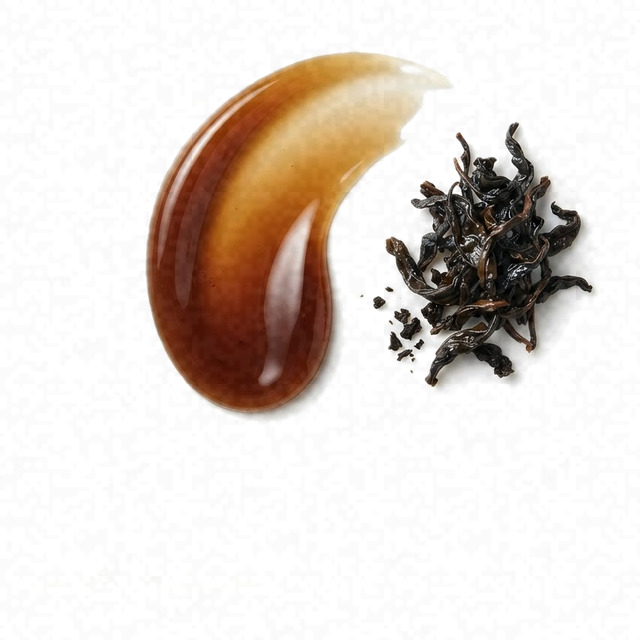 Black Tea Extract
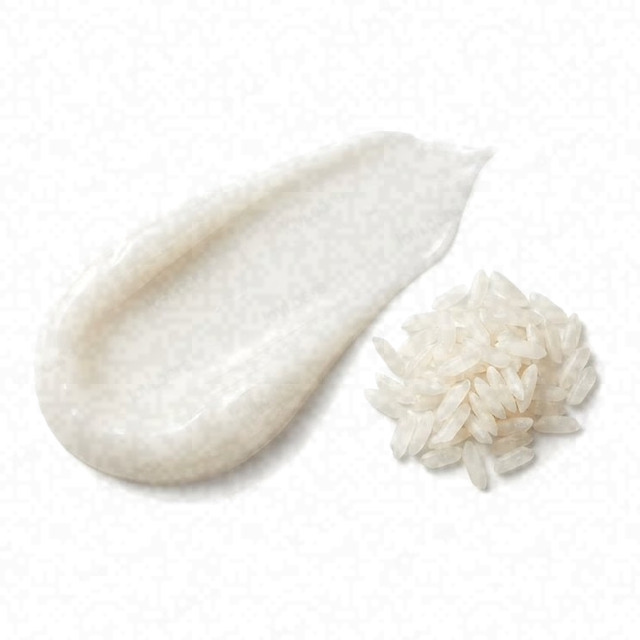 Rice Ferment Filtrate Sake Ferment Filtrate
 Sodium Hyaluronate
 Glycerin
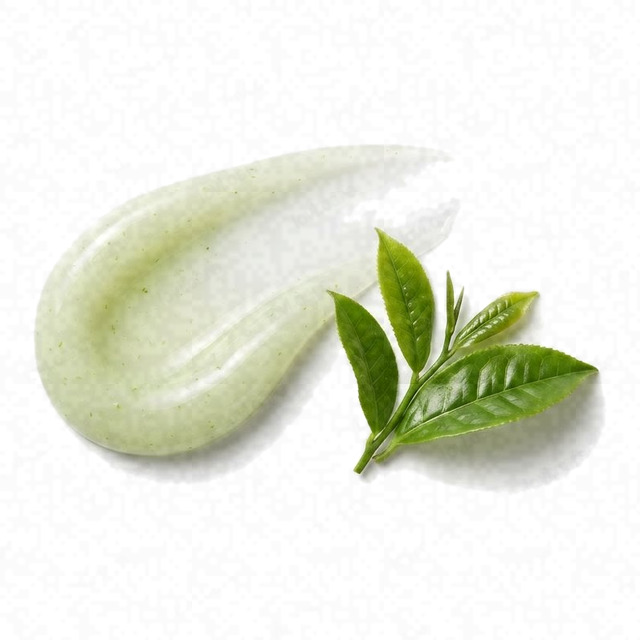 Camellia Sinensis Leaf Extract
Average
- AverageOily Skin Fit
- AverageEffectiveness
- HighSafety
Works for oily acne-prone skin; other nourishing masks fit it better.
- Clinical, Cosmetic and Investigational Dermatology, 2019
- Clinical, Cosmetic and Investigational Dermatology, 2017
This fit is calculated for the concerns frequently associated with oily acne-prone skin: shine, breakouts, blemishes, and enlarged pores. For scores and recommendations based on your full skin profile, including your 12D face scan results and any goals or preferences you have, please use the Lovi app.
Page built Nov 8, 2026How the Fit score works
Lovi Assistant explains
- Offers moderate suitability for your oily skin, as glycerin and sodium hyaluronate provide excellent hydration and plumping effects, while Camellia Sinensis Leaf Extract offers some soothing benefits for acne and breakouts.
- While the formula is generally safe and free from harsh ingredients for your oily skin, it lacks targeted ingredients for significant improvement of acne, blemishes, and breakouts.
- The product is safe for your skin, with no risks of irritation due to the absence of prohibited or harsh ingredients.
How to apply
- Could be used as part of your AM or PM routine. Start using the creamy mask 3 times a week and slowly move to daily use.
- Apply the creamy mask after your cleanser and toner, but right before your moisturizer or SPF.
- Gently smooth a thin layer of the creamy mask over your face. Avoid any harsh rubbing motions.
- Apply the creamy mask evenly on clean and dry skin for the best results against blemishes. Let it sit comfortably without rushing the process.
- Always avoid the delicate eye area. Do a quick patch test before your very first application to check for safety.
People Say
★4.5Overall rating based on 2.6k+ reviewsBased on a very large amount of data, this wash-off mask is widely adored for its unique "whipped" texture and immediate cooling sensation that refreshes tired, dull skin. Users consistently report that it leaves their face feeling "baby soft" and hydrated, though it is considered a luxury splurge that may cause stinging for those with very sensitive skin.
Highlights
Instant softening Mostly Mentioned
- “leaves skin baby soft”
- “velvety smooth finish”
- “texture feels refined instantly”
- “softest my skin has ever felt”
High price point Mostly Mentioned
- “way too expensive”
- “luxury splurge only”
- “hard to justify the price”
- “wallet hurts”
Cooling sensation Often Mentioned
- “cooling tingle tells you it's working”
- “feels like a cold drink for my face”
- “soothing and refreshing”
- “great for hot days”
Hydration & plumping Often Mentioned
- “plumps up fine lines”
- “gives a dewy glow”
- “skin looks rested and hydrated”
- “bouncy skin”
Unique texture Sometimes Noted
- “whipped cloud-like texture”
- “feels like mashed potatoes”
- “light and airy mousse”
- “spreads beautifully”
Jar packaging Rarely Noted
- “hate dipping fingers in”
- “wish it was a tube”
- “unhygienic jar”
- “product dries out if not sealed tight”
Scent dislike Rarely Noted
- “smells like old lady”
- “scent is too strong”
- “weird cucumber smell”
- “fragrance gave me a headache”
Skin irritation Rarely Noted
- “caused burning sensation”
- “face turned red”
- “tingling was too intense”
- “stung my sensitive areas”
Sources: lovi.care, ulta.com, sephora.sg, makeupalley.com, costco.com, influenster.com, and more
Questions and answers
How well does Fresh Black Tea Instant Perfecting Mask work for oily acne-prone skin?
This mask works moderately well for oily acne-prone skin, providing great hydration while helping soothe breakouts. Although it is safe and gentle, it lacks targeted ingredients for significant acne improvement. A nourishing mask for this skin type needs oil-controlling properties, balancing ingredients like niacinamide, and soothing extracts that promote a clear complexion without clogging pores.
Clinical, Cosmetic and Investigational Dermatology, 2017International Journal of Cosmetic Science, 2025
Which ingredients make this mask a good fit for oily acne-prone skin?
Glycerin and sodium hyaluronate make this mask a good fit by giving your skin great hydration, while green tea extract helps calm breakouts. To work best for oily and acne-prone skin, a product of this type needs soothing and balancing ingredients like niacinamide, centella asiatica, or ceramides that control excess oil and target blemishes.
Clinical, Cosmetic and Investigational Dermatology, 2017International Journal of Cosmetic Science, 2025
What does Black Tea Extract do for oily acne-prone skin?
Black tea extract helps calm oily, breakout-prone skin and supports overall skin health by easing inflammation and restoring a smooth surface. Topical green and black tea ingredients are unlikely to cause irritation and may reduce redness and pimples.
What does Rice Ferment Filtrate do for oily acne-prone skin?
Rice Ferment Filtrate helps balance moisture and keeps skin calm and smooth. This ingredient helps reduce redness and oily shine while supporting a clear, even texture.
Where does this mask go in a skincare routine for oily acne-prone skin?
This mask works well as an extra weekly step for oily skin, following a makeup remover, cleanser, and enzyme powder, and before a hydrating toner, treatment, and moisturizer. It offers moderate suitability since glycerin and sodium hyaluronate provide good hydration and plumping, while Camellia Sinensis Leaf Extract helps soothe breakouts, but this skin type needs targeted blemish-fighting ingredients for significant improvement.
Clinical, Cosmetic and Investigational Dermatology, 2017International Journal of Cosmetic Science, 2025
Can I use this mask with retinol, and in what order?
You can use this mask in your routine, but apply your retinol first and follow with this mask to keep your skin calm and hydrated. This mask is unlikely to cause irritation because it lacks harsh ingredients, though oily acne-prone skin needs targeted blemish-clearing ingredients for significant improvement.
Cutis, 2006Clinical, Cosmetic and Investigational Dermatology, 2017
How often should I use this mask?
This nourishing mask works as an occasional treat for your oily acne-prone skin, though other products fit it better. To care for this skin type, a product of this type needs targeted ingredients that help clear breakouts and manage blemishes.
Can this mask clog pores, cause breakouts or purging for oily acne-prone skin?
Fresh Black Tea Instant Perfecting Mask is unlikely to clog pores or cause breakouts for oily acne-prone skin, as it is generally safe with no harsh ingredients. However, it lacks targeted ingredients for significant improvement of acne and blemishes, so oily acne-prone skin needs a mask with dedicated blemish-fighting ingredients and oil-balancing extracts.
Clinical, Cosmetic and Investigational Dermatology, 2019International Journal of Cosmetic Science, 2025
Is this mask fragrance-free and alcohol-free?
It has no drying alcohol and contains fragrance (parfum and linalool).
What the research says
An anti-acne hydrogel containing Aloe barbadensis, Garcinia mangostana, and Camellia sinensis extracts showed superior antiacne and antiblotch activities compared to 1% clindamycin gel in sixty subjects with mild-moderate acne.
Clinical, Cosmetic and Investigational Dermatology, 2019A single application of a moisturizing fluid containing hyaluronic acid 1%, glycerin 5%, and Centella asiatica stem cells extract significantly increased skin hydration by 29% and reduced transepidermal water loss at 24 hours compared to baseline and an untreated control site in twenty healthy women.
Clinical, Cosmetic and Investigational Dermatology, 2017Topical and in vitro application of a Camellia sinensis leaf extract demonstrated immunomodulatory, detoxification, anti-inflammatory, and antioxidant properties while improving mood states, skin hydration, barrier function, rejuvenation, and facial skin health.
International Journal of Cosmetic Science, 2025Hyaluronic acid extracts are safe and efficacious products for skin repair when used in tissue regeneration alone or in combination with herbal or Western medicine.
Journal of Pharmacy & Pharmaceutical Sciences, 2015Topical application of standardized black tea extract prior to or after UVB exposure reduced erythema, skinfold thickness, inflammation, and the accumulation of c-fos and p53 proteins in murine and human skin.
Photochemistry and Photobiology, 1999Topical application of black tea gel prevented UV-induced erythema in all six subjects compared to unprotected control sites where erythema appeared after 4 hours.
International Journal of Cosmetic Science, 2007Black tea extract increased water and hyaluronic acid content, decreased malondialdehyde, enhanced antioxidant enzyme activities, improved skin tissue structure, and increased total collagen in the skin of D-galactose-induced aging mice compared to blank and positive control groups.
Frontiers in Nutrition, 2023Daily application of a cream containing niosomes loaded with purple glutinous rice extract in 20 human volunteers for 28 days resulted in a significant decrease in melanin index and skin roughness by -14.05% and -9.95%, and increases in skin hydration and elastic recovery by +48.73% and +35.98% compared to initial values.
International Journal of Cosmetic Science, 2020The iontophoretic delivery of hyaluronic acid nanogel-loaded Saccharomyces/Rice Ferment Filtrate significantly reduced advanced glycation end products and mitigated skin stiffening in an ex vivo skin tissue glycation model.
International Journal of Nanomedicine, 2025Red rice extract suppressed UVB-induced inflammation and skin aging in human skin fibroblasts by inhibiting the MAPK signaling pathway, leading to decreased NF-kappa B and AP-1 activation, reduced ECM degradation, and increased ECM synthesis compared to UVB-irradiated controls.
Natural Product Communications, 2016Topical application of 0.1% hyaluronic acid formulations of different molecular weights led to significant improvements in skin hydration and elasticity, with low-molecular-weight formulations also significantly reducing wrinkle depth in seventy-six female subjects compared to a vehicle control.
Journal of Drugs in Dermatology, 2011Topical application of hyaluronic acid in conjunction with free gingival graft significantly reduced donor site postoperative pain until day 7 compared to normal saline, with no significant differences in graft dimensions or patient satisfaction.
Clinical Oral Investigations, 2022Treatment with a hyaluronic acid-containing mouth rinse or topical gel led to significant lesion reduction, pain relief, and normalization of lesion color in adult patients with minor recurrent aphthous stomatitis, with the gel formulation showing an earlier healing onset at 3 days.
BMC Oral Health, 2019The emollient V0034CR significantly reduced TEWL compared to vehicle and vehicle plus glycerol, and significantly increased corneometry scores compared to vehicle and vehicle plus petrolatum in healthy volunteers with dry skin, demonstrating combined barrier function improvement from petrolatum and hydration improvement from glycerol.
Journal of Cosmetic Dermatology, 2020Ten days of treatment with a cream containing 20% glycerin significantly increased skin hydration measured by corneometer values in 17 healthy volunteers compared to a placebo cream, but showed no influence on transepidermal water loss or skin sensitivity to an irritating surfactant.
International Journal of Cosmetic Science, 2001Niacinamide/glycerin body moisturizers provided better rapid and prolonged improvement of cosmetic xerosis through functional improvement of stratum corneum barrier function compared to no treatment and conventional moisturizers in female subjects.
Journal of Drugs in Dermatology, 2012Topical green tea extract significantly improved clinical symptoms, tear breakup times, and meibomian gland health compared to standard treatment in patients with dry eye and Meibomian Gland Dysfunction.
Journal of Clinical and Diagnostic Research, 2017Topical low-dose green tea extract reduces UVB-induced p53 expression and apoptosis in human skin keratinocytes compared to placebo.
Experimental Dermatology, 2009Topical application of green tea extract encapsulated chitosan microparticles improved skin elasticity, melanin index, and facial wrinkles compared to a placebo in female volunteers without causing skin irritation.
Journal of Cosmetic Dermatology, 2022
Why other nourishing masks fit oily acne-prone skin better
Co-delivery of paeonol and madecassoside via nanoemulsions improved transdermal delivery, promoted barrier repair proteins, inhibited inflammatory cytokine secretion in cellular and 3D models, and reduced transepidermal water loss and acne in human facial skin compared to free components.
Molecules, 2023A panthenol-enriched mask improved skin hydration, regulated sebum, and reduced redness and TEWL across dry sensitive, oily sensitive, and oily acne skin subgroups with excellent tolerance and no adverse reactions.
Journal of Cosmetic Dermatology, 2024
Ingredients
Water, Glycerin, Rice Ferment Filtrate Sake Ferment Filtrate, Caprylic Capric Triglyceride, Pentylene Glycol, Sodium Polyacrylate, Betaine, Saccharomyces Ferment Filtrate, Camellia Sinensis Leaf Extract, Avena Sativa Kernel Extract Oat Kernel Extract, Vitis Vinifera Seed Oil Grape Seed Oil, Litchi Chinensis Seed Extract, Blackberry Leaf Extract, Rosa Damascena Oil Flower, Sodium Hyaluronate, Adenosine, Tocopheryl Acetate, Tocopherol, Ethylhexyl Palmitate, Poloxamer 407, Butylene Glycol, Parfum, Hydrogenated Lecithin, Menthoxypropanediol, Maltodextrin, Silica, Ci 77891 Titanium Dioxide, Trihydroxystearin, Hydroxyethylcellulose, Disodium Edta, Sodium Citrate, Caprylyl Glycol, Citric Acid, Caramel, Hexylene Glycol, Potassium Sorbate, Bht, Biotin, Phenoxyethanol, Linalool
Behind this fit score
Lovi calculates every fit score from the full ingredient list with brand-independent rules our dermatologists and cosmetic chemists build and review, and personalizes every pick with AI trained on the real results of millions of users. Lovi trains its fit score models on a proprietary dataset built from more than 10,000 expert-labeled products and more than 100,000 simulated examples, following an internally consistent methodology presented at Cosmoprof, AMWC, and Skin of Color Update.
-

Co-founder, Medical Director
Cosmetic chemist, cosmetologist, aesthetic products developer
-

Co-founder, CEO and CTO
PhD in computer science, 3x US patent holder, ex-Google, ex-Yandex
-

Dr. Sofía Perea Pérez, MD, MSc
Medical Board
Aesthetic medicine practitioner, MSc in Longevity and Anti-Aging Medicine
-

Medical Board
Specialist dermatologist, MBBS, MD, IFAAD
-

Medical Board
Cosmetic chemist, SCS, IFSCC member
-

Medical Board, Medical Advisor
Dermatology MD
-

Elina Nazarenko, MD
Medical Board
Dermatology and diagnostic consultant
-

Victoria Derkova, MS
Medical Board
Cosmetic chemist, cosmetic development technologist


How does it fit your skin?
Scan your face, then any product: Lovi shows how well it fits you and what fits even better.