Farmacy 10% Waterless Vitamin C Serum for acne-prone skin

 Ascorbic Acid
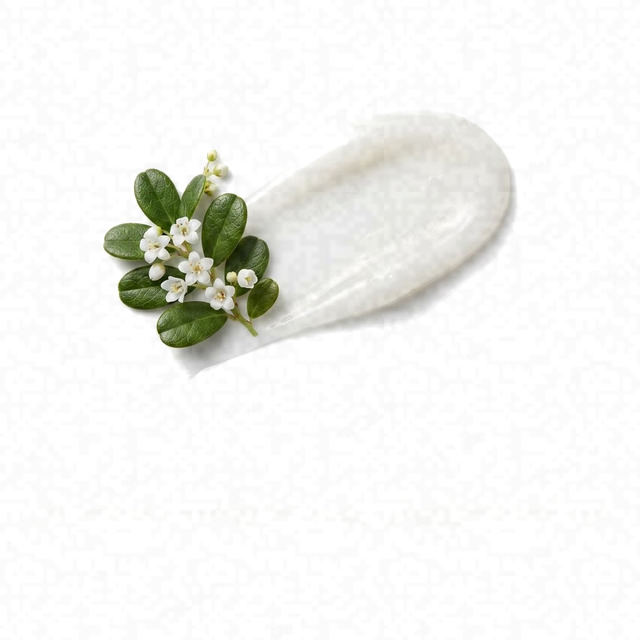 Alpha-Arbutin
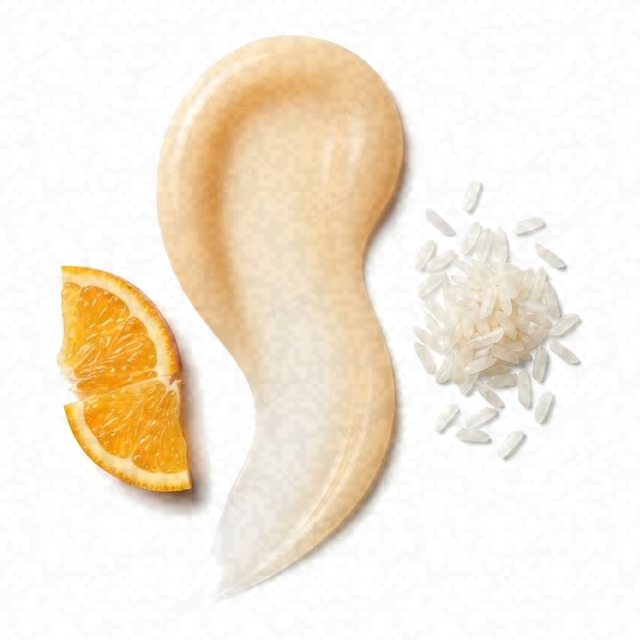 Ferulic Acid
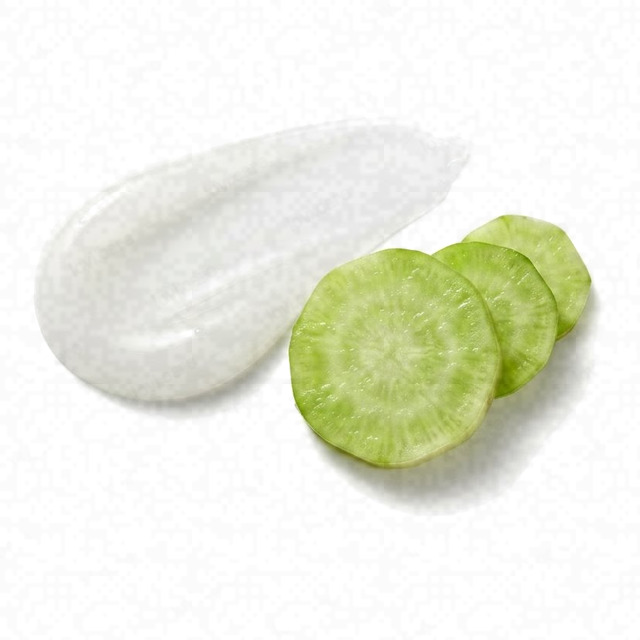 Betaine
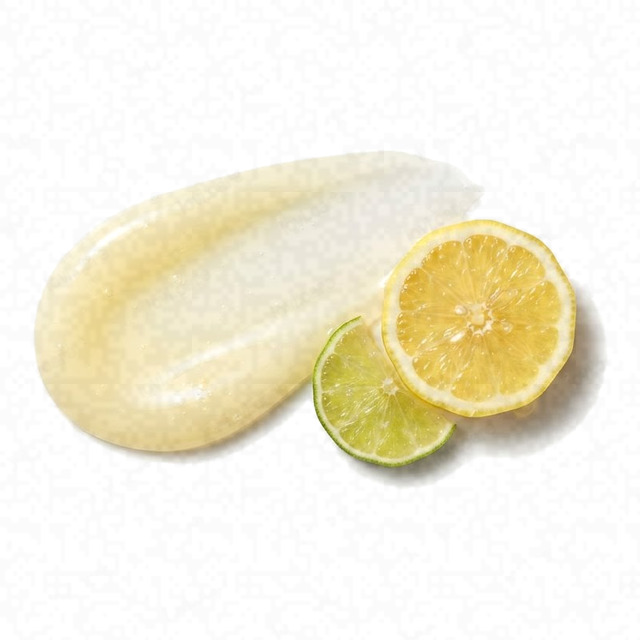 Citrus Extracts
Average
- HighCombination Skin Fit
- AverageEffectiveness
- HighSafety
Works for acne-prone skin; other serums fit it better.
This fit is calculated for the concerns frequently associated with acne-prone skin: breakouts, blackheads, and post-acne marks. For scores and recommendations based on your full skin profile, including your 12D face scan results and any goals or preferences you have, please use the Lovi app.
Page built Nov 8, 2026How the Fit score works
Lovi Assistant explains
- Offers moderate brightening and evening of skin tone for your combination skin due to the presence of ascorbic acid and alpha-arbutin, which help regulate melanogenesis and provide antioxidant effects.
- While the formula is highly suitable for combination skin and offers general skincare benefits like hydration and antioxidant support from ferulic acid, it does not directly address your primary concerns of acne, blemishes, and breakouts.
- The safety profile is excellent, with no risks of irritation for your combination skin due to the absence of prohibited or harsh ingredients.
How to apply
- Use your serum as part of your PM routine and start 3x/week before working up to daily use.
- Apply this treatment after cleansing and toner, and before your moisturizer.
- Gently press 2-3 drops of the serum into your skin and let it absorb for a minute.
- Apply the product on clean, dry skin to help manage your breakouts safely.
- Avoid the eye area and do a patch test before your first use.
People Say
★4.6Overall rating based on 600+ reviewsUsers with dry or dull skin frequently praise this serum for its ability to visibly brighten the complexion and fade dark spots without causing irritation, thanks to its gentle, waterless formula. Those with oily or combination skin often find the texture too heavy and greasy, noting that it leaves an oily residue that takes a significant amount of time to fully absorb.
Highlights
Visibly brightens skin Mostly Mentioned
- “Gave my skin an incredible glow”
- “Results showed improvement in dark spots”
- “Visibly brighter skin after 1 use”
Hydrating texture Often Mentioned
- “Feels smoother after application”
- “Provides a nice layer of hydration”
- “My skin feels noticeably softer”
Greasy residue Often Mentioned
- “Leaves an oily finish”
- “Takes a long time to sink in”
- “Felt like an oil slick”
Gentle and non-irritating Sometimes Noted
- “Experienced no sensitivity whatsoever”
- “Gentle on skin”
- “Did not irritate my sensitive skin”
Stable packaging/formula Sometimes Noted
- “Love that it is fully recyclable”
- “Waterless formula is more stable”
- “Pump is convenient and sanitary”
Slow absorption Sometimes Noted
- “Hard to layer with other products”
- “Products slip and slide on top”
- “Takes about an hour to sink in”
Unpleasant scent Sometimes Noted
- “Smells like hot dog water”
- “Has a weird metallic scent”
- “Scent is not the best”
Leaky packaging Rarely Noted
- “Bottle leaks oil everywhere”
- “Packaging does leak a bit”
- “Messy pump mechanism”
Sources: lovi.care, sephora.com, farmacybeauty.com, amazon.com, skinsort.com, spacenk.com, and more
Questions and answers
How well does Farmacy 10% Waterless Vitamin C Serum work for acne-prone skin?
This serum works moderately well for acne-prone skin by brightening your tone, but it does not directly target breakouts and blemishes. Products that fit this skin better need effective ingredients like niacinamide, propolis, or zinc PCA that help clear blemishes and control oiliness while keeping skin balanced.
Which ingredients make this serum a good fit for acne-prone skin?
This serum works for acne-prone skin because it contains ascorbic acid, alpha-arbutin, and ferulic acid, which provide antioxidant support and brighten skin tone. However, because it does not directly target breakouts, a treatment for this skin needs ingredients like niacinamide, propolis, and zinc PCA to help clear blemishes and control oiliness.
What does Vitamin C do for acne-prone skin?
Vitamin C helps brighten skin, smooth out uneven tones, and fade dark spots left behind by breakouts. It is also packed with antioxidants that may help protect acne-prone skin from everyday environmental stress.
Journal of Cosmetic Dermatology, 2023Journal of Drugs in Dermatology, 2024
What does Alpha-Arbutin do for acne-prone skin?
Alpha-arbutin is primarily used to fade dark spots and uneven tone rather than treat acne, so it is a weak fit for acne-prone skin. To care for blemish-prone skin, a product of this type needs soothing and clarifying ingredients that help keep pores clear and calm redness.
Where does this serum go in a skincare routine for acne-prone skin?
This treatment goes in the evening routine for acne-prone skin, after cleansing and before moisturizing. While it helps brighten skin tone, this type of product for acne-prone skin also needs ingredients that directly target blemishes and breakouts.
Can I use this serum with retinol, and in what order?
You can use this serum alongside retinol by applying the vitamin C serum in your morning routine and your retinol product at night. This routine helps protect your skin during the day while avoiding the irritation that can happen when using multiple strong treatments at the same time.
How often should I use this serum?
This serum works best in your evening routine, starting at once a week and slowly using it more often if your skin handles it well. This type of product needs ingredients like salicylic acid or benzoyl peroxide to directly clear breakouts on acne-prone skin.
Can this serum clog pores, cause breakouts or purging for acne-prone skin?
This serum is unlikely to cause irritation, but it does not directly address breakouts and blemishes on acne-prone skin. Skin prone to acne needs products with targeted blemish-fighting ingredients and lightweight formulas that help clear pores and prevent new spots.
Is this serum fragrance-free and alcohol-free?
Yes, it has no fragrance and no drying alcohol.
What the research says
A topical serum containing vitamin C, vitamin E, and raspberry leaf cell culture extract improved skin color, elasticity, radiance, smoothness, scaliness, and wrinkles compared to the untreated contralateral side in fifty female volunteers.
Journal of Cosmetic Dermatology, 2020A topical antioxidant solution of 15% L-ascorbic acid, 1% alpha-tocopherol, and 0.5% ferulic acid provides significant photoprotection against solar-simulated UV radiation in human skin compared to its vehicle.
Journal of the American Academy of Dermatology, 2008Soaps containing betaine caused the least skin irritation compared to other tested soaps in twenty-eight healthy subjects, though irritation did not decrease with increasing concentrations of betaine.
Skin Research and Technology, 2003Topical application of 5% vitamin C cream significantly improved global clinical scores, increased skin microrelief density, and induced elastic tissue repair in photoaged skin compared to excipient control in healthy female volunteers.
Experimental Dermatology, 2003Ascorbic acid 2-glucoside gel significantly reduced gingival melanin pigmentation after 4 weeks compared to placebo in 73 subjects with symmetric pigmentation.
Journal of Periodontology, 2009Topical application of VC-IP cream twice daily for 8 weeks reduces periorbital wrinkles in female subjects compared to a placebo cream.
Journal of Cosmetic Dermatology, 2022A non-hydroquinone topical formulation (SKNB19) improved hyperpigmentation by 28.5% in patient self-assessment and 27% in independent reviewer assessment compared with 4% hydroquinone in 18 adult subjects, while showing significantly less irritation and better tolerability.
Journal of Cosmetic Science, 2020Encapsulation of alpha arbutin in an optimized ethosomal gel significantly improved skin melanin reduction, moisture content, and elasticity in human volunteers compared to conventional formulations.
Heliyon, 2023Combining a home-based radiofrequency device and arbutin cream reduced mMASI scores by 25.6% and melanin index by 22.8% at 8 weeks compared to baseline in 38 participants.
Journal of Cosmetic Dermatology, 2025Treatment with 14% ferulic acid and 12% l-ascorbic acid significantly reduced pigmentation and erythema while improving hydration and elasticity in 20 women with photoaged skin, with neither acid proving definitively more effective overall though ascorbic acid showed slightly greater skin lightening.
Dermatologic Therapy, 2022Combining fractional microneedle radiofrequency with a topical antioxidant serum significantly reduced wrinkle severity by 29.9% versus 18.0%, increased elasticity by 12.9% versus 2.3%, and improved aesthetic outcomes in 31 participants compared to radiofrequency and placebo.
The Journal of Dermatological Treatment, 2025Pretreatment with a topical antioxidant mixture of vitamin C, ferulic acid, and phloretin attenuated ultraviolet-induced sunburn cell formation, thymine dimer formation, matrix metalloproteinase-9 expression, p53 protein expression, and the suppression of CD1a-expressing Langerhans cells in human skin compared to vehicle control.
Journal of Cosmetic Dermatology, 2008Topical dry mouth products containing olive oil, betaine, and xylitol significantly increased unstimulated whole salivary flow rates, reduced xerostomia complaints, and improved quality of life in adults with polypharmacy-induced xerostomia compared to their normal routine care, with no clinically significant adverse events.
Journal of Oral Rehabilitation, 2007A combination of Aloe barbadensis leaf extract and trimethylglycine in a 1:1 mass ratio synergistically increased aquaporin 3 expression by up to 380% in keratinocytes and safely improved skin hydration in healthy volunteers.
Molecules, 2024Mixed surfactant systems of sodium dodecyl sulfate and dimethyl dodecyl amido betaine significantly reduce acute skin irritation potential in human volunteers compared with the individual surfactants, demonstrating that irritation potential cannot be predicted by simple summation.
Food and Chemical Toxicology, 1998
Why other serums fit acne-prone skin better
Topical nicotinamide plus an antibacterial adhesive agent and zinc-pyrrolidone carboxylic acid combined with adapalene significantly reduced noninflammatory acne lesions by the second week of therapy compared to placebo with adapalene in patients with moderate acne vulgaris.
The Journal of Clinical and Aesthetic Dermatology, 2020A cream combining propolis, tea tree oil, and Aloe vera reduced erythema scars, acne severity index, and total lesion count better than erythromycin cream in sixty patients with mild to moderate acne vulgaris compared to placebo.
Clinical Pharmacology, 2018
Ingredients
Propanediol, Pentylene Glycol, Ascorbic Acid, Betaine, Alpha-Arbutin, Ferulic Acid, Citrus Aurantium Amara Fruit Extract, Citrus Reticulata Fruit Extract Tangerine Fruit Extract, Citrus Aurantium Sinensis Peel Extract, Glycerin, Lactic Acid, Citric Acid
Behind this fit score
Lovi calculates every fit score from the full ingredient list with brand-independent rules our dermatologists and cosmetic chemists build and review, and personalizes every pick with AI trained on the real results of millions of users. Lovi trains its fit score models on a proprietary dataset built from more than 10,000 expert-labeled products and more than 100,000 simulated examples, following an internally consistent methodology presented at Cosmoprof, AMWC, and Skin of Color Update.
-

Co-founder, Medical Director
Cosmetic chemist, cosmetologist, aesthetic products developer
-

Co-founder, CEO and CTO
PhD in computer science, 3x US patent holder, ex-Google, ex-Yandex
-

Dr. Sofía Perea Pérez, MD, MSc
Medical Board
Aesthetic medicine practitioner, MSc in Longevity and Anti-Aging Medicine
-

Medical Board
Specialist dermatologist, MBBS, MD, IFAAD
-

Medical Board
Cosmetic chemist, SCS, IFSCC member
-

Medical Board, Medical Advisor
Dermatology MD
-

Elina Nazarenko, MD
Medical Board
Dermatology and diagnostic consultant
-

Victoria Derkova, MS
Medical Board
Cosmetic chemist, cosmetic development technologist


How does it fit your skin?
Scan your face, then any product: Lovi shows how well it fits you and what fits even better.