Eucerin Anti-Pigment Night Cream for oily acne-prone skin

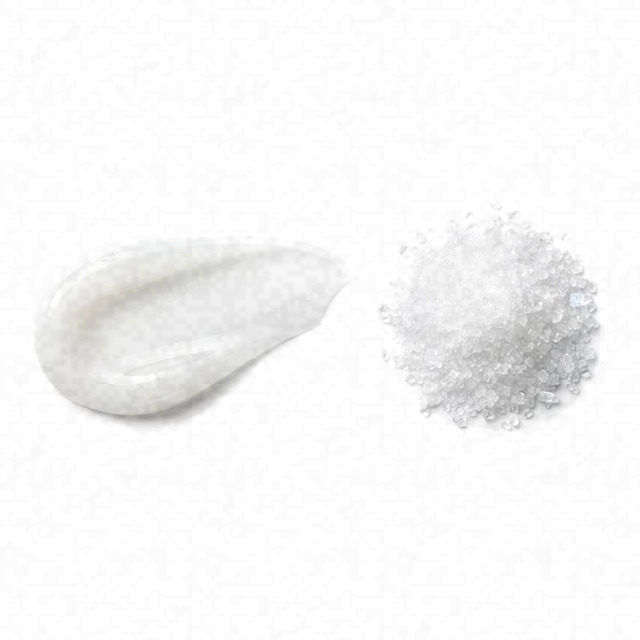 Thiamidol
 Squalane
 Glycerin
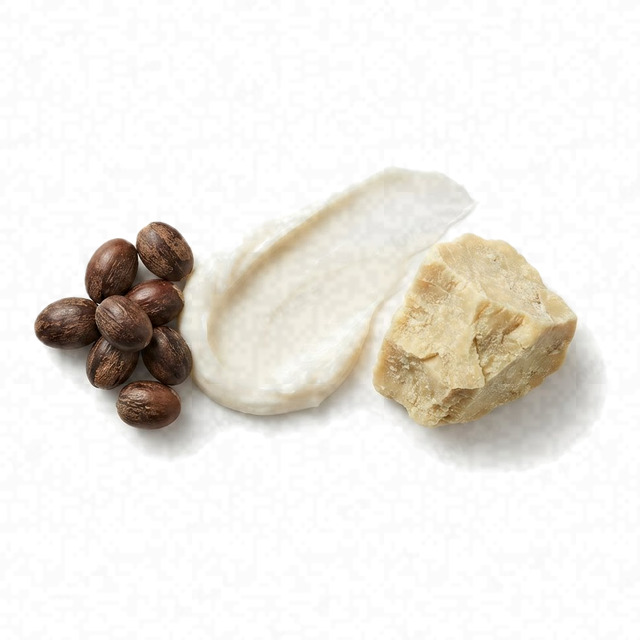 Butyrospermum Parkii Butter
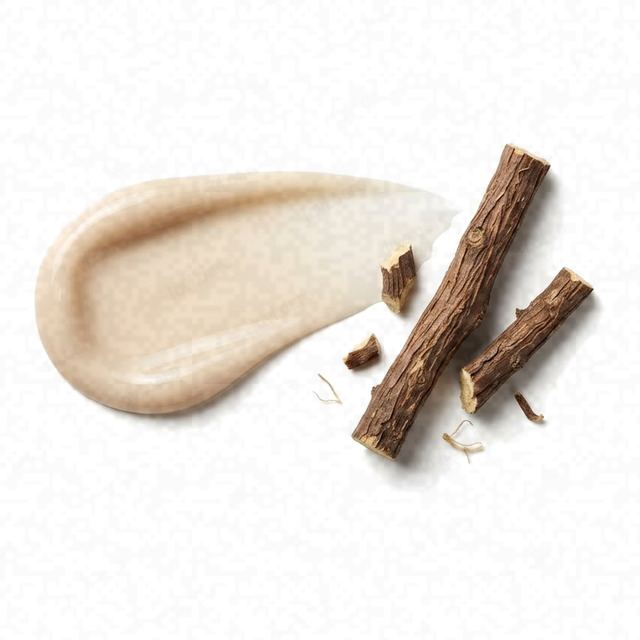 Glycyrrhiza Inflata Root Extract
Average
- AverageOily Skin Fit
- AverageEffectiveness
- HighSafety
Works for oily acne-prone skin; other serums fit it better.
This fit is calculated for the concerns frequently associated with oily acne-prone skin: shine, breakouts, blemishes, and enlarged pores. For scores and recommendations based on your full skin profile, including your 12D face scan results and any goals or preferences you have, please use the Lovi app.
Page built Nov 8, 2026How the Fit score works
Lovi Assistant explains
- Offers moderate skin brightening for your oily skin due to Isobutylamido thiazolyl resorcinol and Glycyrrhiza inflata root extract, which help to even skin tone and provide general hydration and soothing benefits from Glycerin and Panthenol.
- While Glycerin offers humectant action suitable for oily skin, the formula lacks sufficient ingredients for strong seboregulation to directly target acne, blemishes, and breakouts.
- The product is safe for your oily skin with no risks of irritation due to the absence of prohibited or harsh ingredients.
How to apply
- Could be used as part of your PM routine. Start 3 times a week and build up to daily use if your skin tolerates it well.
- Apply your serum after cleansing and toning, but before putting on your moisturizer.
- Gently press 2 to 3 drops of the serum into your skin and let it absorb for a minute.
- Apply the serum on clean, dry skin to help manage your blemishes safely.
- Do a patch test before your first use and avoid the delicate eye area.
People Say
★4.3Overall rating based on 500+ reviewsUsers frequently report a visible reduction in dark spots and a more even skin tone after using this product for hyperpigmentation and melasma. It is also noted for its moisturizing properties and effectiveness on sun damage. Some users with acne-prone skin experienced breakouts, and a few found the results took too long to appear.
Highlights
Fades dark spots Mostly Mentioned
- “significantly reduces melasma”
- “reduces sun spots”
- “reduces acne marks”
Improves skin texture Often Mentioned
- “leaves skin soft”
- “leaves skin smooth”
- “leaves skin hydrated”
Brightens complexion Sometimes Noted
- “evens skin tone”
- “radiant glow”
Good absorption Sometimes Noted
- “non-greasy”
- “absorbs quickly”
- “lightweight”
Causes breakouts Sometimes Noted
- “causes breakouts”
- “clogged pores”
- “whiteheads”
- “acne flares”
Slow or no results Sometimes Noted
- “no change after weeks”
- “requires patience”
Pleasant usage Rarely Noted
- “nice scent”
- “easy to apply”
Fragrance issues Rarely Noted
- “scent too strong”
- “unpleasant smell”
High price Rarely Noted
- “expensive for the quantity”
Packaging flaws Rarely Noted
- “pump dispenser issues”
- “hard to empty”
Sources: lovi.care, lookfantastic.com, cocooncenter.co.uk, influenster.com, walmart.com, boots.com, and more
Questions and answers
How well does Eucerin Anti-Pigment Night Cream work for oily acne-prone skin?
This cream works moderately well for oily skin by evening out your skin tone and providing hydration, but it lacks ingredients that directly target acne and breakouts. A product for this skin type needs ingredients like niacinamide, propolis, benzoyl peroxide, or Vitamin C to control excess oil and clear blemishes.
American Journal of Clinical Dermatology, 2002International Journal of Cosmetic Science, 2021
Which ingredients make this cream a good fit for oily acne-prone skin?
This cream is a fair fit for oily skin because it contains Thiamidol and licorice root extract to help even your skin tone, alongside glycerin and panthenol to keep it calm and hydrated. Because it lacks strong oil-controlling ingredients to properly target breakouts, a product for this skin type needs oil-managing and blemish-clearing ingredients like niacinamide, propolis, benzoyl peroxide, or Vitamin C.
International Journal of Cosmetic Science, 2021American Journal of Clinical Dermatology, 2002
What does Thiamidol do for oily acne-prone skin?
Thiamidol helps fade dark spots left behind by acne and evens out skin tone. It is generally well tolerated on oily skin and is unlikely to cause breakouts.
International Journal of Cosmetic Science, 2026International Journal of Cosmetic Science, 2021
What does Squalane do for oily acne-prone skin?
Squalane may help keep oily skin soft and smooth, but oxidized squalene can trigger inflammation in acne-prone skin. Because of this, oily acne-prone skin needs lightweight, non-greasy ingredients that balance moisture without clogging pores.
Where does this cream go in a skincare routine for oily acne-prone skin?
This cream is used in the evening as a treatment step after cleansing and before moisturizing. To better fit oily acne-prone skin, a product of this type needs ingredients that target breakouts and control oil while evening skin tone.
Can I use this cream with retinol, and in what order?
You can use this cream in the evening after your retinol treatment to help soothe your skin and keep it soft. It is unlikely to cause irritation since it has a very safe formula, and it may help calm any dryness brought on by your retinol.
Journal of Cosmetic Dermatology, 2024American Journal of Clinical Dermatology, 2002
How often should I use this cream?
Use this treatment in the evening as part of your routine. An average fit for your oily acne-prone skin, it needs extra oil-controlling and breakout-fighting ingredients to better manage acne.
Can this cream clog pores, cause breakouts or purging for oily acne-prone skin?
This cream may cause breakouts for your oily acne-prone skin, as some reviewers report. A product of this type needs ingredients that actively control oil and target blemishes to work well for this skin.
Is this cream fragrance-free and alcohol-free?
It contains fragrance (parfum) and drying alcohol (alcohol denat).
What the research says
Topical dexpanthenol acts as a moisturizer, improves stratum corneum hydration, accelerates wound healing and epidermal regeneration, reduces erythema, and improves symptoms of skin irritation compared to vehicle or no pretreatment.
American Journal of Clinical Dermatology, 2002Treatment with the tyrosinase inhibitor Thiamidol significantly lightened suction blister-induced post-inflammatory hyperpigmentation and improved acne-related post-inflammatory hyperpigmentation compared to vehicle control over 3 months.
International Journal of Cosmetic Science, 2021Four-times daily Thiamidol application improves facial hyperpigmentation significantly more than two-times daily application in subjects with mild-to-moderate facial hyperpigmentation, and a real-world three-product Thiamidol regimen shows significant improvement of hyperpigmentation and skin parameters.
International Journal of Cosmetic Science, 2020Application of isobutylamido thiazolyl resorcinol twice daily prior to Q-switched Nd:YAG laser treatment significantly reduced the incidence of post-inflammatory hyperpigmentation at 4 weeks compared to no application in subjects with solar lentigines.
Journal of Cosmetic Dermatology, 2024Isobutylamido thiazolyl resorcinol prevented UVB-induced hyperpigmentation, resulting in significantly lower lightness index and earlier recovery of normal skin color compared to control in healthy participants without significant side effects.
Journal of Cosmetic Dermatology, 2021Squalane at 0.005-0.015% counteracts UVA-induced oxidative stress, inflammation, and collagen metabolism inhibition while stimulating fibroblast migration in human dermal fibroblasts.
Molecules, 2025Plant-derived squalane protected human dermal fibroblasts against UVA-induced damage by counteracting ROS formation, suppressing apoptosis-related proteins p53, caspase-3, caspase-9, and PARP, and restoring the pro-survival p-Akt/mTOR pathway.
Antioxidants, 2025A single application of a moisturizing fluid containing hyaluronic acid 1%, glycerin 5%, and Centella asiatica stem cells extract significantly increased skin hydration by 29% and reduced transepidermal water loss at 24 hours compared to baseline and an untreated control site in twenty healthy women.
Clinical, Cosmetic and Investigational Dermatology, 2017The emollient V0034CR significantly reduced TEWL compared to vehicle and vehicle plus glycerol, and significantly increased corneometry scores compared to vehicle and vehicle plus petrolatum in healthy volunteers with dry skin, demonstrating combined barrier function improvement from petrolatum and hydration improvement from glycerol.
Journal of Cosmetic Dermatology, 2020Ten days of treatment with a cream containing 20% glycerin significantly increased skin hydration measured by corneometer values in 17 healthy volunteers compared to a placebo cream, but showed no influence on transepidermal water loss or skin sensitivity to an irritating surfactant.
International Journal of Cosmetic Science, 2001A combination cream of stimu-tex AS and saccharide isomerate reduced erythema, increased skin capacitance, and reduced transepidermal water loss compared to placebo in 20 subjects after fractional CO2 laser procedure without causing serious adverse events.
Lasers in Medical Science, 2025A skin barrier restoring cream with shea butter, silkflo, and vitamin E increased type I procollagen synthesis, enhanced antioxidant enzyme activity, decreased reactive oxygen species generation, and promoted hyaluronic acid production in H2O2-stimulated human keratinocyte cells compared to untreated cells.
International Journal of Cosmetic Science, 2025Combining 755 nm alexandrite laser with topical licorice gel significantly reduces terminal hair counts compared to alexandrite laser with placebo in women with idiopathic hirsutism.
Evidence-based Complementary and Alternative Medicine, 2015Licochalcone A activated Nrf2 signaling, elevated cytoprotective enzymes, increased the reduced-to-oxidized glutathione ratio, and decreased reactive oxygen species in human fibroblasts and neutrophils, while a LicA-rich licorice extract lowered UVA-induced oxidative processes in vivo.
Experimental Dermatology, 2015Bioactive glycyrrhizic acid and oxymatrine ionic liquid self-assembled nanomicelles significantly promoted the transdermal permeation, subcutaneous retention, and anti-photoaging efficacy of palmitoyl pentapeptide-4 in cellular and animal models compared to unformulated peptide.
Advanced Science, 2025
Why other serums fit oily acne-prone skin better
Adapalene 0.1%-benzoyl peroxide 2.5% fixed-dose combination gel provided significantly greater, synergistic efficacy and a faster onset of action compared with the vehicle, adapalene monotherapy, and benzoyl peroxide monotherapy in patients with acne vulgaris.
The British Journal of Dermatology, 2009Topical benzoyl peroxide 5% gel treatment improved acne severity, sebum, stratum corneum hydration, and transepidermal water loss, while significantly reducing microbial diversity and the prevalence of Cutibacterium in 33 patients with acne vulgaris.
Dermatologic Therapy, 2022A cream combining propolis, tea tree oil, and Aloe vera reduced erythema scars, acne severity index, and total lesion count better than erythromycin cream in sixty patients with mild to moderate acne vulgaris compared to placebo.
Clinical Pharmacology, 2018
Ingredients
Water, Glycerin, Isopropyl Palmitate, Alcohol Denat, Cetearyl Isononanoate, Squalane, Panthenol, Glyceryl Stearate Citrate, Cetearyl Alcohol, Hydrogenated Coco-Glycerides, Butyrospermum Parkii Butter, Methylpropanediol, Lauroyl Lysine, Isobutylamido Thiazolyl Resorcinol, Glycyrrhiza Inflata Root Extract, Tocopherol, Glucosylrutin, Carbomer, Chondrus Crispus Extract, Sodium Hydroxide, Isoquercitrin, Trisodium Edta, Phenoxyethanol, Parfum
Behind this fit score
Lovi calculates every fit score from the full ingredient list with brand-independent rules our dermatologists and cosmetic chemists build and review, and personalizes every pick with AI trained on the real results of millions of users. Lovi trains its fit score models on a proprietary dataset built from more than 10,000 expert-labeled products and more than 100,000 simulated examples, following an internally consistent methodology presented at Cosmoprof, AMWC, and Skin of Color Update.
-

Co-founder, Medical Director
Cosmetic chemist, cosmetologist, aesthetic products developer
-

Co-founder, CEO and CTO
PhD in computer science, 3x US patent holder, ex-Google, ex-Yandex
-

Dr. Sofía Perea Pérez, MD, MSc
Medical Board
Aesthetic medicine practitioner, MSc in Longevity and Anti-Aging Medicine
-

Medical Board
Specialist dermatologist, MBBS, MD, IFAAD
-

Medical Board
Cosmetic chemist, SCS, IFSCC member
-

Medical Board, Medical Advisor
Dermatology MD
-

Elina Nazarenko, MD
Medical Board
Dermatology and diagnostic consultant
-

Victoria Derkova, MS
Medical Board
Cosmetic chemist, cosmetic development technologist


How does it fit your skin?
Scan your face, then any product: Lovi shows how well it fits you and what fits even better.