Dr. Ceuracle Tea Tree Purifine 95 Essence for acne-prone skin

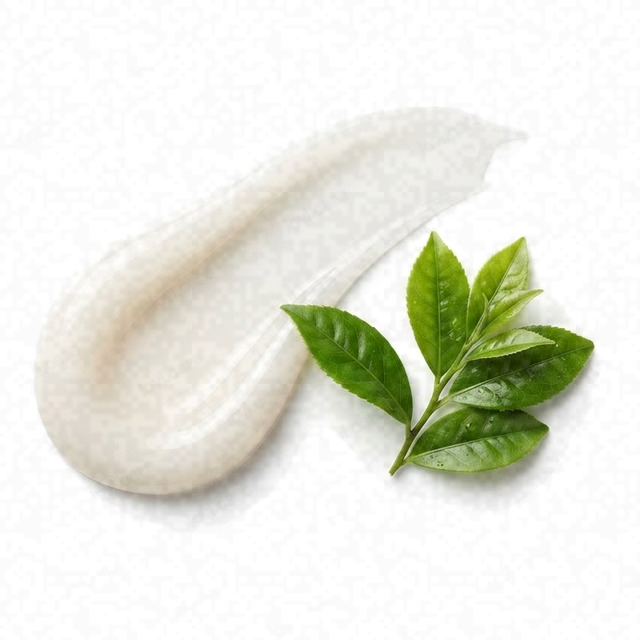 Extract Tree
 Glycerin
 Sodium Hyaluronate
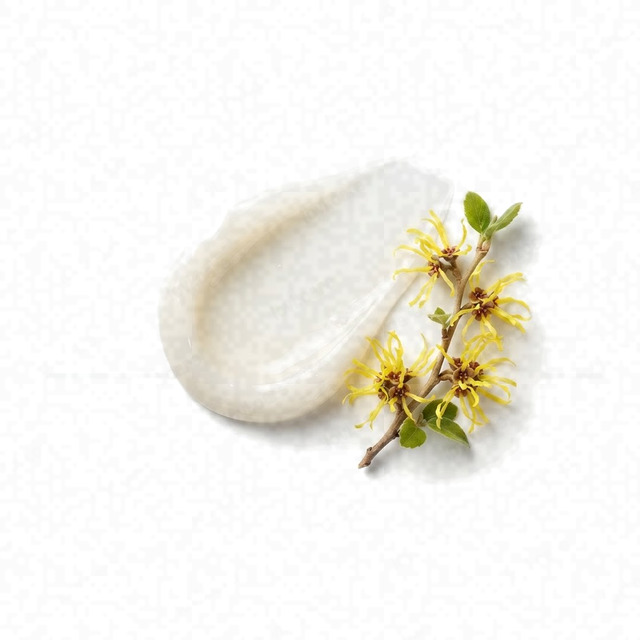 Witch Hazel Extract
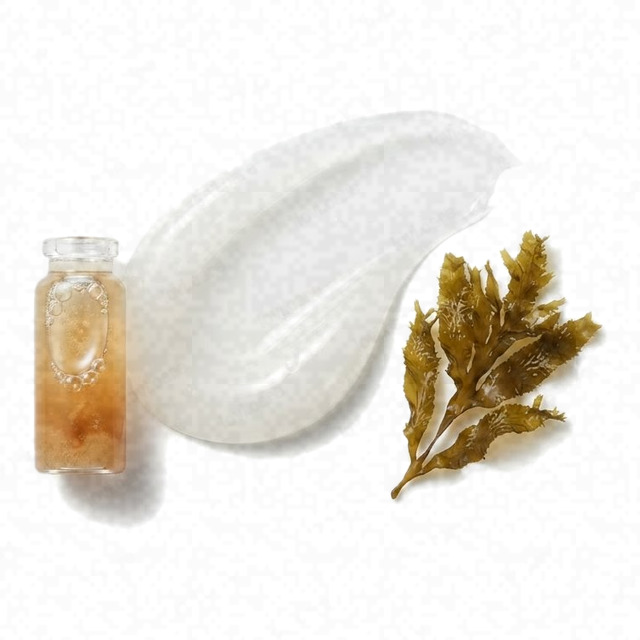 Biosaccharide Gum-1
High
- HighCombination Skin Fit
- HighEffectiveness
- HighSafety
A great choice for acne-prone skin; a few serums fit it even better.
- Indian Journal of Dermatology, Venereology and Leprology, 2007
- Archives of Dermatological Research, 2022
This fit is calculated for the concerns frequently associated with acne-prone skin: breakouts, blackheads, and post-acne marks. For scores and recommendations based on your full skin profile, including your 12D face scan results and any goals or preferences you have, please use the Lovi app.
Page built Nov 8, 2026How the Fit score works
Lovi Assistant explains
- Offers excellent treatment for your acne, blemishes, and breakouts as Melaleuca Alternifolia Tree Leaf Extract and Willow Bark Extract provide anti-inflammatory and exfoliating properties beneficial for combination skin. Witch Hazel Water further aids in regulating sebum production, enhancing its suitability for your skin type.
- The inclusion of Camellia Sinensis Leaf Extract and Portulaca Oleracea Extract offers additional antioxidant and soothing benefits, contributing to overall skin health.
- The product demonstrates a high safety profile with no risks of irritation due to the absence of harsh ingredients and the presence of soothing components.
How to apply
- Use your serum as part of your PM routine and start 3x/week before working up to daily use.
- Apply this treatment after cleansing and toner, and before your moisturizer.
- Gently press 2-3 drops of the serum into your skin and let it absorb for a minute.
- Apply the product on clean, dry skin to help manage your breakouts safely.
- Avoid the eye area and do a patch test before your first use.
People Say
★4.5Overall rating based on 200+ reviewsUsers with oily, acne-prone, and sensitive skin frequently praise this essence for its lightweight, watery texture that effectively soothes redness and inflammation without clogging pores. Some users with dry or dehydrated skin find it insufficient for hydration on its own, and a low number of reviews suggest it is more effective at calming existing irritation than preventing new breakouts.
Highlights
Soothing and calming Mostly Mentioned
- “calms redness and pimples”
- “soothes angry skin”
- “reduced inflammation overnight”
- “great for post-extraction soothing”
Lightweight texture Often Mentioned
- “absorbs very fast”
- “water-like texture”
- “no sticky residue”
- “feels like water”
Gentle and safe Sometimes Noted
- “fungal acne safe”
- “no stinging”
- “fragrance-free”
- “gentle on sensitive skin”
Oil control Sometimes Noted
- “good for oily skin”
- “mattifies beautifully”
- “controls oil”
- “non-greasy finish”
Insufficient hydration Sometimes Noted
- “too drying”
- “not moisturizing enough”
- “needs a cream on top”
- “hydration was weak”
Lack of results Rarely Noted
- “did not prevent acne”
- “no effect on blemishes”
- “average results”
- “didn't do much”
Packaging/value Rarely Noted
- “small bottle (50ml)”
- “pricey for the amount”
- “dropper stopped working”
- “finished in a month”
Runny consistency Rarely Noted
- “too watery”
- “runs through fingers”
- “hard to apply”
- “finishes too quickly”
Sources: lovi.care, pickyskincare.com, stylevana.com, yesstyle.com, makeup.uk, hwahae.co.kr, and more
Questions and answers
What makes Dr. Ceuracle Tea Tree Purifine 95 Essence a great fit for acne-prone skin?
Dr. Ceuracle Tea Tree Purifine 95 Essence is a great fit for acne-prone skin because it uses tea tree extract and willow bark extract to calm redness and clear pores while witch hazel helps balance oily shine. Soothing ingredients like green tea extract help keep skin calm and healthy with little to no risk of irritation.
Indian Journal of Dermatology, Venereology and Leprology, 2007Journal of Cosmetic Dermatology, 2019
Which ingredients make this essence a good fit for acne-prone skin?
This essence is a great fit for acne-prone skin because Melaleuca Alternifolia Tree Leaf Extract and willow bark extract help calm breakouts and clear pores. Witch hazel water further aids in keeping oily shine under control while soothing ingredients keep your skin feeling comfortable.
Indian Journal of Dermatology, Venereology and Leprology, 2007Archives of Dermatological Research, 2022
What does Tea Tree Extract do for acne-prone skin?
Tea tree extract helps clear both inflamed and non-inflamed acne spots while calming redness. It is unlikely to cause harsh side effects when used properly, though it may take a little time to show results.
Indian Journal of Dermatology, Venereology and Leprology, 2007Clinical Microbiology Reviews, 2006
What does Glycerin do for acne-prone skin?
Glycerin helps keep acne-prone skin hydrated and calm without clogging pores or feeling heavy. It supports the skin barrier so it stays soft and smooth while handling everyday treatments.
The British Journal of Dermatology, 2008International Journal of Toxicology, 2019
Where does this essence go in a skincare routine for acne-prone skin?
This essence is used in the evening routine, applied after cleansing and before your moisturizer. Treatments with active ingredients are placed in the evening for simplicity and extra safety around sun exposure.
Can I use this essence with retinol, and in what order?
You can use this essence with retinol by applying the essence first and letting it absorb before putting on your retinol. This product is a great fit for acne-prone skin because it helps calm breakouts and balance oil without causing irritation.
How often should I use this essence?
You can use this treatment in your evening routine, applying it once a week at first and carefully using it more often if your skin tolerates it well and shows good results. It is a great fit for your acne-prone skin because it contains tea tree extract and willow bark to help clear breakouts while keeping irritation low.
Indian Journal of Dermatology, Venereology and Leprology, 2007
Can this essence clog pores, cause breakouts or purging for acne-prone skin?
This essence is a great fit for acne-prone skin because it helps calm blemishes, clear out pores, and manage oil without harsh ingredients. It is very unlikely to cause irritation, breakouts, or purging.
Indian Journal of Dermatology, Venereology and Leprology, 2007Journal of Cosmetic Dermatology, 2019
Is this essence fragrance-free and alcohol-free?
Yes, it has no fragrance and no drying alcohol.
What the research says
Topical 5% tea tree oil gel significantly improved total acne lesions and acne severity index compared to placebo in 60 patients with mild to moderate acne vulgaris, showing 3.55 times and 5.75 times greater efficacy respectively.
Indian Journal of Dermatology, Venereology and Leprology, 2007Tea tree oil nanoemulsion containing adapalene gel demonstrated significantly greater reductions in total, inflammatory, and non-inflammatory acne lesions as well as acne severity index compared to adapalene marketed gel in 100 patients with acne vulgaris over 12 weeks.
Archives of Dermatological Research, 2022A botanical face cleanser with hops and willow bark extract continuously reduced skin sebum levels without reactive seborrhea after treatment in 21 healthy volunteers compared to a sodium laureth sulfate cleanser, with neither cleanser causing skin irritation.
Journal of Cosmetic Dermatology, 2019Topical low-dose green tea extract reduces UVB-induced p53 expression and apoptosis in human skin keratinocytes compared to placebo.
Experimental Dermatology, 2009A cream combining propolis, tea tree oil, and Aloe vera reduced erythema scars, acne severity index, and total lesion count better than erythromycin cream in sixty patients with mild to moderate acne vulgaris compared to placebo.
Clinical Pharmacology, 2018A single application of a moisturizing fluid containing hyaluronic acid 1%, glycerin 5%, and Centella asiatica stem cells extract significantly increased skin hydration by 29% and reduced transepidermal water loss at 24 hours compared to baseline and an untreated control site in twenty healthy women.
Clinical, Cosmetic and Investigational Dermatology, 2017The emollient V0034CR significantly reduced TEWL compared to vehicle and vehicle plus glycerol, and significantly increased corneometry scores compared to vehicle and vehicle plus petrolatum in healthy volunteers with dry skin, demonstrating combined barrier function improvement from petrolatum and hydration improvement from glycerol.
Journal of Cosmetic Dermatology, 2020Ten days of treatment with a cream containing 20% glycerin significantly increased skin hydration measured by corneometer values in 17 healthy volunteers compared to a placebo cream, but showed no influence on transepidermal water loss or skin sensitivity to an irritating surfactant.
International Journal of Cosmetic Science, 2001Topical application of 0.1% hyaluronic acid formulations of different molecular weights led to significant improvements in skin hydration and elasticity, with low-molecular-weight formulations also significantly reducing wrinkle depth in seventy-six female subjects compared to a vehicle control.
Journal of Drugs in Dermatology, 2011Topical application of hyaluronic acid in conjunction with free gingival graft significantly reduced donor site postoperative pain until day 7 compared to normal saline, with no significant differences in graft dimensions or patient satisfaction.
Clinical Oral Investigations, 2022Treatment with a hyaluronic acid-containing mouth rinse or topical gel led to significant lesion reduction, pain relief, and normalization of lesion color in adult patients with minor recurrent aphthous stomatitis, with the gel formulation showing an earlier healing onset at 3 days.
BMC Oral Health, 2019A Hamamelis virginiana leaf extract increased LOXL1 expression twofold, decreased elafin synthesis, restored functional elastic fibers, reduced nonfunctional elastin aggregates, decreased wrinkles, and improved skin firmness.
Journal of Cosmetic Science, 2018Hamamelis bark proanthocyanidins strongly increased the proliferation of cultured human keratinocytes and reduced transepidermal water loss and erythema formation in SLS-irritated skin, whereas the polysaccharide fraction had no effect.
Phytochemistry, 2001Witch hazel bark extract and hamamelitannin showed pronounced anti-inflammatory activity, supported keratinocyte migration in a wound healing assay, and inhibited Staphylococcus aureus growth, whereas their skin microbiota metabolite ellagic acid stimulated inflammatory mediator release.
Journal of Ethnopharmacology, 2025
Ingredients
Melaleuca Alternifolia Tree Leaf Extract, 1,2-Hexanediol, Butylene Glycol, Water, Trehalose, Ethylhexylglycerin, Citric Acid, Witch Hazel Water, Glycerin, Biosaccharide Gum-1, Sodium Levulinate, Glyceryl Caprylate, Sodium Anisate, Sodium Hyaluronate, Methyl Gluceth-20, Cellulose Gum, Portulaca Oleracea Extract, Camellia Sinensis Leaf Extract, Scutellaria Baicalensis Root Extract, Willow Bark Extract, Origanum Vulgare Leaf Extract, Lactobacillus Soybean Extract Ferment, Cinnamomum Cassia Bark Extract, Chamaecyparis Obtusa Leaf Extract
Behind this fit score
Lovi calculates every fit score from the full ingredient list with brand-independent rules our dermatologists and cosmetic chemists build and review, and personalizes every pick with AI trained on the real results of millions of users. Lovi trains its fit score models on a proprietary dataset built from more than 10,000 expert-labeled products and more than 100,000 simulated examples, following an internally consistent methodology presented at Cosmoprof, AMWC, and Skin of Color Update.
-

Co-founder, Medical Director
Cosmetic chemist, cosmetologist, aesthetic products developer
-

Co-founder, CEO and CTO
PhD in computer science, 3x US patent holder, ex-Google, ex-Yandex
-

Dr. Sofía Perea Pérez, MD, MSc
Medical Board
Aesthetic medicine practitioner, MSc in Longevity and Anti-Aging Medicine
-

Medical Board
Specialist dermatologist, MBBS, MD, IFAAD
-

Medical Board
Cosmetic chemist, SCS, IFSCC member
-

Medical Board, Medical Advisor
Dermatology MD
-

Elina Nazarenko, MD
Medical Board
Dermatology and diagnostic consultant
-

Victoria Derkova, MS
Medical Board
Cosmetic chemist, cosmetic development technologist


How does it fit your skin?
Scan your face, then any product: Lovi shows how well it fits you and what fits even better.