Differin Gel for acne-prone skin

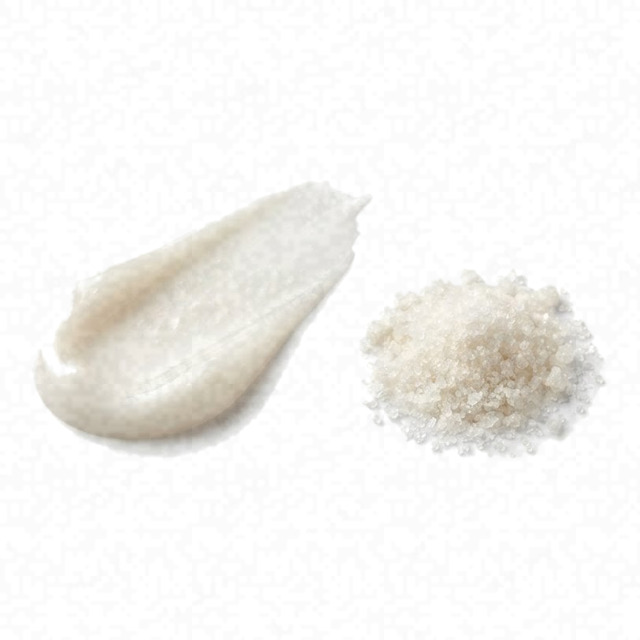 Adapalene
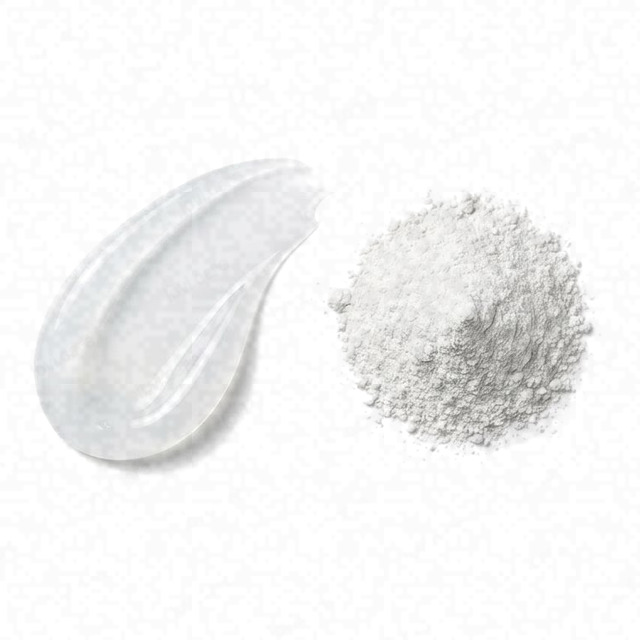 Carbomer 940
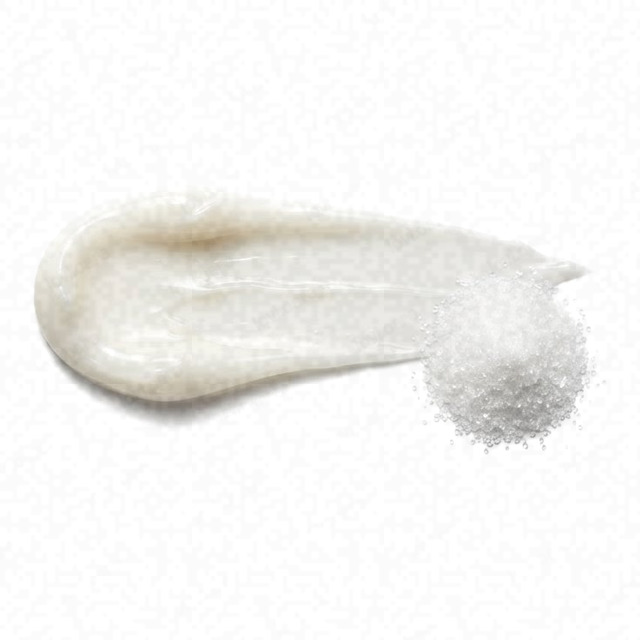 Methylparaben
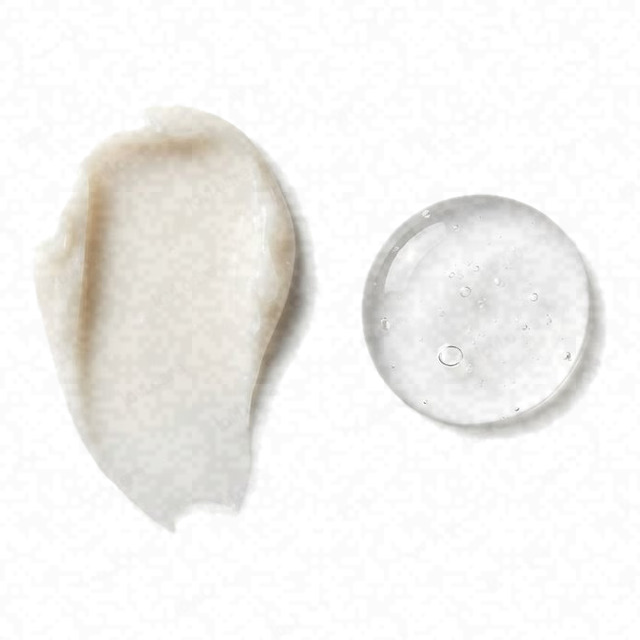 Poloxamer 182
 Edetate Disodium
Low
- LowCombination Skin Fit
- HighEffectiveness
- ConcerningSafety
A weak match for acne-prone skin; the serums alongside fit it better.
This fit is calculated for the concerns frequently associated with acne-prone skin: breakouts, blackheads, and post-acne marks. For scores and recommendations based on your full skin profile, including your 12D face scan results and any goals or preferences you have, please use the Lovi app.
Page built Nov 8, 2026How the Fit score works
Lovi Assistant explains
- Offers targeted benefits for acne and blemishes due to the presence of adapalene retinoid, which promotes cell turnover and reduces inflammation, though it may cause dryness and irritation on the dry areas of your combination skin.
- While adapalene retinoid is excellent for reducing acne lesions, its potential to exacerbate dryness offers limited benefits for oil control on your combination skin.
How to apply
- Use your serum as part of your PM routine and start 3x/week before working up to daily use.
- Apply this treatment after cleansing and toner, and before your moisturizer.
- Gently press 2-3 drops of the serum into your skin and let it absorb for a minute.
- Apply the product on clean, dry skin to help manage your breakouts safely.
- Avoid the eye area and do a patch test before your first use.
People Say
★4.5Overall rating based on 49.1k+ reviewsBased on a very large amount of data, users with acne-prone, oily, and aging skin find this product effective for clearing breakouts and improving skin texture. While many users experience an initial worsening of acne and dryness, consistent use leads to significant improvements in cystic acne, skin smoothness, and hyperpigmentation. It is frequently noted as a cost-effective alternative to prescription treatments for hormonal acne and maskne, especially when combined with a gentle moisturizing routine.
Highlights
Clears stubborn acne Mostly Mentioned
- “cleared my cystic acne”
- “stopped hormonal breakouts”
- “best for blackheads”
- “finally clear skin”
Initial breakout Mostly Mentioned
- “acne got worse first”
- “horrible breakout initially”
- “purging lasted weeks”
- “more pimples at start”
Accessible and affordable Often Mentioned
- “cheaper than prescription”
- “great value”
- “easy to find”
- “lasts a long time”
Improves skin texture Often Mentioned
- “skin looks like glass”
- “smoother than ever”
- “pores look smaller”
- “faded acne scars”
Dryness and peeling Often Mentioned
- “skin flaked off”
- “dried my face out”
- “scaly patches”
- “needs heavy moisturizer”
Anti-aging benefits Sometimes Noted
- “reduced fine lines”
- “aged me in reverse”
- “helps with wrinkles”
- “firming effect”
Irritation and sensitivity Sometimes Noted
- “burning sensation”
- “red and raw”
- “stings when applying”
- “sensitive to sunlight”
Slow results Sometimes Noted
- “took 3 months”
- “no change for weeks”
- “requires patience”
- “slow process”
Sources: lovi.care, amazon.com, walmart.com, target.com, ulta.com, drugs.com, and more
Questions and answers
Why is Differin Gel a weak match for acne-prone skin?
Differin Differin Gel is a weak match for acne-prone skin because, while the adapalene retinoid helps target breakouts, it may cause dryness and irritation and offers limited benefits for oil control. Treatments that fit this skin better need effective ingredients like niacinamide, propolis, and zinc PCA that provide hydration and control oiliness without irritation.
Which ingredients make this treatment a poor fit for acne-prone skin?
Differin Differin Gel is a weak match for your skin because its adapalene retinoid may cause dryness and irritation, and offers limited benefits for oil control on combination skin. A product of this type needs effective ingredients like niacinamide, propolis, and zinc PCA that provide excellent benefits for acne while maintaining hydration and balance without the risk of irritation.
What does Adapalene do for acne-prone skin?
Adapalene helps acne-prone skin by clearing out clogged pores and reducing both inflamed and non-inflamed breakouts when used daily. This ingredient may also prevent acne scars and works well to calm skin, though it requires consistent application to maintain clear results.
American Journal of Clinical Dermatology, 2018American Journal of Clinical Dermatology, 2022
What does Carbomer do for acne-prone skin?
Carbomer helps keep gels stable and easy to spread on acne-prone skin without clogging pores or causing irritation. It is unlikely to trigger breakouts, making it a safe choice for oily or blemish-prone skin types.
Where does this treatment go in a skincare routine for acne-prone skin?
This treatment goes in the evening routine for acne-prone skin, as active serums and treatments are used at night for simplicity and extra safety around sun exposure. Because this is a weak match for your skin, an effective product of this type needs soothing ingredients and extra moisture to help calm irritation and dryness.
Can I use this treatment with benzoyl peroxide, and in what order?
You can use this treatment with benzoyl peroxide, but because both can cause dryness and irritation on acne-prone skin, it is best to apply them carefully or on alternate days to help your skin stay calm and comfortable.
How often should I use this treatment?
This treatment is applied in the evening as part of your routine. Because it is a weak match for your skin, this type of product needs soothing ingredients and gentle hydrators to keep dry skin calm and comfortable.
Can this treatment clog pores, cause breakouts or purging for acne-prone skin?
Yes, this treatment often causes initial breakouts and peeling on acne-prone skin while the adapalene retinoid speeds up cell turnover to clear blemishes. To work well for this skin type, a product of this type needs soothing and hydrating ingredients that calm irritation and prevent dryness.
American Journal of Clinical Dermatology, 2018American Journal of Clinical Dermatology, 2022
Is this treatment fragrance-free and alcohol-free?
Yes, it has no fragrance and no drying alcohol.
What the research says
Daily application of adapalene 0.3%/benzoyl peroxide 2.5% gel reduced and prevented atrophic acne scar formation, achieving a total scar count change of -15.5% versus +14.4% for vehicle over 24 weeks in 67 subjects with moderate or severe facial acne.
American Journal of Clinical Dermatology, 2018Once-daily fixed-dose clindamycin phosphate 1.2%/benzoyl peroxide 3.1%/adapalene 0.15% gel achieved superior treatment success (52.5%) and greater reductions in inflammatory and noninflammatory lesions compared to vehicle (8.1%) and dyad component gels in participants with moderate-to-severe acne over 12 weeks.
American Journal of Clinical Dermatology, 2022Tea tree oil nanoemulsion containing adapalene gel demonstrated significantly greater reductions in total, inflammatory, and non-inflammatory acne lesions as well as acne severity index compared to adapalene marketed gel in 100 patients with acne vulgaris over 12 weeks.
Archives of Dermatological Research, 2022Topical clindamycin phosphate 1.2%/adapalene 0.15%/benzoyl peroxide 3.1% gel achieved significantly greater treatment success and lesion reductions compared to vehicle in participants with moderate-to-severe acne.
Journal of the American Academy of Dermatology, 2023Treatment with adapalene 0.3%/benzoyl peroxide 2.5% gel for 48 weeks reduced atrophic acne scar counts by 26.9% in subjects with moderate or severe facial acne, while delayed treatment starting at week 24 resulted in a smaller final reduction.
American Journal of Clinical Dermatology, 2019Adapalene 0.3 %/benzoyl peroxide 2.5 % gel applied once daily for 12 weeks achieved a superior success rate of 33.7% compared to 11.0% for vehicle in subjects with moderate and severe inflammatory acne.
American Journal of Clinical Dermatology, 2016Adapalene 0.3% gel showed non-inferior efficacy and a similar safety profile compared to tretinoin 0.05% cream as a treatment for cutaneous photoaging.
European Journal of Dermatology, 2018Topical chloramphenicol-betamethasone combined with sodium hyaluronate/trehalose/carbomer gel compared to chloramphenicol-betamethasone alone reduced most subjective symptoms at 1 week but increased blurred vision at 4 weeks following strabismus surgery in 31 patients, with no significant differences in conjunctival inflammation between treatments.
Journal of Ocular Pharmacology and Therapeutics, 2019Incorporating nanoemulsions into hydrogels with increasing Carbopol 934 proportions from 1% to 3% progressively decreased the percutaneous flux rates of terbinafine and citral, increased drug accumulation in the stratum corneum while decreasing it in the epidermis/dermis compared to nanoemulsions alone, and shifted delivery routes from skin appendages to intercellular paths.
International Journal of Nanomedicine, 2016Topical liquiritin carbomer gel treatment restored skin barrier function, increased barrier proteins and antioxidant enzymes, and decreased inflammatory cytokines and oxidative stress in a mouse model of glucocorticoid-induced skin inflammation.
Pharmaceutics, 2024
Why other serums fit acne-prone skin better
A panthenol-enriched mask improved skin hydration, regulated sebum, and reduced redness and TEWL across dry sensitive, oily sensitive, and oily acne skin subgroups with excellent tolerance and no adverse reactions.
Journal of Cosmetic Dermatology, 2024A cream combining propolis, tea tree oil, and Aloe vera reduced erythema scars, acne severity index, and total lesion count better than erythromycin cream in sixty patients with mild to moderate acne vulgaris compared to placebo.
Clinical Pharmacology, 2018Topical nicotinamide plus an antibacterial adhesive agent and zinc-pyrrolidone carboxylic acid combined with adapalene significantly reduced noninflammatory acne lesions by the second week of therapy compared to placebo with adapalene in patients with moderate acne vulgaris.
The Journal of Clinical and Aesthetic Dermatology, 2020
Ingredients
Adapalene Retinoid, Carbomer 940, Edetate Disodium, Methylparaben, Poloxamer 182, Propylene Glycol, Water, Sodium Hydroxide, Hydrochloric Acid May Contain To Adjust Ph
Behind this fit score
Lovi calculates every fit score from the full ingredient list with brand-independent rules our dermatologists and cosmetic chemists build and review, and personalizes every pick with AI trained on the real results of millions of users. Lovi trains its fit score models on a proprietary dataset built from more than 10,000 expert-labeled products and more than 100,000 simulated examples, following an internally consistent methodology presented at Cosmoprof, AMWC, and Skin of Color Update.
-

Co-founder, Medical Director
Cosmetic chemist, cosmetologist, aesthetic products developer
-

Co-founder, CEO and CTO
PhD in computer science, 3x US patent holder, ex-Google, ex-Yandex
-

Dr. Sofía Perea Pérez, MD, MSc
Medical Board
Aesthetic medicine practitioner, MSc in Longevity and Anti-Aging Medicine
-

Medical Board
Specialist dermatologist, MBBS, MD, IFAAD
-

Medical Board
Cosmetic chemist, SCS, IFSCC member
-

Medical Board, Medical Advisor
Dermatology MD
-

Elina Nazarenko, MD
Medical Board
Dermatology and diagnostic consultant
-

Victoria Derkova, MS
Medical Board
Cosmetic chemist, cosmetic development technologist


How does it fit your skin?
Scan your face, then any product: Lovi shows how well it fits you and what fits even better.