Carotone Brightening Cream for oily acne-prone skin

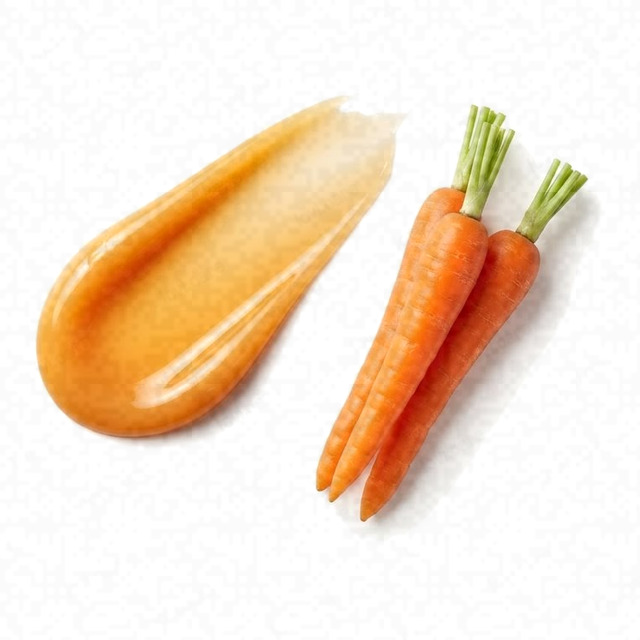 Carotene
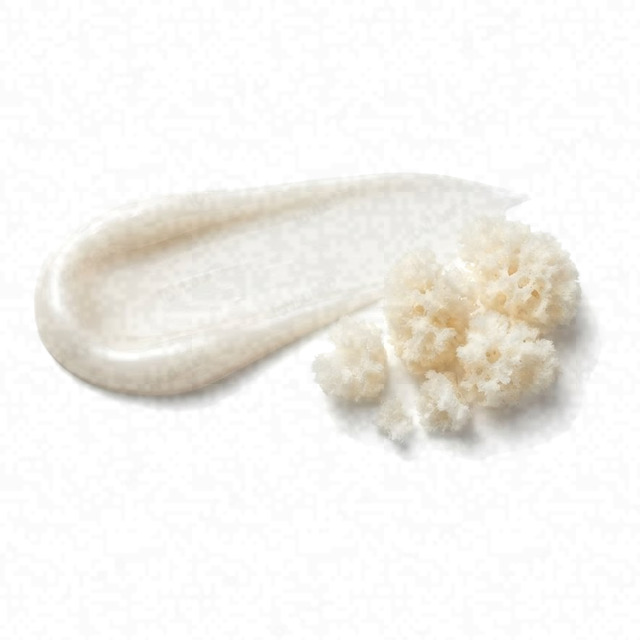 Collagen
 Dynamic Skin Protection Dsp Formula
Average
- AverageOily Skin Fit
- AverageEffectiveness
- Low RiskSafety
Works for oily acne-prone skin; other serums fit it better.
This fit is calculated for the concerns frequently associated with oily acne-prone skin: shine, breakouts, blemishes, and enlarged pores. For scores and recommendations based on your full skin profile, including your 12D face scan results and any goals or preferences you have, please use the Lovi app.
Page built Nov 8, 2026How the Fit score works
Lovi Assistant explains
- Offers moderate skin brightening for your oily skin due to ascorbic acid and kojic acid, but lacks sufficient seboregulating ingredients like salicylic acid or niacinamide to fully address excess oil and acne concerns.
- While glycerin and allantoin provide hydration and soothing effects, they do not directly target your primary concerns of acne, blemishes, and breakouts.
- The product is generally safe for your oily skin, though ingredients like Retinol Vitamin A, Ascorbic Acid, and Sodium Lauryl Sulfate carry some risk of irritation.
How to apply
- Could be used as part of your PM routine. Start 3 times a week and build up to daily use if your skin tolerates it well.
- Apply your serum after cleansing and toning, but before putting on your moisturizer.
- Gently press 2 to 3 drops of the serum into your skin and let it absorb for a minute.
- Apply the serum on clean, dry skin to help manage your blemishes safely.
- Do a patch test before your first use and avoid the delicate eye area.
Questions and answers
How well does Carotone Brightening Cream work for oily acne-prone skin?
This cream works moderately well to brighten oily skin, but it lacks key oil-controlling ingredients to properly target breakouts. It is generally safe, though certain ingredients like retinol, vitamin C, and sodium lauryl sulfate may cause irritation. A treatment for this skin needs ingredients like benzoyl peroxide, salicylic acid, or willow bark extract to clear blemishes and manage excess oil without irritation.
Which ingredients make this cream a good fit for oily acne-prone skin?
Ascorbic acid and kojic acid help brighten your oily skin, while glycerin and allantoin provide soothing moisture. To truly fit oily and acne-prone skin, a treatment of this type needs acne-fighting ingredients like salicylic acid, benzoyl peroxide, or willow bark extract to control excess oil and clear breakouts.
What does Beta Carotene do for oily acne-prone skin?
Beta carotene helps protect oily, acne-prone skin from daily stress and irritation by providing antioxidant support. This ingredient is unlikely to clog pores and may help keep your skin looking calm and smooth when included in your routine.
Journal of Nutritional Science and Vitaminology, 1994Asia Pacific Journal of Clinical Nutrition, 2008
What does Collagen do for oily acne-prone skin?
Collagen helps keep oily acne-prone skin hydrated and smooth while improving its overall condition and reducing signs of aging. It is unlikely to cause breakouts, but this skin type also needs ingredients that clear pores and calm redness.
Dermatology Practical & Conceptual, 2022Current Issues in Molecular Biology, 2024
Where does this cream go in a skincare routine for oily acne-prone skin?
This treatment goes in the evening routine, as treatments with active ingredients are placed at night for simplicity and safety around sun exposure. This product works for your oily skin, though other products fit it better because it lacks oil-controlling ingredients like salicylic acid or niacinamide to fully address excess oil and breakouts.
Can I use this cream with niacinamide, and in what order?
You can use this cream alongside niacinamide in your routine, applying the niacinamide first and following with this treatment in the evening. This product is generally safe for your oily skin, though ingredients like retinol, vitamin C, and sodium lauryl sulfate carry some risk of irritation.
Journal of Cosmetic Dermatology, 2024Inflammation Research, 2010
How often should I use this cream?
You can use this treatment in the evening as part of your routine. It is generally safe for your skin, though ingredients like retinol, vitamin C, and sodium lauryl sulfate carry some risk of irritation.
Can this cream clog pores, cause breakouts or purging for oily acne-prone skin?
This cream may not cause purging, but it is unlikely to fully clear up breakouts on oily skin and carries some risk of irritation. Oily acne-prone skin needs products with ingredients like salicylic acid or niacinamide to help control excess oil and keep pores clear.
Is this cream fragrance-free and alcohol-free?
Yes, it has no fragrance and no drying alcohol.
What the research says
A topical serum containing vitamin C, vitamin E, and raspberry leaf cell culture extract improved skin color, elasticity, radiance, smoothness, scaliness, and wrinkles compared to the untreated contralateral side in fifty female volunteers.
Journal of Cosmetic Dermatology, 2020Topical application of sodium lauryl sulfate (SLS) induces dose-dependent local inflammation and primary hyperalgesia to tactile and thermal stimulation in eight healthy subjects compared to vehicle.
Inflammation Research, 2010Topical beta-carotene provided protection for the human skin of healthy volunteers against IR radiation by acting as a superficial antioxidant, though dermal carotenoid degradation was significantly higher for standard infrared radiator than for water filter infrared irradiation.
Experimental Dermatology, 2011Pre-treatment with beta-carotene at 1.5 microM modulated UVA-induced gene regulation in HaCaT human keratinocytes through multiple mechanisms not restricted to singlet oxygen quenching, reducing the effect for 143 genes and enhancing it for 180 out of 568 UVA-regulated genes.
The Journal of Investigative Dermatology, 2005Alginate hydrogel dressings co-loaded with cinnamon-mediated silver nanoparticles, beta-carotene nanocarriers, and Centella asiatica extract demonstrated antimicrobial and antibiofilm activities against Staphylococcus aureus and Escherichia coli over a 24-h period while mitigating silver-induced cytotoxicity and oxidative stress in human keratinocyte cells.
Gels, 2025Topical application of TAC/Collagen postbiotics gel improved skin moisture score and inflammation index, and reduced porphyrins and brown spots in 20 volunteers with acne vulgaris.
Journal of Cosmetic Dermatology, 2022Topical collagen tripeptide application improved skin wrinkles, elasticity, and density while reducing advanced glycated end products in 22 Asian women over 4 weeks.
International Journal of Molecular Sciences, 2022Marine collagen extracted from Greenland halibut skin showed a non-cytotoxic effect on fibroblast cells and provided a slight skin hydration effect when incorporated into cosmetic hydrogel formulations at dosages of 0.1, 0.25, and 0.5% in 23 healthy volunteers.
Marine Drugs, 2023
Why other serums fit oily acne-prone skin better
- Retinol vitamin a in this serum
Topical bakuchiol 0.5% applied twice daily compared with retinol 0.5% applied daily significantly decreased wrinkle surface area and hyperpigmentation with no statistical difference between the compounds in 44 patients over 12 weeks, while retinol users reported more facial skin scaling and stinging.
The British Journal of Dermatology, 2019
Ingredients
Water, Cetyl Stearylic Alcohol, Stearic Acid, Petrolatum, Mineral Oil, Isopropyl Myristate, Propylparaben, Bht, Uva, Tocopheryl Acetate Vitamin E, Polysorbate 60, Methylparaben, Sodium Sulfite, Sodium Metabisulfite, Propylene Glycol, Ascorbic Acid, Allantoin, Collagen, Hydroquinone, Lanolin, Glycerin, Citric Acid, Retinol Vitamin A, Sodium Lauryl Sulfate, Kojic Acid, Carrot Oil
Behind this fit score
Lovi calculates every fit score from the full ingredient list with brand-independent rules our dermatologists and cosmetic chemists build and review, and personalizes every pick with AI trained on the real results of millions of users. Lovi trains its fit score models on a proprietary dataset built from more than 10,000 expert-labeled products and more than 100,000 simulated examples, following an internally consistent methodology presented at Cosmoprof, AMWC, and Skin of Color Update.
-

Co-founder, Medical Director
Cosmetic chemist, cosmetologist, aesthetic products developer
-

Co-founder, CEO and CTO
PhD in computer science, 3x US patent holder, ex-Google, ex-Yandex
-

Dr. Sofía Perea Pérez, MD, MSc
Medical Board
Aesthetic medicine practitioner, MSc in Longevity and Anti-Aging Medicine
-

Medical Board
Specialist dermatologist, MBBS, MD, IFAAD
-

Medical Board
Cosmetic chemist, SCS, IFSCC member
-

Medical Board, Medical Advisor
Dermatology MD
-

Elina Nazarenko, MD
Medical Board
Dermatology and diagnostic consultant
-

Victoria Derkova, MS
Medical Board
Cosmetic chemist, cosmetic development technologist


How does it fit your skin?
Scan your face, then any product: Lovi shows how well it fits you and what fits even better.