AMOREPACIFIC Vintage Single Extract Essence for oily acne-prone skin

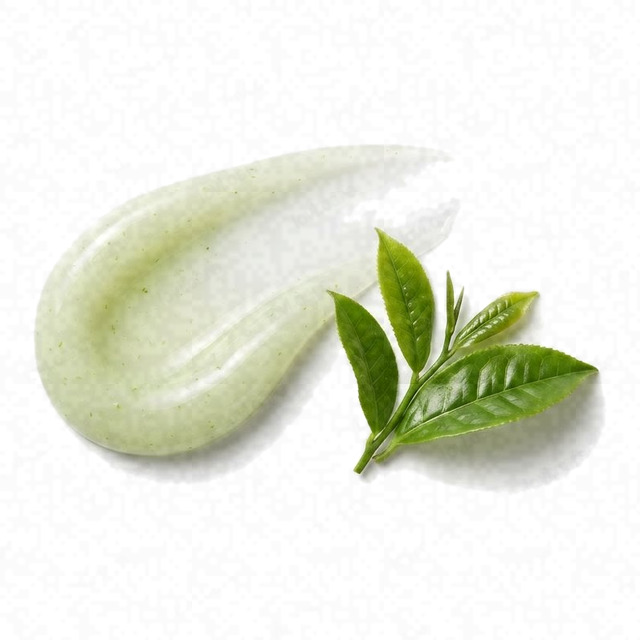 Camellia Sinensis Extract
 Propanediol
 Glycerin
 Fermented
High
- HighOily Skin Fit
- AverageEffectiveness
- HighSafety
A great choice for oily acne-prone skin; a few serums fit it even better.
This fit is calculated for the concerns frequently associated with oily acne-prone skin: shine, breakouts, blemishes, and enlarged pores. For scores and recommendations based on your full skin profile, including your 12D face scan results and any goals or preferences you have, please use the Lovi app.
Page built Nov 8, 2026How the Fit score works
Lovi Assistant explains
- Highly suitable for your oily skin due to the high concentration of Camellia Sinensis Leaf Extract, which provides antioxidant and anti-inflammatory benefits to help manage excess sebum.
- This essence offers excellent antioxidant benefits, shielding your skin from pollution and environmental stressors, though its direct impact on acne, blemishes, and breakouts is supportive rather than primary.
- The safety profile is excellent, with no risks of irritation for your oily skin due to the absence of prohibited or harsh ingredients.
How to apply
- Could be used as part of your PM routine. Start 3 times a week and build up to daily use if your skin tolerates it well.
- Apply your serum after cleansing and toning, but before putting on your moisturizer.
- Gently press 2 to 3 drops of the serum into your skin and let it absorb for a minute.
- Apply the serum on clean, dry skin to help manage your blemishes safely.
- Do a patch test before your first use and avoid the delicate eye area.
People Say
★4.5Overall rating based on 200+ reviewsThis essence is highly regarded for its ability to deeply hydrate and refine skin texture, leading to a "glass skin" appearance for many users. It is also frequently noted for its effectiveness in calming redness and soothing irritation. However, the high price point is a significant concern for some, particularly those who did not observe substantial anti-aging benefits.
Highlights
Extremely expensive Mostly Mentioned
- “Ridiculously expensive”
- “Price is sure to give sticker shock”
- “Intimidated by the price point”
Deeply hydrating Often Mentioned
- “Skin feels instantly more refreshed”
- “Ultra thirst-quenching for the face”
- “Maintained hydration for a long time”
Improves texture Often Mentioned
- “Skin is softer, plumper”
- “Makes makeup go on like warm butter”
- “Visibly improves skin texture and tone”
Lightweight absorption Often Mentioned
- “Absorbs instantly for refreshing hydration”
- “Does not leave behind sticky residue”
- “Perfect base for serums”
Calms redness Sometimes Noted
- “Lessens the red appearance”
- “Skin always feels calm and soft”
- “Soothes visible redness”
Lack of visible results Sometimes Noted
- “Not seen any changes at all”
- “Expecting magic... didn't get that”
- “More calming than clearing”
Packaging issues Rarely Noted
- “Heavy glass bottle”
- “Dispensing can be tricky”
- “Hard to get product out”
Sources: lovi.care, nordstrom.com, influenster.com, us.amorepacific.com, skinsort.com, bloomingdales.com, and more
Questions and answers
What makes AmorePacific Vintage Single Extract Essence a great fit for oily acne-prone skin?
This essence is a great fit for your oily skin because a high concentration of green tea extract helps manage excess oil while calming irritation. It also shields your skin from daily pollution and environmental stressors with strong antioxidant benefits, though its impact on breakouts is more supportive than primary. Its very safe formula is unlikely to cause any irritation.
Clinical, Cosmetic and Investigational Dermatology, 2019Carcinogenesis, 2001
Which ingredients make this treatment a good fit for oily acne-prone skin?
This treatment is a great fit for your oily acne-prone skin thanks to its high concentration of Camellia Sinensis Leaf Extract, which helps manage excess oil and calm the skin. Glycerin and Propanediol also help keep your skin feeling smooth and balanced without clogging pores.
What does Green Tea Extract do for oily acne-prone skin?
Green tea extract helps calm oily, acne-prone skin by reducing excess oil and calming redness. Applying it topically may decrease breakouts and soothe irritation caused by UV rays.
The Journal of Investigative Dermatology, 2013The Journal of Investigative Dermatology, 2012
What does Propanediol do for oily acne-prone skin?
Propanediol helps oily, acne-prone skin by reducing skin oiliness and calming breakouts. Research shows that it may decrease acne-causing bacteria and lower oil production when used regularly in your routine.
Where does this treatment go in a skincare routine for oily acne-prone skin?
This treatment goes in your evening routine, as treatments fit best there for simplicity and extra safety around sun exposure. It is unlikely to cause irritation for your oily skin due to the absence of harsh ingredients.
Can I use this treatment with retinol, and in what order?
You can use this treatment with retinol by applying it after your retinol or by using them on alternate nights to keep your skin calm. The high amount of green tea extract helps manage extra oil and protects against daily stressors with a very low chance of irritation.
Clinical, Cosmetic and Investigational Dermatology, 2019Carcinogenesis, 2001
How often should I use this treatment?
This treatment fits into your evening routine and is typically applied after cleansing and before moisturizing. Its safe ingredients mean it is unlikely to cause irritation for your oily skin.
Can this treatment clog pores, cause breakouts or purging for oily acne-prone skin?
This essence is unlikely to clog pores or cause breakouts for your oily, acne-prone skin because it avoids harsh ingredients and features green tea extract to help manage excess oil. It also does not contain active ingredients that speed up skin shedding, so it will not cause purging.
Clinical, Cosmetic and Investigational Dermatology, 2019Carcinogenesis, 2001
What the research says
An anti-acne hydrogel containing Aloe barbadensis, Garcinia mangostana, and Camellia sinensis extracts showed superior antiacne and antiblotch activities compared to 1% clindamycin gel in sixty subjects with mild-moderate acne.
Clinical, Cosmetic and Investigational Dermatology, 2019Topical application of (-)-epigallocatechin-3-gallate (EGCG) to human skin before UV irradiation decreases UV-induced production of hydrogen peroxide by 68-90% and nitric oxide by 30-100%, inhibits leukocyte infiltration and lipid peroxidation by 41-84%, and restores glutathione levels and glutathione peroxidase activity compared to UV exposure alone.
Carcinogenesis, 2001Application of green tea extracts on normal human skin resulted in dose-dependent inhibition of UV-evoked erythema, reduced sunburn cells, protected Langerhans cells, and decreased UV-induced DNA damage compared to untreated UV-exposed skin.
Journal of the American Academy of Dermatology, 2001Topical low-dose green tea extract reduces UVB-induced p53 expression and apoptosis in human skin keratinocytes compared to placebo.
Experimental Dermatology, 2009Regular consumption and topical application of green tea and its compounds improve skin parameters, enhance antioxidant capacity, alleviate cognitive decline, and promote physical and mental health by reducing oxidative stress and modulating aging-related pathways.
Mini Reviews in Medicinal Chemistry, 2025Topical green tea extract significantly improved clinical symptoms, tear breakup times, and meibomian gland health compared to standard treatment in patients with dry eye and Meibomian Gland Dysfunction.
Journal of Clinical and Diagnostic Research, 2017Topical application of green tea extract encapsulated chitosan microparticles improved skin elasticity, melanin index, and facial wrinkles compared to a placebo in female volunteers without causing skin irritation.
Journal of Cosmetic Dermatology, 2022A moisturizing cream containing 2% l-carnitine and 5% EGCG significantly reduced sebum levels and improved skin hydration in ninety subjects with seborrhea over 4 weeks, showing greater anti-sebum efficacy in the combination group compared to the l-carnitine group alone.
Journal of Cosmetic Dermatology, 2023Topical application of 1,3-propanediol at various concentrations, alone or combined with butylene glycol and/or glycerol, increased skin hydration and reduced trans epidermal water loss in 30 healthy female subjects over an 8-hour period, with the 15% concentration and the addition of glycerol providing greater benefits.
International Journal of Cosmetic Science, 2024A mixture of propanediol, xylitol, and caprylic acid demonstrated in vitro antimicrobial activity against C. acnes and S. aureus, reduced 5-alpha reductase expression, and decreased skin oiliness, porphyrin, and inflammatory lesions in participants over 28 days.
Molecules, 2021Sustainable cosmetic products formulated with renewable PDO-based emulsifiers showed equivalent performance in sensory and moisturization evaluations compared to those formulated with petroleum-derived PEG-based emulsifiers.
Journal of Cosmetic Science, 2017A single application of a moisturizing fluid containing hyaluronic acid 1%, glycerin 5%, and Centella asiatica stem cells extract significantly increased skin hydration by 29% and reduced transepidermal water loss at 24 hours compared to baseline and an untreated control site in twenty healthy women.
Clinical, Cosmetic and Investigational Dermatology, 2017The emollient V0034CR significantly reduced TEWL compared to vehicle and vehicle plus glycerol, and significantly increased corneometry scores compared to vehicle and vehicle plus petrolatum in healthy volunteers with dry skin, demonstrating combined barrier function improvement from petrolatum and hydration improvement from glycerol.
Journal of Cosmetic Dermatology, 2020Ten days of treatment with a cream containing 20% glycerin significantly increased skin hydration measured by corneometer values in 17 healthy volunteers compared to a placebo cream, but showed no influence on transepidermal water loss or skin sensitivity to an irritating surfactant.
International Journal of Cosmetic Science, 2001Topical application of Epidermidibacterium Keratini EPI-7 ferment filtrate improved skin barrier function, elasticity, dermal density, and modulated skin microbiome diversity compared to a placebo in Asian women.
International Journal of Molecular Sciences, 2023Applying a lotion containing probiotic ferment lysate VHProbi® Mix R for 30 days significantly decreased transepidermal water loss and skin redness while significantly increasing skin moisturization compared to baseline in participants with sensitive skin.
Scientific Reports, 2023Topical application of 1.0% Lactobacillus ferment from jojoba cake significantly increased skin collagen fluorescence compared to baseline and placebo cream over 56 days in 46 individuals.
International Journal of Cosmetic Science, 2026
Ingredients
Water, Propanediol, Glycerin, Camellia Sinensis Leaf Extract, 1,2-Hexanediol, Ethylhexylglycerin
Behind this fit score
Lovi calculates every fit score from the full ingredient list with brand-independent rules our dermatologists and cosmetic chemists build and review, and personalizes every pick with AI trained on the real results of millions of users. Lovi trains its fit score models on a proprietary dataset built from more than 10,000 expert-labeled products and more than 100,000 simulated examples, following an internally consistent methodology presented at Cosmoprof, AMWC, and Skin of Color Update.
-

Co-founder, Medical Director
Cosmetic chemist, cosmetologist, aesthetic products developer
-

Co-founder, CEO and CTO
PhD in computer science, 3x US patent holder, ex-Google, ex-Yandex
-

Dr. Sofía Perea Pérez, MD, MSc
Medical Board
Aesthetic medicine practitioner, MSc in Longevity and Anti-Aging Medicine
-

Medical Board
Specialist dermatologist, MBBS, MD, IFAAD
-

Medical Board
Cosmetic chemist, SCS, IFSCC member
-

Medical Board, Medical Advisor
Dermatology MD
-

Elina Nazarenko, MD
Medical Board
Dermatology and diagnostic consultant
-

Victoria Derkova, MS
Medical Board
Cosmetic chemist, cosmetic development technologist


How does it fit your skin?
Scan your face, then any product: Lovi shows how well it fits you and what fits even better.