AMBI Even & Clear Fade Cream for sensitive skin

 Niacinamide
 Aloe Barbadensis
 Ascorbic Acid
 Glycerin
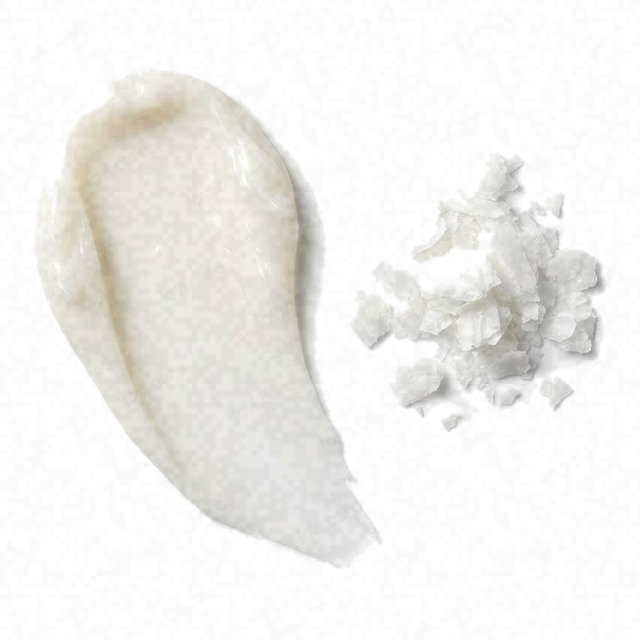 Stearic Acid
High
- HighNormal Skin Fit
- HighEffectiveness
- HighSafety
A great choice for sensitive skin; a few serums fit it even better.
This fit is calculated for the concerns frequently associated with sensitive skin: redness, stinging, and reactions to new products. For scores and recommendations based on your full skin profile, including your 12D face scan results and any goals or preferences you have, please use the Lovi app.
Page built Nov 8, 2026How the Fit score works
Lovi Assistant explains
- Highly suitable for your normal skin, this product effectively addresses redness and irritation with niacinamide and aloe barbadensis leaf juice, which offer soothing and anti-inflammatory benefits.
- The inclusion of ascorbic acid and diglucosyl gallic acid further enhances skin tone uniformity and provides antioxidant protection, complementing the product's brightening capabilities.
- The formulation is safe for your sensitive skin, as it lacks harsh ingredients and has a low risk of irritation.
How to apply
- Use your serum in the PM routine, starting 3 times a week before building up to daily use if your skin is happy.
- Apply the serum after cleansing and toning, but before putting on your moisturizer for the best results.
- Gently press 2-3 drops of the serum into your skin and wait a minute ⏱ for it to soak in.
- Since your skin is sensitive and easily irritated, apply the serum on completely dry skin to help keep it calm.
- Always do a patch test before your first use and avoid getting the serum too close to your eyes .
People Say
★3.5Overall rating based on 300+ reviewsRecent feedback is polarized due to a formula change (removal of hydroquinone), with many long-time users finding the new version ineffective for stubborn hyperpigmentation and melasma compared to the original. Some new users with mild acne scars or sensitive skin report gradual improvements in skin tone and appreciate the product's moisturizing properties.
Highlights
Ineffective new formula Mostly Mentioned
- “miss old version”
- “stopped working”
- “no results”
Pleasant texture Often Mentioned
- “absorbs quickly”
- “non-greasy feel”
- “lightweight consistency”
Gentle formula Sometimes Noted
- “no irritation”
- “good for sensitive skin”
- “safe ingredients”
Good moisturizer Sometimes Noted
- “leaves skin soft”
- “hydrating formula”
- “smooths texture”
Improves skin tone Sometimes Noted
- “fades dark spots”
- “clears acne marks”
- “evens complexion”
Mild scent Sometimes Noted
- “light fragrance”
- “smells good”
- “not overpowering”
Adverse reactions Sometimes Noted
- “caused breakouts”
- “severe redness”
- “allergic reaction”
Bad value Sometimes Noted
- “tiny tube”
- “price increase”
- “less product”
Poor consistency Sometimes Noted
- “watery texture”
- “runny liquid”
- “thin cream”
Worsened condition Rarely Noted
- “made spots darker”
- “burned skin”
- “increased discoloration”
Sources: lovi.care, walmart.com, target.com, iherb.com, ambiskincare.com, and more
Questions and answers
What makes AMBI Even & Clear Fade Cream a great fit for sensitive skin?
AMBI Even & Clear Fade Cream is a great fit for sensitive skin because it uses niacinamide and aloe barbadensis leaf juice to calm redness and irritation. The formula also has ascorbic acid and diglucosyl gallic acid to help even out your skin tone while protecting it, all with a very low risk of irritation.
Which ingredients make this cream a good fit for sensitive skin?
Niacinamide and aloe barbadensis leaf juice make this cream a great fit by soothing redness and irritation in sensitive skin. The formulation is safe and carries a low risk of irritation because it lacks harsh ingredients.
What does Niacinamide do for sensitive skin?
Niacinamide helps calm sensitive skin by strengthening the skin barrier and reducing redness and irritation. It is very well tolerated and may improve overall comfort and resilience with regular use.
What does Aloe Vera do for sensitive skin?
Aloe vera helps calm sensitive skin by reducing redness and soothing irritation. Topical preparations are generally well-tolerated and support skin healing, though effectiveness can vary depending on the formula.
Clinical Pharmacology, 2018Giornale Italiano Di Dermatologia E Venereologia, 2009
Where does this cream go in a skincare routine for sensitive skin?
This treatment goes in the evening routine after cleansing and toning, followed by a moisturizer. Putting treatments in the evening provides extra safety around sun exposure and keeps your routine simple.
Can I use this cream with retinol, and in what order?
You can use this cream in your evening routine alongside retinol, applying the retinol first and following with this treatment. Because this product is a great fit for sensitive skin and lacks harsh ingredients, it is unlikely to cause irritation when combined thoughtfully.
How often should I use this cream?
This treatment is used in the evening routine once a week to start, and can be used more often if your skin tolerates it well and shows good results. It is formulated to be safe for your sensitive skin with a low risk of irritation.
Can this cream clog pores, cause breakouts or purging for sensitive skin?
This cream is unlikely to clog pores or cause breakouts on sensitive skin, as its formulation lacks harsh ingredients and carries a low risk of irritation. It helps calm redness using soothing ingredients while keeping the skin smooth.
Is this cream fragrance-free and alcohol-free?
It has no drying alcohol and contains fragrance (parfum). Cetearyl alcohol is a fatty alcohol, which soften the skin.
What the research says
A cream combining propolis, tea tree oil, and Aloe vera reduced erythema scars, acne severity index, and total lesion count better than erythromycin cream in sixty patients with mild to moderate acne vulgaris compared to placebo.
Clinical Pharmacology, 2018Diglucosyl gallic acid exhibits stronger tyrosinase inhibition than VC with an IC50 of 2.68 mg/mL, and its application as a cosmetic ingredient improves skin brightness while reducing ultraviolet spots, melanin, and erythema in human volunteers.
International Journal of Cosmetic Science, 2022A topical serum containing vitamin C, vitamin E, and raspberry leaf cell culture extract improved skin color, elasticity, radiance, smoothness, scaliness, and wrinkles compared to the untreated contralateral side in fifty female volunteers.
Journal of Cosmetic Dermatology, 2020Topical post-laser application of human adipocyte-derived mesenchymal stem cell media combined with niacinamide significantly improved wrinkle index, melanin index, patient satisfaction, and investigator esthetic improvement scores compared to vehicle cream in patients with aging skin.
Journal of Cosmetic Dermatology, 2021Topical nicotinamide prevented solar-simulated UV-induced immunosuppression in healthy volunteers, and men experienced immunosuppression at solar-simulated UV doses three times lower than those required for women.
The Journal of Investigative Dermatology, 2008Topical 5% niacinamide applied twice daily for 12 weeks reduced fine lines and wrinkles, hyperpigmented spots, red blotchiness, and skin sallowness, and improved skin elasticity compared to vehicle control in 50 female white subjects with facial photoaging.
Dermatologic Surgery, 2005Topical aloe vera gel significantly accelerated split-thickness skin graft donor-site healing compared to placebo in 12 patients, but showed no significant difference in pain relief.
Plastic and Reconstructive Surgery, 2018Topical application of Aloe vera cream reduced postoperative pain at rest and during defecation, accelerated wound healing at two weeks, and decreased analgesic requirements in patients after open hemorrhoidectomy compared to placebo.
Journal of Alternative and Complementary Medicine, 2010Formulations containing 0.10%, 0.25%, and 0.50% freeze-dried Aloe vera extract increased stratum corneum water content compared with the vehicle in 20 female subjects, while transepidermal water loss was not modified.
Skin Research and Technology, 2006Topical application of 5% vitamin C cream significantly improved global clinical scores, increased skin microrelief density, and induced elastic tissue repair in photoaged skin compared to excipient control in healthy female volunteers.
Experimental Dermatology, 2003Ascorbic acid 2-glucoside gel significantly reduced gingival melanin pigmentation after 4 weeks compared to placebo in 73 subjects with symmetric pigmentation.
Journal of Periodontology, 2009Topical application of VC-IP cream twice daily for 8 weeks reduces periorbital wrinkles in female subjects compared to a placebo cream.
Journal of Cosmetic Dermatology, 2022A single application of a moisturizing fluid containing hyaluronic acid 1%, glycerin 5%, and Centella asiatica stem cells extract significantly increased skin hydration by 29% and reduced transepidermal water loss at 24 hours compared to baseline and an untreated control site in twenty healthy women.
Clinical, Cosmetic and Investigational Dermatology, 2017The emollient V0034CR significantly reduced TEWL compared to vehicle and vehicle plus glycerol, and significantly increased corneometry scores compared to vehicle and vehicle plus petrolatum in healthy volunteers with dry skin, demonstrating combined barrier function improvement from petrolatum and hydration improvement from glycerol.
Journal of Cosmetic Dermatology, 2020Ten days of treatment with a cream containing 20% glycerin significantly increased skin hydration measured by corneometer values in 17 healthy volunteers compared to a placebo cream, but showed no influence on transepidermal water loss or skin sensitivity to an irritating surfactant.
International Journal of Cosmetic Science, 2001Sodium dodecyl sulfate treatment disrupts the ordered intercellular lipid lamellar structure in hairless mouse stratum corneum, and immersion in a ceramide 3, cholesterol, and stearic acid mixture successfully reorganizes this ordered lamellar structure.
Biophysical Chemistry, 2001
Ingredients
Water, Stearic Acid, Glycerin, Cetearyl Alcohol, Caprylic Capric Triglyceride, Isopropyl Myristate, Glycol Distearate, Niacinamide, Potassium Cetyl Phosphate, Betaine, C13-15 Alkane, Ascorbic Acid, Aloe Barbadensis Leaf Juice, Phenoxyethanol, Coconut Alkanes, Diglucosyl Gallic Acid, Parfum, Ethylhexylglycerin, Sodium Hyaluronate, Coco-Caprylate Caprate, Sodium Metabisulfite, Sodium Hydroxide
Behind this fit score
Lovi calculates every fit score from the full ingredient list with brand-independent rules our dermatologists and cosmetic chemists build and review, and personalizes every pick with AI trained on the real results of millions of users. Lovi trains its fit score models on a proprietary dataset built from more than 10,000 expert-labeled products and more than 100,000 simulated examples, following an internally consistent methodology presented at Cosmoprof, AMWC, and Skin of Color Update.
-

Co-founder, Medical Director
Cosmetic chemist, cosmetologist, aesthetic products developer
-

Co-founder, CEO and CTO
PhD in computer science, 3x US patent holder, ex-Google, ex-Yandex
-

Dr. Sofía Perea Pérez, MD, MSc
Medical Board
Aesthetic medicine practitioner, MSc in Longevity and Anti-Aging Medicine
-

Medical Board
Specialist dermatologist, MBBS, MD, IFAAD
-

Medical Board
Cosmetic chemist, SCS, IFSCC member
-

Medical Board, Medical Advisor
Dermatology MD
-

Elina Nazarenko, MD
Medical Board
Dermatology and diagnostic consultant
-

Victoria Derkova, MS
Medical Board
Cosmetic chemist, cosmetic development technologist


How does it fit your skin?
Scan your face, then any product: Lovi shows how well it fits you and what fits even better.