
Paula's Choice 8% AHA Gel Exfoliant

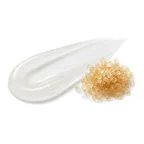 Glycolic Acid Aha
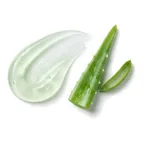 Aloe Barbadensis Leaf Juice
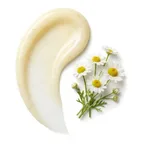 Chamomilla Recutita Flower Extract Matricaria Flower Extract
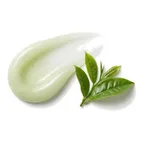 Camellia Oleifera Leaf Extract Camellia Sinensis Leaf Extract
 Sodium Hyaluronate
Glycolic acid, aloe, and green tea exfoliate, soothe, and protect the skin, so it suits most skin types. For skin that needs soothing, products with allantoin get higher fit scores. Where to buy in the Netherlands: Amazon.nl, €44.00.
Each fit is calculated for the concerns frequently associated with that skin type. For scores and recommendations based on your full skin profile, including your 12D face scan results and goals, use the Lovi app.
Updated How the Fit score works
Where it fits best and least
Best fit Superior
Oily Skin, Combination Skin, Sensitive Skin, Acne-Prone Skin, Skin with Dark Spots, Mature Skin, Oily Acne-Prone Skin
One of the best products for oily skin.
- Excellent suitability for your oily skin is provided by glycolic acid, which effectively exfoliates and addresses oily shine, while sodium hyaluronate offers essential hydration.
Lowest fit Average
Works for dry skin; other products fit it better.
- Offers moderate exfoliation for your dry skin due to glycolic acid, which helps smooth texture, while ingredients like Sodium Hyaluronate and Panthenol provide hydration and soothing effects supportive for dry or flaky skin.
Buy online

Prices checked 22 Nov 2026
The Lovi Fit is the same in every country; only the stores and prices differ, and the ones here are for the Netherlands.
How to apply
- Use this exfoliant product as part of your PM routine once a week. Start slowly and build up frequency only if your skin tolerates it well.
- Apply the exfoliant after cleansing and toner, but right before your moisturizer.
- Gently press 2-3 drops of the exfoliant into your skin and let it absorb fully. Avoid any harsh rubbing to keep your skin calm.
- Always avoid the delicate eye area when applying. Be sure to use a broad-spectrum SPF 30+ daily while using exfoliating acids.
People Say
★4.5Overall rating based on 500+ reviewsUsers with dry, sun-damaged, or textured skin report significant improvements in smoothness and radiance, often describing the product as a "holy grail" for gently exfoliating without stripping moisture. While highly effective for fading hyperpigmentation and reducing closed comedones, some users find the gel texture leaves a sticky residue or causes temporary stinging upon application.
Highlights
Smoother skin texture Mostly Mentioned
- “skin is smooth after just using it once”
- “bumps... smooth as a baby”
- “softens skin... remarkably soft”
- “reveals a smoother, brighter... complexion”
Fades hyperpigmentation Often Mentioned
- “helps to even my skin tone”
- “blemishes leave a dark mark... works to eliminate more quickly”
- “fades brown spots”
- “helped my acne scars”
Sticky or tacky finish Often Mentioned
- “dries a bit tacky”
- “slightly sticky”
- “feels like slimy water”
- “leaves the skin slightly shiny”
Hydrating and non-drying Sometimes Noted
- “hydrating and gentle”
- “doesn't dry my skin out”
- “feels soft and hydrated”
- “provides long-lasting hydration”
Reduces acne and bumps Sometimes Noted
- “keeps my face clear”
- “blackheads disappeared in one single use”
- “works for the bumps and pustules”
- “cystic acne... only thing that works”
Unpleasant scent Sometimes Noted
- “smells like butts”
- “bitter smell”
- “smell is somewhat odd”
- “strongly smells of aloe”
Causes irritation/stinging Rarely Noted
- “stung very horribly”
- “mild tingling sensation... slight itch”
- “not for sensi skin”
- “skin began to return to its old oily acne ways”
Price and size concerns Rarely Noted
- “runs out a bit quickly”
- “pricey”
- “bottle lasts forever... [contradicting review]”
Sources: lovi.care, paulaschoice.com.au, sephora.sg, dermstore.com, influenster.com, simpleskincarescience.com, and more
Questions and answers
What makes Paula's Choice 8% AHA Gel Exfoliant one of the best fits for oily skin?
Glycolic acid exfoliates and helps control oily shine while sodium hyaluronate keeps your skin hydrated. Chamomile and aloe vera calm the skin and make this treatment very comfortable for your oily face.
Phytotherapy Research, 2011International Journal of Biological Macromolecules, 2018
Which ingredients make this exfoliant a good fit for acne-prone skin?
Glycolic acid makes this exfoliant a great fit for acne-prone skin by gently clearing dead cells and balancing oil, while aloe and chamomile help keep your skin calm and minimize irritation.
How well does Paula's Choice 8% AHA Gel Exfoliant work for dry skin?
This exfoliant works moderately well for your dry skin, helping smooth texture while keeping skin calm with soothing plant extracts and hydration. However, an exfoliant for dry skin needs rich barrier-supporting ingredients and sealing components to lock in moisture.
The Journal of Dermatological Treatment, 2017American Journal of Clinical Dermatology, 2002
How often should I use this exfoliant?
Start using this exfoliant once a week in your evening routine, and carefully use it more often if your skin tolerates it well and shows good results. Glycolic acid helps clear away dead cells and addresses oily shine, while soothing ingredients like chamomile and aloe keep your skin calm and comfortable.
Journal of Cosmetic Dermatology, 2021Journal of Cosmetic Dermatology, 2024
Is this exfoliant fragrance-free and alcohol-free?
Yes, it has no fragrance and no drying alcohol.
What makes Paula's Choice 8% AHA Gel Exfoliant one of the best fits for combination skin?
This exfoliant is one of the best fits because glycolic acid smoothly refines texture and controls oily shine while sodium hyaluronate adds essential moisture to keep combination skin balanced. Soothing botanical ingredients like aloe and chamomile help calm the skin and keep irritation unlikely.
International Journal of Biological Macromolecules, 2018Clinical Pharmacology, 2018
How well does Paula's Choice 8% AHA Gel Exfoliant work for dry sensitive skin?
Paula's Choice 8% AHA Gel Exfoliant works moderately well for dry sensitive skin by offering gentle exfoliation alongside soothing plant extracts and hydration. A product of this type needs richer moisturizing and nourishing ingredients that provide deep hydration and protect the skin barrier without any risk of irritation.
American Journal of Clinical Dermatology, 2002The Journal of Dermatological Treatment, 2017
What makes Paula's Choice 8% AHA Gel Exfoliant one of the best fits for sensitive skin?
This exfoliant is an exceptional fit because glycolic acid smooths texture while sodium hyaluronate keeps skin hydrated. Chamomile and aloe vera help calm sensitive skin, which minimizes redness and irritation.
Phytotherapy Research, 2011International Journal of Biological Macromolecules, 2018
What makes Paula's Choice 8% AHA Gel Exfoliant one of the best fits for skin with dark spots?
This exfoliant is one of the best fits because glycolic acid helps fade dark spots by promoting skin renewal, while sodium hyaluronate keeps your skin hydrated. Soothing ingredients like chamomile and aloe help calm your skin, making it safe and gentle to use.
What makes Paula's Choice 8% AHA Gel Exfoliant one of the best fits for mature skin?
This exfoliant is a great fit for mature skin because glycolic acid helps smooth wrinkles and fine lines, while sodium hyaluronate and aloe keep your skin hydrated. Chamomile and green tea extracts soothe the skin, and the formula has an excellent safety profile without harsh ingredients.
International Journal of Molecular Medicine, 2016Dermatologic Therapy, 2022
What makes Paula's Choice 8% AHA Gel Exfoliant one of the best fits for oily acne-prone skin?
This exfoliant is one of the best fits because its high concentration of glycolic acid effectively clears clogged pores and removes dead cells while sodium hyaluronate keeps your skin hydrated. Soothing chamomile flower extract and aloe vera calm your skin, making the formula exceptionally safe and suitable for managing acne without causing irritation.
Clinical, Cosmetic and Investigational Dermatology, 2019Clinical Pharmacology, 2018
What the research says
A cream combining propolis, tea tree oil, and Aloe vera reduced erythema scars, acne severity index, and total lesion count better than erythromycin cream in sixty patients with mild to moderate acne vulgaris compared to placebo.
Clinical Pharmacology, 2018Serial glycolic acid peels combined with a modified Kligman formula significantly reduced facial PIH severity in Indian patients compared to the modified Kligman formula alone.
Dermatologic Surgery, 2017Short contact therapy with a tretinoin, clindamycin, and glycolic acid gel significantly improved skin tolerability and reduced acne severity scores compared to standard application therapy in patients with mild-to-moderate acne.
Dermatologic Therapy, 2021Formulations containing 0.10%, 0.25%, and 0.50% freeze-dried Aloe vera extract increased stratum corneum water content compared with the vehicle in 20 female subjects, while transepidermal water loss was not modified.
Skin Research and Technology, 2006Kombucha-mediated fermentation of aloe vera gel for 10 and 20 days enhanced its phenolic and flavonoid content, antioxidant capacity, cytoprotective effects, enzyme inhibition against collagenase, elastase, and hyaluronidase, and moisturizing properties compared to unfermented gel.
Molecules, 2025Topically formulated tea polyphenols show some benefit in reducing sebum secretion and treating acne vulgaris compared to baseline or control.
Antioxidants, 2016Topical application of tannase-converted green tea extract (TGE) significantly improved skin wrinkle indices and self-assessed wrinkle reduction compared to normal green tea extract (NGE) in human subjects over 8 weeks.
Journal of Cosmetic Dermatology, 2013An anti-acne hydrogel containing Aloe barbadensis, Garcinia mangostana, and Camellia sinensis extracts showed superior antiacne and antiblotch activities compared to 1% clindamycin gel in sixty subjects with mild-moderate acne.
Clinical, Cosmetic and Investigational Dermatology, 2019Topical application of 0.1% hyaluronic acid formulations of different molecular weights led to significant improvements in skin hydration and elasticity, with low-molecular-weight formulations also significantly reducing wrinkle depth in seventy-six female subjects compared to a vehicle control.
Journal of Drugs in Dermatology, 2011Topical hyaluronic acid serum used twice daily by 40 females with facial photoaging produced an immediate 134% increase in skin hydration, a sustained 55% increase at week 6, and significant improvements in smoothness, plumping, fine lines, wrinkles, and global appearance without causing irritation.
Dermatology and Therapy, 2021A topical antioxidant serum significantly reduced air pollution-induced skin pigmentation and proinflammatory gene expression ex vivo, and improved skin aging signs in 40 healthy adult females after 90 days of daily use.
Journal of Cosmetic Dermatology, 2022Liposomal apigenin-enriched chamomile flower extract topical formulations showed slightly higher in vivo antiinflammatory efficacy compared to non-liposomal formulations in patients.
Phytotherapy Research, 2011Apigenin protects against UVA-induced cytotoxicity and senescence in normal human dermal fibroblasts, decreases MMP-1 expression, and when applied topically as a cream in human subjects, increases dermal density and elasticity while reducing fine wrinkle length, skin evenness, moisture content, and transepidermal water loss compared to control cream.
International Journal of Molecular Medicine, 2016Hyaluronic acid-based formulations exhibit remarkable anti-wrinkle, anti-aging, and skin rejuvenating effects via soft tissue augmentation, improved skin hydration, and face volume restoration.
International Journal of Biological Macromolecules, 2018Aloe vera gel phenolic and polysaccharide extracts demonstrated distinct wound-healing properties in vitro, with the phenolic extract exhibiting anti-inflammatory, antioxidant, and fibroblast-stimulating effects, and the polysaccharide extract showing enhanced collagen synthesis and antibacterial activity against Staphylococcus aureus.
Journal of Functional Biomaterials, 2024Small extracellular vesicles derived from Aloe vera peels exhibited antioxidant activity, reduced intracellular ROS levels, enhanced human skin cell migration, and upregulated antioxidant-related gene expression in H2O2-treated human keratinocytes.
Tissue Engineering and Regenerative Medicine, 2021Topical low-dose green tea extract reduces UVB-induced p53 expression and apoptosis in human skin keratinocytes compared to placebo.
Experimental Dermatology, 2009Glycolic acid, salicylic acid, gluconolactone, and licochalcone A combined with 0.1% adapalene showed no hindrance compared to adapalene monotherapy and provided benefits in reducing complications in 25 subjects with mild-to-moderate acne vulgaris.
Clinical, Cosmetic and Investigational Dermatology, 2019A new topical panthenol-containing emollient significantly improved transepidermal water loss reduction, stratum corneum hydration, and intercellular lipid lamellae length compared with control in healthy subjects without negatively impacting bacterial viability.
The Journal of Dermatological Treatment, 2017Topical dexpanthenol acts as a moisturizer, improves stratum corneum hydration, accelerates wound healing and epidermal regeneration, reduces erythema, and improves symptoms of skin irritation compared to vehicle or no pretreatment.
American Journal of Clinical Dermatology, 2002Topical application of a 6% green tea extract formulation increased skin moisture, enhanced skin elasticity, and improved skin microrelief by reducing roughness in 24 volunteers compared to vehicle and control over 30 days.
Dermatologic Therapy, 2013Topical green tea and green tea plus lotus multiple emulsions reduced casual sebum secretions compared to placebo in healthy adults, with the combined treatment producing significantly greater reductions than green tea alone over a 60-day period.
Hippokratia, 2013Topical hyaluronic acid filler serum combined with Botulinum toxin type A lengthened the duration of the toxin's effect in reducing wrinkles compared to Botulinum toxin type A alone.
Dermatologic Therapy, 2022
Ingredients
Water, Glycolic Acid, Sodium Hydroxide, Chamomilla Recutita Flower Extract Matricaria Flower Extract, Aloe Barbadensis Leaf Juice, Camellia Oleifera Leaf Extract Camellia Sinensis Leaf Extract, Sodium Hyaluronate, Panthenol, Sodium Pca, Propylene Glycol, Butylene Glycol, Hydroxyethylcellulose, Polyquaternium-10, Phenoxyethanol, Sodium Benzoate
Behind these fit scores
Lovi calculates every fit score from the full ingredient list with brand-independent rules our dermatologists and cosmetic chemists build and review, and personalizes every pick with AI trained on the real results of millions of users. Lovi trains its fit score models on a proprietary dataset built from more than 10,000 expert-labeled products and more than 100,000 simulated examples, following an internally consistent methodology presented at Cosmoprof, AMWC, and Skin of Color Update.
-

Co-founder, Medical Director
Cosmetic chemist, cosmetologist, aesthetic products developer
-

Co-founder, CEO and CTO
PhD in computer science, 3x US patent holder, ex-Google, ex-Yandex
-

Dr. Sofía Perea Pérez, MD, MSc
Medical Board
Aesthetic medicine practitioner, MSc in Longevity and Anti-Aging Medicine
-

Medical Board
Specialist dermatologist, MBBS, MD, IFAAD
-

Medical Board
Cosmetic chemist, SCS, IFSCC member
-

Medical Board, Medical Advisor
Dermatology MD
-

Elina Nazarenko, MD
Medical Board
Dermatology and diagnostic consultant
-

Victoria Derkova, MS
Medical Board
Cosmetic chemist, cosmetic development technologist


How does it fit your skin?
Scan your face, then any product: Lovi shows how well it fits you and what fits even better.