Murad Vita-C Glycolic Brightening Serum for acne-prone skin

 Ascorbic Acid
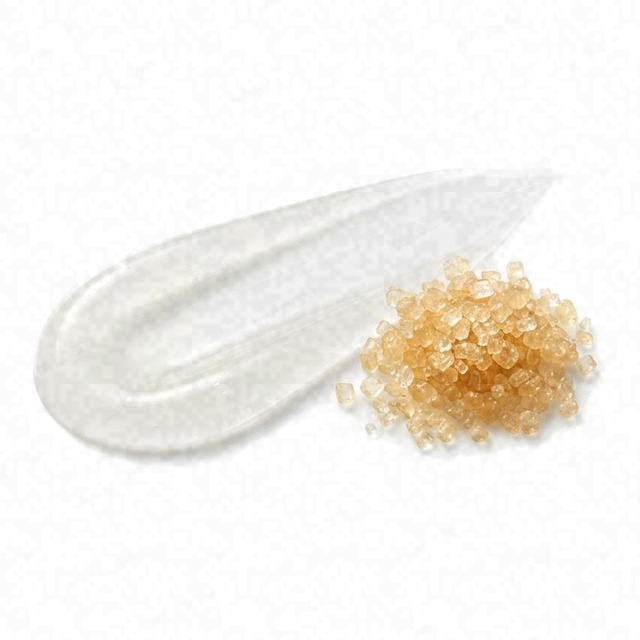 Glycolic Acid
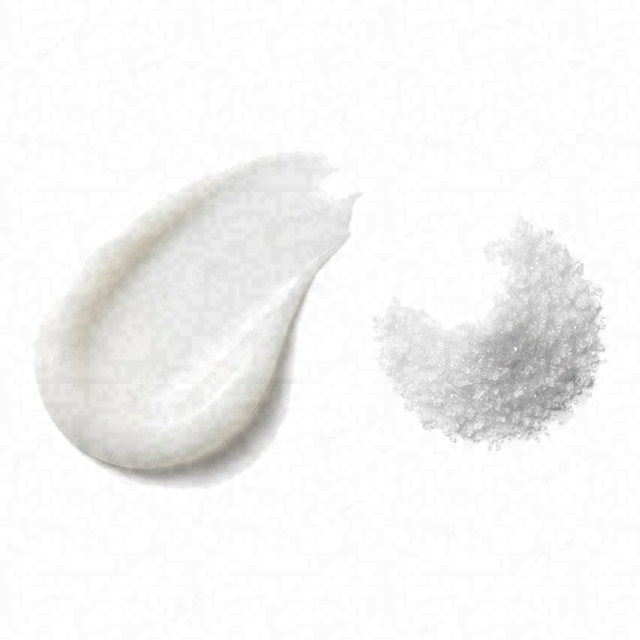 Glutathione
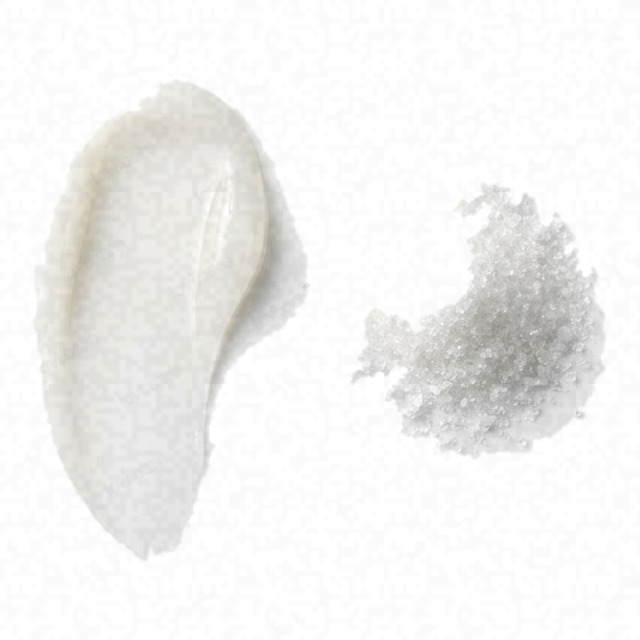 Hexylresorcinol
Average
- HighCombination Skin Fit
- AverageEffectiveness
- ExcellentSafety
Works for acne-prone skin; other serums fit it better.
This fit is calculated for the concerns frequently associated with acne-prone skin: breakouts, blackheads, and post-acne marks. For scores and recommendations based on your full skin profile, including your 12D face scan results and any goals or preferences you have, please use the Lovi app.
Page built Nov 8, 2026How the Fit score works
Lovi Assistant explains
- Offers moderate brightening for your combination skin due to glycolic acid and ascorbic acid, which provide mild exfoliation and antioxidant effects to support your acne and breakouts.
- Glycerin and betaine offer humectant action, contributing to overall skin hydration and balance.
- The product is safe for your acne-prone skin, with no risks of irritation from harsh ingredients and the inclusion of soothing agents like gold and chlorella vulgaris extract.
How to apply
- Use your serum as part of your PM routine and start 3x/week before working up to daily use.
- Apply this treatment after cleansing and toner, and before your moisturizer.
- Gently press 2-3 drops of the serum into your skin and let it absorb for a minute.
- Apply the product on clean, dry skin to help manage your breakouts safely.
- Avoid the eye area and do a patch test before your first use.
People Say
★4.5Overall rating based on 2.5k+ reviewsBased on a very large amount of data, users report this serum quickly provides a noticeable glow and smoother skin texture. It is effective at fading dark spots and hyperpigmentation over time. However, many reviewers mention the high price point and occasional issues with the dual-chamber pump mechanism.
Highlights
Brightens and adds radiance Mostly Mentioned
- “instant glow”
- “skin looks radiant”
- “banishes dullness”
Lightweight absorption Often Mentioned
- “absorbs quickly”
- “non-sticky”
- “satin finish”
Smoothes skin texture Often Mentioned
- “velvety soft”
- “improves texture”
- “skin feels smoother”
High price point Often Mentioned
- “incredibly pricey”
- “expensive for size”
- “costly investment”
Fades dark spots Sometimes Noted
- “reduces hyperpigmentation”
- “cleared blemishes”
- “evens skin tone”
Good for makeup prep Sometimes Noted
- “smooth canvas”
- “sits well under makeup”
- “non-greasy”
Packaging pump issues Sometimes Noted
- “pump dispenses unevenly”
- “hard to finish”
- “wasteful packaging”
Low Vitamin C % Rarely Noted
- “low concentration”
- “mostly glycolic feel”
- “undisclosed percentage”
Oxidation concerns Rarely Noted
- “clear bottle risk”
- “turns brown over time”
- “needs dark storage”
Potential irritation Rarely Noted
- “tingles upon application”
- “caused redness”
- “too strong for sensitive skin”
Sources: lovi.care, ulta.com, dermstore.com, lovelyskin.com, cultbeauty.co.uk, murad.com, and more
Questions and answers
How well does Murad Vita-C Serum work for acne-prone skin?
Murad Vita-C Glycolic Brightening Serum works moderately well for acne-prone skin by offering mild exfoliation and antioxidants to support breakouts while keeping skin balanced. To fit acne-prone skin best, a treatment of this type needs effective ingredients like niacinamide, propolis, or zinc PCA that provide excellent benefits for acne and blemishes, control oiliness, and ensure optimal hydration without causing excess oiliness or dryness.
Which ingredients make this serum a good fit for acne-prone skin?
Glycolic acid and ascorbic acid help brighten your acne-prone skin with mild exfoliation and antioxidants, while glycerin and betaine keep it balanced. To work even better for this skin, a treatment of this type needs soothing and balancing ingredients like niacinamide, zinc PCA, or propolis to control oil and clear breakouts without irritation.
What does Vitamin C do for acne-prone skin?
Vitamin C helps brighten skin, smooth out uneven tones, and fade dark spots left behind by breakouts. It is also packed with antioxidants that may help protect acne-prone skin from everyday environmental stress.
What does Glycolic Acid do for acne-prone skin?
Glycolic acid helps clear acne-prone skin by reducing pimples and breakouts. It also helps fade dark spots left behind by acne and controls skin oiliness, with very few side effects when used properly.
Journal of Cosmetic Dermatology, 2021Dermatologic Surgery, 2014
Where does this serum go in a skincare routine for acne-prone skin?
This treatment goes in the evening routine after cleansing and toning, and before moisturizing. When your skin is new to exfoliating acids, start using it just once a week and gradually increase the frequency only if your skin handles it well.
Can I use this serum with retinol, and in what order?
You can use this serum with retinol by applying them on alternating nights to keep your skin calm and smooth. This product needs soothing ingredients and gentle exfoliants that lift away dead cells without causing irritation, plus calming agents to keep breakouts comfortable.
How often should I use this serum?
This treatment serum works well when used in the evening once a week to start. If your acne-prone skin handles it comfortably and shows good results, you may carefully use it more often.
Can this serum clog pores, cause breakouts or purging for acne-prone skin?
This serum is unlikely to cause irritation or breakouts on your acne-prone skin, as it contains soothing ingredients to keep things calm. However, because it includes exfoliating acids, a product of this type needs gentle balancing ingredients and soothing plant extracts to truly support and clear blemish-prone skin.
Is this serum fragrance-free and alcohol-free?
Yes, it has no fragrance and no drying alcohol. Oleyl alcohol is a fatty alcohol, which soften the skin.
What the research says
A topical serum containing vitamin C, vitamin E, and raspberry leaf cell culture extract improved skin color, elasticity, radiance, smoothness, scaliness, and wrinkles compared to the untreated contralateral side in fifty female volunteers.
Journal of Cosmetic Dermatology, 2020A combination of Aloe barbadensis leaf extract and trimethylglycine in a 1:1 mass ratio synergistically increased aquaporin 3 expression by up to 380% in keratinocytes and safely improved skin hydration in healthy volunteers.
Molecules, 2024Topically delivered gold-coated silica microparticles combined with laser pulses reduced inflammatory lesions compared with sham treatments in patients with moderate-to-severe facial acne.
The Journal of Investigative Dermatology, 2015Topical application of 5% vitamin C cream significantly improved global clinical scores, increased skin microrelief density, and induced elastic tissue repair in photoaged skin compared to excipient control in healthy female volunteers.
Experimental Dermatology, 2003Ascorbic acid 2-glucoside gel significantly reduced gingival melanin pigmentation after 4 weeks compared to placebo in 73 subjects with symmetric pigmentation.
Journal of Periodontology, 2009Topical application of VC-IP cream twice daily for 8 weeks reduces periorbital wrinkles in female subjects compared to a placebo cream.
Journal of Cosmetic Dermatology, 2022Repeated short-contact 70% glycolic acid peels provided superior results in atrophic acne scars compared to daily low-strength glycolic acid cream or placebo in 58 women over 24 weeks.
International Journal of Dermatology, 2000Serial glycolic acid peels combined with a modified Kligman formula significantly reduced facial PIH severity in Indian patients compared to the modified Kligman formula alone.
Dermatologic Surgery, 2017Glutathione amino acid precursors effectively increase cellular glutathione levels, reducing oxidative stress, ATP depletion, and DNA damage in human keratinocytes, clinical subjects, and ex vivo skin compared to controls.
Journal of the European Academy of Dermatology and Venereology, 2024Topical oxidized glutathione significantly decreases the skin melanin index and improves moisture content, smoothness, wrinkle formation, and elasticity compared to placebo in healthy women.
Clinical, Cosmetic and Investigational Dermatology, 2014Topical glutathione improves hyperpigmentation, reduces ultraviolet-induced erythema and wrinkles, decreases transepidermal water loss, and enhances antioxidant capacity.
The Journal of Clinical and Aesthetic Dermatology, 2025A formulation combining 4-hexylresorcinol and niacinamide significantly improved hyperpigmentation, skin tone, fine lines, wrinkles, and firmness compared to niacinamide alone in Chinese subjects without adverse events.
International Journal of Cosmetic Science, 2022Topical 1% hexylresorcinol is equivalent to 2% hydroquinone in significantly reducing the appearance of facial and hand pigmentation in healthy female participants over 12 weeks, with both treatments showing no adverse effects.
Archives of Dermatological Research, 2023A novel triple-active cosmetic formulation containing 4-hexylresorcinol, retinyl propionate, and niacinamide improved the visual appearance of photoageing similarly to 0.02% tretinoin and reversed a consensus gene signature associated with ageing in female adults while causing less skin irritation.
International Journal of Cosmetic Science, 2024
Ingredients
Water, Glycolic Acid, Glycerin, Caprylic Capric Triglyceride, Dimethicone, Sodium Hydroxide, Hdi Trimethylol Hexyllactone Crosspolymer, Diisopropyl Sebacate, C13-16 Isoparaffin, Polyacrylate Crosspolymer-6, Dimethyl Isosorbide, Ascorbic Acid, Urea, Yeast Amino Acids, Trehalose, Inositol, Taurine, Betaine, Glutathione, Tetrahexyldecyl Ascorbate, Cetearyl Isononanoate, Hydroxyethyl Acrylate Sodium Acryloyldimethyl Taurate Copolymer, Oleyl Alcohol, Silica, Hexylresorcinol, Polysilicone-11, Triheptanoin, Polyisobutene, Marrubium Vulgare Meristem Cell Culture, Zanthoxylum Bungeanum Fruit Extract, Hydrolyzed Verbascum Thapsus Flower, Butylene Glycol, Mica, Hexylene Glycol, Sodium Surfactin, Xymenynic Acid, Tocopheryl Acetate, Peg-7 Trimethylolpropane Coconut Ether, Terminalia Ferdinandiana Fruit Extract, Sorbitol, Tin Oxide, Xanthan Gum, T-Butyl Alcohol, Chlorella Vulgaris Extract, Decyl Glucoside, Gold, Citric Acid, Caprylyl Glycol, Phenoxyethanol, Ethylhexylglycerin, Sodium Benzoate, Potassium Sorbate, Titanium Dioxide Ci 77891
Behind this fit score
Lovi calculates every fit score from the full ingredient list with brand-independent rules our dermatologists and cosmetic chemists build and review, and personalizes every pick with AI trained on the real results of millions of users. Lovi trains its fit score models on a proprietary dataset built from more than 10,000 expert-labeled products and more than 100,000 simulated examples, following an internally consistent methodology presented at Cosmoprof, AMWC, and Skin of Color Update.
-

Co-founder, Medical Director
Cosmetic chemist, cosmetologist, aesthetic products developer
-

Co-founder, CEO and CTO
PhD in computer science, 3x US patent holder, ex-Google, ex-Yandex
-

Dr. Sofía Perea Pérez, MD, MSc
Medical Board
Aesthetic medicine practitioner, MSc in Longevity and Anti-Aging Medicine
-

Medical Board
Specialist dermatologist, MBBS, MD, IFAAD
-

Medical Board
Cosmetic chemist, SCS, IFSCC member
-

Medical Board, Medical Advisor
Dermatology MD
-

Elina Nazarenko, MD
Medical Board
Dermatology and diagnostic consultant
-

Victoria Derkova, MS
Medical Board
Cosmetic chemist, cosmetic development technologist


How does it fit your skin?
Scan your face, then any product: Lovi shows how well it fits you and what fits even better.