Murad Retinol Youth Renewal Serum for oily acne-prone skin

 Retinol
 Sodium Hyaluronate
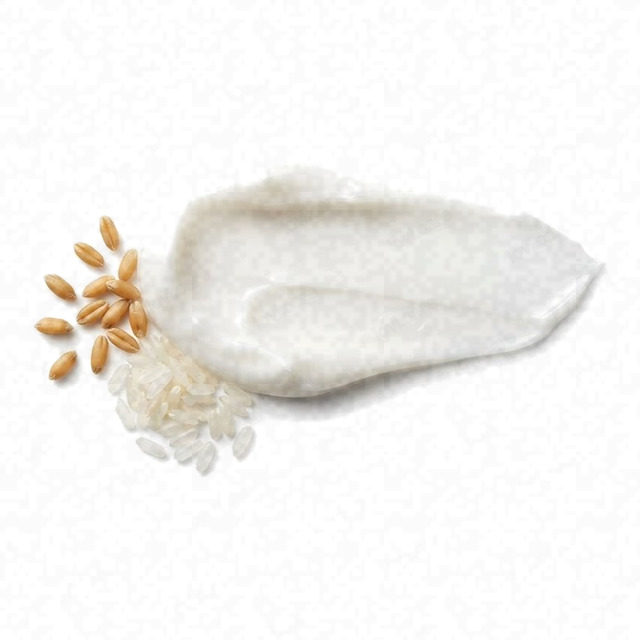 Ceramide Np
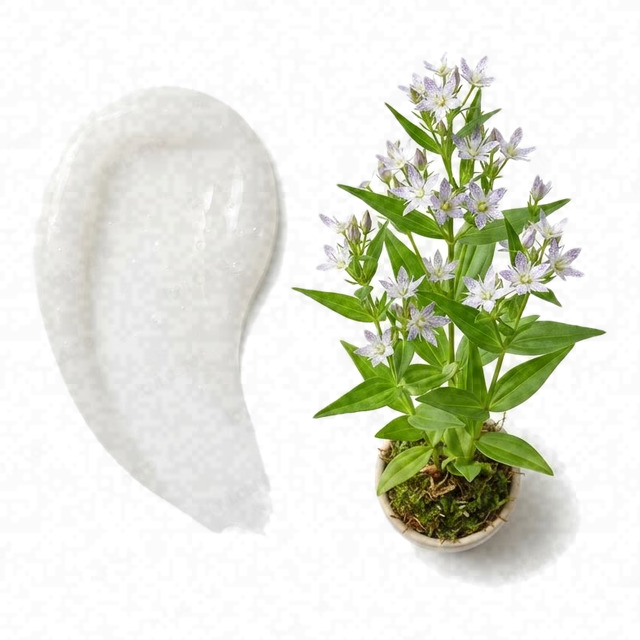 Swertia Chirata Extract
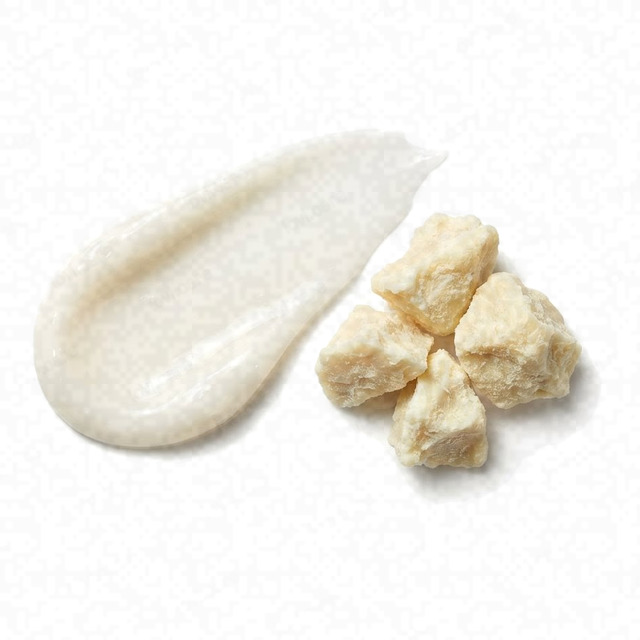 Shea Ethyl Esters Butter
Average
- HighOily Skin Fit
- AverageEffectiveness
- ExcellentSafety
Works for oily acne-prone skin; other serums fit it better.
This fit is calculated for the concerns frequently associated with oily acne-prone skin: shine, breakouts, blemishes, and enlarged pores. For scores and recommendations based on your full skin profile, including your 12D face scan results and any goals or preferences you have, please use the Lovi app.
Page built Nov 8, 2026How the Fit score works
Lovi Assistant explains
- Offers moderate benefits for your oily skin as retinol and hydroxypinacolone retinoate promote skin renewal and seboregulation, though ingredients like glycerin and sodium hyaluronate provide hydration without directly targeting your primary concerns of acne, blemishes, and breakouts.
- The serum is generally safe for your oily skin due to the absence of harsh ingredients and the inclusion of soothing agents like urea and glycerin, ensuring a low risk of irritation.
- While the formula is suitable for oily skin and offers some general skincare benefits, its primary focus is not on actively treating acne or managing oiliness.
How to apply
- Could be used as part of your PM routine. Start 3 times a week and build up to daily use if your skin tolerates it well.
- Apply your serum after cleansing and toning, but before putting on your moisturizer.
- Gently press 2 to 3 drops of the serum into your skin and let it absorb for a minute.
- Apply the serum on clean, dry skin to help manage your blemishes safely.
- Do a patch test before your first use and avoid the delicate eye area.
People Say
★4.6Overall rating based on 1.0k+ reviewsBased on a very large amount of data, users with aging or textured skin frequently report visible improvements in fine lines and overall radiance, often praising the formula for being significantly gentler than typical retinols. The "Tri-Active" technology is widely credited for delivering effective anti-aging results without the dryness or irritation commonly associated with vitamin A products.
Highlights
Gentle, non-irritating Mostly Mentioned
- “Good for beginners”
- “No redness/peeling”
- “Gentle enough for nightly use”
Improves texture/tone Often Mentioned
- “Smoother skin”
- “Softens texture”
- “Glowing complexion”
Reduces fine lines Often Mentioned
- “Lines faded”
- “Less visible wrinkles”
- “Plumper skin”
High price point Often Mentioned
- “Very expensive”
- “Pricey”
- “Not budget-friendly”
Hydrating formula Sometimes Noted
- “Creamy consistency”
- “Non-drying”
- “Absorbs quickly”
Hygienic packaging Sometimes Noted
- “Airless pump”
- “Easy to dispense”
- “Protects ingredients”
Strong fragrance Sometimes Noted
- “Floral scent”
- “Perfume is strong”
- “Smell lingers”
Potential breakouts Rarely Noted
- “Caused purging”
- “Small bumps”
- “Acne flare-up”
Pump malfunctions Rarely Noted
- “Pump stopped working”
- “Hard to get last bit”
- “Nozzle clogged”
Slow results Rarely Noted
- “Took months”
- “Mild effect”
- “Not strong enough”
Sources: lovi.care, murad.com, sephora.co.uk, ulta.com, dermstore.com, lovelyskin.com, and more
Questions and answers
How well does Murad Retinol Youth Renewal Serum work for oily acne-prone skin?
Murad Retinol Youth Renewal Serum works reasonably well for oily acne-prone skin, as its retinol and hydroxypinacolone retinoate help renew skin and regulate oil, while glycerin and sodium hyaluronate provide hydration without clogging pores. The formula is generally safe and unlikely to cause irritation, though it is not primarily designed to actively treat breakouts. A product of this type needs ingredients like niacinamide, propolis, or Vitamin C to actively target acne and manage excess oil while keeping skin smooth and healthy.
Journal of Clinical Medicine, 2023Clinical, Cosmetic and Investigational Dermatology, 2017
Which ingredients make this serum a good fit for oily acne-prone skin?
Retinol and hydroxypinacolone retinoate help renew the skin and manage oil, while urea and glycerin keep it calm with a low risk of irritation. To best fit oily, acne-prone skin, a treatment of this type needs targeted acne-fighting ingredients like niacinamide or Vitamin C along with soothing extracts and lightweight hydrators.
Journal of Clinical Medicine, 2023Clinical, Cosmetic and Investigational Dermatology, 2017
What does Retinol do for oily acne-prone skin?
Retinol helps oily acne-prone skin by clearing up breakouts and smoothing the skin, though it may occasionally cause some mild scaling or stinging. This ingredient works by addressing the root causes of acne, making it a reliable choice for keeping pores clear and skin smooth.
American Journal of Clinical Dermatology, 2019Journal of Drugs in Dermatology, 2018
What does Hyaluronic Acid do for oily acne-prone skin?
Hyaluronic acid helps calm oily acne-prone skin by reducing sebum production and lipid synthesis in sebaceous glands. It also supports skin barrier function and improves hydration while helping deliver treatments without causing irritation.
The Journal of Investigative Dermatology, 2017Journal of Cosmetic Dermatology, 2022
Where does it go in a skincare routine for oily acne-prone skin?
This treatment goes in your evening routine after cleansing and before moisturizing. Oily acne-prone skin needs a product of this type that also actively targets breakouts and manages oiliness with dedicated blemish-fighting ingredients.
Can I use this serum with vitamin C, and in what order?
You can use this serum with vitamin C by applying vitamin C in your morning routine and this treatment at night. Using them at different times of day helps prevent irritation while keeping your skin calm and smooth.
How often should I use it?
This treatment works best in the evening as part of your nighttime routine. For oily acne-prone skin of this type, a product needs targeted ingredients that actively clear breakouts, control oil, and keep pores clear.
Can this serum clog pores, cause breakouts or purging for oily acne-prone skin?
This serum is unlikely to clog pores or cause breakouts for oily acne-prone skin, as it has a low risk of irritation and features soothing ingredients, though it may cause mild initial purging from its retinol ingredients.
Journal of Clinical Medicine, 2023Journal of Cosmetic Dermatology, 2023
Is it fragrance-free and alcohol-free?
It has no drying alcohol and contains fragrance (citronellol and parfum).
What the research says
Combined probiotic supplementation and topical azelaic acid with hydroxypinacolone retinoate reduced non-inflammatory lesions from 11.5 to 7.3 and decreased microscopic acne features measured by reflectance confocal microscopy and dynamic optical coherence tomography in 20 patients over 12 weeks.
Journal of Clinical Medicine, 2023A single application of a moisturizing fluid containing hyaluronic acid 1%, glycerin 5%, and Centella asiatica stem cells extract significantly increased skin hydration by 29% and reduced transepidermal water loss at 24 hours compared to baseline and an untreated control site in twenty healthy women.
Clinical, Cosmetic and Investigational Dermatology, 2017Hydroxypinacolone retinoate and retinyl propionate at a 5:9 weight ratio synergistically enhanced antiaging gene expressions in vitro and improved skin wrinkles, smoothness, transepidermal water loss, and elasticity in 42 Chinese urban women over an 8-week period without adverse reactions compared to retinol.
Journal of Cosmetic Dermatology, 2023Urea is a safe and effective dermatologic therapy with wide-ranging clinical utility for various skin conditions and minimal, non-systemic side effects based on a review of the clinical literature.
Dermatology Online Journal, 2013Topical 0.4% retinol significantly increased epidermal thickness, dermal vascularity, and extracellular matrix production by stimulating keratinocyte proliferation, endothelial cell proliferation, and fibroblast activation in naturally aged human skin compared to vehicle.
International Journal of Cosmetic Science, 2017Topical bakuchiol 0.5% applied twice daily compared with retinol 0.5% applied daily significantly decreased wrinkle surface area and hyperpigmentation with no statistical difference between the compounds in 44 patients over 12 weeks, while retinol users reported more facial skin scaling and stinging.
The British Journal of Dermatology, 2019Silicone particles encapsulating retinol increased its half-life by 9-fold and yielded 12-23% lower skin irritation in human subjects compared to Microsponge particles while maintaining biological activity.
Journal of Controlled Release, 2018Topical application of 0.1% hyaluronic acid formulations of different molecular weights led to significant improvements in skin hydration and elasticity, with low-molecular-weight formulations also significantly reducing wrinkle depth in seventy-six female subjects compared to a vehicle control.
Journal of Drugs in Dermatology, 2011Topical application of hyaluronic acid in conjunction with free gingival graft significantly reduced donor site postoperative pain until day 7 compared to normal saline, with no significant differences in graft dimensions or patient satisfaction.
Clinical Oral Investigations, 2022Treatment with a hyaluronic acid-containing mouth rinse or topical gel led to significant lesion reduction, pain relief, and normalization of lesion color in adult patients with minor recurrent aphthous stomatitis, with the gel formulation showing an earlier healing onset at 3 days.
BMC Oral Health, 2019
Why other serums fit oily acne-prone skin better
A cream combining propolis, tea tree oil, and Aloe vera reduced erythema scars, acne severity index, and total lesion count better than erythromycin cream in sixty patients with mild to moderate acne vulgaris compared to placebo.
Clinical Pharmacology, 2018Niacinamide and ferulic acid incorporated in a stable multiple emulsion successfully reduced melanin, sebum, and skin erythema while improving skin elasticity and hydration in human skin compared to a placebo.
BioMed Research International, 2022
Ingredients
Water, Cyclopentasiloxane, Isopropyl Palmitate, C14-22 Alcohols, Polymethylsilsesquioxane, Dimethicone, Propanediol, Glyceryl Stearate, Peg-100 Stearate, Shea Ethyl Esters Butter, Retinol, Hydroxypinacolone Retinoate, Ceramide Np, Sodium Hyaluronate, Solanum Lycopersicum Fruit Extract Tomato Fruit Extract, Swertia Chirata Extract, Squalane, Punica Granatum Extract, Tocopheryl Acetate, Glycine Soja Extract Soybean Extract, Urea, Yeast Amino Acids, Trehalose, Inositol, Taurine, Betaine, Glycerin, Caprylic Capric Triglyceride, Dimethyl Isosorbide, Silica, Ethylhexyl Palmitate, Silica Dimethyl Silylate, Butylene Glycol, Lecithin, Ammonium Acryloyldimethyltaurate Vp Copolymer, C12-20 Alkyl Glucoside, Cetyl Palmitate, Laureth-23, Polysorbate 20, Trideceth-6 Phosphate, Synthetic Fluorphlogopite, Phenoxyethanol, Ethylhexylglycerin, Chlorphenesin, Disodium Edta, Sodium Hydroxide, Tris Tetramethylhydroxypiperidinol Citrate, Sodium Benzotriazolyl Butylphenol Sulfonate, Titanium Dioxide Ci 77891, Red 4 Ci 14700, Alpha-Isomethyl Ionone, Citronellol, Parfum
Behind this fit score
Lovi calculates every fit score from the full ingredient list with brand-independent rules our dermatologists and cosmetic chemists build and review, and personalizes every pick with AI trained on the real results of millions of users. Lovi trains its fit score models on a proprietary dataset built from more than 10,000 expert-labeled products and more than 100,000 simulated examples, following an internally consistent methodology presented at Cosmoprof, AMWC, and Skin of Color Update.
-

Co-founder, Medical Director
Cosmetic chemist, cosmetologist, aesthetic products developer
-

Co-founder, CEO and CTO
PhD in computer science, 3x US patent holder, ex-Google, ex-Yandex
-

Dr. Sofía Perea Pérez, MD, MSc
Medical Board
Aesthetic medicine practitioner, MSc in Longevity and Anti-Aging Medicine
-

Medical Board
Specialist dermatologist, MBBS, MD, IFAAD
-

Medical Board
Cosmetic chemist, SCS, IFSCC member
-

Medical Board, Medical Advisor
Dermatology MD
-

Elina Nazarenko, MD
Medical Board
Dermatology and diagnostic consultant
-

Victoria Derkova, MS
Medical Board
Cosmetic chemist, cosmetic development technologist


How does it fit your skin?
Scan your face, then any product: Lovi shows how well it fits you and what fits even better.