Dermalogica Daily Superfoliant for acne-prone skin

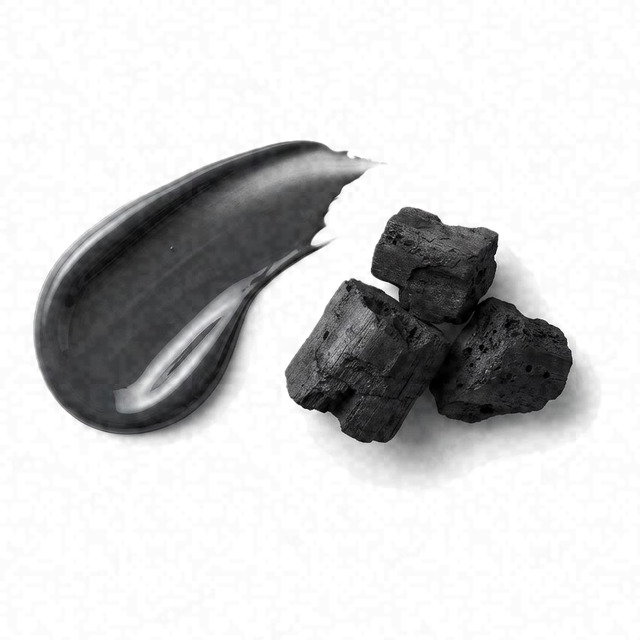 Charcoal Powder
 Niacinamide
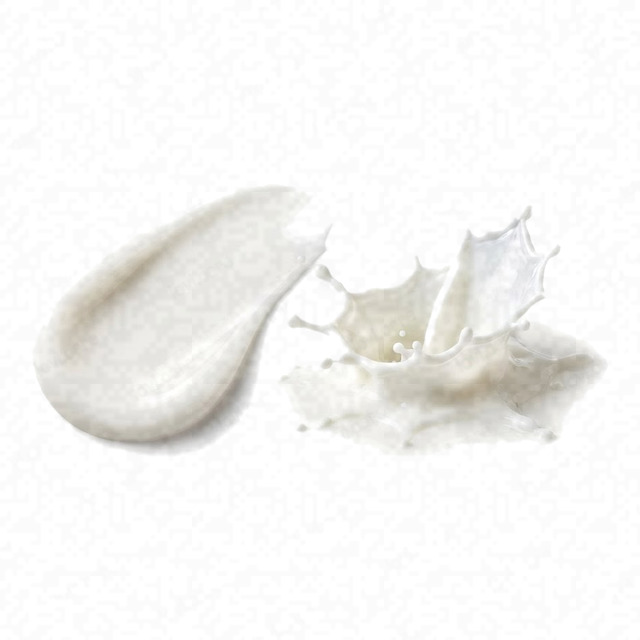 Lactic Acid
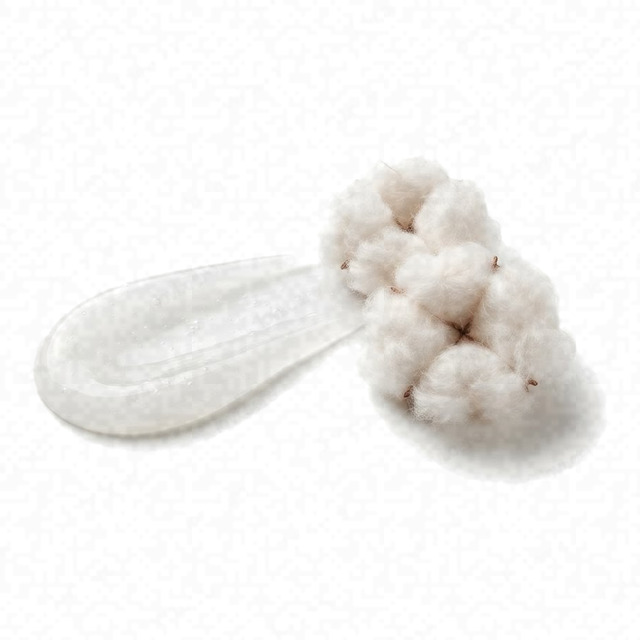 Microcrystalline Cellulose
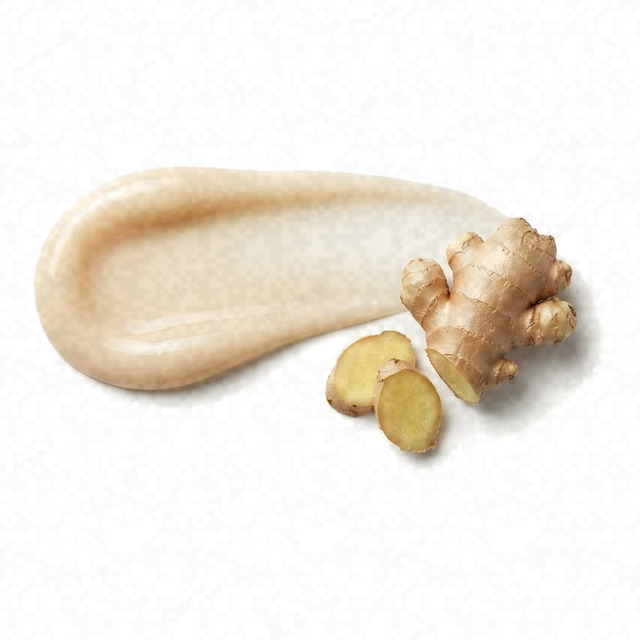 Zingiber Officinale Root Extract
High
- SuperiorCombination Skin Fit
- SuperiorEffectiveness
- ExcellentSafety
A great choice for acne-prone skin; a few products fit it even better.
This fit is calculated for the concerns frequently associated with acne-prone skin: breakouts, blackheads, and post-acne marks. For scores and recommendations based on your full skin profile, including your 12D face scan results and any goals or preferences you have, please use the Lovi app.
Page built Nov 8, 2026How the Fit score works
Lovi Assistant explains
- Excellent suitability for your combination skin is provided by niacinamide and malic acid, which help regulate sebum and exfoliate dead skin cells, respectively, contributing to a balanced complexion.
- The inclusion of papain and lactic acid further enhances texture refinement and pore clearing, offering targeted benefits for your acne and blemishes.
- The formula is safe for your acne-prone skin, as it avoids harsh ingredients and includes soothing components like lavender and bitter orange peel oils.
How to apply
- Could be used as part of your weekly routine. Start by using the enzyme powder exfoliant once a week and increase only if your skin tolerates it well.
- Apply the enzyme powder exfoliant after cleansing and before using a hydrating toner or your mask. This ensures the product works effectively on clean skin.
- Mix the enzyme powder exfoliant with a little water in your hands to create a gentle foam . Gently massage it onto your face while avoiding any harsh rubbing.
- Apply the enzyme powder exfoliant on slightly damp skin to help with gentle activation and even distribution. Make sure to rinse thoroughly with lukewarm water afterwards.
- Always avoid the delicate eye area when applying the enzyme powder exfoliant. Do a patch test before your first use to check for any sensitivity.
People Say
★4.7Overall rating based on 1.7k+ reviewsBased on a very large amount of data, users with aging, oily, or city-dwelling skin consistently praise this product for delivering exceptionally smooth results and deep pore cleansing, often citing it as a superior resurfacer. Some users with highly sensitive skin occasionally report redness or irritation, suggesting it may be too active for delicate complexions.
Highlights
Incredibly smooth skin Mostly Mentioned
- “baby smooth”
- “polished look”
- “soft texture”
- “instant difference”
Gentle but effective Often Mentioned
- “non-abrasive”
- “fine powder”
- “no micro-beads”
- “gentle scrub”
High price point Often Mentioned
- “very pricey”
- “expensive splurge”
- “price shock”
- “investment product”
Anti-aging glow Sometimes Noted
- “resurfacing effect”
- “radiant skin”
- “fades dark spots”
- “brightening”
Deep pore cleanse Sometimes Noted
- “cleans out toxins”
- “pores look smaller”
- “removes build-up”
- “detoxifies”
Messy packaging Sometimes Noted
- “powder goes everywhere”
- “spout too big”
- “hard to control”
- “wasteful dispensing”
Irritation for sensitive skin Rarely Noted
- “caused redness”
- “chemical burn”
- “skin felt tight”
- “too harsh”
Scent preference Rarely Noted
- “smells like dirt”
- “strong herbal scent”
- “unpleasant odor”
- “weird smell”
Sources: lovi.care, ulta.com, influenster.com, lovelyskin.com, sephora.sg, skinsort.com, and more
Questions and answers
What makes Daily Superfoliant a great fit for acne-prone skin?
Daily Superfoliant is a great fit for acne-prone skin because it contains papain and lactic acid to clear pores and refine texture, alongside niacinamide and malic acid to balance oil. It also features soothing ingredients like lavender and bitter orange peel oils to keep skin calm without harshness.
Giornale Italiano Di Dermatologia E Venereologia, 2015Journal of Cosmetic Science, 2002
Which ingredients make this exfoliant a good fit for acne-prone skin?
This exfoliant is a great fit for acne-prone skin because ingredients like niacinamide and malic acid help regulate oil and clear dead skin cells. Additionally, papain and lactic acid refine skin texture and help clear pores to target blemishes.
Giornale Italiano Di Dermatologia E Venereologia, 2015Journal of Cosmetic Science, 2002
What does Charcoal Powder do for acne-prone skin?
Activated charcoal products are unlikely to treat acne, as they lack clinical evidence to support claims of providing exfoliative benefits for acne-prone skin.
What does Niacinamide do for acne-prone skin?
Niacinamide helps acne-prone skin by reducing both inflamed and uninflamed breakouts and calming redness. It is also very helpful for keeping oily skin balanced by cutting down on excess oil production, and it is well tolerated by most people.
Where does this exfoliant go in a skincare routine for acne-prone skin?
This exfoliant goes into a weekly routine for acne-prone skin, placed after cleansing and before a cleansing mask, toner, and treatment. Lovi routines start exfoliating steps once a week, and people who tolerate them well and see good results can carefully use them more often.
Can I use it with retinol, and in what order?
You can use this exfoliant in your weekly routine on a different night than your retinol treatment to help keep your skin clear without irritation. Using both on the same night may cause excessive dryness and redness on acne-prone skin.
How often should I use this exfoliant?
Start by using this exfoliant once a week, and if your skin handles it well with good results, you may carefully use it more often. This safe formula helps clear pores and refine texture without harsh ingredients.
Can it clog pores, cause breakouts or purging for acne-prone skin?
This product is a great fit for acne-prone skin because it uses enzymes like papain and acids like lactic acid to clear pores and refine skin texture without harsh ingredients. It is unlikely to clog pores or cause breakouts, and helps balance oily areas while keeping skin calm.
Giornale Italiano Di Dermatologia E Venereologia, 2015Journal of Cosmetic Science, 2002
Is this exfoliant fragrance-free and alcohol-free?
It has no drying alcohol and contains fragrance (limonene and linalool).
What the research says
Soap-and-water wash and superactive charcoal paste applied topically at various times after T-2 toxin exposure effectively reduced skin lesion severity in swine compared to untreated controls.
Fundamental and Applied Toxicology, 1989Topical post-laser application of human adipocyte-derived mesenchymal stem cell media combined with niacinamide significantly improved wrinkle index, melanin index, patient satisfaction, and investigator esthetic improvement scores compared to vehicle cream in patients with aging skin.
Journal of Cosmetic Dermatology, 2021Topical nicotinamide prevented solar-simulated UV-induced immunosuppression in healthy volunteers, and men experienced immunosuppression at solar-simulated UV doses three times lower than those required for women.
The Journal of Investigative Dermatology, 2008Topical 5% niacinamide applied twice daily for 12 weeks reduced fine lines and wrinkles, hyperpigmented spots, red blotchiness, and skin sallowness, and improved skin elasticity compared to vehicle control in 50 female white subjects with facial photoaging.
Dermatologic Surgery, 2005Application of a cream containing lactic acid 12% and pramoxine HCl 1% significantly improved skin dryness, hydration, and itch compared with a nontreated control in 24 women with a history of dry itchy skin.
Cutis, 2004Topical 12% ammonium lactate produced a significant sparing of epidermal and dermal atrophy induced by clobetasol propionate in human volunteers, without influencing the corticosteroid's bioavailability or antiinflammatory properties.
Journal of the American Academy of Dermatology, 1992A lactic acid/ceramide lotion significantly improved skin moisturization and desquamation compared to no treatment in women with dry, rough skin on the anterior shins.
The Journal of Clinical and Aesthetic Dermatology, 2020Nanofibrillar cellulose dressing provides efficient wound healing comparable to polylactide-based copolymer dressings at skin graft donor sites in 24 patients, with significant improvements in observer scar thickness and vascularity and skin elasticity.
Advances in Wound Care, 2020Bacterial cellulose membranes with and without glycerin showed good skin compatibility and no barrier disruption in human subjects compared to a negative control, with glycerin-containing membranes additionally providing a statistically significant skin moisturizing effect (p=0.044).
European Journal of Pharmaceutics and Biopharmaceutics, 2014AgNP-BC exhibited over 99% reduction in Escherichia coli, Staphylococcus aureus, and Pseudomonas aeruginosa with no cytotoxicity, allowing epidermal cell attachment and growth compared to unmodified bacterial cellulose.
Carbohydrate Polymers, 2014A 1-year clinical study on human facial skin demonstrated that Zingiber officinale (L.) Rose extract inhibits the UV-induced decrease in skin elasticity and prevents or improves wrinkle formation around the eye.
Archives of Dermatological Research, 2008Ginger extract transethosomal hydrogel improved skin permeability, sustained drug release, and exhibited significant inhibition of edema swelling along with reduced reactive oxygen species and prostaglandin E2 compared to free ginger extract hydrogel and ketoprofen gel in a rat-paw edema model.
International Journal of Nanomedicine, 2023Topical delivery of ginger extract-loaded nanoemulsions significantly reduced arthritic symptoms, paw edema inhibition by 27.7%, and inflammatory cytokines in RA-induced rats compared to the negative control.
Journal of Pharmaceutical Sciences, 2023
Ingredients
Microcrystalline Cellulose, Sodium Bicarbonate, Sodium Cocoyl Glutamate, Sodium Myristoyl Glutamate, Malic Acid, Sodium Methyl Cocoyl Taurate, Charcoal Powder, Vinyl Dimethicone Methicone Silsesquioxane Crosspolymer, Maltodextrin, Silica, Magnesium Oxide, Rice Bran Extract, Polymethylsilsesquioxane, Sapindus Trifoliatus Fruit Extract, Niacinamide, Citrus Aurantium Amara Peel Oil, Zingiber Officinale Root Extract, Lavandula Angustifolia Oil Lavender Oil, Lavandula Hybrida Oil, Camellia Sinensis Leaf, Kappaphycus Alvarezii Extract, Caesalpinia Spinosa Pod Extract Fruit, Lemon Peel Oil, Rosmarinus Officinalis Oil Leaf Rosemary Oil Leaf, Salvia Officinalis Oil, Subtilisin, Lipase, Papain, Lactic Acid, Rice Starch, Sodium Chloride, Sodium Dehydroacetate, Xanthan Gum, Water, Coconut Acid, Calcium Lactate, Capryloyl Glycine, Undecylenoyl Glycine, Cetrimonium Chloride, Limonene, Linalool
Behind this fit score
Lovi calculates every fit score from the full ingredient list with brand-independent rules our dermatologists and cosmetic chemists build and review, and personalizes every pick with AI trained on the real results of millions of users. Lovi trains its fit score models on a proprietary dataset built from more than 10,000 expert-labeled products and more than 100,000 simulated examples, following an internally consistent methodology presented at Cosmoprof, AMWC, and Skin of Color Update.
-

Co-founder, Medical Director
Cosmetic chemist, cosmetologist, aesthetic products developer
-

Co-founder, CEO and CTO
PhD in computer science, 3x US patent holder, ex-Google, ex-Yandex
-

Dr. Sofía Perea Pérez, MD, MSc
Medical Board
Aesthetic medicine practitioner, MSc in Longevity and Anti-Aging Medicine
-

Medical Board
Specialist dermatologist, MBBS, MD, IFAAD
-

Medical Board
Cosmetic chemist, SCS, IFSCC member
-

Medical Board, Medical Advisor
Dermatology MD
-

Elina Nazarenko, MD
Medical Board
Dermatology and diagnostic consultant
-

Victoria Derkova, MS
Medical Board
Cosmetic chemist, cosmetic development technologist


How does it fit your skin?
Scan your face, then any product: Lovi shows how well it fits you and what fits even better.