U Beauty THE SCULPT for acne-prone skin

 Glycerin
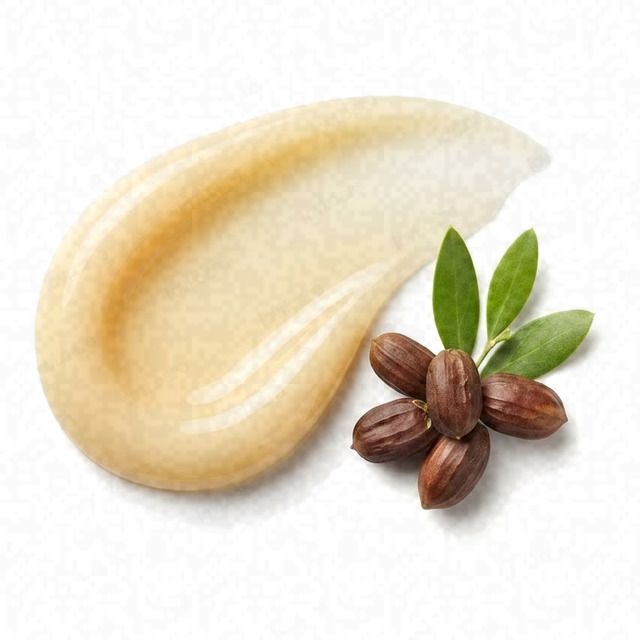 Jojoba Seed Oil
 Panthenol
Low
- AverageCombination Skin Fit
- AverageEffectiveness
- HighSafety
A weak match for acne-prone skin; the moisturizers alongside fit it better.
This fit is calculated for the concerns frequently associated with acne-prone skin: breakouts, blackheads, and post-acne marks. For scores and recommendations based on your full skin profile, including your 12D face scan results and any goals or preferences you have, please use the Lovi app.
Page built Nov 8, 2026How the Fit score works
Lovi Assistant explains
- Offers moderate moisturizing for your combination skin, with glycerin and squalane providing humectant and emollient actions respectively, but it lacks sufficient ingredients for optimal oil control on oily areas.
- While hyaluronic acid and glycerin offer general hydration supportive for acne-prone skin, the formula lacks targeted ingredients for active acne treatment.
- The product is safe for your acne-prone skin, as it contains no harsh ingredients and includes soothing components like glycerin and panthenol.
How to apply
- Use your moisturizer twice a day in your AM and PM routines. Apply it daily to help keep breakouts under control.
- Apply after your cleanser and toner, and make sure to use your SPF right after in the morning.
- Gently spread a small amount of moisturizer over your face using soft motions. Let it absorb into the skin for a minute before getting dressed or applying makeup.
- Apply on slightly damp skin to help lock in extra moisture. This keeps your combination skin balanced without feeling heavy.
- Avoid the eye area and do a patch test before your first use. Stop using if you feel any irritation.
Questions and answers
Why is U Beauty The Sculpt Arm Sculpting Concentrate a weak match for acne-prone skin?
This product is a weak match because it lacks targeted ingredients for active acne treatment and sufficient oil control for oily areas. A moisturizing treatment for acne-prone skin needs effective ingredients like Niacinamide, Hydrolyzed Hyaluronic Acid, peptides, and Centella Asiatica to provide hydration without excess oiliness and help with blemishes.
Clinical, Cosmetic and Investigational Dermatology, 2017American Journal of Clinical Dermatology, 2002
Which ingredients make this treatment a poor fit for acne-prone skin?
This treatment is a weak match for your acne-prone skin because it lacks targeted ingredients for active acne treatment and sufficient oil control for oily areas, while offering general hydration. To fit this skin well, a moisturizing treatment needs effective ingredients like niacinamide, hydrolyzed hyaluronic acid, peptides, and centella asiatica to address blemishes while keeping oiliness in check.
What does Glycerin do for acne-prone skin?
Glycerin helps keep acne-prone skin hydrated and calm without clogging pores or feeling heavy. It supports the skin barrier so it stays soft and smooth while handling everyday treatments.
The British Journal of Dermatology, 2008International Journal of Toxicology, 2019
What does Jojoba Seed Oil do for acne-prone skin?
Jojoba seed oil helps calm acne-prone skin and reduces breakouts over time. It may also help lower inflammation and clear up lesions.
Forschende Komplementarmedizin, 2012Frontiers in Pharmacology, 2024
Where does this treatment go in a skincare routine for acne-prone skin?
This treatment goes in the evening routine after cleansing and before moisturizing. Acne-prone skin needs a product of this type to include targeted ingredients for active acne treatment and optimal oil control.
Can I use this treatment with retinol, and in what order?
You can use this treatment with retinol by applying the retinol first, letting it dry, and then following with the moisturizer. A product for this skin needs oil-control ingredients and targeted acne treatments to provide a better fit.
How often should I use this treatment?
You can safely apply this moisturizing treatment daily to keep your skin calm and soft. When treating acne-prone skin, a product of this type needs targeted ingredients for active breakouts and oil control.
Journal of Cosmetic Dermatology, 2020Health Science Reports, 2021
Can this treatment clog pores, cause breakouts or purging for acne-prone skin?
This treatment is unlikely to cause breakouts because it contains no harsh ingredients and features soothing glycerin and panthenol, though it does not provide targeted treatment for active acne. For acne-prone skin, a product of this type needs targeted blemish-fighting ingredients and oil-controlling components.
American Journal of Clinical Dermatology, 2002The Journal of Dermatological Treatment, 2017
Can I use this treatment around the eyes or on my body?
You can use this moisturizing treatment around your eyes and on your body, as it has a very good safety profile for the skin. It helps keep these areas soft and calm with ingredients like glycerin and panthenol, though acne-prone skin needs a product with targeted acne-fighting ingredients and oil control.
Is this treatment fragrance-free and alcohol-free?
Yes, it has no fragrance and no drying alcohol. Cetyl alcohol is a fatty alcohol, which soften the skin.
What the research says
A single application of a moisturizing fluid containing hyaluronic acid 1%, glycerin 5%, and Centella asiatica stem cells extract significantly increased skin hydration by 29% and reduced transepidermal water loss at 24 hours compared to baseline and an untreated control site in twenty healthy women.
Clinical, Cosmetic and Investigational Dermatology, 2017Topical dexpanthenol acts as a moisturizer, improves stratum corneum hydration, accelerates wound healing and epidermal regeneration, reduces erythema, and improves symptoms of skin irritation compared to vehicle or no pretreatment.
American Journal of Clinical Dermatology, 2002A new topical panthenol-containing emollient significantly improved transepidermal water loss reduction, stratum corneum hydration, and intercellular lipid lamellae length compared with control in healthy subjects without negatively impacting bacterial viability.
The Journal of Dermatological Treatment, 2017A panthenol-enriched mask significantly decreased erythema and hyperpigmentation, increased sebum and stratum corneum moisture, and reduced transepidermal water loss compared to a saline dressing in 60 subjects undergoing facial laser treatment.
Journal of Cosmetic Dermatology, 2025The emollient V0034CR significantly reduced TEWL compared to vehicle and vehicle plus glycerol, and significantly increased corneometry scores compared to vehicle and vehicle plus petrolatum in healthy volunteers with dry skin, demonstrating combined barrier function improvement from petrolatum and hydration improvement from glycerol.
Journal of Cosmetic Dermatology, 2020Ten days of treatment with a cream containing 20% glycerin significantly increased skin hydration measured by corneometer values in 17 healthy volunteers compared to a placebo cream, but showed no influence on transepidermal water loss or skin sensitivity to an irritating surfactant.
International Journal of Cosmetic Science, 2001Niacinamide/glycerin body moisturizers provided better rapid and prolonged improvement of cosmetic xerosis through functional improvement of stratum corneum barrier function compared to no treatment and conventional moisturizers in female subjects.
Journal of Drugs in Dermatology, 2012Clay jojoba oil facial masks reduced total skin lesions by a mean of 54% after 6 weeks in 133 participants with acne-prone, lesioned skin and mild acne compared to baseline.
Forschende Komplementarmedizin, 2012Topical application of jojoba wax reduced LPS-induced secretion of IL-6, IL-8, and TNFα by approximately 30% and increased the synthesis of pro-collagen III and hyaluronic acid compared to untreated skin in an ex-vivo human skin organ culture model.
Frontiers in Pharmacology, 2024Topical jojoba oil application in male mice decreased exercise-induced pro-inflammatory gene expression (Il-1b and Il-6 in soleus, Il-1b in gastrocnemius) compared to untreated exercised mice.
Biomolecules, 2025Moisturizer containing 5% panthenol, madecassoside, and copper-zinc-manganese decreased adverse reactions and downtime after ablative fractional carbon dioxide laser resurfacing with comparable efficacy to 0.02% triamcinolone acetonide cream in 20 subjects.
Journal of Cosmetic Dermatology, 2019Topical dexpanthenol formulated in lipophilic vehicles improved stratum corneum hydration and reduced transepidermal water loss compared to vehicle control in humans.
Arzneimittel-Forschung, 2000Hyaluronic acid, hyaluronic acid plus dexpanthenol, and isotonic saline nasal sprays all significantly improved dry nose symptoms over four weeks in 240 patients, with hyaluronic acid plus dexpanthenol providing superior nasal moisturisation compared to the other two.
Auris, Nasus, Larynx, 2020
Why other moisturizers fit acne-prone skin better
Gluconolactone 14% solution significantly improved mild to moderate acne by reducing inflamed and non-inflamed lesions similarly to 5% benzoyl peroxide, but with fewer side-effects in 150 patients.
The Australasian Journal of Dermatology, 1992Co-delivery of paeonol and madecassoside via nanoemulsions improved transdermal delivery, promoted barrier repair proteins, inhibited inflammatory cytokine secretion in cellular and 3D models, and reduced transepidermal water loss and acne in human facial skin compared to free components.
Molecules, 2023Combining 10% gluconolactone chemical peeling with oxybrasion or microneedle mesotherapy increased skin hydration and decreased sebum, pH, and TEWL in twenty-one Caucasian women, with no significant differences between the two methods.
Skin Research and Technology, 2023
Ingredients
Water, Glycerin, C10-18 Triglycerides, Glyceryl Isostearate, Dimethicone, Polymethylsilsesquioxane, Panthenol, Glyceryl Behenate, Jojoba Seed Oil, Triisostearin, Caprylic Capric Triglyceride, Cetyl Alcohol, Glyceryl Stearate, Isohexadecane, Methyldihydrojasmonate, Squalane, Spilanthes Acmella Flower Extract, Porphyridium Cruentum Extract, Aesculus Hippocastanum Seed Extract, Tocopherol, Ascorbyl Palmitate, Sodium Ascorbyl Phosphate, Acetyl Hexapeptide-8, Ceramide Np, Linoleic Acid, Oleic Acid, Palmitic Acid, Acacia Decurrens Jojoba Sunflower Polyglyceryl-3 Esters Seed Cera, Stearic Acid, Ectoin, Glutathione, Superoxide Dismutase, Linolenic Acid, Sodium Acetylated Hyaluronate, Hyaluronic Acid, Sodium Hyaluronate Crosspolymer, Hydrolyzed Sodium Hyaluronate, Peg-75 Stearate, Hydroxypropyl Methylcellulose, Tapioca Starch, Pullulan, Ceteth-20, Steareth-20, Cetearyl Methicone, Peg-40 Stearate, Steareth-2, Steareth-21, Carbomer, Tetrasodium Glutamate Diacetate, Lecithin, Caprylyl Glycol, 1,2-Hexanediol, Polysorbate 20, Xanthan Gum, Pentylene Glycol, Sodium Hydroxide, Citric Acid, Ethylhexylglycerin, Phenoxyethanol, Sodium Benzoate
Behind this fit score
Lovi calculates every fit score from the full ingredient list with brand-independent rules our dermatologists and cosmetic chemists build and review, and personalizes every pick with AI trained on the real results of millions of users. Lovi trains its fit score models on a proprietary dataset built from more than 10,000 expert-labeled products and more than 100,000 simulated examples, following an internally consistent methodology presented at Cosmoprof, AMWC, and Skin of Color Update.
-

Co-founder, Medical Director
Cosmetic chemist, cosmetologist, aesthetic products developer
-

Co-founder, CEO and CTO
PhD in computer science, 3x US patent holder, ex-Google, ex-Yandex
-

Dr. Sofía Perea Pérez, MD, MSc
Medical Board
Aesthetic medicine practitioner, MSc in Longevity and Anti-Aging Medicine
-

Medical Board
Specialist dermatologist, MBBS, MD, IFAAD
-

Medical Board
Cosmetic chemist, SCS, IFSCC member
-

Medical Board, Medical Advisor
Dermatology MD
-

Elina Nazarenko, MD
Medical Board
Dermatology and diagnostic consultant
-

Victoria Derkova, MS
Medical Board
Cosmetic chemist, cosmetic development technologist


How does it fit your skin?
Scan your face, then any product: Lovi shows how well it fits you and what fits even better.