Murad Renewing Eye Cream for acne-prone skin

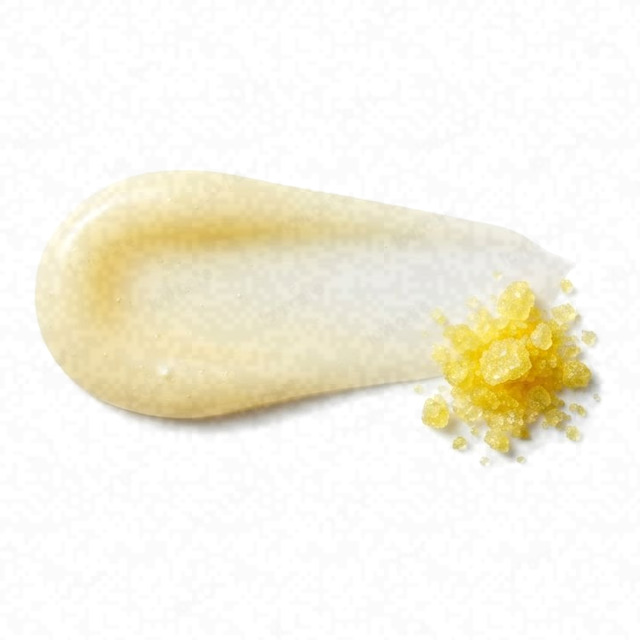 Retinol
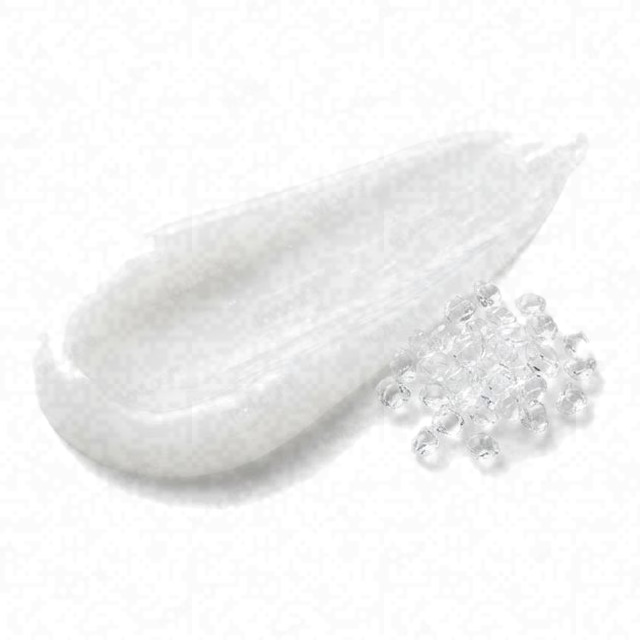 Palmitoyl Tetrapeptide-7
 Sodium Hyaluronate
 Glycerin
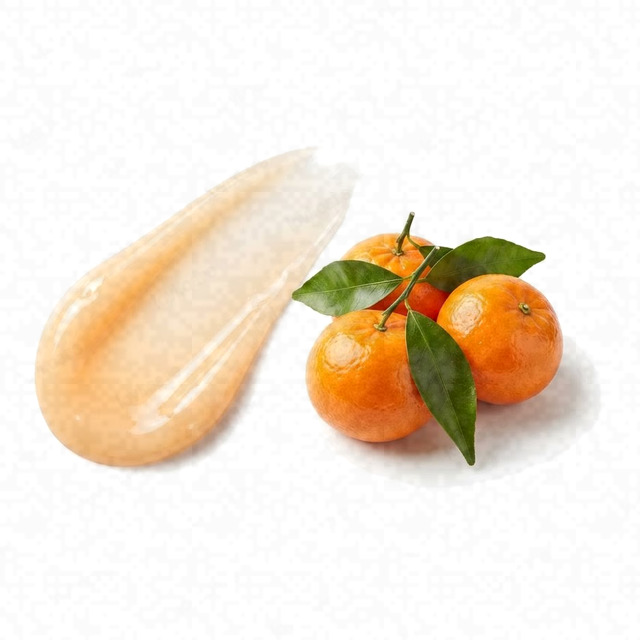 Citrus Unshiu Peel Extract
High
- AverageCombination Skin Fit
- AverageEffectiveness
- ExcellentSafety
A great choice for acne-prone skin; a few eye cares fit it even better.
This fit is calculated for the concerns frequently associated with acne-prone skin: breakouts, blackheads, and post-acne marks. For scores and recommendations based on your full skin profile, including your 12D face scan results and any goals or preferences you have, please use the Lovi app.
Page built Nov 8, 2026How the Fit score works
Lovi Assistant explains
- Offers moderate suitability for combination skin, as Glycerin and Sodium Hyaluronate provide hydration, but it lacks potent seboregulation for your acne-prone skin. Retinol and palmitoyl oligopeptide offer excellent smoothing and wrinkle reduction for the eye area.
- The formula includes urea, allantoin, and panthenol, which are beneficial for soothing and supporting acne-prone skin without causing irritation.
- The safety profile is excellent, with no risks of irritation due to the absence of harsh ingredients and the presence of soothing components.
People Say
★4.4Overall rating based on 900+ reviewsUsers with mature or dry skin frequently praise this cream for its rich hydration and ability to visibly firm the under-eye area, often noting improvements in fine lines and "crow's feet." While many report brighter eyes and reduced puffiness, a subset of users with sensitive skin experienced irritation or found the formula insufficiently moisturizing for winter dryness.
Highlights
Hydrating and moisturizing Mostly Mentioned
- “Gives me plenty of moisture in the mornings”
- “Very moisturizing eye cream”
- “Hydrates and soothes”
Pleasant texture Often Mentioned
- “Goes on smooth and feels wonderful”
- “Absorbs easily without causing irritation”
- “Non-greasy but is hydrating”
Reduces lines Often Mentioned
- “Crows feet were less and less deep”
- “Visibly minimizes lines & wrinkles”
- “Skin around my eyes is looking so much better”
High price point Often Mentioned
- “Too expensive for me”
- “Pricey but effective”
- “Bit too pricey for me to re-purchase”
Improves dark circles Sometimes Noted
- “Reduces the appearance of dark circles & puffiness”
- “Gets rid of any bags under my eyes”
- “Eyes look less tired”
Pump issues Sometimes Noted
- “Dispenser lets the product form a dry plug”
- “Hard to pump out”
- “Couldn't get the dispenser to work”
Insufficient moisture Rarely Noted
- “Not moisturizing enough... for winter”
- “Need something heavier”
- “Wish it was a lighter consistency”
Skin irritation Rarely Noted
- “Burning and had red rashes”
- “Small pimple/stye like bumps”
- “Instantly felt weird... stinging”
Sources: lovi.care, murad.com, ulta.com, sephora.com, dermstore.com, lovelyskin.com, and more
Questions and answers
What makes Murad Renewing Eye Cream a great fit for acne-prone skin?
Murad Renewing Eye Cream is a great fit because it contains soothing ingredients like panthenol and urea that help calm acne-prone skin without causing irritation, while retinol helps smooth the eye area. Its very safe formula is unlikely to cause irritation.
Which ingredients make this cream a good fit for acne-prone skin?
This cream is a good fit because it includes urea, panthenol, and allantoin to help soothe and support your skin without causing irritation. Retinol also helps smooth and reduce fine lines around the eyes.
What does Retinol do for acne-prone skin?
Retinol helps acne-prone skin by speeding up cell turnover and clearing pores to reduce breakouts. It regulates skin growth and fights inflammation, though it may cause some mild peeling or stinging when you first start using it.
Journal of Drugs in Dermatology, 2022The Journal of Dermatological Treatment, 2017
What does Palmitoyl Tetrapeptide-7 do for acne-prone skin?
Palmitoyl Tetrapeptide-7 is unlikely to directly clear breakouts, as it is primarily used to support firmness and help smooth fine lines. Acne-prone skin requires ingredients that manage oil and calm redness to stay clear and calm.
Where does it go in a skincare routine for acne-prone skin?
Murad Renewing Eye Cream is an eye care product, so it goes in your eye area after cleansing and toning, and before your moisturizer both morning and night. The formula contains soothing ingredients like urea and panthenol that are unlikely to cause irritation on acne-prone skin.
Can I use this cream with vitamin C, and in what order?
You can use this cream with vitamin C by applying your vitamin C first in the morning, letting it absorb, and then following with this eye cream. This approach helps you get the smoothing benefits of retinol and peptides while keeping your skin calm and comfortable.
How often should I use it?
You can use this eye cream daily as part of your routine. It has a great fit for your skin, featuring soothing ingredients that are unlikely to cause irritation.
Can this cream clog pores, cause breakouts or purging for acne-prone skin?
This cream is unlikely to clog pores or cause breakouts because it has an excellent safety profile with soothing ingredients like panthenol and urea, though the retinol inside may occasionally cause mild purging if your skin is not yet used to it.
Is it fragrance-free and alcohol-free?
Yes, it has no fragrance and no drying alcohol. Cetyl alcohol and oleyl alcohol are fatty alcohols, which soften the skin.
What the research says
Topical 0.4% retinol significantly increased epidermal thickness, dermal vascularity, and extracellular matrix production by stimulating keratinocyte proliferation, endothelial cell proliferation, and fibroblast activation in naturally aged human skin compared to vehicle.
International Journal of Cosmetic Science, 2017Topical bakuchiol 0.5% applied twice daily compared with retinol 0.5% applied daily significantly decreased wrinkle surface area and hyperpigmentation with no statistical difference between the compounds in 44 patients over 12 weeks, while retinol users reported more facial skin scaling and stinging.
The British Journal of Dermatology, 2019Topical dexpanthenol acts as a moisturizer, improves stratum corneum hydration, accelerates wound healing and epidermal regeneration, reduces erythema, and improves symptoms of skin irritation compared to vehicle or no pretreatment.
American Journal of Clinical Dermatology, 2002Urea is a safe and effective dermatologic therapy with wide-ranging clinical utility for various skin conditions and minimal, non-systemic side effects based on a review of the clinical literature.
Dermatology Online Journal, 2013Silicone particles encapsulating retinol increased its half-life by 9-fold and yielded 12-23% lower skin irritation in human subjects compared to Microsponge particles while maintaining biological activity.
Journal of Controlled Release, 2018Topical stabilized retinol treatment induced HAS gene expression and increased hyaluronic acid production in human skin in vitro, ex vivo, and in vivo compared to vehicle.
Archives of Dermatological Research, 2017Topical application of all-trans-retinol induced epidermal thickening and increased retinoid binding protein expression similar to all-trans-retinoic acid in normal human skin, but without causing significant erythema or measurable retinoic acid levels.
The Journal of Investigative Dermatology, 1995A multi-modal methodology combining MALDI-MSI, in vivo RCM, echography, and histology revealed age-related decreases in extracellular matrix and epidermal-dermal junction proteins and undulation depth, while a blend of palmitoyl oligopeptide and palmitoyl tetrapeptide-7 improved subepidermal low-echogenic band thickness, density, and extracellular matrix structure compared to placebo.
Journal of Cosmetic Dermatology, 2015Palmitoyl tetrapeptide-7, acetyl hexapeptide-8, palmitoyl tripeptide-1, and palmitoyl tetrapeptide-10 significantly increased type III collagen levels in human dermal fibroblasts following UV exposure, with their combination demonstrating a greater effect in vitro and enhancing type I, III, and IV collagen levels in ex vivo skin tissues compared to individual components.
International Journal of Cosmetic Science, 2026Topical application of 0.1% hyaluronic acid formulations of different molecular weights led to significant improvements in skin hydration and elasticity, with low-molecular-weight formulations also significantly reducing wrinkle depth in seventy-six female subjects compared to a vehicle control.
Journal of Drugs in Dermatology, 2011Topical application of hyaluronic acid in conjunction with free gingival graft significantly reduced donor site postoperative pain until day 7 compared to normal saline, with no significant differences in graft dimensions or patient satisfaction.
Clinical Oral Investigations, 2022Treatment with a hyaluronic acid-containing mouth rinse or topical gel led to significant lesion reduction, pain relief, and normalization of lesion color in adult patients with minor recurrent aphthous stomatitis, with the gel formulation showing an earlier healing onset at 3 days.
BMC Oral Health, 2019A single application of a moisturizing fluid containing hyaluronic acid 1%, glycerin 5%, and Centella asiatica stem cells extract significantly increased skin hydration by 29% and reduced transepidermal water loss at 24 hours compared to baseline and an untreated control site in twenty healthy women.
Clinical, Cosmetic and Investigational Dermatology, 2017The emollient V0034CR significantly reduced TEWL compared to vehicle and vehicle plus glycerol, and significantly increased corneometry scores compared to vehicle and vehicle plus petrolatum in healthy volunteers with dry skin, demonstrating combined barrier function improvement from petrolatum and hydration improvement from glycerol.
Journal of Cosmetic Dermatology, 2020Ten days of treatment with a cream containing 20% glycerin significantly increased skin hydration measured by corneometer values in 17 healthy volunteers compared to a placebo cream, but showed no influence on transepidermal water loss or skin sensitivity to an irritating surfactant.
International Journal of Cosmetic Science, 2001Topical application of Citrus reticulata fruit extract provided instant relief from lactic acid-induced skin discomfort and increased skin tolerance by inhibiting TRPV1 activation and expression.
Journal of Cosmetic Dermatology, 2023Fermented Citrus unshiu peel extract inhibited MMP-1 expression and decreased SA-beta-gal positive cells by approximately 45% at 0.1% concentration in ultraviolet-A-irradiated human dermal fibroblasts compared to untreated irradiated cells.
Phytotherapy Research, 2012
Ingredients
Water, Butylene Glycol, Tricaprylyl Citrate, Pentylene Glycol, Bis-Diglyceryl Polyacyladipate-2, Jojoba Esters, Glycerin, Boron Nitride, Caprylic Capric Myristic Stearic Triglyceride, Cetyl Alcohol, Stearic Acid, Glyceryl Stearate, Peg-100 Stearate, Citrus Unshiu Peel Extract, Mangifera Indica Seed Butter, Dimethicone, Cetyl Phosphate, Urea, Yeast Amino Acids, Trehalose, Inositol, Taurine, Betaine, Glycine Soja Seed Extract Soybean Seed Extract, Iris Florentina Root Extract, Yam Root Extract, Glycine Soja Soybean Sterols, Trifolium Pratense Flower Extract, Palmitoyl Oligopeptide, Palmitoyl Tetrapeptide-7, Retinol, Sodium Hyaluronate, Serenoa Serrulata Fruit Extract, Oenothera Biennis Oil, Tocopherol, Ascorbyl Palmitate, Borago Officinalis Seed Oil, Dipeptide-2, Hesperidin Methyl Chalcone, Sodium Pca, Panthenol, Oleyl Alcohol, Steareth-20, Lecithin, Carbomer, Polysorbate 20, Sodium Potassium Aluminum Silicate, Aminomethyl Propanol, Disodium Edta, Silica, Phenoxyethanol, Caprylyl Glycol, Chlorphenesin, Titanium Dioxide Ci 77891
Behind this fit score
Lovi calculates every fit score from the full ingredient list with brand-independent rules our dermatologists and cosmetic chemists build and review, and personalizes every pick with AI trained on the real results of millions of users. Lovi trains its fit score models on a proprietary dataset built from more than 10,000 expert-labeled products and more than 100,000 simulated examples, following an internally consistent methodology presented at Cosmoprof, AMWC, and Skin of Color Update.
-

Co-founder, Medical Director
Cosmetic chemist, cosmetologist, aesthetic products developer
-

Co-founder, CEO and CTO
PhD in computer science, 3x US patent holder, ex-Google, ex-Yandex
-

Dr. Sofía Perea Pérez, MD, MSc
Medical Board
Aesthetic medicine practitioner, MSc in Longevity and Anti-Aging Medicine
-

Medical Board
Specialist dermatologist, MBBS, MD, IFAAD
-

Medical Board
Cosmetic chemist, SCS, IFSCC member
-

Medical Board, Medical Advisor
Dermatology MD
-

Elina Nazarenko, MD
Medical Board
Dermatology and diagnostic consultant
-

Victoria Derkova, MS
Medical Board
Cosmetic chemist, cosmetic development technologist


How does it fit your skin?
Scan your face, then any product: Lovi shows how well it fits you and what fits even better.