Medicube Red Cleansing Oil for sensitive skin

 Squalane
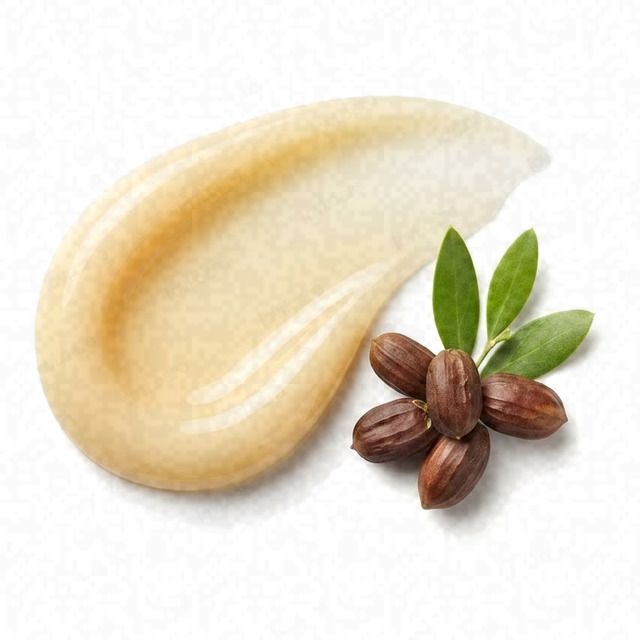 Jojoba Seed Oil
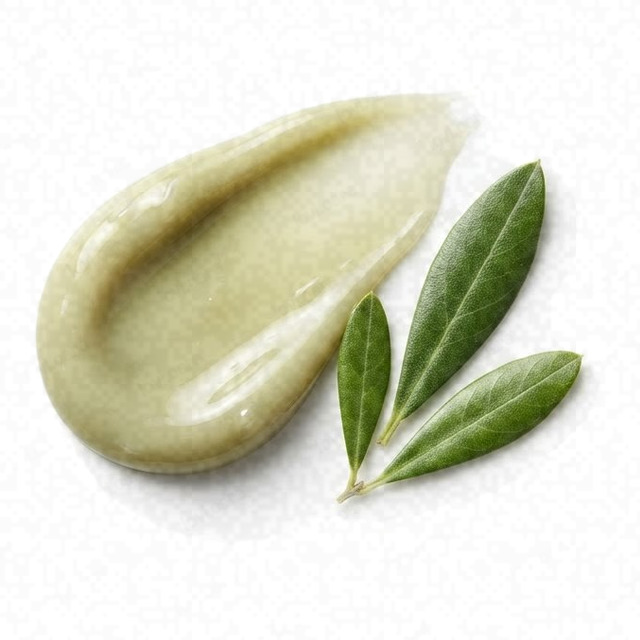 Oil Tree Leaf
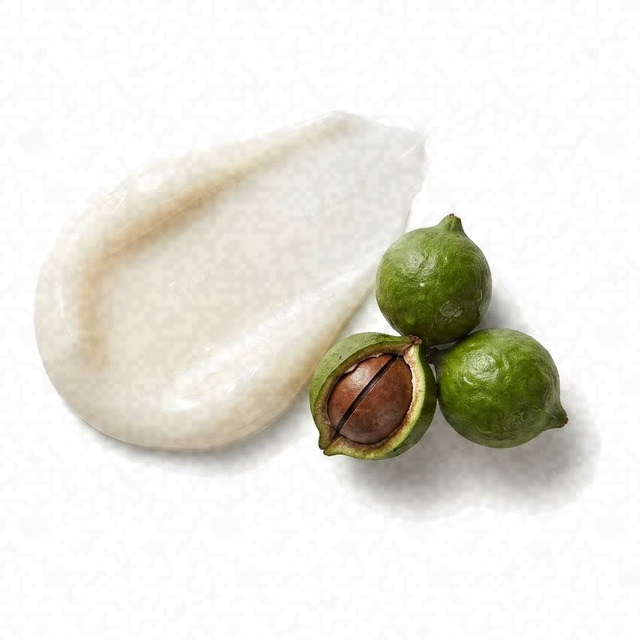 Macadamia Seed Oil
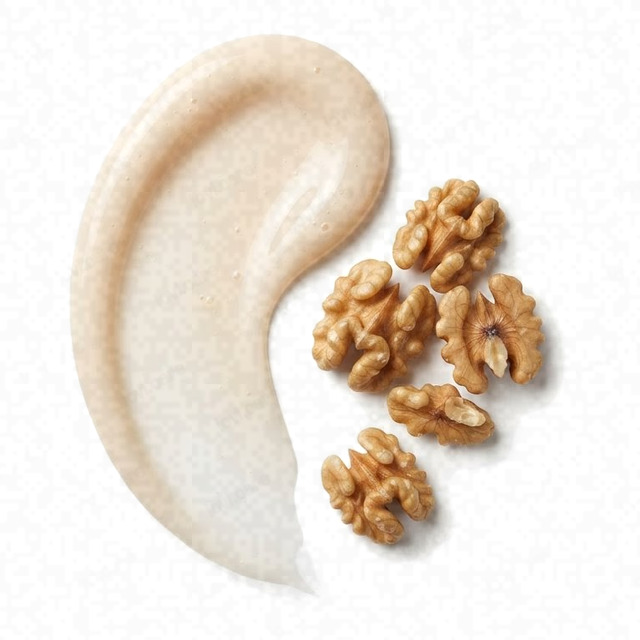 Juglans Regia Seed Oil
Average
- HighNormal Skin Fit
- HighEffectiveness
- HighSafety
Works for sensitive skin; other pre-cleansers fit it better.
This fit is calculated for the concerns frequently associated with sensitive skin: redness, stinging, and reactions to new products. For scores and recommendations based on your full skin profile, including your 12D face scan results and any goals or preferences you have, please use the Lovi app.
Page built Nov 8, 2026How the Fit score works
Lovi Assistant explains
- Suitable for normal skin, this cleansing oil effectively removes makeup with Ethylhexyl Palmitate and Sorbeth-30 Tetraoleate, while Gaultheria Procumbens Leaf Extract and Melaleuca Alternifolia Tree Oil Leaf offer soothing benefits for your redness and irritation.
- Squalane and Jojoba Seed Oil further support your skin barrier, enhancing overall skin health.
- The product is safe for your sensitive skin, containing no harsh ingredients that could cause irritation.
How to apply
- Use this makeup remover PM as the first step of your evening routine. Start 3x/week before building up to daily use if your skin tolerates it well.
- Apply this makeup remover before your regular cleanser and toner. Follow with your usual moisturizer to keep your skin hydrated.
- Gently press a small amount of the makeup remover onto your face using a soft cotton pad. Avoid any harsh rubbing to protect your sensitive skin.
- Apply the makeup remover on dry skin to ensure better tolerance for sensitive areas. This helps reduce any potential irritation or redness.
- Do a patch test before your first use and avoid the direct eye area to ensure safe application.
People Say
★4.5Overall rating based on 100+ reviewsBased on limited data, this cleansing oil is highly recommended for users with acne-prone and sensitive skin due to its gentle, non-comedogenic formula that effectively removes makeup without causing irritation. Many appreciate its lightweight, water-like texture. Some users find the consistency too runny and messy, and opinions vary on its ability to remove deep blackheads compared to heavier cleansing oils.
Highlights
Acne-safe, gentle Often Mentioned
- “Doesn't cause breakouts”
- “only oil that doesn't irritate”
- “safe for acne-prone”
- “calmed my skin”
Lightweight texture Often Mentioned
- “Water-like consistency”
- “not heavy or greasy”
- “absorbs beautifully”
- “feels refreshing”
Effective makeup removal Sometimes Noted
- “Melts makeup instantly”
- “removes mascara well”
- “dissolves sunscreen easily”
- “cleanses effectively”
Non-stripping Sometimes Noted
- “No deep dryness”
- “skin feels hydrated”
- “leaves skin soft”
- “gentle finish”
Runny consistency Sometimes Noted
- “Drips down arms”
- “too watery”
- “messy application”
- “hard to control”
Leaves residue Rarely Noted
- “Leaves oil film”
- “needs second cleanse”
- “doesn't rinse clean”
- “slightly oily finish”
Medicinal scent Rarely Noted
- “Strong tea tree smell”
- “smells like medicine”
- “scent is overpowering”
- “herbal odor”
Mild cleansing Rarely Noted
- “Didn't remove blackheads”
- “pores still clogged”
- “too mild for deep clean”
- “residue left behind”
Sources: lovi.care, gopicky.com, hwahae.co.kr, reddit.com, and more
Questions and answers
How well does Medicube Red Cleansing Oil work for sensitive skin?
Medicube Red Cleansing Oil works for sensitive skin as an average fit, removing makeup while supporting the skin barrier with squalane and jojoba seed oil. A cleansing oil for this skin needs deep hydration from hyaluronic acid and nourishing ingredients like beeswax or plant oils to protect and balance it.
Which ingredients make this cleanser a good fit for sensitive skin?
Squalane and jojoba seed oil support your skin barrier while tea tree leaf oil helps calm redness and irritation. Makeup removers that fit sensitive skin best need deep hydration from ingredients like hyaluronic acid, along with nourishing oils and soothing agents that protect against irritation.
Indian Journal of Dermatology, Venereology and Leprology, 2007Dermatology, 2014
What does Squalane do for sensitive skin?
Squalane helps calm sensitive skin by defending against everyday irritation and keeping it smooth and soft. It is unlikely to cause irritation and supports your skin barrier so it stays comfortable and hydrated.
What does Jojoba Seed Oil do for sensitive skin?
Jojoba seed oil helps calm sensitive skin by reducing redness and swelling. It is very safe and unlikely to cause irritation, making it a gentle choice for easily upset skin.
Frontiers in Pharmacology, 2024Giornale Italiano Di Dermatologia E Venereologia, 2013
Where does it go in a skincare routine for sensitive skin?
This makeup remover goes in the evening routine before your cleanser, or as a weekly step. To truly fit sensitive skin, a product of this type needs gentle oils and plant extracts that calm redness while supporting the skin barrier without any harsh ingredients.
Can I use it with retinol, and in what order?
You can use this cleansing oil in your evening routine before applying your retinol, as it safely removes makeup without harsh ingredients. Sensitive skin using this type of product needs gentle plant oils and soothing plant extracts like squalane, jojoba seed oil, and tea tree oil to keep the skin calm and support the barrier.
How often should I use it?
You can use this makeup remover in the evening as part of your routine. This product works for sensitive skin, though a gentle, fragrance-free formula with soothing plant extracts and barrier-supporting oils would fit this skin even better.
Can it clog pores, cause breakouts or purging for sensitive skin?
This cleansing oil is safe for your sensitive skin and is unlikely to cause irritation, though other products fit your skin better. A cleanser for this skin needs gentle oils like squalane and jojoba seed oil to support the skin barrier while removing makeup without breakouts.
Is it fragrance-free and alcohol-free?
Yes, it has no fragrance and no drying alcohol.
What the research says
Topical 5% tea tree oil gel significantly improved total acne lesions and acne severity index compared to placebo in 60 patients with mild to moderate acne vulgaris, showing 3.55 times and 5.75 times greater efficacy respectively.
Indian Journal of Dermatology, Venereology and Leprology, 2007Lactobacillus-fermented Chamaecyparis obtusa reduced inflammatory acne lesions by 65.3% compared to 38.2% with tea tree oil in 34 patients over 8 weeks, demonstrating superior efficacy, faster onset, and safety.
Dermatology, 2014A cream combining propolis, tea tree oil, and Aloe vera reduced erythema scars, acne severity index, and total lesion count better than erythromycin cream in sixty patients with mild to moderate acne vulgaris compared to placebo.
Clinical Pharmacology, 2018Topical application of jojoba wax reduced LPS-induced secretion of IL-6, IL-8, and TNFα by approximately 30% and increased the synthesis of pro-collagen III and hyaluronic acid compared to untreated skin in an ex-vivo human skin organ culture model.
Frontiers in Pharmacology, 2024Squalane at 0.005-0.015% counteracts UVA-induced oxidative stress, inflammation, and collagen metabolism inhibition while stimulating fibroblast migration in human dermal fibroblasts.
Molecules, 2025Plant-derived squalane protected human dermal fibroblasts against UVA-induced damage by counteracting ROS formation, suppressing apoptosis-related proteins p53, caspase-3, caspase-9, and PARP, and restoring the pro-survival p-Akt/mTOR pathway.
Antioxidants, 2025Clay jojoba oil facial masks reduced total skin lesions by a mean of 54% after 6 weeks in 133 participants with acne-prone, lesioned skin and mild acne compared to baseline.
Forschende Komplementarmedizin, 2012Topical jojoba oil application in male mice decreased exercise-induced pro-inflammatory gene expression (Il-1b and Il-6 in soleus, Il-1b in gastrocnemius) compared to untreated exercised mice.
Biomolecules, 2025Nanolipidgel formulations with argan or jojoba oil and humectants demonstrate good sensory attributes, instrumental properties, and moisturizing efficacy for cosmetic application.
International Journal of Cosmetic Science, 2014Topical herbal treatments including lemon balm, olive leaf extract, propolis, and sage-rhubarb cream reduce pain, swelling, lesion size, and healing time in patients with herpes labialis compared with placebo or acyclovir.
Journal of Integrative and Complementary Medicine, 2025Topical oleuropein formulations reduced erythema, transepidermal water loss, and blood flow by approximately 22%, 35%, and 30% in healthy volunteers with UVB-induced erythema.
International Journal of Cosmetic Science, 2008An oil-in-serum formulation containing olive extract standardized in hydroxytyrosol improved skin barrier function and significantly reduced hyperpigmentation in participants with post-inflammatory hyperpigmentation after 45 days of application.
AAPS PharmSciTech, 2026Enzymatically interesterified fats based on mutton tallow and walnut oil produced emulsions that resulted in greater skin moisturization compared to non-interesterified fat and received positive sensory evaluations from 83 respondents.
International Journal of Cosmetic Science, 2015Walnut oil significantly promoted wound healing and reduced healing time in rats with skin defect wounds compared to vaseline gauze, accompanied by decreased inflammation, increased capillary formation, lower NF-kB expression, and higher EGF, TGF-β1, and MMP-1 expression.
Die Pharmazie, 2018
Ingredients
Ethylhexyl Palmitate, Hydrogenated Poly C6-14 Olefin, Sorbeth-30 Tetraoleate, Sorbitan Sesquioleate, Polysorbate 20, Cetyl Ethylhexanoate, Coco-Caprylate Caprate, Squalane, Jojoba Seed Oil, Macadamia Ternifolia Seed Oil, Rosa Canina Oil Fruit, Juglans Regia Seed Oil, Gaultheria Procumbens Leaf Extract, Melaleuca Alternifolia Tree Oil Leaf, Avena Sativa Kernel Oil Oat Kernel Oil
Behind this fit score
Lovi calculates every fit score from the full ingredient list with brand-independent rules our dermatologists and cosmetic chemists build and review, and personalizes every pick with AI trained on the real results of millions of users. Lovi trains its fit score models on a proprietary dataset built from more than 10,000 expert-labeled products and more than 100,000 simulated examples, following an internally consistent methodology presented at Cosmoprof, AMWC, and Skin of Color Update.
-

Co-founder, Medical Director
Cosmetic chemist, cosmetologist, aesthetic products developer
-

Co-founder, CEO and CTO
PhD in computer science, 3x US patent holder, ex-Google, ex-Yandex
-

Dr. Sofía Perea Pérez, MD, MSc
Medical Board
Aesthetic medicine practitioner, MSc in Longevity and Anti-Aging Medicine
-

Medical Board
Specialist dermatologist, MBBS, MD, IFAAD
-

Medical Board
Cosmetic chemist, SCS, IFSCC member
-

Medical Board, Medical Advisor
Dermatology MD
-

Elina Nazarenko, MD
Medical Board
Dermatology and diagnostic consultant
-

Victoria Derkova, MS
Medical Board
Cosmetic chemist, cosmetic development technologist


How does it fit your skin?
Scan your face, then any product: Lovi shows how well it fits you and what fits even better.