Anessa Perfect UV Sunscreen Skincare Milk for acne-prone skin

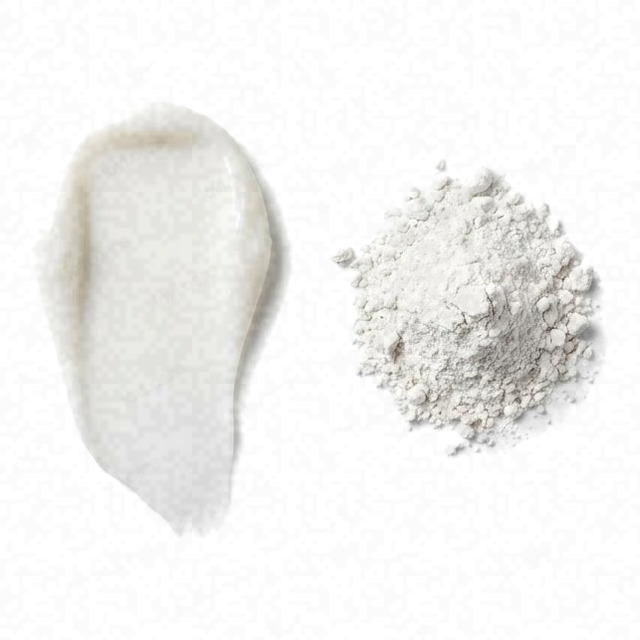 Zinc Oxide
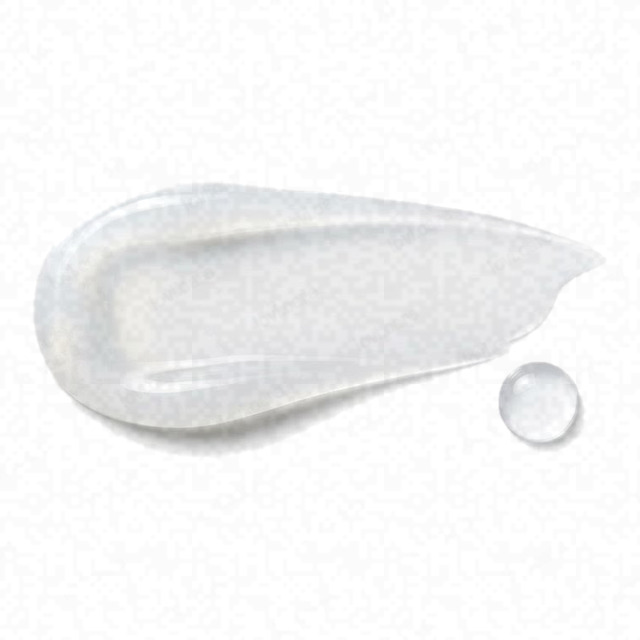 Dimethicone
 Glycerin
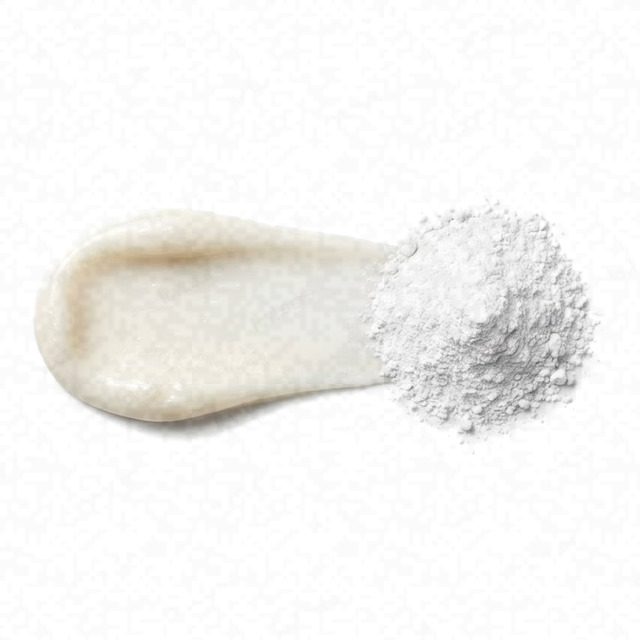 Titanium Dioxide
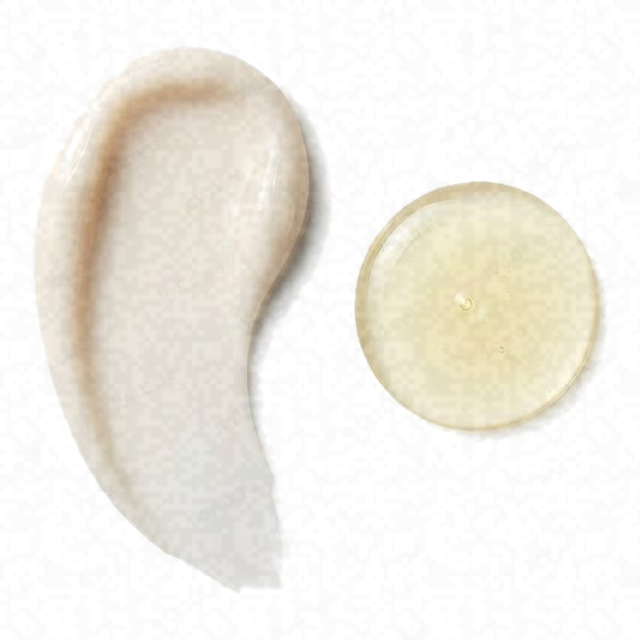 Ethylhexyl Methoxycinnamate
High
- HighCombination Skin Fit
- HighEffectiveness
- HighSafety
A great choice for acne-prone skin; a few sunscreens fit it even better.
This fit is calculated for the concerns frequently associated with acne-prone skin: breakouts, blackheads, and post-acne marks. For scores and recommendations based on your full skin profile, including your 12D face scan results and any goals or preferences you have, please use the Lovi app.
Page built Nov 8, 2026How the Fit score works
Lovi Assistant explains
- High suitability for your combination skin is provided by Glycerin and Sodium Acetylated Hyaluronate, which offer balancing hydration without overwhelming oily areas.
- Camellia Sinensis Leaf Extract and Aloe Barbadensis Leaf Extract offer soothing benefits, though they do not specifically target your acne, blemishes, and breakouts.
- The product is safe for your skin, with no risks of irritation due to the absence of harsh ingredients and the presence of soothing components.
How to apply
- Apply this moisturizing sunscreen AM every morning as the final step of your daily routine.
- Layer the moisturizing sunscreen after your moisturizer has fully absorbed, right before heading out into the sun .
- Smooth a nickel-sized amount of the moisturizing sunscreen evenly over your face, avoiding harsh rubbing.
- Apply the moisturizing sunscreen onto clean, dry skin to ensure even coverage and protection.
- Perform a patch test before first use and avoid direct contact with the eyes.
People Say
★4.6Overall rating based on 5.0k+ reviewsBased on a very large amount of data, this sunscreen is highly recommended by users with oily and combination skin for its lightweight, milky texture that provides a soft matte finish without greasiness. However, users with dry skin report it can be too drying, and those with medium-to-deep skin tones often notice a white cast. It is also frequently mentioned as being expensive and difficult to remove.
Highlights
Lightweight texture Mostly Mentioned
- “Milky fluid”
- “very runny”
- “spreads easily”
- “absorbs instantly”
High protection Often Mentioned
- “Waterproof”
- “sweat-resistant”
- “prevented sunburn”
- “Auto Booster technology”
Matte finish Often Mentioned
- “Soft velvet feel”
- “powdery finish”
- “primer-like”
- “non-sticky”
High price point Often Mentioned
- “Expensive”
- “pricey”
- “small bottle”
- “investment”
Controls oil Sometimes Noted
- “Controls sebum”
- “not greasy”
- “stays matte all day”
- “good for humid weather”
Can be drying Sometimes Noted
- “Clings to dry patches”
- “too powdery”
- “drying for dry skin”
- “tight feeling”
Difficult removal Sometimes Noted
- “Hard to wash off”
- “requires double cleansing”
- “stays on skin”
- “needs oil cleanser”
Leaves white cast Sometimes Noted
- “Faint white cast”
- “tone-up effect”
- “visible on tan skin”
- “ghostly on deep skin”
Strong fragrance Rarely Noted
- “Floral scent”
- “alcohol smell”
- “citrus fragrance”
- “overpowering”
Sources: lovi.care, influenster.com, yesstyle.com, stylevana.com, skinsort.com, reddit.com, and more
Questions and answers
What makes Anessa Perfect UV Sunscreen Milk a great fit for acne-prone skin?
Anessa Perfect UV Sunscreen Skincare Milk is a great fit because glycerin and sodium acetylated hyaluronate provide balancing hydration without overwhelming oily areas. Soothing ingredients like camellia sinensis leaf extract and aloe barbadensis leaf extract help calm the skin, and the formula is unlikely to cause irritation.
Clinical, Cosmetic and Investigational Dermatology, 2019Clinical, Cosmetic and Investigational Dermatology, 2017
Which ingredients make this sunscreen a good fit for acne-prone skin?
This sunscreen is a great fit for your acne-prone skin because Glycerin and Sodium Acetylated Hyaluronate provide balanced hydration without making oily areas feel heavy. Additionally, soothing ingredients like Camellia Sinensis Leaf Extract and Aloe Barbadensis Leaf Extract help calm your skin with very low risks of irritation.
Clinical, Cosmetic and Investigational Dermatology, 2017Clinical, Cosmetic and Investigational Dermatology, 2019
What does Zinc Oxide do for acne-prone skin?
Zinc oxide helps calm acne-prone skin by reducing breakouts, redness, and the bacteria linked to pimples. Studies show that using it on your skin is generally safe and unlikely to cause irritation.
What does Dimethicone do for acne-prone skin?
Dimethicone forms a light, breathable layer on the skin that helps hold in moisture without feeling heavy or greasy. It is generally safe for acne-prone skin, though it does not treat acne itself.
Where does this sunscreen go in a skincare routine for acne-prone skin?
This sunscreen goes as the last step of your morning skincare routine, right after your moisturizer. It is unlikely to cause irritation on your acne-prone skin, as it contains soothing ingredients like aloe and green tea extract.
Clinical Pharmacology, 2018Clinical, Cosmetic and Investigational Dermatology, 2019
Can I use this sunscreen with retinol, and in what order?
Yes, you can use this sunscreen with retinol by applying your retinol first, letting it absorb, and then putting on the sunscreen as the last step of your morning routine. This product is a great fit for acne-prone skin because it provides balancing hydration without feeling heavy on oily areas.
How often should I use this sunscreen?
Use this sunscreen every morning as the final step of your daytime skincare routine. It is safe for your skin and is unlikely to cause irritation.
Can this sunscreen clog pores, cause breakouts or purging for acne-prone skin?
This sunscreen is unlikely to clog pores or cause breakouts for acne-prone skin because it has a great fit and avoids harsh ingredients. It also contains soothing green tea and aloe extracts that help keep skin calm without feeling heavy or oily.
Clinical, Cosmetic and Investigational Dermatology, 2019Archives of Dermatological Research, 2024
Is this sunscreen fragrance-free and alcohol-free?
It has no fragrance and contains drying alcohol (alcohol and isopropyl alcohol).
What the research says
A single application of a moisturizing fluid containing hyaluronic acid 1%, glycerin 5%, and Centella asiatica stem cells extract significantly increased skin hydration by 29% and reduced transepidermal water loss at 24 hours compared to baseline and an untreated control site in twenty healthy women.
Clinical, Cosmetic and Investigational Dermatology, 2017A cream combining propolis, tea tree oil, and Aloe vera reduced erythema scars, acne severity index, and total lesion count better than erythromycin cream in sixty patients with mild to moderate acne vulgaris compared to placebo.
Clinical Pharmacology, 2018An anti-acne hydrogel containing Aloe barbadensis, Garcinia mangostana, and Camellia sinensis extracts showed superior antiacne and antiblotch activities compared to 1% clindamycin gel in sixty subjects with mild-moderate acne.
Clinical, Cosmetic and Investigational Dermatology, 2019The application of a sunscreen formulation containing ethylhexyl methoxycinnamate, ethylhexyl salicylate, methyl anthranilate, and octocrylene does not significantly affect critical acne-related species such as Cutibacterium acnes and Staphylococcus epidermidis, refuting the induction of facial dysbiosis in men.
Archives of Dermatological Research, 2024Topical 0.5% hyaluronic-ZnO nanogel applied twice daily reduced inflammatory-lesion counts by 58% at week four in human subjects compared to baseline without causing erythema.
Biomedicines, 2025Nels cream achieved a similar reduction in inflammatory and noninflammatory lesion counts compared to 5% benzoyl peroxide in acne vulgaris patients, but caused significantly fewer side-effects such as peeling and dryness.
Clinical and Experimental Dermatology, 2000Topically applied coated and uncoated zinc oxide nanoparticles under flexing and massage are retained in the stratum corneum with no significant penetration into the viable epidermis and no cellular toxicity in human skin.
Nanomedicine, 2016Wearing an N95 mask alone compared to using dimethicone cream or hydrocolloid dressing caused more adverse skin reactions among 73 military health care workers, with no significant differences in fit test failure rates between groups.
Military Medicine, 2024A dimethicone skin protectant lotion significantly decreased visual scoring and transepidermal water loss compared to vehicle control and SLS-only treated sites in 12 healthy humans exposed to sodium lauryl sulfate.
Skin Research and Technology, 2000Treatment with a moisturizer containing dimethicone and glycerine increased epidermal thickness by 0.019 mm, improved barrier function by decreasing transepidermal water loss by 13%, decreased melanin intensity, and induced keratins 6 and 16 in fifteen women with moderately photoaged forearms.
Clinical and Experimental Dermatology, 2007The emollient V0034CR significantly reduced TEWL compared to vehicle and vehicle plus glycerol, and significantly increased corneometry scores compared to vehicle and vehicle plus petrolatum in healthy volunteers with dry skin, demonstrating combined barrier function improvement from petrolatum and hydration improvement from glycerol.
Journal of Cosmetic Dermatology, 2020Ten days of treatment with a cream containing 20% glycerin significantly increased skin hydration measured by corneometer values in 17 healthy volunteers compared to a placebo cream, but showed no influence on transepidermal water loss or skin sensitivity to an irritating surfactant.
International Journal of Cosmetic Science, 2001Niacinamide/glycerin body moisturizers provided better rapid and prolonged improvement of cosmetic xerosis through functional improvement of stratum corneum barrier function compared to no treatment and conventional moisturizers in female subjects.
Journal of Drugs in Dermatology, 2012Microfine titanium dioxide does not penetrate human skin when formulated in an oil-in-water emulsion with the pigment dispersed in the aqueous phase, compared to oily dispersions and liposomal encapsulation which allow deeper skin penetration.
International Journal of Cosmetic Science, 2000Replacing microsized titanium dioxide and zinc oxide with nanoparticles in sunscreens eliminates opaqueness and alters UV protection balance while inducing (photo)cyto- and genotoxicity and penetrating viable skin layers during long-term exposures.
Nanotechnology, Science and Applications, 2011Microfine zinc oxide and titanium dioxide do not penetrate the stratum corneum of porcine skin in vitro, indicating that their use in sunscreens does not pose a health risk from internal exposure.
Toxicology in Vitro, 2006Replacing 20% of the chemical UV filter octyl methoxycinnamate with urucum oil in solid lipid nanoparticles maintained the skin protection factor without inducing toxic responses or significant skin penetration in human volunteers.
Skin Pharmacology and Physiology, 2018Liposomal encapsulation of octyl methoxycinnamate increases its safety, skin affinity, and in vivo solar photoprotection factor while slowing its release and enhancing retention in the stratum corneum compared to a conventional formulation.
International Journal of Nanomedicine, 2013Encapsulation of ethylhexyl methoxycinnamate and butyl methoxydibenzoylmethane in lipid microparticles significantly reduced their in vivo human skin penetration compared to nonencapsulated filters.
Skin Pharmacology and Physiology, 2011
Ingredients
Dimethicone, Water, Zinc Oxide, Alcohol, Ethylhexyl Methoxycinnamate, Talc, Isododecane, Diisopropyl Sebacate, Octocrylene, Titanium Dioxide, Peg-9 Polydimethylsiloxyethyl Dimethicone, Diethylamino Hydroxybenzoyl Hexyl Benzoate, Glycerin, Vinyl Dimethicone Methicone Silsesquioxane Crosspolymer, Silica, Dextrin Palmitate, Xylitol, Trimethylsiloxysilicate, Bis-Ethylhexyloxyphenol Methoxyphenyl Triazine, Peg Ppg-14 7 Dimethyl Ether, Sodium Chloride, Camellia Sinensis Leaf Extract, Prunus Speciosa Leaf Extract, Rosa Canina Fruit Extract, Sodium Acetylated Hyaluronate, Potentilla Erecta Root Extract, Aloe Barbadensis Leaf Extract, Water-Soluble Collagen, Ppg-17, Triethoxycaprylylsilane, Isostearic Acid, Distearyldimonium Chloride, Disteardimonium Hectorite, Aluminum Hydroxide, Stearic Acid, Trisodium Edta, Bht, Tocopherol, Isopropyl Alcohol, Butylene Glycol, Sodium Metabisulfite, Phenoxyethanol
Behind this fit score
Lovi calculates every fit score from the full ingredient list with brand-independent rules our dermatologists and cosmetic chemists build and review, and personalizes every pick with AI trained on the real results of millions of users. Lovi trains its fit score models on a proprietary dataset built from more than 10,000 expert-labeled products and more than 100,000 simulated examples, following an internally consistent methodology presented at Cosmoprof, AMWC, and Skin of Color Update.
-

Co-founder, Medical Director
Cosmetic chemist, cosmetologist, aesthetic products developer
-

Co-founder, CEO and CTO
PhD in computer science, 3x US patent holder, ex-Google, ex-Yandex
-

Dr. Sofía Perea Pérez, MD, MSc
Medical Board
Aesthetic medicine practitioner, MSc in Longevity and Anti-Aging Medicine
-

Medical Board
Specialist dermatologist, MBBS, MD, IFAAD
-

Medical Board
Cosmetic chemist, SCS, IFSCC member
-

Medical Board, Medical Advisor
Dermatology MD
-

Elina Nazarenko, MD
Medical Board
Dermatology and diagnostic consultant
-

Victoria Derkova, MS
Medical Board
Cosmetic chemist, cosmetic development technologist


How does it fit your skin?
Scan your face, then any product: Lovi shows how well it fits you and what fits even better.