
ZO Skin Health Firming Serum for oily acne-prone skin

 Retinyl Palmitate
 Sodium Dna
 Caprooyl Tetrapeptide-3
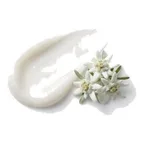 Leontopodium Alpinum Meristem Cell Culture
 Tocopheryl Acetate
High
- HighOily Skin Fit
- HighEffectiveness
- ExcellentSafety
A great choice for oily acne-prone skin; a few serums fit it even better.
This fit is calculated for the concerns frequently associated with oily acne-prone skin: shine, breakouts, blemishes, and enlarged pores. For scores and recommendations based on your full skin profile, including your 12D face scan results and any goals or preferences you have, please use the Lovi app.
Updated How the Fit score works
Lovi Assistant explains
- Offers firming and tightening effects for your oily skin, as Caprooyl Tetrapeptide-3 and Leontopodium Alpinum Meristem Cell Culture support skin renewal and collagen production, addressing your concerns with acne and breakouts.
- Retinyl Palmitate further aids in treating blemishes and oiliness by promoting skin cell turnover, while Glycerin and Propanediol provide essential hydration without adding excess oil.
- The product is safe for your skin, with no risks of irritation due to the absence of harsh ingredients and the inclusion of soothing components like Glycerin and Tocopheryl Acetate.
How to apply
- Could be used as part of your PM routine. Start 3 times a week and build up to daily use if your skin tolerates it well.
- Apply your serum after cleansing and toning, but before putting on your moisturizer.
- Gently press 2 to 3 drops of the serum into your skin and let it absorb for a minute.
- Apply the serum on clean, dry skin to help manage your blemishes safely.
- Do a patch test before your first use and avoid the delicate eye area.
People Say
★4.5Overall rating based on 300+ reviewsThis product is highly praised for its ability to visibly lift, tighten, and improve the structural integrity of aging skin. Users across various skin types report that the lightweight, hydrating formula effectively reduces the appearance of sagging jowls and fine lines, resulting in a more defined and youthful facial contour.
Highlights
Visible firming Mostly Mentioned
- “My jowls don't bother me as much.”
- “Finally got that much-needed lift.”
- “Marionette lines appear less pronounced.”
- “Visibly tightens and firms the skin.”
Lightweight texture Often Mentioned
- “Lightweight and tolerable formulation.”
- “Gel formula, super hydrating without heaviness.”
- “Absorbs quickly, feels amazing.”
Expensive product Often Mentioned
- “I just wish it weren't so expensive!”
- “Even though it's expensive I love it.”
- “Price is a bit high for the amount.”
Improves texture Sometimes Noted
- “Skin feels smoother, wrinkles reduced.”
- “Skin quality improved greatly.”
- “Skin feels hydrated and plump.”
Minimal results Rarely Noted
- “Actives are not the most effective.”
- “Effect is most likely minimal.”
- “Hard to photograph results.”
Sources: lovi.care, zoskinhealth.com, judge.me, myfacedr.com, uzuriaesthetics.com, whatsinmyjar.com, and more
Questions and answers
What makes ZO Firming Serum a great fit for oily acne-prone skin?
ZO Skin Health Firming Serum is a great fit because it offers firming and tightening effects while helping with breakouts and excess oil through ingredients like Retinyl Palmitate and plant extracts that support skin renewal. It also provides essential hydration without feeling heavy or greasy, and it maintains a safe profile for oily acne-prone skin without causing irritation.
Which ingredients make this serum a good fit for oily acne-prone skin?
This serum is a great fit because Caprooyl Tetrapeptide-3 and Leontopodium Alpinum Meristem Cell Culture support skin renewal and collagen to help with breakouts. Retinyl Palmitate further helps treat blemishes and oiliness, while Glycerin and Propanediol provide hydration without adding excess oil.
What does Sodium DNA do for oily acne-prone skin?
Sodium DNA helps calm oily, acne-prone skin by reducing inflammation and promoting skin regeneration. It may also help manage enlarged pores caused by excess oil and breakouts.
Molecular Medicine Reports, 2023Skin Research and Technology, 2024
Where does this serum go in a skincare routine for oily acne-prone skin?
This serum goes in the evening routine after cleansing and before moisturizing, making it simple and safe for your skin. It helps firm and tighten oily skin while addressing breakouts and oiliness without adding extra oil.
Can I use this serum with retinol, and in what order?
You can use this serum with retinol by applying this treatment first in your evening routine, followed by your retinol. This product helps support skin renewal and manages breakouts without adding excess oil, and it is unlikely to cause irritation when paired thoughtfully.
How often should I use this serum?
Use this treatment in the evening, as Lovi routines place treatments at night for simplicity and extra safety around sun exposure. It is safe for your skin and is unlikely to cause irritation.
Can this serum clog pores, cause breakouts or purging for oily acne-prone skin?
This serum is unlikely to clog pores, cause breakouts, or lead to purging, as it is a great fit for oily acne-prone skin and provides hydration without adding excess oil. Its ingredients help renew skin and support clear pores while avoiding harsh components that could irritate your skin.
What the research says
Leontopodium alpinum callus culture extract improved anti-periorbital wrinkles, skin elasticity, dermal density, skin thickness, antioxidant activity, and moisturizing activity while suppressing inflammation and wrinkling compared to placebo and in response to UVB treatment.
Genes, 2020Retinyl palmitate ethosomal hydrogel reduced non-inflammatory and total acne lesion counts significantly better than marketed tretinoin while improving tolerability with minimal skin irritation in patients with acne vulgaris.
International Journal of Nanomedicine, 2021A single application of a moisturizing fluid containing hyaluronic acid 1%, glycerin 5%, and Centella asiatica stem cells extract significantly increased skin hydration by 29% and reduced transepidermal water loss at 24 hours compared to baseline and an untreated control site in twenty healthy women.
Clinical, Cosmetic and Investigational Dermatology, 2017Topical application of 1,3-propanediol at various concentrations, alone or combined with butylene glycol and/or glycerol, increased skin hydration and reduced trans epidermal water loss in 30 healthy female subjects over an 8-hour period, with the 15% concentration and the addition of glycerol providing greater benefits.
International Journal of Cosmetic Science, 2024Topical bakuchiol 0.5% applied twice daily compared with retinol 0.5% applied daily significantly decreased wrinkle surface area and hyperpigmentation with no statistical difference between the compounds in 44 patients over 12 weeks, while retinol users reported more facial skin scaling and stinging.
The British Journal of Dermatology, 2019Topical 0.3% and 1% retinol comparably improved biomarkers of cutaneous photoageing in photoaged volunteers, while 0.3% retinol demonstrated better tolerance with fewer and milder adverse events compared to 1% retinol in a daily escalation regimen.
International Journal of Cosmetic Science, 2022Daily application of 0.3% and 0.5% retinol serums in 37 volunteers over 12 weeks reduced skin hyperpigmentation, unevenness, and wrinkles on both sides of the face, with the 0.5% concentration causing more frequent and intense skin irritation.
Skin Pharmacology and Physiology, 2020Topical application of photolyase-containing liposomes followed by photoreactivating light decreased UVB-induced dimers by 40-45% and prevented immunosuppression, erythema, and sunburn-cell formation in healthy human subjects.
Proceedings of the National Academy of Sciences of the United States of America, 2000Topical delivery of keratinocyte growth factor-1 DNA plasmid significantly increased epithelial thickness (26 ± 2 versus 16 ± 4 µm) and skin strength compared with the control vector group.
Molecular Therapy, 2014Leontopodium alpinum callus culture extract at 10-15 mg/mL promoted COL-I production and inhibited MMP-1, OPN3, ROS, and calcium influx in a blue-light-induced human foreskin fibroblast damage model, indicating an anti-blue-light-damage effect through the OPN3-calcium pathway.
Molecules, 2023A concentrated ethanol extract of Edelweiss callus culture (ECC55) protected primary human keratinocytes and endotheliocytes against various inflammatory and oxidative stimuli by inhibiting chemokine release, restoring sirtuin-inhibited cellular markers, and suppressing inflammation-related gene expression.
Mediators of Inflammation, 2012Leontopodic acid A effectively boosted COI-1 expression, hindered MMP-1 expression, curbed ROS and Ca2+ endocytosis, and reduced OPN3 expression in human foreskin fibroblasts to protect against blue light damage.
Molecules, 2023Topical application of an antioxidant serum containing 15% ascorbic acid, 0.5% ferulic acid, and 1% tocopherol prevented particulate matter-induced degradation of extracellular matrix components, inflammation, and oxidative stress in the skin of 15 female volunteers compared to untreated controls.
Journal of Cosmetic Dermatology, 2025Dermatological products containing d-alpha tocopheryl acetate showed non-comedogenic potential with less than a 50% increase in microcomedones in 12 healthy male subjects compared to octyl palmitate.
Contemporary Clinical Trials Communications, 2021Topical application of an antioxidant mix containing 15% ascorbic acid, 0.5% ferulic acid, and 1% tocopherol prevented PM and UV-induced skin barrier perturbation, lipid peroxidation, inflammatory markers, MMP9 activation, and Type I collagen loss in 15 healthy females compared to untreated exposed skin.
Journal of Cosmetic Dermatology, 2024
Ingredients
Water, Glycerin, Propanediol, Dipropylene Glycol, Sodium Dna, Leontopodium Alpinum Meristem Cell Culture, Marrubium Vulgare Meristem Cell Culture, Melilotus Officinalis Extract, Tocopheryl Acetate, Retinyl Palmitate, Caprooyl Tetrapeptide-3, Lecithin, Dextran, Hydroxypropyl Methylcellulose, Carbomer, Aminomethyl Propanol, Cellulose, Polysorbate 20, Caprylyl Glycol, Lactose, Ethylhexylglycerin, Hexylene Glycol, Disodium Edta, Citric Acid, Phenoxyethanol, Parfum, Ultramarines, Ext, Violet 2, Limonene
Behind this fit score
Lovi calculates every fit score from the full ingredient list with brand-independent rules our dermatologists and cosmetic chemists build and review, and personalizes every pick with AI trained on the real results of millions of users. Lovi trains its fit score models on a proprietary dataset built from more than 10,000 expert-labeled products and more than 100,000 simulated examples, following an internally consistent methodology presented at Cosmoprof, AMWC, and Skin of Color Update.
-

Co-founder, Medical Director
Cosmetic chemist, cosmetologist, aesthetic products developer
-

Co-founder, CEO and CTO
PhD in computer science, 3x US patent holder, ex-Google, ex-Yandex
-

Dr. Sofía Perea Pérez, MD, MSc
Medical Board
Aesthetic medicine practitioner, MSc in Longevity and Anti-Aging Medicine
-

Medical Board
Specialist dermatologist, MBBS, MD, IFAAD
-

Medical Board
Cosmetic chemist, SCS, IFSCC member
-

Medical Board, Medical Advisor
Dermatology MD
-

Elina Nazarenko, MD
Medical Board
Dermatology and diagnostic consultant
-

Victoria Derkova, MS
Medical Board
Cosmetic chemist, cosmetic development technologist


How does it fit your skin?
Scan your face, then any product: Lovi shows how well it fits you and what fits even better.