
Youth To The People Polypeptide-121 Future Cream for oily acne-prone skin

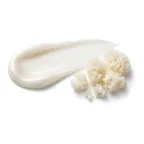 Biotech Collagen
 Hydrolyzed Hyaluronic Acid
 Niacinamide
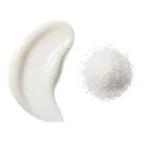 Acetyl Tetrapeptides
 Aloe Barbadensis Leaf Juice
Average
- AverageOily Skin Fit
- HighEffectiveness
- ExcellentSafety
Works for oily acne-prone skin; other moisturizers fit it better.
This fit is calculated for the concerns frequently associated with oily acne-prone skin: shine, breakouts, blemishes, and enlarged pores. For scores and recommendations based on your full skin profile, including your 12D face scan results and any goals or preferences you have, please use the Lovi app.
Updated How the Fit score works
Lovi Assistant explains
- Offers moderate suitability for oily skin as niacinamide helps regulate sebum and panthenol provides humectant action, though stronger oil-controlling ingredients would enhance results for your acne and blemishes.
- Hydrolyzed hyaluronic acid and sh-polypeptide-121 offer excellent moisturizing and texture-smoothing benefits, supporting overall skin health for your oily skin.
- The product is safe for your skin, with aloe barbadensis leaf juice and bisabolol providing soothing effects and no harsh ingredients present.
How to apply
- Use this AM and PM routine every day to help clear your skin. Always remember to finish with SPF in the morning.
- Apply the moisturizer after your cleanser and toner, right before your SPF during the day.
- Gently press a small amount into your skin and avoid rubbing to keep pores clear.
- Apply on clean, slightly damp skin to help the product absorb better and control oil.
- Avoid the sensitive eye area and do a simple patch test before your first use.
People Say
★4.6Overall rating based on 1.3k+ reviewsBased on a very large amount of data, users with dry and sensitive skin frequently praise this cream for its ability to provide deep, long-lasting hydration without feeling heavy, often describing a "dewy" and "plump" finish. Many appreciate its barrier-strengthening ingredients and lightweight texture under makeup. Some users with oily or acne-prone skin experienced breakouts, and others found the price point too high for the amount of product provided.
Highlights
Deep hydration Mostly Mentioned
- “instantly hydrating”
- “leaves skin dewy”
- “plump and soft”
- “glass of water”
Lightweight texture Mostly Mentioned
- “absorbs quickly”
- “bouncy gel-like feel”
- “not greasy”
- “feels weightless”
Makeup compatibility Often Mentioned
- “great makeup primer”
- “sits well under makeup”
- “no pilling”
- “smooth base”
Expensive for size Often Mentioned
- “too expensive”
- “pricey for amount”
- “small jar”
Soothing formula Sometimes Noted
- “calms redness”
- “strengthens barrier”
- “non-irritating”
- “good for sensitive skin”
Unpleasant scent Sometimes Noted
- “weird smell”
- “smells like plastic”
- “bad natural scent”
- “funky odor”
Caused breakouts Rarely Noted
- “caused cystic acne”
- “broke me out”
- “clogged pores”
- “not for acne-prone”
Unhygienic packaging Rarely Noted
- “open jar”
- “needs a pump”
- “dip fingers in”
- “messy container”
Sources: lovi.care, youthtothepeople.com, sephora.co.uk, cultbeauty.co.uk, skinsort.com, reddit.com, and more
Questions and answers
How well does Youth To The People Future Cream work for oily acne-prone skin?
Youth To The People Polypeptide-121 Future Cream works moderately well for oily acne-prone skin, as niacinamide helps control oil and panthenol adds lightweight hydration while feeling safe and soothing. To work best for this skin type, a product of this type needs stronger oil-controlling ingredients to manage acne and blemishes.
American Journal of Clinical Dermatology, 2002The Journal of Dermatological Treatment, 2017
Which ingredients make this cream a good fit for oily acne-prone skin?
Niacinamide and panthenol make this cream a good fit for oily acne-prone skin because niacinamide helps balance oil while panthenol draws in moisture without clogging pores. To work best for this skin type, a product of this type needs stronger oil-controlling ingredients to manage acne and blemishes.
American Journal of Clinical Dermatology, 2002The Journal of Dermatological Treatment, 2017
What does Biotech Collagen do for oily acne-prone skin?
Biotech Collagen helps hydrate oily, acne-prone skin without feeling heavy or greasy, keeping your face soft and smooth. This type of product needs light, oil-free ingredients that add moisture without clogging pores or causing breakouts.
What does Hydrolyzed Hyaluronic Acid do for oily acne-prone skin?
Hydrolyzed hyaluronic acid helps keep oily, acne-prone skin hydrated without clogging pores or triggering irritation, making it suitable for daily use. It is unlikely to cause breakouts and may help calm the skin.
Where does this cream go in a skincare routine for oily acne-prone skin?
This moisturizing treatment goes near the end of your morning and evening routines, right before sunscreen in the morning. While it provides moderate suitability with niacinamide and panthenol, this skin type needs stronger oil-controlling ingredients to properly target acne and blemishes.
International Journal of Cosmetic Science, 2020American Journal of Clinical Dermatology, 2002
Can I use this cream with retinol, and in what order?
You can use this cream with retinol by applying it after your retinol treatment to help soothe your skin and keep it comfortable. A product of this type works well for oily acne-prone skin when it includes stronger oil-controlling ingredients to manage breakouts.
How often should I use this cream?
You can use this moisturizing treatment twice a day as part of your morning and evening routine. Daily application helps keep your skin hydrated and smooth.
Journal of Cosmetic Dermatology, 2020Health Science Reports, 2021
Can this cream clog pores, cause breakouts or purging for oily acne-prone skin?
This cream works moderately well for oily acne-prone skin, though it may occasionally cause breakouts for some users. To better control oil and manage blemishes, this skin type needs products with stronger oil-clearing and blemish-fighting ingredients.
Can I use this cream around the eyes or on my body?
This moisturizing treatment is safe to use on the body and around the eyes, where skin is notably thin. Its gentle ingredients like hydrolyzed hyaluronic acid and aloe barbadensis leaf juice help hydrate and soothe delicate areas without irritation.
Is this cream fragrance-free and alcohol-free?
It has no drying alcohol and contains fragrance (benzyl alcohol). Cetearyl alcohol is a fatty alcohol, which soften the skin.
What the research says
Topical dexpanthenol acts as a moisturizer, improves stratum corneum hydration, accelerates wound healing and epidermal regeneration, reduces erythema, and improves symptoms of skin irritation compared to vehicle or no pretreatment.
American Journal of Clinical Dermatology, 2002A new topical panthenol-containing emollient significantly improved transepidermal water loss reduction, stratum corneum hydration, and intercellular lipid lamellae length compared with control in healthy subjects without negatively impacting bacterial viability.
The Journal of Dermatological Treatment, 2017Polyelectrolyte nanocomplexes of quaternized cyclodextrin grafted chitosan and low molecular weight hyaluronic acid improved skin texture and elasticity by increasing skin hydration in clinical evaluation.
Colloids and Surfaces. B, Biointerfaces, 2022A cream combining propolis, tea tree oil, and Aloe vera reduced erythema scars, acne severity index, and total lesion count better than erythromycin cream in sixty patients with mild to moderate acne vulgaris compared to placebo.
Clinical Pharmacology, 2018Topical application of TAC/Collagen postbiotics gel improved skin moisture score and inflammation index, and reduced porphyrins and brown spots in 20 volunteers with acne vulgaris.
Journal of Cosmetic Dermatology, 2022Topical collagen tripeptide application improved skin wrinkles, elasticity, and density while reducing advanced glycated end products in 22 Asian women over 4 weeks.
International Journal of Molecular Sciences, 2022Marine collagen extracted from Greenland halibut skin showed a non-cytotoxic effect on fibroblast cells and provided a slight skin hydration effect when incorporated into cosmetic hydrogel formulations at dosages of 0.1, 0.25, and 0.5% in 23 healthy volunteers.
Marine Drugs, 2023Topical application of 0.1% hyaluronic acid formulations of different molecular weights led to significant improvements in skin hydration and elasticity, with low-molecular-weight formulations also significantly reducing wrinkle depth in seventy-six female subjects compared to a vehicle control.
Journal of Drugs in Dermatology, 2011Topical hyaluronic acid serum used twice daily by 40 females with facial photoaging produced an immediate 134% increase in skin hydration, a sustained 55% increase at week 6, and significant improvements in smoothness, plumping, fine lines, wrinkles, and global appearance without causing irritation.
Dermatology and Therapy, 2021A topical antioxidant serum significantly reduced air pollution-induced skin pigmentation and proinflammatory gene expression ex vivo, and improved skin aging signs in 40 healthy adult females after 90 days of daily use.
Journal of Cosmetic Dermatology, 2022Topical nicotinamide prevented solar-simulated UV-induced immunosuppression in healthy volunteers, and men experienced immunosuppression at solar-simulated UV doses three times lower than those required for women.
The Journal of Investigative Dermatology, 2008Topical 5% niacinamide applied twice daily for 12 weeks reduced fine lines and wrinkles, hyperpigmented spots, red blotchiness, and skin sallowness, and improved skin elasticity compared to vehicle control in 50 female white subjects with facial photoaging.
Dermatologic Surgery, 2005Topical 2% niacinamide significantly decreased sebum excretion rate in Japanese individuals and casual sebum levels in Caucasian individuals compared to placebo or baseline.
Journal of Cosmetic and Laser Therapy, 2006Formulations containing 0.10%, 0.25%, and 0.50% freeze-dried Aloe vera extract increased stratum corneum water content compared with the vehicle in 20 female subjects, while transepidermal water loss was not modified.
Skin Research and Technology, 2006Kombucha-mediated fermentation of aloe vera gel for 10 and 20 days enhanced its phenolic and flavonoid content, antioxidant capacity, cytoprotective effects, enzyme inhibition against collagenase, elastase, and hyaluronidase, and moisturizing properties compared to unfermented gel.
Molecules, 2025Aloe vera gel phenolic and polysaccharide extracts demonstrated distinct wound-healing properties in vitro, with the phenolic extract exhibiting anti-inflammatory, antioxidant, and fibroblast-stimulating effects, and the polysaccharide extract showing enhanced collagen synthesis and antibacterial activity against Staphylococcus aureus.
Journal of Functional Biomaterials, 2024
Why other moisturizers fit oily acne-prone skin better
Co-delivery of paeonol and madecassoside via nanoemulsions improved transdermal delivery, promoted barrier repair proteins, inhibited inflammatory cytokine secretion in cellular and 3D models, and reduced transepidermal water loss and acne in human facial skin compared to free components.
Molecules, 2023A facial serum containing snail secretion filtrate, Calendula officinalis, and Glycyrrhiza glabra root extract significantly reduced inflammatory acne lesions compared to placebo in 66 participants with mild-to-moderate maskne over 12 weeks.
Journal of Cosmetic Dermatology, 2022
Ingredients
Water, Dicaprylyl Carbonate, Hydrolyzed Hyaluronic Acid, Trimethylolpropane Tricaprylate Tricaprate, Tridecyl Trimellitate, Propanediol, Sh-Polypeptide-121, Polyglyceryl-3 Methylglucose Distearate, Panthenol, Niacinamide, Proline, Tocopheryl Acetate, Aloe Barbadensis Leaf Juice, Hydrolyzed Cannabis Sativa Seed Extract Cannabis Sativa Seed Extract, Hydrolyzed Rice Protein, Hydrolyzed Pea Protein, Salvia Hispanica Seed Extract, Acetyl Tetrapeptide-11, Acetyl Tetrapeptide-9, Acetyl Tetrapeptide-2, Hibiscus Sabdariffa Fruit Extract, Ammonium Acryloyldimethyltaurate Beheneth-25 Methacrylate Crosspolymer, Hydrolyzed Linseed Seed, Castor Ipdi Copolymer Oil, Ceramide Ap, Ceramide Np, Cetearyl Alcohol, Cetearyl Glucoside, Glycerin, Hydrolyzed Sodium Hyaluronate, Coco-Caprylate Caprate, Dilinoleic Acid Propanediol Pdi Crosspolymer, Benzyl Alcohol, Zingiber Officinale Root Extract, Bisabolol, Caprylyl Glycol, Carbomer, Dimethyl Isosorbide, Dipropylene Glycol, Erythritol, Ethylhexylglycerin, Glucose, 1,2-Hexanediol, Trisodium Ethylenediamine Disuccinate, Glyceryl Monostearate, Phytosphingosine, Polyacrylate Crosspolymer-6, Polysorbate 20, Caprylhydroxamic Acid, Potassium Sorbate, Glycine, Hydroxyacetophenone, Sodium Benzoate, T-Buty Alcohol, Citric Acid, Sodium Citrate, Sodium Lactate, Triheptanoin, Xanthan Gum
Behind this fit score
Lovi calculates every fit score from the full ingredient list with brand-independent rules our dermatologists and cosmetic chemists build and review, and personalizes every pick with AI trained on the real results of millions of users. Lovi trains its fit score models on a proprietary dataset built from more than 10,000 expert-labeled products and more than 100,000 simulated examples, following an internally consistent methodology presented at Cosmoprof, AMWC, and Skin of Color Update.
-

Co-founder, Medical Director
Cosmetic chemist, cosmetologist, aesthetic products developer
-

Co-founder, CEO and CTO
PhD in computer science, 3x US patent holder, ex-Google, ex-Yandex
-

Dr. Sofía Perea Pérez, MD, MSc
Medical Board
Aesthetic medicine practitioner, MSc in Longevity and Anti-Aging Medicine
-

Medical Board
Specialist dermatologist, MBBS, MD, IFAAD
-

Medical Board
Cosmetic chemist, SCS, IFSCC member
-

Medical Board, Medical Advisor
Dermatology MD
-

Elina Nazarenko, MD
Medical Board
Dermatology and diagnostic consultant
-

Victoria Derkova, MS
Medical Board
Cosmetic chemist, cosmetic development technologist


How does it fit your skin?
Scan your face, then any product: Lovi shows how well it fits you and what fits even better.