
Trilogy Vitamin C Ceramide Night Cream for combination skin

 Ceramide Iii
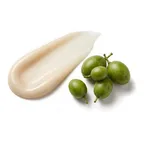 Terminalia Ferdinandiana
 Ascorbic Acid
 Aloe Barbadensis
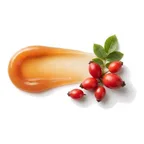 Rosehip Seed Oil
Average
- AverageCombination Skin Fit
- AverageEffectiveness
- HighSafety
Works for combination skin; other moisturizers fit it better.
This fit is calculated for the concerns frequently associated with combination skin: an oily T-zone, enlarged pores, and dry cheeks. For scores and recommendations based on your full skin profile, including your 12D face scan results and any goals or preferences you have, please use the Lovi app.
Updated How the Fit score works
Lovi Assistant explains
- Offers moderate moisturizing and treatment for your combination skin, as sodium ascorbyl phosphate and rosehip seed oil hydrate and smooth texture, but it lacks specialized ingredients to directly address oily shine.
- Glycerin and jojoba seed oil provide humectant action and nourishment, which are beneficial for combination skin, though stronger oil-controlling agents would enhance its suitability.
- The product has a good safety profile with no risks of irritation due to the absence of harsh ingredients and the presence of soothing components.
How to apply
- Use this moisturizer in your AM and PM routine every day to control shine. Always pair with SPF in the morning.
- Apply this moisturizer after your cleanser and toner, right before your morning SPF.
- Gently press a small amount of the moisturizer into your skin and avoid harsh rubbing. Let it ⏳absorb for a minute.
- Apply the moisturizer on slightly damp skin to help it lock in moisture better. This keeps your combination skin balanced.
- Avoid the eye area when applying the moisturizer. Do a patch test before your first use.
People Say
★4.4Overall rating based on 500+ reviewsThis night cream is highly effective for dry and dull skin types, with users reporting a brighter, more hydrated, and firmer complexion after consistent use. While many appreciate its rich, restorative texture, some users with different skin needs find it slightly too thick or heavy for their liking.
Highlights
Deeply hydrating Mostly Mentioned
- “Keeps skin moisturized”
- “deeply hydrates”
- “very hydrated”
Brightens complexion Often Mentioned
- “Wake to a glowing complexion”
- “skin radiates health”
- “promotes radiance”
Rich texture Often Mentioned
- “Luxuriously rich”
- “so rich and creamy”
- “buttery-rich texture”
Improves skin barrier Sometimes Noted
- “Supports regeneration of healthy skin barrier”
- “strengthens skin barrier”
Too thick/heavy Sometimes Noted
- “A little bit too thick”
- “heavy type of cream”
- “feels like skin can't breathe”
Leaves residue Rarely Noted
- “Does leave that kind of residue”
- “layer on the face”
Potential irritation Rarely Noted
- “Sting my skin a little”
- “skin doesn't like vitamin C”
Sources: lovi.care, chemistwarehouse.com.au, cloud10beauty.com, trilogyproducts.com.au, trilogyproducts.co.nz, prettystickbeauty.com, and more
Questions and answers
How well does Trilogy Vitamin C Ceramide Night Cream work for combination skin?
Trilogy Vitamin C Ceramide Night Cream is an average fit for your combination skin because it provides moderate hydration and smooths texture, but it lacks the specialized oil-controlling ingredients needed to directly address oily shine. A product of this type needs effective brightening ingredients, strong oil-controlling agents, and skin-balancing components to better manage excess oil while maintaining hydration.
Clinical, Cosmetic and Investigational Dermatology, 2017Skin Pharmacology and Physiology, 2026
Which ingredients make this cream a good fit for combination skin?
Glycerin, jojoba seed oil, sodium ascorbyl phosphate, and rosehip seed oil make this cream a good fit for combination skin because they hydrate and smooth texture. To work best for this skin type, this type of product also needs ingredients that control oily shine.
Clinical, Cosmetic and Investigational Dermatology, 2017Frontiers in Pharmacology, 2024
What does Ceramide III do for combination skin?
Ceramide III helps keep combination skin feeling soft and balanced by locking in moisture and strengthening the skin barrier. It is unlikely to cause irritation and supports lasting hydration across both dry and oily areas.
International Journal of Dermatology, 2008Skin Pharmacology and Physiology, 2026
What does Kakadu Plum Extract do for combination skin?
Kakadu Plum Extract helps brighten combination skin and smooth out uneven texture without feeling heavy on oily areas. It is packed with vitamin C, which may also protect your skin from daily damage and give it a healthy glow.
Where does this cream go in a skincare routine for combination skin?
This moisturizing treatment goes in the evening routine after cleansing and any treatment serums. It hydrates and smooths texture on combination skin, though this skin type needs extra oil-controlling ingredients to manage shine.
Can I use this cream with retinol, and in what order?
You can use this cream alongside retinol by applying the retinol first, letting it absorb, and then following with the cream to keep your skin soft and nourished. Using a barrier-supporting moisturizer helps reduce dryness and irritation when using stronger treatments like retinol.
How often should I use this cream?
You can use this moisturizing treatment daily to hydrate and smooth your skin texture. Regular application helps improve moisture levels and supports the skin barrier without causing irritation.
Journal of Cosmetic Dermatology, 2020Health Science Reports, 2021
Can this cream clog pores, cause breakouts or purging for combination skin?
This cream is unlikely to clog pores or cause breakouts because it has a gentle makeup with soothing ingredients and no harsh components. Combination skin needs lighter hydration and oil-controlling ingredients to prevent shine and keep pores clear.
Can I use this cream around the eyes or on my body?
You can use this cream around your eyes and on your body, as it has a safe and gentle formula with no harsh ingredients. However, because the skin around the eyes is very thin, results and tolerance can vary.
What the research says
A single application of a moisturizing fluid containing hyaluronic acid 1%, glycerin 5%, and Centella asiatica stem cells extract significantly increased skin hydration by 29% and reduced transepidermal water loss at 24 hours compared to baseline and an untreated control site in twenty healthy women.
Clinical, Cosmetic and Investigational Dermatology, 2017In 50 participants with sensitive skin, a Ceramide NP C15-containing emollient improved skin barrier function with a significant reduction in transepidermal water loss and induced modest changes in skin microbiota compared to the vehicle.
Skin Pharmacology and Physiology, 2026Topical application of jojoba wax reduced LPS-induced secretion of IL-6, IL-8, and TNFα by approximately 30% and increased the synthesis of pro-collagen III and hyaluronic acid compared to untreated skin in an ex-vivo human skin organ culture model.
Frontiers in Pharmacology, 2024Ceramide and niacinamide-containing moisturizer combined with anti-acne treatment significantly improved non-inflammatory, inflammatory, and total acne lesions compared to hydrophilic cream in 40 patients with mild to moderate acne vulgaris after 8 weeks.
Journal of Cosmetic Dermatology, 2024Topical application of a pseudo-ceramide-containing spray improved stratum corneum water content, transepidermal water loss, cell area, and scaling score, and normalized the ceramide profile in patients with dry and sensitive skin compared to a control spray.
Journal of Cosmetic Dermatology, 2025Topical application of 5% vitamin C cream significantly improved global clinical scores, increased skin microrelief density, and induced elastic tissue repair in photoaged skin compared to excipient control in healthy female volunteers.
Experimental Dermatology, 2003Topical application of VC-IP cream twice daily for 8 weeks reduces periorbital wrinkles in female subjects compared to a placebo cream.
Journal of Cosmetic Dermatology, 2022Topical treatment with 5% vitamin C and 0.1% madecassoside significantly improved clinical scores for wrinkles, suppleness, firmness, roughness, and skin hydration, along with functional and structural remodeling of the elastic fiber network in 20 female volunteers with photoaged skin after 6 months compared to baseline.
Experimental Dermatology, 2008A cream combining propolis, tea tree oil, and Aloe vera reduced erythema scars, acne severity index, and total lesion count better than erythromycin cream in sixty patients with mild to moderate acne vulgaris compared to placebo.
Clinical Pharmacology, 2018Formulations containing 0.10%, 0.25%, and 0.50% freeze-dried Aloe vera extract increased stratum corneum water content compared with the vehicle in 20 female subjects, while transepidermal water loss was not modified.
Skin Research and Technology, 2006Kombucha-mediated fermentation of aloe vera gel for 10 and 20 days enhanced its phenolic and flavonoid content, antioxidant capacity, cytoprotective effects, enzyme inhibition against collagenase, elastase, and hyaluronidase, and moisturizing properties compared to unfermented gel.
Molecules, 2025A retinol nanoemulsion gel enriched with black seed and rosehip oils demonstrated superior antimicrobial efficacy, reduced inflammatory markers, and high cell viability compared to Retino AC gel.
Drug Research, 2025
Why other moisturizers fit combination skin better
A panthenol-enriched mask improved skin hydration, regulated sebum, and reduced redness and TEWL across dry sensitive, oily sensitive, and oily acne skin subgroups with excellent tolerance and no adverse reactions.
Journal of Cosmetic Dermatology, 2024
Ingredients
Water, Jojoba Seed Oil, Glycerin, Cetearyl Alcohol, Coco-Caprylate, Rosa Canina Seed Oil Rosehip Seed Oil, Sodium Ascorbyl Phosphate Ascorbic Acid, Aloe Barbadensis Leaf Juice, Cetearyl Olivate, Sorbitan Olivate, Theobroma Cacao Seed Butter, Citrus Nobilis Peel Oil Mandarin Orange Peel Oil, Glyceryl Stearate Se, Sodium Stearoyl Glutamate, Sodium Hyaluronate, Terminalia Ferdinandiana Fruit Extract, Ceramide Np, Xanthan Gum, Sodium Phytate, Tocopheryl Acetate Vitamin E, Helianthus Annuus Seed Oil Sunflower Seed Oil, Parfum, Alcohol, Citric Acid, Potassium Sorbate, Sodium Benzoate, Benzyl Alcohol, Caprylhydroxamic Acid, Citronellol, Hydroxycitronellal, Limonene, Linalool
Behind this fit score
Lovi calculates every fit score from the full ingredient list with brand-independent rules our dermatologists and cosmetic chemists build and review, and personalizes every pick with AI trained on the real results of millions of users. Lovi trains its fit score models on a proprietary dataset built from more than 10,000 expert-labeled products and more than 100,000 simulated examples, following an internally consistent methodology presented at Cosmoprof, AMWC, and Skin of Color Update.
-

Co-founder, Medical Director
Cosmetic chemist, cosmetologist, aesthetic products developer
-

Co-founder, CEO and CTO
PhD in computer science, 3x US patent holder, ex-Google, ex-Yandex
-

Dr. Sofía Perea Pérez, MD, MSc
Medical Board
Aesthetic medicine practitioner, MSc in Longevity and Anti-Aging Medicine
-

Medical Board
Specialist dermatologist, MBBS, MD, IFAAD
-

Medical Board
Cosmetic chemist, SCS, IFSCC member
-

Medical Board, Medical Advisor
Dermatology MD
-

Elina Nazarenko, MD
Medical Board
Dermatology and diagnostic consultant
-

Victoria Derkova, MS
Medical Board
Cosmetic chemist, cosmetic development technologist


How does it fit your skin?
Scan your face, then any product: Lovi shows how well it fits you and what fits even better.