
Topicals Faded Brightening & Clearing Gel for oily skin

 Niacinamide
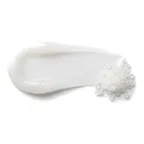 Tranexamic Acid
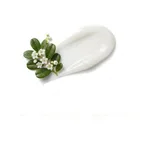 Alpha-Arbutin
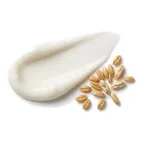 Azelaic Acid
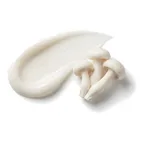 Kojic Acid Dipalmitate
High
- HighOily Skin Fit
- HighEffectiveness
- HighSafety
A great choice for oily skin; a few serums fit it even better.
This fit is calculated for the concerns frequently associated with oily skin: shine, enlarged pores, blackheads, and blemishes. For scores and recommendations based on your full skin profile, including your 12D face scan results and any goals or preferences you have, please use the Lovi app.
Updated How the Fit score works
Lovi Assistant explains
- Highly suitable for your oily skin as niacinamide and azelaic acid work to control oil production and reduce shine, addressing your main goal.
- The inclusion of Centella Asiatica Leaf Extract and licorice root extract further soothes the skin, complementing the brightening effects of alpha-arbutin and kojic acid dipalmitate.
- The product is safe for your skin, with no reported irritation risks due to its formulation and the absence of harsh ingredients.
How to apply
- Use this serum in your PM routine. Start by applying it 3 times a week and build up to daily use if your skin tolerates it well.
- Apply the serum after cleansing and toning, but right before your moisturizer for the best results.
- Gently press 2-3 drops of the serum into your skin. Let it absorb ⏱ for a minute before applying the next product.
- Apply the serum on clean and dry skin since your skin is not sensitive and you want to target oily shine. This helps control excess oil throughout the night.
- Avoid the delicate eye area and do a patch test before using the serum for the very first time.
People Say
★4.5Overall rating based on 2.5k+ reviewsBased on a very large amount of data, users find this serum highly effective for fading hyperpigmentation, post-acne marks, and melasma, with many reporting success where other products have failed. A significant number of reviews mention that results take time, typically 1-3 months, and note a strong, unpleasant sulfur-like smell and fragile packaging.
Highlights
Fades dark spots Mostly Mentioned
- “lightened dark bullseye on forehead”
- “faded stubborn post-acne marks”
- “visible reduction in sun spots”
- “helped old scars finally fade”
Unpleasant smell Mostly Mentioned
- “smells like rotten eggs”
- “strong sulfur/chemical scent”
- “smells like perm solution”
- “scent lingers for a while”
Evens skin tone Often Mentioned
- “skin looks more uniform”
- “reduced overall redness”
- “gave me a glowy complexion”
- “corrected uneven patches”
Poor packaging Often Mentioned
- “metal tube cracked on side”
- “product oozes out uncontrollably”
- “leaked all over my bag”
- “cap broke off easily”
Gentle but effective Sometimes Noted
- “didn't burn my sensitive skin”
- “effective without damaging barrier”
- “gentle enough for daily use”
- “moisturizing unlike other actives”
Improves texture Sometimes Noted
- “skin feels much smoother”
- “softened rough patches”
- “helped with texture bumps”
- “reduced look of pores”
Breakouts or purging Sometimes Noted
- “caused tiny whiteheads”
- “broke me out in cysts”
- “clogged my pores”
- “triggered fungal acne”
Texture issues Rarely Noted
- “feels sticky/tacky on skin”
- “pills under makeup/sunscreen”
- “too heavy for oily skin”
- “leaves a weird film”
Sources: lovi.care, sephora.com, amazon.com, mytopicals.com, reddit.com, skinsort.com, and more
Questions and answers
What makes Topicals Faded Brightening & Clearing Gel a great fit for oily skin?
Topicals Faded Brightening & Clearing Gel is a great fit for oily skin because niacinamide and azelaic acid help control oil production and reduce shine. Ingredients like centella asiatica and licorice root also soothe the skin while alpha-arbutin and kojic acid dipalmitate brighten it, and the formula is safe with a low risk of irritation.
Which ingredients make this treatment a good fit for oily skin?
This treatment is a great fit for oily skin because niacinamide and azelaic acid help control oil production and reduce shine. Additionally, ingredients like centella asiatica leaf extract and licorice root extract help soothe the skin while working to brighten it.
What does Niacinamide do for oily skin?
Niacinamide helps balance oily skin by significantly reducing excess oil production and shine. It is well tolerated and may improve skin texture without clogging pores.
Journal of Cosmetic and Laser Therapy, 2006Antioxidants, 2021
What does Tranexamic Acid do for oily skin?
Tranexamic acid helps calm redness and fade dark spots in oily skin while supporting the skin barrier. It is unlikely to clog pores and may help balance unwanted discoloration and uneven tone.
Where does this treatment go in a skincare routine for oily skin?
This treatment goes in the evening routine after cleansing and toning, and before moisturizing. Putting treatments in the evening helps with simplicity and extra safety around sun exposure.
Can I use this treatment with retinol, and in what order?
You can use this treatment alongside retinol by applying the retinol first at night, waiting a few minutes for it to sink in, and then following with this treatment. Because combining strong treatments can sometimes cause irritation, it is best to introduce them slowly to see how your skin responds.
How often should I use this treatment?
This treatment is best used in the evening as part of your routine. Start by applying it once a week, and if your skin tolerates it well and you see good results, you can carefully use it more often.
Can this treatment clog pores, cause breakouts or purging for oily skin?
This treatment is unlikely to cause severe issues, but some reviewers note moderate breakouts or purging for oily skin. Its formulation features soothing and oil-controlling ingredients that help keep skin calm and clear.
Is this treatment fragrance-free and alcohol-free?
Yes, it has no fragrance and no drying alcohol. Behenyl alcohol and cetearyl alcohol are fatty alcohols, which soften the skin.
What the research says
Encapsulation of alpha arbutin in an optimized ethosomal gel significantly improved skin melanin reduction, moisture content, and elasticity in human volunteers compared to conventional formulations.
Heliyon, 2023Topical nicotinamide prevented solar-simulated UV-induced immunosuppression in healthy volunteers, and men experienced immunosuppression at solar-simulated UV doses three times lower than those required for women.
The Journal of Investigative Dermatology, 2008Topical 5% niacinamide applied twice daily for 12 weeks reduced fine lines and wrinkles, hyperpigmented spots, red blotchiness, and skin sallowness, and improved skin elasticity compared to vehicle control in 50 female white subjects with facial photoaging.
Dermatologic Surgery, 2005Topical 2% niacinamide significantly decreased sebum excretion rate in Japanese individuals and casual sebum levels in Caucasian individuals compared to placebo or baseline.
Journal of Cosmetic and Laser Therapy, 2006Topical administration of 20% azelaic acid cream and 5% tranexamic acid solution comparably improved acne-related postinflammatory hyperpigmentation in patients with acne vulgaris, while tranexamic acid demonstrated a significantly better safety profile at week 4.
Journal of Research in Medical Sciences, 2023Topical 10% tranexamic acid serum reduced inflammatory acne counts, particularly papules and pustules, and decreased skin redness compared to placebo in 18 patients with mild-to-moderate acne over 8 weeks.
Journal of Cosmetic Dermatology, 2022A non-hydroquinone topical formulation (SKNB19) improved hyperpigmentation by 28.5% in patient self-assessment and 27% in independent reviewer assessment compared with 4% hydroquinone in 18 adult subjects, while showing significantly less irritation and better tolerability.
Journal of Cosmetic Science, 2020Aziderm cream, Neostrata Pigment Lightening Gel, and an arbutin 5% formulation significantly reduced skin pigmentation in healthy female volunteers compared to untreated controls.
The Journal of Clinical and Aesthetic Dermatology, 2022Arbutin abrogates alpha-MSH-induced hyperpigmentation, inhibits melanin production in B16 cells, and decreases tyrosinase activity.
Archives of Pharmacal Research, 2009Azelaic acid nanocrystal hydrogel 10% achieved a higher success rate and greater lesion reduction than azelaic acid cream 20% in patients with mild to moderate facial acne.
Pharmaceutics, 2021Application of 15% azelaic acid gel significantly reduced post-inflammatory erythema and hyperpigmentation, decreased hemoglobin and melanin content, improved quality of life, and contributed to acne improvement in patients with mild to moderate acne compared to placebo.
Dermatology and Therapy, 2024Topical application of a dermocosmetic containing Myrtus communis extract and azelaic acid reduced acne relapses and helped maintain remission compared to a light moisturizing cream in adult females in the acne maintenance phase over 16 weeks.
Journal of the European Academy of Dermatology and Venereology, 2023A topical formulation containing kojic acid, emblica extract, and glycolic acid demonstrated efficacy parity compared with hydroquinone 4% in multiethnic participants with mild to moderate facial dyschromia.
Cutis, 2010Kojic acid is safe for use in cosmetic products up to a concentration of 1% because dermal sensitization and skin lightening would not be seen below that level.
International Journal of Toxicology, 2010Polymeric nanocapsules containing 0.1% kojic acid dipalmitate and 5% rosehip oil formulated with PLGA demonstrated high stability, antioxidant and tyrosinase-inhibiting activities, and a 25% melanin reduction in normal human epidermal melanocytes.
ACS Omega, 2025
Ingredients
Water, Caprylic Capric Triglyceride, Glycerin, Niacinamide, Glyceryl Stearate, Tranexamic Acid, Butyrospermum Parkii Butter Shea Butter, Jojoba Seed Oil, Alpha-Arbutin, Behenyl Alcohol, Kojic Acid Dipalmitate, Glutathione, Curcuma Longa Root Extract, Ethylene Brassylate, Dimethylmethoxy Chromanyl Palmitate, Azelaic Acid, Glycyrrhiza Glabra Root Extract Licorice Root Extract, Melatonin, Phytic Acid, Squalane, Allantoin, Centella Asiatica Leaf Extract, Tocopherol, Arginine, Lecithin, Glycine Soja Soybean Sterols, Cetyl Palmitate, Ethylhexylglycerin, Sclerotium Gum, Zinc Ricinoleate, Cetearyl Alcohol, Sodium Lauroyl Sarcosinate, Tetrahydroxypropyl Ethylenediamine, Trisodium Ethylenediamine Disuccinate, Ceteareth-12, Ceteareth-20, Phenoxyethanol
Behind this fit score
Lovi calculates every fit score from the full ingredient list with brand-independent rules our dermatologists and cosmetic chemists build and review, and personalizes every pick with AI trained on the real results of millions of users. Lovi trains its fit score models on a proprietary dataset built from more than 10,000 expert-labeled products and more than 100,000 simulated examples, following an internally consistent methodology presented at Cosmoprof, AMWC, and Skin of Color Update.
-

Co-founder, Medical Director
Cosmetic chemist, cosmetologist, aesthetic products developer
-

Co-founder, CEO and CTO
PhD in computer science, 3x US patent holder, ex-Google, ex-Yandex
-

Dr. Sofía Perea Pérez, MD, MSc
Medical Board
Aesthetic medicine practitioner, MSc in Longevity and Anti-Aging Medicine
-

Medical Board
Specialist dermatologist, MBBS, MD, IFAAD
-

Medical Board
Cosmetic chemist, SCS, IFSCC member
-

Medical Board, Medical Advisor
Dermatology MD
-

Elina Nazarenko, MD
Medical Board
Dermatology and diagnostic consultant
-

Victoria Derkova, MS
Medical Board
Cosmetic chemist, cosmetic development technologist


How does it fit your skin?
Scan your face, then any product: Lovi shows how well it fits you and what fits even better.