
The INKEY List Mandelic Acid Treatment for sensitive skin

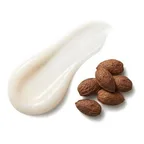 Mandelic Acid
 Glycerin
 Retinol
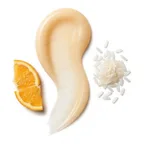 Ethyl Ferulate
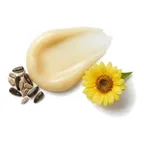 Helianthus Annuus Seed Oil
Average
- HighNormal Skin Fit
- AverageEffectiveness
- Low RiskSafety
Works for sensitive skin; other serums fit it better.
This fit is calculated for the concerns frequently associated with sensitive skin: redness, stinging, and reactions to new products. For scores and recommendations based on your full skin profile, including your 12D face scan results and any goals or preferences you have, please use the Lovi app.
Updated How the Fit score works
Lovi Assistant explains
- Offers moderate exfoliation for your normal skin due to mandelic acid and retinol, which help decongest pores and support cell turnover, but lacks ingredients to specifically address your redness and irritation.
- While the product provides general hydration and soothing benefits, these are not specialized enough to significantly improve your primary concerns.
- The formula is generally safe for your sensitive skin, though the presence of mandelic acid and retinol carries a slight risk of irritation.
How to apply
- Use your serum in the PM routine, starting 3 times a week before building up to daily use if your skin is happy.
- Apply the serum after cleansing and toning, but before putting on your moisturizer for the best results.
- Gently press 2-3 drops of the serum into your skin and wait a minute ⏱ for it to soak in.
- Since your skin is sensitive and easily irritated, apply the serum on completely dry skin to help keep it calm.
- Always do a patch test before your first use and avoid getting the serum too close to your eyes .
People Say
★4.4Overall rating based on 600+ reviewsUsers find this treatment effective for fading post-acne marks and hyperpigmentation, with a high frequency of positive comments noting its gentleness on sensitive skin. Many reviewers also appreciate its ability to improve skin texture and its affordable price point. A significant number of users mention that visible results require patience and consistent daily use over several weeks, and some find the natural scent unpleasant or the product size small.
Highlights
Fades dark spots Mostly Mentioned
- “helped post-blemish marks”
- “reduced hyperpigmentation”
- “scars are lighter”
- “evened out skin tone”
Gentle on skin Often Mentioned
- “didn't irritate my skin”
- “no stinging or burning”
- “great for sensitive skin”
- “non-drying formula”
Slow to show results Often Mentioned
- “takes months”
- “requires patience”
- “not a quick fix”
- “slow progress”
Affordable price Sometimes Noted
- “great value”
- “budget friendly”
- “good for the price”
- “inexpensive option”
Improves texture Sometimes Noted
- “skin feels smoother”
- “reduced congestion”
- “helped with texture”
- “less bumpy”
Small product size Sometimes Noted
- “tube is tiny”
- “finished too quickly”
- “only 15ml”
- “wish it was bigger”
Unpleasant scent Sometimes Noted
- “smells like vinegar”
- “weird sour smell”
- “smells like feet”
- “off-putting scent”
Sticky texture Rarely Noted
- “hard to spread”
- “feels tacky”
- “thick consistency”
- “draggy application”
Sources: lovi.care, theinkeylist.com, sephora.com, lookfantastic.com, reddit.com, youtube.com, and more
Questions and answers
How well does The INKEY List Mandelic Acid work for sensitive skin?
This product works for your sensitive skin, though other products fit it better because it lacks ingredients to specifically calm redness and irritation. A treatment of this type needs soothing ingredients like niacinamide and snail secretion filtrate to properly care for this skin.
Which ingredients make this exfoliant a good fit for sensitive skin?
Glycerin helps keep sensitive skin soft and hydrated, while mandelic acid and retinol offer moderate exfoliation, though they carry a slight risk of irritation. A treatment for this skin needs ingredients that calm redness and irritation, along with potent antioxidants, hydrating components, and skin-repairing ingredients.
What does Mandelic Acid do for sensitive skin?
Mandelic acid is very well tolerated by sensitive skin and helps smooth skin roughness while improving firmness and elasticity. It may also improve skin thickness and barrier function when used in gentle formulations.
What does Glycerin do for sensitive skin?
Glycerin helps keep sensitive skin soft and deeply hydrated while supporting the skin barrier. It is unlikely to cause irritation and may protect against dryness and roughness.
The British Journal of Dermatology, 2008Acta Dermato-venereologica, 1999
Where does it go in a skincare routine for sensitive skin?
This treatment goes in your evening routine, starting at once a week to lower the chance of irritation. Sensitive skin needs gentle soothing and calming ingredients to manage redness while it gets used to active ingredients.
Can I use this exfoliant with niacinamide, and in what order?
You can use this treatment with niacinamide, applying your niacinamide serum first to keep your sensitive skin calm before using this product. This type of skin needs soothing ingredients and gentle hydrators like ceramides or hyaluronic acid to protect against irritation.
How often should I use it?
Start by using this treatment once a week in the evening to see how your skin responds. While it is generally safe, it contains exfoliating acids and retinol that carry a slight risk of irritation, so a product of this type needs extra calming and soothing ingredients to properly comfort sensitive skin.
Can this exfoliant clog pores, cause breakouts or purging for sensitive skin?
This exfoliant is unlikely to clog pores, but the mandelic acid and retinol in it may cause a bit of irritation or purging on sensitive skin. A product for this skin needs gentle exfoliating ingredients paired with calming plant extracts or soothing agents to keep skin soft and calm without causing redness.
Is it fragrance-free and alcohol-free?
It has no drying alcohol and contains fragrance (benzyl alcohol). Cetearyl alcohol is a fatty alcohol, which soften the skin.
What the research says
A single application of a moisturizing fluid containing hyaluronic acid 1%, glycerin 5%, and Centella asiatica stem cells extract significantly increased skin hydration by 29% and reduced transepidermal water loss at 24 hours compared to baseline and an untreated control site in twenty healthy women.
Clinical, Cosmetic and Investigational Dermatology, 2017Topical bakuchiol 0.5% applied twice daily compared with retinol 0.5% applied daily significantly decreased wrinkle surface area and hyperpigmentation with no statistical difference between the compounds in 44 patients over 12 weeks, while retinol users reported more facial skin scaling and stinging.
The British Journal of Dermatology, 2019Treatment with 45% mandelic acid peel showed nearly equal overall efficacy as 30% salicylic acid peel in patients with mild-to-moderate facial acne vulgaris, but with fewer adverse effects.
Journal of Cosmetic Dermatology, 2020Commonly used chemical peels showed no significant differences in effectiveness for acne vulgaris in most comparisons, though combined salicylic and mandelic acid peeling was superior to glycolic acid and glycolic acid was superior to placebo, based on twelve randomized controlled trials.
BMJ Open, 2018Chemical peels using 35% glycolic acid, 20% salicylic-10% mandelic acid, and phytic acid reduce acne scores by 70.55%, 74.14%, and 69.7% respectively, and significantly decline the postacne hyperpigmentation index in Asian patients with mild to moderate acne.
Journal of Cutaneous and Aesthetic Surgery, 2019The emollient V0034CR significantly reduced TEWL compared to vehicle and vehicle plus glycerol, and significantly increased corneometry scores compared to vehicle and vehicle plus petrolatum in healthy volunteers with dry skin, demonstrating combined barrier function improvement from petrolatum and hydration improvement from glycerol.
Journal of Cosmetic Dermatology, 2020Ten days of treatment with a cream containing 20% glycerin significantly increased skin hydration measured by corneometer values in 17 healthy volunteers compared to a placebo cream, but showed no influence on transepidermal water loss or skin sensitivity to an irritating surfactant.
International Journal of Cosmetic Science, 2001Niacinamide/glycerin body moisturizers provided better rapid and prolonged improvement of cosmetic xerosis through functional improvement of stratum corneum barrier function compared to no treatment and conventional moisturizers in female subjects.
Journal of Drugs in Dermatology, 2012Topical 0.3% and 1% retinol comparably improved biomarkers of cutaneous photoageing in photoaged volunteers, while 0.3% retinol demonstrated better tolerance with fewer and milder adverse events compared to 1% retinol in a daily escalation regimen.
International Journal of Cosmetic Science, 2022Daily application of 0.3% and 0.5% retinol serums in 37 volunteers over 12 weeks reduced skin hyperpigmentation, unevenness, and wrinkles on both sides of the face, with the 0.5% concentration causing more frequent and intense skin irritation.
Skin Pharmacology and Physiology, 2020Topical application of 0.1% retinol induced CRABP2 and HBEGF gene expression, increased keratinocyte proliferation and epidermal thickness ex vivo, and improved major skin aging signs without significant adverse reactions in 48 volunteers compared to placebo.
Skin Pharmacology and Physiology, 2009Treatment with 14% ferulic acid and 12% l-ascorbic acid significantly reduced pigmentation and erythema while improving hydration and elasticity in 20 women with photoaged skin, with neither acid proving definitively more effective overall though ascorbic acid showed slightly greater skin lightening.
Dermatologic Therapy, 2022A topical antioxidant solution of 15% L-ascorbic acid, 1% alpha-tocopherol, and 0.5% ferulic acid provides significant photoprotection against solar-simulated UV radiation in human skin compared to its vehicle.
Journal of the American Academy of Dermatology, 2008Pretreatment with a topical antioxidant mixture of vitamin C, ferulic acid, and phloretin attenuated ultraviolet-induced sunburn cell formation, thymine dimer formation, matrix metalloproteinase-9 expression, p53 protein expression, and the suppression of CD1a-expressing Langerhans cells in human skin compared to vehicle control.
Journal of Cosmetic Dermatology, 2008
Why other serums fit sensitive skin better
- Retinol in this serum
Topical bakuchiol 0.5% applied twice daily compared with retinol 0.5% applied daily significantly decreased wrinkle surface area and hyperpigmentation with no statistical difference between the compounds in 44 patients over 12 weeks, while retinol users reported more facial skin scaling and stinging.
The British Journal of Dermatology, 2019 Cosmetic formulations containing 5% Centella asiatica extract showed the best efficacy in improving skin moisture and decreasing transepidermal water loss, while also exhibiting antiinflammatory properties in 25 volunteers compared to baseline measurements.
Indian Journal of Pharmaceutical Sciences, 2016
Ingredients
Water, Propanediol, Mandelic Acid, Coco-Caprylate Caprate, Cetearyl Alcohol, Glycerin, Sodium Hydroxide, Caprylic Capric Triglyceride, Glyceryl Stearate, Candelilla Jojoba Rice Bran Polyglyceryl-3 Esters, Sodium Stearoyl Glutamate, Phenoxyethanol, Sodium Stearoyl Lactylate, Benzyl Alcohol, Acrylates C10-30 Alkyl Acrylate Crosspolymer, Carnauba Cera, Retinol, Polysorbate 20, Ethylhexylglycerin, Dehydroacetic Acid, Helianthus Annuus Seed Oil, Trisodium Ethylenediamine Disuccinate, 1,2-Hexanediol, Caprylyl Glycol, Disodium Cocoamphodiacetate, Tocopherol, Xanthan Gum, Ethyl Ferulate, Humulus Lupulus Extract
Behind this fit score
Lovi calculates every fit score from the full ingredient list with brand-independent rules our dermatologists and cosmetic chemists build and review, and personalizes every pick with AI trained on the real results of millions of users. Lovi trains its fit score models on a proprietary dataset built from more than 10,000 expert-labeled products and more than 100,000 simulated examples, following an internally consistent methodology presented at Cosmoprof, AMWC, and Skin of Color Update.
-

Co-founder, Medical Director
Cosmetic chemist, cosmetologist, aesthetic products developer
-

Co-founder, CEO and CTO
PhD in computer science, 3x US patent holder, ex-Google, ex-Yandex
-

Dr. Sofía Perea Pérez, MD, MSc
Medical Board
Aesthetic medicine practitioner, MSc in Longevity and Anti-Aging Medicine
-

Medical Board
Specialist dermatologist, MBBS, MD, IFAAD
-

Medical Board
Cosmetic chemist, SCS, IFSCC member
-

Medical Board, Medical Advisor
Dermatology MD
-

Elina Nazarenko, MD
Medical Board
Dermatology and diagnostic consultant
-

Victoria Derkova, MS
Medical Board
Cosmetic chemist, cosmetic development technologist


How does it fit your skin?
Scan your face, then any product: Lovi shows how well it fits you and what fits even better.