
Tatcha The Matcha Cleanse for sensitive skin

 Camellia Sinensis Leaf Extract, Matcha Green Tea
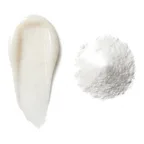 Sodium Lauroyl Aspartate
 Saccharomyces Rice Ferment Filtrate
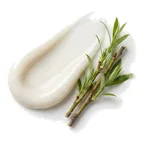 Willow Bark Extract
Average
- HighNormal Skin Fit
- AverageEffectiveness
- HighSafety
Works for sensitive skin; other cleansers fit it better.
This fit is calculated for the concerns frequently associated with sensitive skin: redness, stinging, and reactions to new products. For scores and recommendations based on your full skin profile, including your 12D face scan results and any goals or preferences you have, please use the Lovi app.
Updated How the Fit score works
Lovi Assistant explains
- Offers moderate cleansing for your normal skin, as sodium lauroyl aspartate and glycerin gently remove impurities while maintaining hydration. Saccharomyces rice ferment filtrate and camellia sinensis leaf extract provide humectant and antioxidant benefits, supporting overall skin health.
- While the formula is safe for your sensitive skin and free of harsh irritants, it lacks specialized ingredients to directly address your redness and irritation concerns.
- The product is safe for sensitive skin, with no risks of irritation due to the absence of prohibited or harsh ingredients.
How to apply
- Use your cleanser in the AM and PM routines every day. Start using it daily since your sensitive skin needs gentle care.
- Apply this first in your morning and evening skincare routine before toner and moisturizer. This clears away dirt without upsetting your skin.
- Gently massage a small amount onto your face using soft circles. Avoid any rough rubbing to keep redness away.
- Apply the cleanser on slightly damp skin to help it wash away impurities softly. Clean skin feels fresh and comfortable afterwards.
- Avoid getting the cleanser in your eyes and do a quick patch test before first use. Rinse thoroughly with lukewarm water.
People Say
★4.5Overall rating based on 1.0k+ reviewsThis daily gel cleanser is widely praised by users with oily and combination skin for its ability to deeply purify pores and control shine without stripping the moisture barrier. A significant number of users report frustration with the runny consistency and leaky packaging, and those with dry or sensitive skin occasionally experience tightness or breakouts. This summary is based on a very large amount of data and should definitely be taken into account.
Highlights
Non-stripping cleanse Mostly Mentioned
- “clean without stripping”
- “leaves skin soft”
- “doesn't feel tight”
- “gentle daily favorite”
Poor packaging design Mostly Mentioned
- “leaks easily”
- “pours out uncontrollably”
- “bad packaging”
- “cap gets messy”
Balances oil Often Mentioned
- “dries up oil”
- “keeps skin hydrated”
- “preventing oil production”
- “shine-free skin”
Runny consistency Often Mentioned
- “texture is quite watery”
- “very thin gel”
- “spilled out”
- “wastes product”
Pleasant texture Sometimes Noted
- “super foamy lather”
- “beautiful lather”
- “refreshing foam”
- “smells amazing”
Pore decongestion Sometimes Noted
- “tightens the pores”
- “decongests pores”
- “pores looked smaller”
- “smooths skin texture”
High price point Sometimes Noted
- “overpriced”
- “expensive for a cleanser”
- “tad on the expensive side”
- “not worth the money”
Makeup priming Rarely Noted
- “makeup applies better”
- “reduces makeup slip-off”
- “primes skin”
- “better makeup wear”
Breakouts & irritation Rarely Noted
- “caused breakouts”
- “little red bumps”
- “wrecked skin barrier”
- “stings my face”
Drying for some Rarely Noted
- “felt a bit tight”
- “not for dry skin”
- “drying on drier days”
- “stripped my skin”
Sources: lovi.care, sephora.co.uk, kohls.com, ulta.com, walmart.com, spacenk.com, and more
Questions and answers
How well does Tatcha The Matcha Cleanse work for sensitive skin?
This cleanser works moderately well for sensitive skin, gently washing away dirt while keeping the skin soft and hydrated. Although it is safe and free of harsh irritants, it lacks specialized ingredients to directly calm redness and irritation. A cleanser for this skin needs soothing ingredients like Niacinamide and barrier-repairing ceramides.
Which ingredients make this cleanser a good fit for sensitive skin?
This cleanser is a safe fit for sensitive skin because it uses gentle cleansers alongside glycerin and green tea extract, which help maintain hydration and calm the skin without irritation. To best care for sensitive skin, a cleanser of this type needs specialized soothing ingredients like niacinamide and ceramides to actively target redness and irritation.
What does Matcha Green Tea do for sensitive skin?
Matcha Green Tea helps calm sensitive skin by reducing redness and irritation. It works because the antioxidants and soothing properties in green tea protect the skin barrier and lower inflammation.
International Journal of Cosmetic Science, 2025Antioxidants, 2024
What does Sodium Lauroyl Aspartate do for sensitive skin?
Sodium Lauroyl Aspartate is a gentle cleansing ingredient that is unlikely to cause irritation on sensitive skin. Cleansers made with milder ingredients like this help keep the skin calm and protect the skin barrier from damage.
Where does this cleanser go in a skincare routine for sensitive skin?
This cleanser goes in your morning and evening routine, before your soothing toner and moisturizer. While it is safe and free of harsh irritants, a cleanser for this skin needs calming and soothing ingredients like centella asiatica or niacinamide to help directly address redness.
Can I use this cleanser with retinol, and in what order?
You can use this cleanser with retinol, applying the cleanser first to clean your skin before you put on your retinol treatment. While this formula is safe for sensitive skin, a cleanser of this type needs calming ingredients like centella asiatica or green tea extracts to help keep your skin calm and manage redness.
How often should I use this cleanser?
You can safely use this cleanser daily in the morning and evening as part of your routine. A cleanser of this type needs gentle cleansers and hydrating ingredients to lift away impurities while keeping sensitive skin comfortable.
Can this cleanser clog pores, cause breakouts or purging for sensitive skin?
This cleanser is safe for sensitive skin and is unlikely to cause irritation or breakouts. A product for this skin needs gentle cleansers and soothing ingredients to calm redness while keeping skin soft.
Can I use this cleanser around the eyes or on my body?
You can use this cleanser on the body and around the eyes, though the skin on the body is thicker and the eyelid skin is much thinner. It is safe for sensitive skin and unlikely to cause irritation, but a cleanser for this skin needs extra soothing and calming ingredients to truly comfort redness.
Is this cleanser fragrance-free and alcohol-free?
It has no fragrance and contains drying alcohol (alcohol).
What the research says
A single application of a moisturizing fluid containing hyaluronic acid 1%, glycerin 5%, and Centella asiatica stem cells extract significantly increased skin hydration by 29% and reduced transepidermal water loss at 24 hours compared to baseline and an untreated control site in twenty healthy women.
Clinical, Cosmetic and Investigational Dermatology, 2017Topical application of a 6% green tea extract formulation increased skin moisture, enhanced skin elasticity, and improved skin microrelief by reducing roughness in 24 volunteers compared to vehicle and control over 30 days.
Dermatologic Therapy, 2013A botanical face cleanser with hops and willow bark extract continuously reduced skin sebum levels without reactive seborrhea after treatment in 21 healthy volunteers compared to a sodium laureth sulfate cleanser, with neither cleanser causing skin irritation.
Journal of Cosmetic Dermatology, 2019Topically formulated tea polyphenols show some benefit in reducing sebum secretion and treating acne vulgaris compared to baseline or control.
Antioxidants, 2016Topical application of tannase-converted green tea extract (TGE) significantly improved skin wrinkle indices and self-assessed wrinkle reduction compared to normal green tea extract (NGE) in human subjects over 8 weeks.
Journal of Cosmetic Dermatology, 2013An anti-acne hydrogel containing Aloe barbadensis, Garcinia mangostana, and Camellia sinensis extracts showed superior antiacne and antiblotch activities compared to 1% clindamycin gel in sixty subjects with mild-moderate acne.
Clinical, Cosmetic and Investigational Dermatology, 2019Topical gel and cream formulations containing niosomes entrapped with rice bran bioactive compounds improved skin hydration, lightening, thickness, roughness, and elasticity in 30 human volunteers over 28 days compared to baseline.
Pharmaceutical Biology, 2012Daily application of a cream containing niosomes loaded with purple glutinous rice extract in 20 human volunteers for 28 days resulted in a significant decrease in melanin index and skin roughness by -14.05% and -9.95%, and increases in skin hydration and elastic recovery by +48.73% and +35.98% compared to initial values.
International Journal of Cosmetic Science, 2020Encapsulation of ferulic acid in phosphorylated rice starch enhanced its stability against heat and light and improved skin lightening, elasticity, smoothness, roughness, scaliness, and wrinkles compared to free ferulic acid in 16 volunteers over 1 month.
Molecules, 2022Bioactive lipid nanocarriers co-loaded with willow bark or ivy leaf extracts and UV-filters provided pronounced UVA photoprotection up to an SPF-equivalent value of 13 and a maximum in vivo skin hydration effect of 97% when prepared with pomegranate oil.
Nanomaterials, 2022A topical serum containing 0.5% salicin applied twice daily reduced visible signs of skin aging, including wrinkles and tactile roughness, in 30 female subjects over 12 weeks compared to baseline.
Journal of Cosmetic Dermatology, 2010A novel emulsion containing niacinamide, lens esculenta seed extract, and white willow bark extract effectively improved acne, blackheads, and conspicuous facial pores in 30 subjects with oily skin.
Journal of Cosmetic Dermatology, 2024
Why other cleansers fit sensitive skin better
Topical dexpanthenol acts as a moisturizer, improves stratum corneum hydration, accelerates wound healing and epidermal regeneration, reduces erythema, and improves symptoms of skin irritation compared to vehicle or no pretreatment.
American Journal of Clinical Dermatology, 2002
Ingredients
Water, Glycerin, Sodium Lauroyl Aspartate, Peg-150 Pentaerythrityl Tetrastearate, Lauryl Glucoside, Sodium Lauryl Glycol Carboxylate, Saccharomyces Rice Ferment Filtrate, Camellia Sinensis Leaf Extract, Cladosiphon Okamuranus Extract, Willow Bark Extract, Artemisia Princeps Leaf Extract, Coix Lacryma-Jobi Ma-Yuen Seed Extract, Cocamidopropyl Betaine, Sodium Carbonate, Butylene Glycol, Propanediol, Ethylhexylglycerin, Alcohol, Citric Acid, Phenoxyethanol, Chlorphenesin, Yellow 5 Ci 19140, Blue 1 Ci 42090
Behind this fit score
Lovi calculates every fit score from the full ingredient list with brand-independent rules our dermatologists and cosmetic chemists build and review, and personalizes every pick with AI trained on the real results of millions of users. Lovi trains its fit score models on a proprietary dataset built from more than 10,000 expert-labeled products and more than 100,000 simulated examples, following an internally consistent methodology presented at Cosmoprof, AMWC, and Skin of Color Update.
-

Co-founder, Medical Director
Cosmetic chemist, cosmetologist, aesthetic products developer
-

Co-founder, CEO and CTO
PhD in computer science, 3x US patent holder, ex-Google, ex-Yandex
-

Dr. Sofía Perea Pérez, MD, MSc
Medical Board
Aesthetic medicine practitioner, MSc in Longevity and Anti-Aging Medicine
-

Medical Board
Specialist dermatologist, MBBS, MD, IFAAD
-

Medical Board
Cosmetic chemist, SCS, IFSCC member
-

Medical Board, Medical Advisor
Dermatology MD
-

Elina Nazarenko, MD
Medical Board
Dermatology and diagnostic consultant
-

Victoria Derkova, MS
Medical Board
Cosmetic chemist, cosmetic development technologist


How does it fit your skin?
Scan your face, then any product: Lovi shows how well it fits you and what fits even better.