
Supergoop! Bright-Eyed 100% Mineral Eye Cream SPF 40 for sensitive skin

 Zinc Oxide
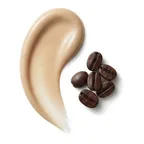 Caffeine
 Camellia Sinensis Leaf Extract
 Glycerin
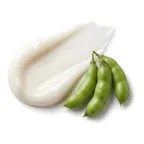 Griffonia Simplicifolia Seed Extract
High
- HighNormal Skin Fit
- HighEffectiveness
- HighSafety
A great choice for sensitive skin; a few eye cares fit it even better.
This fit is calculated for the concerns frequently associated with sensitive skin: redness, stinging, and reactions to new products. For scores and recommendations based on your full skin profile, including your 12D face scan results and any goals or preferences you have, please use the Lovi app.
Updated How the Fit score works
Lovi Assistant explains
- Highly suitable for your normal skin, the humectant action of glycerin and glyceryl glucoside, combined with the antioxidant properties of griffonia simplicifolia seed extract and camellia sinensis leaf extract, supports overall skin health.
- The zinc oxide and titanium dioxide offer moderate benefits for redness and irritation by providing soothing and anti-inflammatory effects.
- The product is safe for your sensitive skin, as it lacks harsh ingredients and includes soothing components like camellia sinensis leaf extract and lactobacillus lysate ferment.
People Say
★4.1Overall rating based on 3.8k+ reviewsBased on a very large amount of data, users with sensitive eyes and dark circles frequently praise this cream for its non-irritating mineral formula and instant color-correcting illumination. Users with drier skin types often report that the texture can be difficult to work with, leading to pilling or flaking under makeup.
Highlights
Brightening effect Mostly Mentioned
- “instantly illuminates dark circles”
- “subtle pink tint wakes up eyes”
- “great concealer alternative”
- “glowy finish”
Gentle sun protection Often Mentioned
- “doesn't sting my eyes”
- “great for sensitive eyelids”
- “no tears during workouts”
- “100% mineral formula”
Pilling and flaking Often Mentioned
- “rolls off in little balls”
- “clumps when rubbed”
- “pills under concealer”
- “cannot layer with other products”
Makeup priming Sometimes Noted
- “concealer sits well on top”
- “smooths fine lines”
- “grips makeup nicely”
- “good base for shadow”
Dryness and texture Sometimes Noted
- “feels chalky”
- “accentuates wrinkles”
- “too thick to blend”
- “dried out my under-eyes”
Packaging issues Sometimes Noted
- “pump dispenses too much”
- “product dries in the nozzle”
- “hard plug forms daily”
- “wasteful dispenser”
Skin irritation Rarely Noted
- “caused red rash”
- “swollen eyelids”
- “burning sensation”
- “developed milia bumps”
Sources: lovi.care, sephora.com, ulta.com, dermstore.com, goop.com, and more
Questions and answers
What makes Supergoop! Bright-Eyed Eye Cream a great fit for sensitive skin?
Supergoop! Bright-Eyed Eye Cream is a great fit for sensitive skin because it is free of harsh ingredients and uses soothing components like zinc oxide and green tea extract to help calm redness and irritation. Glycerin and glyceryl glucoside add moisture, while antioxidants support overall skin health.
Skin Pharmacology and Physiology, 2012Journal of Controlled Release, 2025
Which ingredients make this cream a good fit for sensitive skin?
This cream is a great fit for sensitive skin because it avoids harsh ingredients and includes soothing components like camellia sinensis leaf extract and lactobacillus lysate ferment. The zinc oxide and titanium dioxide in the formula also help calm redness and irritation.
Journal of Controlled Release, 2025Experimental Dermatology, 2009
What does Zinc Oxide do for sensitive skin?
Zinc oxide helps calm sensitive, easily irritated skin and reduce redness by protecting against UV rays and soothing inflammation. It is generally safe and well-tolerated, though certain nanoparticle forms may occasionally cause irritation or barrier issues during long-term exposure.
What does Caffeine do for sensitive skin?
Caffeine helps calm sensitive skin by reducing oxidative stress and protecting cells from UV damage and early aging. This ingredient also boosts microcirculation and has a very safe profile, making it unlikely to cause irritation when used properly.
Where does this cream go in a skincare routine for sensitive skin?
This cream goes in the morning routine as a moisturizing SPF, positioned after your toner and before your makeup. Its mineral formula is safe for sensitive skin because it lacks harsh ingredients and includes soothing components like camellia sinensis leaf extract and lactobacillus lysate ferment.
Can I use this cream with retinol, and in what order?
You can use this cream alongside retinol by applying it after your retinol has fully absorbed, or in the morning to protect and soothe your delicate skin. This product is unlikely to cause irritation and helps calm redness, making it gentle enough to layer with stronger treatments.
How often should I use this cream?
You can use this eye cream daily as part of your morning routine. It is a great fit for sensitive skin because it lacks harsh ingredients and includes soothing components like camellia sinensis leaf extract and lactobacillus lysate ferment.
Can this cream clog pores, cause breakouts or purging for sensitive skin?
Supergoop! Bright-Eyed 100% Mineral Eye Cream SPF 40 is unlikely to cause breakouts or clog pores on sensitive skin because it lacks harsh ingredients and features soothing components like green tea extract and fermented lysate. The zinc oxide and titanium dioxide also help calm redness and irritation.
Journal of Controlled Release, 2025Experimental Dermatology, 2009
Is this cream fragrance-free and alcohol-free?
Yes, it has no fragrance and no drying alcohol. Cetearyl alcohol is a fatty alcohol, which soften the skin.
What the research says
Topical application of glyceryl glucoside significantly increased AQP3 mRNA levels and reduced transepidermal water loss compared with vehicle-controlled areas in volunteer subjects.
Skin Pharmacology and Physiology, 2012Topical oil-in-water and water-in-oil emulsions containing glyceryl glucoside, natural moisturizing factors, and ceramide significantly improved skin hydration and barrier function while reducing visible dryness and tactile roughness in subjects with very dry skin compared to untreated sites and vehicles.
The Journal of Clinical and Aesthetic Dermatology, 2012Topical low-dose green tea extract reduces UVB-induced p53 expression and apoptosis in human skin keratinocytes compared to placebo.
Experimental Dermatology, 2009Biomimetic hyaluronic acid-stabilized zinc oxide nanoparticles selectively inhibited C. acnes, outperformed erythromycin in preclinical acne models, and safely reduced acne lesions and redness in a clinical trial.
Journal of Controlled Release, 2025An anti-acne hydrogel containing Aloe barbadensis, Garcinia mangostana, and Camellia sinensis extracts showed superior antiacne and antiblotch activities compared to 1% clindamycin gel in sixty subjects with mild-moderate acne.
Clinical, Cosmetic and Investigational Dermatology, 2019Topical 0.5% hyaluronic-ZnO nanogel applied twice daily reduced inflammatory-lesion counts by 58% at week four in human subjects compared to baseline without causing erythema.
Biomedicines, 2025Daily use of a deep cleansing gel containing salicylic acid 2%, zinc gluconate 0.2% and lipohydroxy acid 0.05% significantly reduced total lesion count by 56.3% after 84 days in 35 subjects with mild to moderate truncal acne.
Clinical, Cosmetic and Investigational Dermatology, 2023Topical zinc oxide nanogels formulated using Dendrobium anosmum showed greater effectiveness against Gram-positive acne-causing bacteria compared to chemogenic nanoparticles.
Molecules, 2023Topical sunscreen formulations containing caffeine combined with UV filters increased in vivo anti-UVB protection by approximately 25% and showed higher SPF values compared to caffeine-free sunscreen, while being well tolerated by the skin of healthy subjects.
Frontiers in Physiology, 2019Topical caffeine acts as an active cosmetic compound by preventing excessive fat accumulation through phosphodiesterase inhibition, protecting cells against UV radiation with antioxidant properties, increasing skin microcirculation, and stimulating hair growth via 5-alpha-reductase inhibition.
Skin Pharmacology and Physiology, 2013Serum-free organ culture of human skin ex vivo induces extremely accelerated ageing within 3 days, which is counteracted by caffeine and 2,5-dimethylpyrazine treatments.
Experimental Dermatology, 2024Topically formulated tea polyphenols show some benefit in reducing sebum secretion and treating acne vulgaris compared to baseline or control.
Antioxidants, 2016Topical application of tannase-converted green tea extract (TGE) significantly improved skin wrinkle indices and self-assessed wrinkle reduction compared to normal green tea extract (NGE) in human subjects over 8 weeks.
Journal of Cosmetic Dermatology, 2013Topical green tea and green tea plus lotus multiple emulsions reduced casual sebum secretions compared to placebo in healthy adults, with the combined treatment producing significantly greater reductions than green tea alone over a 60-day period.
Hippokratia, 2013A single application of a moisturizing fluid containing hyaluronic acid 1%, glycerin 5%, and Centella asiatica stem cells extract significantly increased skin hydration by 29% and reduced transepidermal water loss at 24 hours compared to baseline and an untreated control site in twenty healthy women.
Clinical, Cosmetic and Investigational Dermatology, 2017The emollient V0034CR significantly reduced TEWL compared to vehicle and vehicle plus glycerol, and significantly increased corneometry scores compared to vehicle and vehicle plus petrolatum in healthy volunteers with dry skin, demonstrating combined barrier function improvement from petrolatum and hydration improvement from glycerol.
Journal of Cosmetic Dermatology, 2020Ten days of treatment with a cream containing 20% glycerin significantly increased skin hydration measured by corneometer values in 17 healthy volunteers compared to a placebo cream, but showed no influence on transepidermal water loss or skin sensitivity to an irritating surfactant.
International Journal of Cosmetic Science, 2001
Ingredients
Zinc Oxide, Water, Caprylic Capric Triglyceride, Glycerin, Propanediol, Butyloctyl Salicylate, Glyceryl Stearate Citrate, Lauroyl Lysine, Cetyl Esters, Inulin Lauryl Carbamate, Polyhydroxystearic Acid, Cetearyl Alcohol, Potassium Cetyl Phosphate, Griffonia Simplicifolia Seed Extract, Titanium Dioxide, Olive Polyglyceryl-6 Esters Oil, Mica, Triethoxycaprylylsilane, Microcrystalline Cellulose, Glyceryl Glucoside, Hydroxyacetophenone, Polyurethane-79, Diethylhexyl Syringylidenemalonate, Sodium Stearoyl Lactylate, 1,2-Hexanediol, Caprylyl Glycol, Sodium Citrate, Trisodium Ethylenediamine Disuccinate, Camellia Sinensis Leaf Extract, Lactobacillus Lysate Ferment, Punica Granatum Extract, Sodium Stearoyl Glutamate, Xanthan Gum, Cellulose Gum, Iron Oxides, Hedychium Coronarium Root Extract, Caffeine, Leuconostoc Radish Root Ferment Filtrate, Tin Oxide
Behind this fit score
Lovi calculates every fit score from the full ingredient list with brand-independent rules our dermatologists and cosmetic chemists build and review, and personalizes every pick with AI trained on the real results of millions of users. Lovi trains its fit score models on a proprietary dataset built from more than 10,000 expert-labeled products and more than 100,000 simulated examples, following an internally consistent methodology presented at Cosmoprof, AMWC, and Skin of Color Update.
-

Co-founder, Medical Director
Cosmetic chemist, cosmetologist, aesthetic products developer
-

Co-founder, CEO and CTO
PhD in computer science, 3x US patent holder, ex-Google, ex-Yandex
-

Dr. Sofía Perea Pérez, MD, MSc
Medical Board
Aesthetic medicine practitioner, MSc in Longevity and Anti-Aging Medicine
-

Medical Board
Specialist dermatologist, MBBS, MD, IFAAD
-

Medical Board
Cosmetic chemist, SCS, IFSCC member
-

Medical Board, Medical Advisor
Dermatology MD
-

Elina Nazarenko, MD
Medical Board
Dermatology and diagnostic consultant
-

Victoria Derkova, MS
Medical Board
Cosmetic chemist, cosmetic development technologist


How does it fit your skin?
Scan your face, then any product: Lovi shows how well it fits you and what fits even better.